In today’s diverse classrooms, culturally responsive teaching isn’t just an educational buzzword—it’s a transformative approach that directly impacts student success. Imagine a classroom where every student sees themselves reflected in the curriculum, where their unique cultural experiences become stepping stones to deeper learning, and where diversity drives academic excellence. This dynamic learning environment celebrates cultural differences while maintaining high academic standards, creating a space where all students feel valued, understood, and empowered to achieve.
Studies consistently show that students in culturally responsive classrooms demonstrate higher engagement, better academic performance, and stronger social-emotional skills. By acknowledging and incorporating students’ cultural backgrounds into daily instruction, educators create authentic connections between academic content and real-world experiences. This approach doesn’t just enhance learning—it fundamentally reshapes how students view themselves as learners and future leaders.
Creating a culturally responsive classroom requires intentional planning, continuous reflection, and genuine commitment to understanding diverse perspectives. For educators ready to embrace this transformative journey, the rewards are profound: increased student participation, stronger classroom communities, and academic success that transcends cultural boundaries.
What Makes a Classroom Culturally Responsive?
Physical Environment and Visual Representation
Creating an inclusive learning environment starts with thoughtful consideration of your classroom’s physical setup and visual elements. Display diverse role models through posters featuring scientists, artists, and leaders from various cultural backgrounds. Include multilingual welcome signs and labels that represent the languages spoken by your students. Create a reading corner with books that showcase diverse characters, cultures, and experiences.
Bulletin boards should reflect student work that celebrates their unique perspectives and cultural traditions. Consider organizing displays around themes that connect to students’ lives while incorporating cultural artifacts shared by families. Use maps that accurately represent different parts of the world, especially regions connected to your students’ heritage.
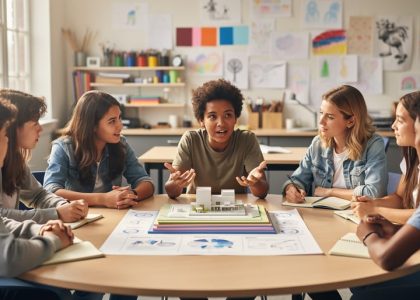
Arrange seating to promote collaboration and community building, ensuring all students can participate comfortably. Include spaces for both individual reflection and group work. Keep materials accessible to all students, with labels and instructions in multiple languages when appropriate. Regular rotation of displays keeps the environment dynamic and ensures all students see themselves represented throughout the school year.

Inclusive Learning Materials
Selecting and creating inclusive learning materials is fundamental to building a culturally responsive classroom. Start by auditing your current resources to ensure they represent diverse perspectives, experiences, and cultural backgrounds. Include books, posters, and digital content that feature characters and historical figures from various ethnic, racial, and cultural backgrounds.
Consider using materials that are available in multiple languages or incorporate multilingual elements when appropriate. Visual aids, textbooks, and worksheets should reflect the diversity of your student population and the broader global community. Pay special attention to ensuring that images and examples challenge stereotypes rather than reinforce them.
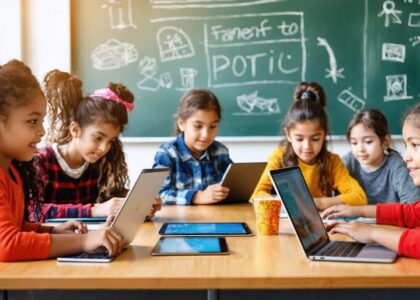
When selecting literature and educational content, look for authentic voices and accurate cultural representations. Include works by authors and creators from different cultural backgrounds, and seek out resources that present historical events and scientific achievements from multiple perspectives. Digital resources, such as educational apps and online platforms, should also reflect diverse experiences and learning styles.
Regularly update your materials based on student feedback and changing classroom demographics. Remember that inclusive materials not only support marginalized students but also help all learners develop cultural awareness and empathy.
Creating Safe and Respectful Learning Spaces
Building Community Through Cultural Exchange
Building a strong sense of community through cultural exchange is essential for creating a truly inclusive classroom environment. Start by establishing regular opportunities for students to share aspects of their cultural heritage, such as “Culture Share Days” where students can present traditional foods, music, or family stories. These sharing sessions should be voluntary and structured to ensure respectful participation from all students.
Create collaborative projects that encourage students to work together while learning about different cultural perspectives. For example, organize international holiday celebrations where students research and present various cultural traditions, or develop group assignments that explore global solutions to common challenges.
Incorporate multilingual elements into your classroom by displaying welcome signs in different languages, creating bilingual reading corners, and encouraging students to teach basic phrases from their native languages. This validates students’ linguistic diversity while fostering curiosity and respect among peers.
Use technology to connect with classrooms in other countries through virtual pen pal programs or video exchanges. These real-time connections help students develop global awareness and cultural competency while building meaningful relationships across borders.
Remember to actively facilitate these exchanges by establishing clear guidelines for respectful dialogue and creating safe spaces for students to ask questions and share experiences. Regular reflection activities can help students process their learning and develop deeper cross-cultural understanding.

Establishing Inclusive Classroom Norms
Building a culturally responsive classroom starts with creating inclusive classroom practices that establish clear expectations and promote mutual respect. Begin by collaboratively developing classroom norms with your students, ensuring everyone’s voice is heard and valued. This process helps students feel ownership of their learning environment while fostering a sense of belonging.
Key strategies include establishing routines that celebrate diversity, such as morning meetings where students can share their cultural experiences, and creating classroom agreements that explicitly address respect for different perspectives and backgrounds. Consider implementing a “voices heard” protocol where students take turns leading discussions and sharing their unique viewpoints.
Display these agreed-upon norms prominently in the classroom and revisit them regularly throughout the year. Use positive reinforcement to acknowledge when students demonstrate inclusive behaviors, and address any breaches of these norms as learning opportunities rather than disciplinary issues.
Encourage students to become cultural ambassadors by sharing their traditions, languages, and customs with classmates. This approach helps normalize diversity and creates opportunities for authentic cultural exchange. Remember to model inclusive language and behavior consistently, as students often mirror their teacher’s attitudes and actions.
Regular check-ins with students about the effectiveness of classroom norms ensure they remain relevant and meaningful to all members of the learning community.
Implementing Culturally Responsive Teaching Practices
Differentiated Instruction Approaches
In a culturally responsive classroom, differentiated instruction goes beyond traditional academic adaptations to encompass cultural and linguistic diversity. Teachers can implement multiple approaches to ensure every student has access to meaningful learning experiences.
Start by conducting regular learning style assessments to understand how different students process information. Some students may learn best through visual aids, while others prefer hands-on activities or collaborative discussions. Use this information to create flexible learning stations that allow students to engage with content in ways that resonate with their cultural backgrounds and learning preferences.
Incorporate multimodal teaching strategies by presenting information through various channels. This might include using culturally relevant texts, incorporating music and art from different cultures, or allowing students to demonstrate understanding through multiple formats. For example, students might choose between creating a traditional written report, delivering an oral presentation, or producing a digital story.
Language support is crucial in differentiated instruction. Provide materials in multiple languages when possible, use visual aids to support understanding, and allow students to use their native language while developing English proficiency. Create vocabulary banks that include cultural references and connections to students’ home experiences.
Consider implementing peer learning partnerships that pair students with different strengths and cultural backgrounds. This approach not only supports academic growth but also promotes cross-cultural understanding and appreciation among students.
Remember to regularly assess and adjust your differentiation strategies based on student feedback and progress. What works for one culturally diverse classroom may need modification for another.
Cultural Integration in Daily Lessons
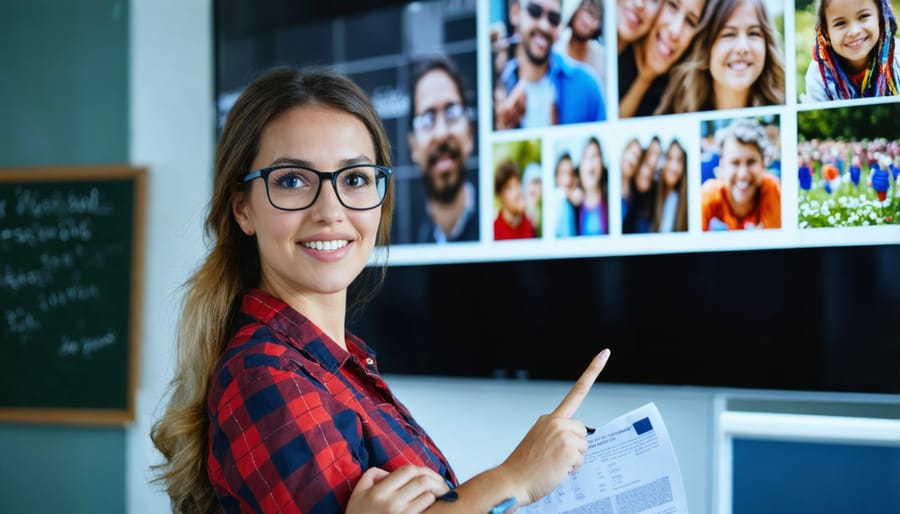
Integrating cultural elements into daily lessons goes beyond occasional cultural celebrations or heritage months. Effective culturally responsive curriculum integration requires thoughtful planning and consistent implementation across all subject areas.
Start by incorporating diverse perspectives into your existing lesson plans. For example, when teaching mathematics, include word problems that reflect different cultural contexts and real-world scenarios familiar to your students. In literature classes, select texts from various cultural traditions and authors who represent different backgrounds and experiences.
Use student experiences as learning opportunities by encouraging them to share their cultural knowledge during discussions. This might involve asking students to explain how their families solve similar problems or approach certain situations differently. Create opportunities for students to connect curriculum content to their personal lives and cultural backgrounds.
Include multimedia resources that showcase diverse voices and perspectives. Use videos, music, art, and digital content that represent various cultural traditions and viewpoints. Consider implementing project-based learning activities that allow students to explore and present aspects of their own cultural heritage while learning core academic concepts.
Remember to regularly assess and adjust your teaching materials to ensure they remain relevant and representative of your classroom’s diversity. Encourage feedback from students and families about the cultural content and make adjustments as needed to maintain an inclusive learning environment.
Assessment and Feedback in a Culturally Responsive Classroom
Assessment and feedback are crucial components of the learning process, but they must be designed with cultural sensitivity and equity in mind. In a culturally responsive classroom, traditional evaluation methods are enhanced to acknowledge and celebrate diverse ways of demonstrating knowledge and understanding.
Multiple assessment formats allow students to showcase their learning in ways that align with their cultural strengths. This might include oral presentations, visual projects, collaborative work, or written assignments that incorporate cultural perspectives. For example, students might be given the option to present their understanding of a concept through storytelling, a method deeply rooted in many cultural traditions.
When providing feedback, focus on growth-oriented language that validates students’ cultural experiences while supporting their academic progress. Use specific, constructive comments that acknowledge both effort and achievement. Instead of simply marking answers as correct or wrong, engage students in dialogue about their thinking process and reasoning.
Consider implementing these culturally responsive assessment strategies:
– Create rubrics that value diverse perspectives and communication styles
– Incorporate self-assessment and peer feedback opportunities
– Use authentic assessment tasks that connect to real-world situations relevant to students’ lives
– Provide feedback in multiple formats (written, verbal, visual)
– Allow students to demonstrate learning in their preferred language when appropriate
It’s essential to regularly reflect on your assessment practices to ensure they’re free from cultural bias. Ask yourself: Do my assessments allow all students to demonstrate their knowledge effectively? Are the examples and contexts used in assessments relevant to my students’ experiences?
Remember that family involvement in the assessment process can provide valuable insights and support. Share assessment criteria clearly with families and invite their input on how their children best demonstrate learning. This collaborative approach strengthens the home-school connection and ensures that assessment practices truly serve all students in your classroom.
Creating a culturally responsive classroom is an ongoing journey that requires dedication, self-reflection, and continuous learning. By implementing inclusive teaching strategies, fostering open dialogue, and celebrating diversity, educators can create learning environments where every student feels valued and empowered to succeed. Remember that small changes can make a significant impact – whether it’s diversifying your curriculum materials, adjusting your communication style, or redesigning classroom spaces to reflect multiple perspectives. Start with one strategy at a time, observe its impact, and build upon your successes. The rewards of cultivating a culturally responsive classroom extend far beyond academic achievement, nurturing empathy, cultural understanding, and lifelong learning skills that students will carry with them well into the future. Take that first step today toward creating a more inclusive and equitable learning environment for all your students.