What Is Good Health and Wellness in Indian Country (and How Educators Can Support It)?
Focus on concepts and frameworks like the Medicine Wheel’s holistic approach rather than attempting to practice or demonstrate ceremonies.


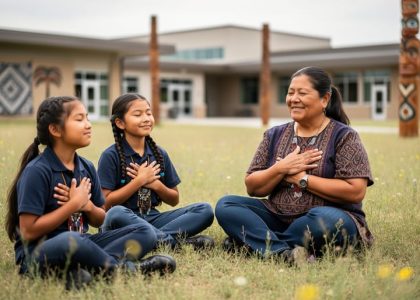
Focus on concepts and frameworks like the Medicine Wheel’s holistic approach rather than attempting to practice or demonstrate ceremonies.
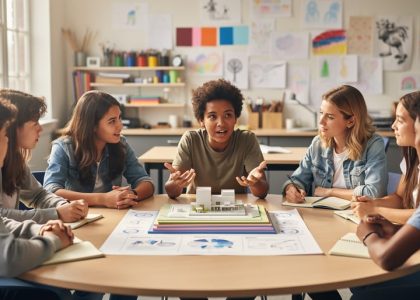
Examine your current grading rubrics for hidden cultural assumptions—are you valuing individual achievement over collaborative learning, penalizing non-standard dialects in verbal assessments, or marking down students whose communication styles differ from dominant cultural norms? These seemingly neutral criteria often systematically disadvantage students from marginalized communities, creating achievement gaps that reflect bias rather than ability.
Replace point deductions with growth-oriented feedback that recognizes each student’s cultural strengths and linguistic assets. When a student demonstrates understanding through …
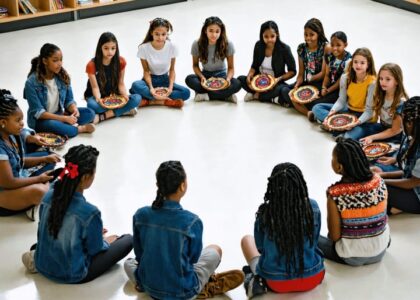
In today’s increasingly interconnected classrooms, fostering empathy stands as a cornerstone of effective education, extending far beyond traditional academic achievement. When students develop genuine empathy, they not only build stronger relationships with peers but also demonstrate improved academic performance and emotional intelligence.
The ability to understand and share the feelings of others transforms classroom dynamics, creating safe spaces where diverse perspectives flourish and meaningful learning takes root. Research consistently shows that empathetic students display enhanced problem-solving abilities, stronger …

The resurgence of Ojibwe language in classrooms across North America represents more than just linguistic preservation – it embodies cultural healing, community empowerment, and educational innovation. As Indigenous language programs gain momentum, educators stand at the forefront of a transformative movement that connects students with their heritage while …