What Is Good Health and Wellness in Indian Country (and How Educators Can Support It)?
Focus on concepts and frameworks like the Medicine Wheel’s holistic approach rather than attempting to practice or demonstrate ceremonies.


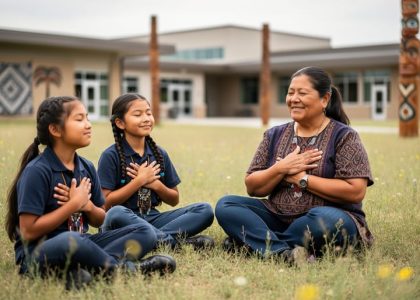
Focus on concepts and frameworks like the Medicine Wheel’s holistic approach rather than attempting to practice or demonstrate ceremonies.
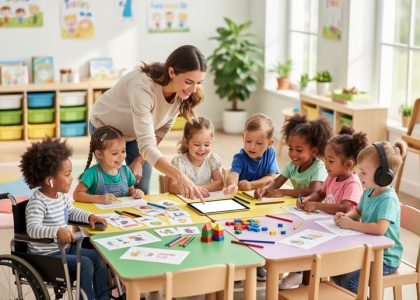
Creating a kindergarten inclusion classroom means designing a learning environment where students with disabilities and typically developing children learn together, using differentiated instruction, collaborative teaching, and assistive technology to ensure every child can access the curriculum and participate meaningfully in classroom activities. This approach benefits all learners, building empathy and social skills while preparing students with diverse needs for academic success from their earliest school years.
The shift toward inclusive practices in kindergarten classrooms reflects a growing understanding that separating …
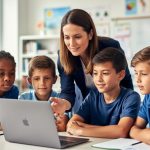

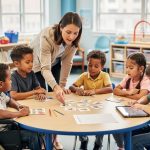
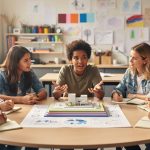
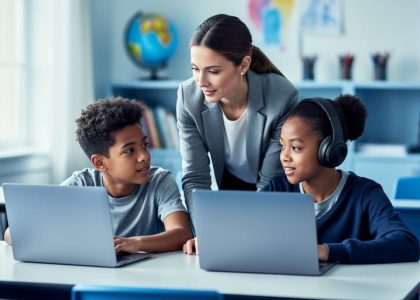
Examine your current AI tools for hidden bias patterns by testing them with diverse student names, cultural references, and learning scenarios before classroom implementation. When an AI writing assistant suggests different feedback quality for “Juan” versus “John,” or when an adaptive math program assumes all students celebrate the same holidays in word problems, you’re witnessing algorithmic bias that can undermine your inclusive classroom goals.
Establish a personal AI evaluation checklist that includes questions about data sources, algorithmic transparency, and customization options. Before adopting…
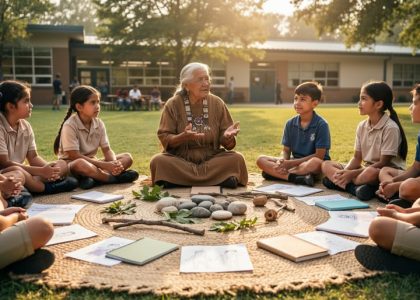
Indigenous evaluation frameworks center Indigenous knowledge systems, worldviews, and community voices in assessing student learning and program effectiveness. Rather than applying Western evaluation methods that may misrepresent Indigenous students’ strengths and growth, these frameworks honor cultural protocols, incorporate Indigenous pedagogies, and recognize learning that occurs beyond standardized metrics.
The stakes are significant. When evaluation approaches ignore cultural context, they risk perpetuating deficit thinking and undervaluing the rich knowledge Indigenous students bring to classrooms. Traditional assessment…