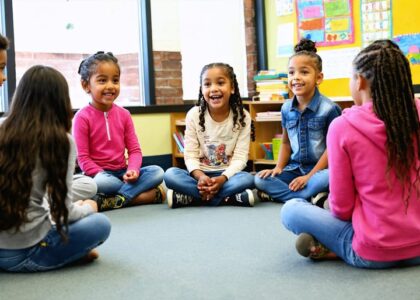
Observe how your students respond to disagreements before applying any conflict resolution framework. A student who appears “avoidant” may actually be demonstrating cultural values of patience and collective harmony, while another’s “competitive” approach might reflect cultural norms that encourage direct advocacy. Document these patterns across different situations to distinguish between individual temperament and cultural communication styles.
Reframe the Thomas-Kilmann conflict resolution styles as a menu of culturally responsive options rather than a hierarchy where collaboration always wins. In collectivist cultures, accommodation often represents strength and relationship preservation, not weakness. Students from high-context communication backgrounds may naturally gravitate toward compromise as a face-saving strategy that honors all parties. When you present these five styles—competing, collaborating, compromising, avoiding, and accommodating—emphasize that effectiveness depends entirely on context, relationship dynamics, and cultural values at play.
Practice the pause before intervening in student conflicts. Those three to five seconds allow you to assess whether cultural differences are influencing the disagreement and which resolution style might resonate with each student involved. A collaborative approach requiring direct verbal negotiation may overwhelm students whose cultures emphasize indirect communication, while structured compromise with clear steps can provide scaffolding for those learning new conflict patterns.
Create visual anchors for each conflict style using scenarios your students recognize from their own lives. Replace generic workplace examples with situations from your classroom, cafeteria, playground, and community. When students see themselves reflected in the teaching materials, they internalize the concepts faster and apply them more naturally. This foundation transforms conflict resolution from an abstract model into a practical toolkit that respects every student’s cultural background while building essential social-emotional skills for our increasingly diverse world.
The Cultural Dimensions That Shape How Students Handle Conflict
Understanding cultural dimensions is essential for helping every student navigate conflict successfully in your classroom. When you recognize that students bring diverse cultural frameworks to conflict situations, you can better support them in finding resolution strategies that honor their backgrounds while building new skills.
One of the most significant cultural factors is the individualism-collectivism spectrum. Students from individualistic cultures may view conflict as a personal matter between two individuals, feeling comfortable advocating directly for their own needs. In contrast, students from collectivistic backgrounds often consider how conflict affects the entire group, prioritizing harmony and group cohesion over individual preferences. This difference explains why some students readily speak up during disagreements while others seem reluctant to engage, even when they’re directly involved.
Power distance, another crucial dimension, shapes how students respond to authority figures and peers in conflict situations. In cultures with high power distance, students may expect you to intervene and provide clear direction rather than facilitating peer-to-peer resolution. Students from low power distance backgrounds might feel more comfortable with collaborative problem-solving approaches that treat all parties as equals. Recognizing these expectations helps you adapt your mediation style appropriately.
Communication styles also vary significantly across cultures. Direct communication cultures value explicit, straightforward expression of disagreements, viewing it as honest and efficient. Indirect communication cultures consider contextual cues, nonverbal signals, and subtle language as more respectful ways to address conflict. What appears as avoidance to one student might represent thoughtful consideration to another. Developing empathy in conflict resolution requires understanding these different communication preferences.
Face-saving represents another important concept, particularly in cultures emphasizing dignity and reputation. For many students, public confrontation or admitting fault in front of peers can cause significant distress. These students may benefit from private conversations or mediation approaches that allow everyone to maintain respect and dignity throughout the resolution process.
The good news is that understanding these dimensions doesn’t require you to master every cultural background in your classroom. Instead, approach each conflict situation with cultural humility, recognizing that your own cultural framework influences how you perceive appropriate conflict behavior. By creating space for multiple approaches to conflict resolution, you empower all students to develop skills that work authentically for them.

The Five Conflict Resolution Styles Through a Cultural Lens
Competing (Assertive and Uncooperative)
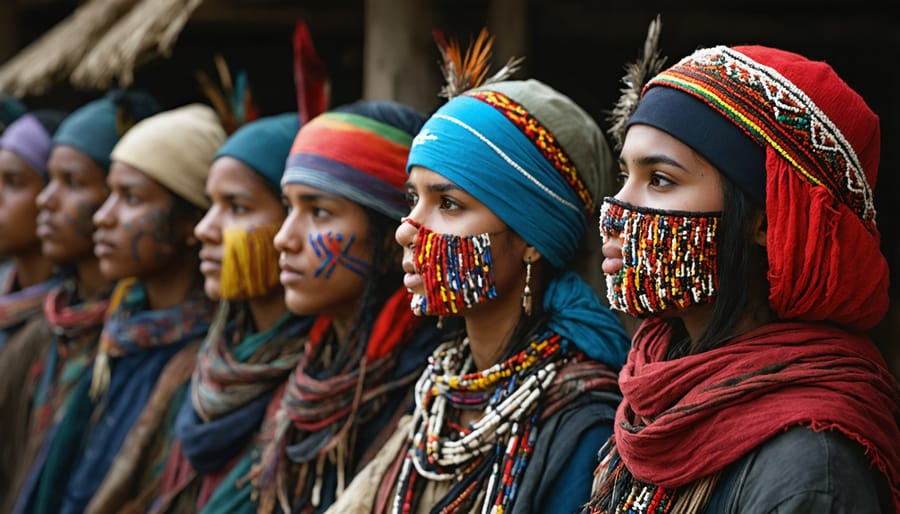
The competing style represents a high-assertiveness, low-cooperation approach where individuals pursue their own concerns at the expense of others. Students using this style aim to win their position through argument, rank, or force of personality. While this approach can be effective in certain situations, its application varies significantly across cultural backgrounds.
In many Western educational contexts, assertiveness and self-advocacy are encouraged as positive traits. Students from these backgrounds may feel comfortable using the competing style during debates, sports competitions, or when defending their beliefs. However, students from cultures that prioritize group harmony and respect for authority might view open competition, especially with peers or adults, as disrespectful or socially inappropriate.
Cultural attitudes toward authority greatly influence this style’s use. Students raised in hierarchical cultures may only employ competing behaviors with peers of equal status, never with teachers or elders. Conversely, students from more egalitarian backgrounds might challenge authority figures directly when they believe they’re right.
The concept of winning itself carries different cultural meanings. Some cultures view direct competition as healthy and character-building, while others see it as potentially damaging to relationships and community cohesion. You might notice certain students consistently avoiding competitive situations not from lack of confidence, but from cultural training that values collective success over individual victory.
Understanding these cultural variations helps you recognize when a student’s reluctance to compete stems from cultural values rather than passive behavior. It also allows you to create safe spaces where students can practice assertiveness in culturally appropriate ways, preparing them to navigate diverse social contexts while honoring their cultural identities.
Accommodating (Unassertive and Cooperative)
The accommodating style involves putting others’ needs before your own to maintain harmony and relationships. In your classroom, you’ll notice that students from collectivist cultural backgrounds—including many Asian, Latin American, Middle Eastern, and Indigenous communities—may naturally gravitate toward this approach. For these students, accommodating reflects deeply held values about community, respect for authority, and relational harmony rather than weakness or passive behavior.
When a student consistently defers to classmates during group projects or readily accepts outcomes they might personally disagree with, they may be demonstrating culturally appropriate accommodating behavior. This style helps maintain group cohesion and shows respect for others’ perspectives, which many cultures prioritize over individual preference. Students raised to honor hierarchical relationships often accommodate authority figures as an expression of respect, not submission.
However, it’s important to recognize when accommodating becomes harmful. Students who always suppress their needs may struggle academically, experience stress, or feel invisible in classroom dynamics. The key is helping students understand when accommodating serves their goals and relationships versus when it prevents them from advocating for their legitimate needs.
You can support healthy accommodating behavior by creating safe spaces where students can practice both flexibility and self-advocacy. Acknowledge and validate accommodating as a valuable skill while also teaching students to recognize their own boundaries. During class discussions, invite quieter students to share perspectives without putting them on the spot. Consider using anonymous feedback tools or small group discussions where accommodating students may feel more comfortable expressing themselves.
Help students develop cultural fluency by discussing how different situations call for different approaches—sometimes accommodating strengthens relationships, while other times speaking up demonstrates respect for everyone’s learning needs.
Avoiding (Unassertive and Uncooperative)
The avoiding style involves stepping back from conflict situations, choosing not to address disagreements immediately or at all. In the Thomas-Kilmann model, this approach reflects low assertiveness and low cooperation, but understanding the cultural context of avoiding is essential for educators working with diverse student populations.
In many cultures, particularly those with collectivist values, avoiding conflict is not only acceptable but often preferred as an initial response. Students from Asian, Indigenous, or other community-oriented backgrounds may view direct confrontation as disrespectful or harmful to group harmony. For these students, what might appear as withdrawal is actually a culturally appropriate way of preserving relationships while allowing time for emotions to settle.
Healthy conflict avoidance serves important purposes in your classroom. It gives students processing time when they feel overwhelmed, prevents escalation when emotions run high, and allows space for reflection before addressing sensitive issues. A student who steps away from a heated discussion to cool down is demonstrating self-regulation, not weakness.
However, problematic disengagement looks different. When students consistently avoid addressing recurring issues, miss opportunities to advocate for their needs, or allow resentment to build silently, the avoiding style becomes counterproductive. The key distinction lies in intention and outcome.
As an educator, you can honor cultural preferences for avoiding while building skills for when direct engagement becomes necessary. Create classroom norms that validate taking space as a legitimate response. Offer multiple channels for addressing conflicts, including written reflection, peer mediation, or private conversations. Help students recognize when temporary avoidance serves them well and when persistent avoidance prevents growth and resolution. This balanced approach respects cultural diversity while equipping all students with flexible conflict navigation skills.
Collaborating (Assertive and Cooperative)
The collaborating style represents the ideal many educators strive for—where both parties work together to find solutions that fully satisfy everyone’s needs. This approach combines high assertiveness with high cooperation, creating opportunities for creative problem-solving and relationship building. However, it’s important to recognize that collaboration doesn’t look the same across all cultural contexts.
In many classroom settings, students from cultures with high power distance may feel uncomfortable challenging authority figures or asserting their preferences equally with teachers or peers. What appears as reluctance to collaborate might actually be a sign of respect in their cultural framework. Similarly, students from collectivist backgrounds might prioritize group harmony over individual needs, making it challenging to voice personal concerns even in supposedly collaborative spaces.
To make collaboration culturally accessible, start by explicitly teaching what collaboration means in your classroom while honoring different communication styles. Some students may need written reflection time before verbal discussion, while others thrive in immediate dialogue. Consider using anonymous suggestion tools or small-group discussions before whole-class problem-solving to give everyone entry points.
When facilitating collaborative conflict resolution, acknowledge power dynamics openly. Phrases like “I want to hear what works best for you” or “Your perspective is valuable here” help level the playing field. Connect these practices to culturally responsive teaching by recognizing that true collaboration requires adapting your approach to your students’ cultural realities.
Remember, successful collaboration takes time to build. Celebrate small steps toward shared problem-solving, and be patient as students develop comfort with this style.
Compromising (Moderate Assertiveness and Cooperation)
The compromising style represents a middle ground where both parties give up something to reach a mutually acceptable solution. In your classroom, this might look like two students splitting recess time with a popular ball or agreeing to alternate leadership roles in group projects.
However, what seems like a fair compromise in one cultural context may feel quite different in another. In many Western educational settings, splitting the difference is often viewed as practical and efficient. The focus tends to be on equality and moving forward quickly. Yet in cultures with strong collectivist values, compromise may be seen through a different lens entirely. The emphasis might be less on equal division and more on maintaining harmony and preserving relationships for the long term.
Face-saving plays a significant role in how compromise is perceived across cultures. For students from backgrounds where preserving dignity and avoiding public embarrassment are paramount, a compromise that requires them to publicly concede points may feel deeply uncomfortable, even if the outcome seems fair on paper. These students might prefer solutions that allow both parties to maintain their standing within the peer group.
Consider how fairness itself is culturally interpreted. While one student might view an equal split as just, another may believe fairness means considering individual needs, circumstances, or even age and status. A student from a culture that values hierarchy might expect older students or those with more experience to receive preference in the compromise.
To support all learners effectively, help students articulate what fairness means to them before pushing toward compromise. Use reflection questions that invite diverse perspectives and create space for solutions that honor different cultural approaches to finding middle ground.
Reading the Room: Recognizing Cultural Cues in Student Conflicts
Before you can effectively resolve conflicts between students, you need to accurately interpret what’s happening beneath the surface. Cultural backgrounds significantly influence how students express disagreement, discomfort, or frustration, and misreading these cues can derail even the best-intentioned interventions.
Start by observing body language with cultural context in mind. While direct eye contact signals respect and honesty in many Western cultures, students from some Asian, Latino, or Indigenous backgrounds may avoid eye contact with authority figures as a sign of deference. A student looking down during a conflict conversation isn’t necessarily being defiant or dishonest—they may be showing respect. Similarly, physical proximity varies by culture. Some students naturally stand closer during conversations, while others require more personal space.
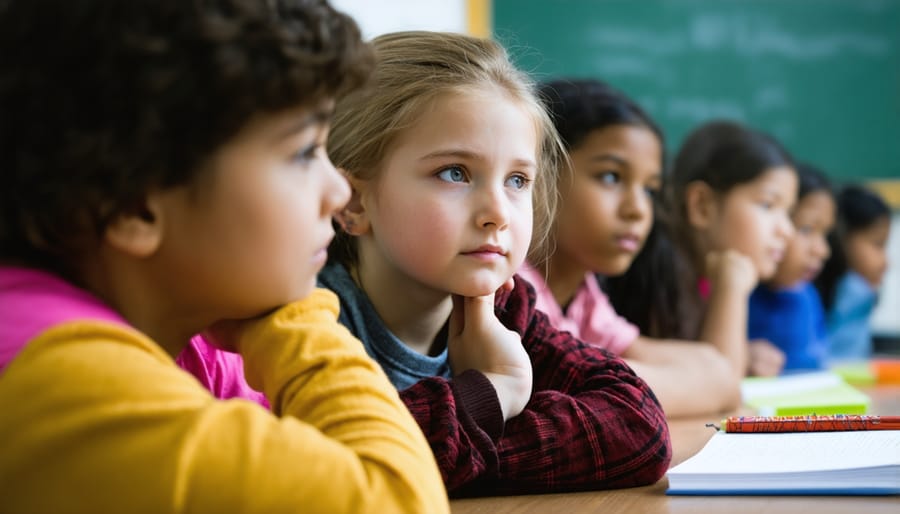
Pay special attention to silence. When you ask a student what happened, a long pause doesn’t always mean they’re being uncooperative. In many cultures, silence represents thoughtfulness and careful consideration before speaking. Students may also remain quiet to avoid causing someone else to lose face or to protect group harmony. Give students adequate processing time before assuming they’re refusing to engage.
Recognize indirect communication patterns. Some students won’t directly say “no” or openly contradict a peer, even when they disagree. Listen for subtle cues, hedging language, or stories that illustrate their perspective without direct confrontation. These students aren’t being evasive—they’re using communication styles valued in their homes and communities.
Consider when family or community involvement would be appropriate. Implementing inclusive classroom strategies means recognizing that some families expect to participate in resolving significant conflicts. What seems like a simple peer disagreement to you might warrant family conversation in another culture.
Document patterns you notice across different situations and students. This ongoing observation helps you distinguish individual personality from cultural communication styles, making you more effective at reading the room and responding appropriately when tensions arise.
Practical Strategies for Culturally Responsive Conflict Resolution in Your Classroom
Ready to put theory into practice? Here are five strategies you can start using today to make conflict resolution more culturally responsive in your classroom.
Start by co-creating inclusive conflict norms with your students. Rather than imposing a single approach, invite learners to share how conflicts are handled in their homes and communities. You might discover that some students come from backgrounds where direct confrontation shows respect, while others view it as disrespectful. Use these insights to develop classroom agreements that honor multiple approaches. For example, establish that students can choose whether to resolve conflicts through direct conversation, written communication, or with a peer mediator present. This validates different comfort levels and communication styles.
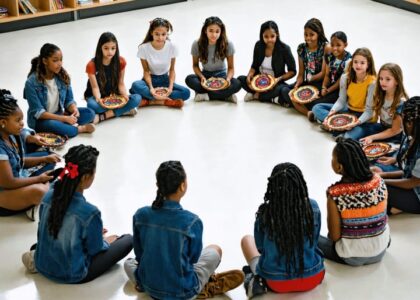
Next, offer multiple resolution pathways. Not every student will feel comfortable with face-to-face discussions. Provide options like conflict resolution journals where students can write their perspectives, talking circles that emphasize community input, or one-on-one check-ins with you. Some students may need time to process before responding, which isn’t avoidance but rather a thoughtful approach valued in many cultures. Building a culturally responsive classroom means recognizing that different paths can lead to successful resolution.
Consider involving cultural mediators when appropriate. This might mean inviting family members to participate in conflict conversations, particularly when cultural context is crucial to understanding the situation. Some schools successfully partner with community liaisons who understand both the school culture and students’ home cultures, helping bridge potential gaps in communication styles.
Teach across all five conflict styles explicitly. Help students understand that competing, collaborating, compromising, avoiding, and accommodating each have value in different contexts. Use role-play scenarios that show when each style might be culturally appropriate or effective. Encourage students to expand their conflict resolution toolkit rather than relying on just one approach.
Finally, commit to ongoing self-reflection. Regularly examine your own cultural assumptions about conflict. Do you unconsciously favor students who resolve conflicts the way you would? Are you misinterpreting cultural communication styles as problematic behavior? Consider keeping a reflection journal or partnering with a colleague for mutual observation and feedback. Remember, becoming culturally responsive is a journey, not a destination, and your willingness to learn alongside your students creates powerful modeling for growth and understanding.
Building Student Capacity: Teaching Conflict Resolution Across Cultures
When students understand that different approaches to conflict are equally valid, they become more effective communicators and problem-solvers. Teaching conflict resolution explicitly gives them tools to navigate disagreements both inside and outside the classroom.
Start by introducing the five conflict styles through relatable scenarios. Create story cards featuring conflicts common to your students’ age group, then discuss which style each character uses and why that choice might make sense. For younger students, use picture books that show characters resolving problems in different ways. Older students can analyze video clips or role-play situations where various approaches lead to positive outcomes.
Make cultural perspectives visible through guided discussions. Ask questions like: “Have you noticed different ways families handle disagreements?” or “When might it be better to compromise versus competing for what you want?” These conversations help students recognize that context matters. Share examples from various cultural traditions where certain conflict styles are particularly valued, helping students see their own family patterns reflected positively.
Interactive activities deepen understanding. Try the “Conflict Style Shuffle” where students move to different corners of the room representing each style, discussing when they’ve used that approach successfully. Create a classroom conflict resolution menu that lists all five styles with simple descriptions, encouraging students to consciously choose their approach based on the situation rather than defaulting to one pattern.
Connect this work to broader social-emotional learning strategies already happening in your classroom. Display anchor charts showing the five styles with student-generated examples of when each works best. Celebrate moments when students try new approaches, especially if they step outside their comfort zone to use a style that doesn’t come naturally.
Consider establishing peer coaching partnerships where students support each other in practicing different styles. This builds a classroom community that values flexibility, cultural awareness, and mutual respect in resolving conflicts.

As you move forward in implementing culturally sensitive conflict resolution in your classroom, remember that this journey is transformative not just for your students, but for you as an educator as well. The cultural differences that once seemed like barriers to effective conflict resolution can become your greatest teaching assets. When students see their cultural backgrounds acknowledged and valued in how conflicts are addressed, they develop deeper self-awareness, stronger peer relationships, and essential skills for navigating our interconnected world.
You don’t need to overhaul your entire approach overnight. Start with one small change: perhaps noticing how a student from a collectivist background responds to group conflicts, or adjusting your language when coaching a student who views directness differently than you do. These small observations and adjustments compound into meaningful transformation over time.
The path forward is one you don’t have to walk alone. Our platform offers interactive tools designed specifically to help you assess conflict situations through multiple cultural lenses and practice responses before real-world application. These resources allow you to experiment, reflect, and build confidence at your own pace.
We also encourage you to connect with fellow educators through our community forums, where teachers from diverse schools share their successes, challenges, and creative solutions. Learning from colleagues who understand the complexity of today’s classrooms provides invaluable support and fresh perspectives.
Your commitment to culturally responsive conflict resolution creates ripples far beyond individual conflicts. You’re equipping students with skills they’ll carry into every relationship and community they enter. That’s the transformative power of seeing diversity as strength.