In today’s increasingly interconnected classrooms, fostering empathy stands as a cornerstone of effective education, extending far beyond traditional academic achievement. When students develop genuine empathy, they not only build stronger relationships with peers but also demonstrate improved academic performance and emotional intelligence.
The ability to understand and share the feelings of others transforms classroom dynamics, creating safe spaces where diverse perspectives flourish and meaningful learning takes root. Research consistently shows that empathetic students display enhanced problem-solving abilities, stronger leadership skills, and greater success in collaborative projects – essential competencies for both academic excellence and future career success.
Educators hold a unique position to cultivate this vital skill through intentional practice and structured activities. By weaving empathy-building exercises into daily lessons, teachers can create powerful learning experiences that resonate across cultural boundaries and personal differences. These moments of connection don’t just benefit individual students; they ripple outward to strengthen entire school communities, preparing young people to become thoughtful, engaged citizens in our diverse global society.
As we explore practical strategies for fostering empathy in educational settings, remember that this work isn’t just about teaching another skill – it’s about nurturing the human capacity for understanding, compassion, and meaningful connection. Through dedicated focus on empathy development, educators can help shape a generation of students who not only excel academically but also contribute positively to their communities and the world at large.
Creating a Foundation for Cultural Understanding
Safe Space Foundations
Creating an inclusive classroom environment begins with establishing clear expectations and shared values. Start by collaboratively developing classroom agreements that emphasize respect, active listening, and celebrating differences. These foundational elements create a safe space where students feel comfortable expressing themselves and engaging with diverse perspectives.
Arrange your classroom setup to promote interaction and dialogue. Consider flexible seating arrangements that allow for both individual reflection and group discussions. Display diverse cultural representations through artwork, literature, and learning materials that reflect your students’ backgrounds and experiences beyond them.
Establish clear communication protocols that encourage respectful discourse. Teach and model appropriate ways to express disagreement, ask questions, and share personal experiences. Implement regular check-ins to gauge the emotional temperature of your classroom and address any concerns promptly.
Remember that creating a safe space is an ongoing process that requires consistent attention and adjustment. Celebrate small victories when students demonstrate empathy and understanding, and use challenging moments as opportunities for growth and learning.
Building Trust Through Dialogue
Creating a safe space for cultural dialogue begins with establishing clear ground rules and expectations. Encourage students to share their perspectives by modeling active listening and demonstrating genuine curiosity about different viewpoints. Start with low-stakes conversations and gradually build up to more complex cultural discussions as trust develops within the classroom community.
Implement structured dialogue protocols, such as “Think-Pair-Share” or “Circle Discussions,” where each student has dedicated time to speak without interruption. These formats help ensure equal participation and create opportunities for meaningful exchange. Remember to acknowledge and validate students’ contributions while gently redirecting any misconceptions or biases that may arise.
Develop trust by consistently demonstrating respect for all cultural perspectives and maintaining confidentiality when appropriate. Create opportunities for students to connect through shared experiences while celebrating their unique differences. Use “I” statements and encourage students to do the same, helping them take ownership of their thoughts and feelings without generalizing about others.
Regular check-ins and reflection opportunities allow students to process their learning and share how the discussions impact their understanding of different cultures. This ongoing dialogue builds a foundation of trust that supports deeper exploration of cultural empathy.

Interactive Cultural Activities That Work
Story Sharing Circles
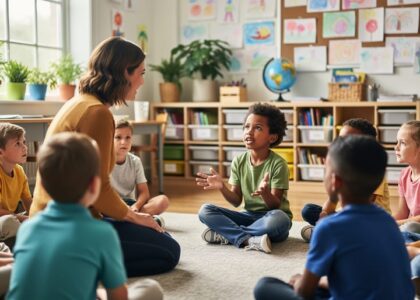
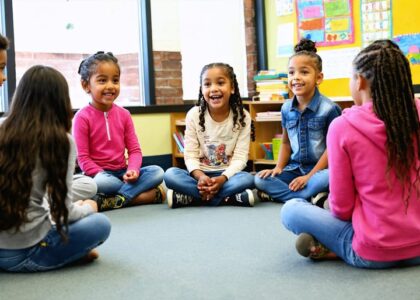
Story sharing circles create a structured, safe environment where students can share personal experiences and cultural traditions while developing active listening skills and emotional awareness. Begin by arranging students in a circle, either seated on chairs or on the floor, ensuring everyone can see each other clearly.
Establish clear guidelines for respectful participation: one person speaks at a time, maintain confidentiality, and practice non-judgmental listening. Start with simple prompts that students can easily relate to, such as “Share a family tradition that makes you happy” or “Tell us about a time when you felt proud of your heritage.”
To deepen engagement, incorporate themed sharing sessions that align with cultural celebrations, historical events, or current social issues. Use talking pieces – special objects passed around the circle – to designate speaking turns and add cultural significance to the activity.
Encourage reflection after each session by having students journal about what they learned from their peers’ stories. This helps reinforce the connections made and promotes deeper understanding of different perspectives.
For younger students, incorporate visual aids or objects that represent their stories. Older students can explore more complex themes like cultural identity, immigration experiences, or family histories. Remember to model vulnerability and openness by occasionally sharing your own cultural experiences, creating a more authentic learning environment.
Cultural Exchange Projects
Cultural exchange projects offer powerful opportunities for students to develop genuine empathy through direct interaction with diverse perspectives and traditions. These collaborative activities create meaningful connections while celebrating the unique contributions of different cultures within your school community.
Start with a “Cultural Heritage Showcase” where students share family traditions, foods, and stories through interactive presentations. This can evolve into a school-wide multicultural fair, allowing families to participate and deepen community engagement. Consider implementing “Sister Classroom” partnerships, either within your school between different grade levels or with classrooms in other countries through video conferencing.
Digital storytelling projects enable students to create multimedia presentations about their cultural backgrounds or research cultures different from their own. These stories can be shared in a dedicated online gallery or during school assemblies. Collaborative art projects, such as community murals or quilt-making, provide visual representations of cultural diversity while fostering teamwork.
Create a “Culture Corner” in your classroom where students take turns curating displays about different traditions, holidays, and customs. This rotating exhibit keeps cultural awareness active throughout the year. Encourage ongoing dialogue through “Culture Circles” – small group discussions where students can safely explore cultural similarities and differences.
Remember to approach these projects with sensitivity, ensuring all participants feel respected and valued. Focus on authentic representation and avoid cultural stereotyping. These experiences help students develop lasting appreciation for diversity while building genuine connections across cultural boundaries.

Role-Playing Exercises
Role-playing exercises provide powerful opportunities to build cultural empathy through experiential learning. Start with simple scenario cards that present everyday situations from different perspectives. For example, have students act out what it feels like to be a new student who speaks limited English on their first day of school.
Create “walk in their shoes” exercises where students take on different identities and navigate common challenges. This might involve role-playing a student with a physical disability trying to access various areas of the school, or someone from a different cultural background experiencing unfamiliar customs during lunch time.
Incorporate “freeze frame” moments during role-play where you pause the action and ask participants to express their character’s thoughts and feelings. This reflection helps deepen understanding and emotional connection. Follow up with guided discussions where students can share insights about their experience and connect it to real-world situations.
Keep scenarios age-appropriate and relevant to your students’ experiences. For younger children, use simple situations like sharing playground equipment or including others in games. For older students, explore more complex scenarios involving cultural misunderstandings, peer pressure, or social justice issues.
Always debrief after role-playing exercises to help students process their experiences and connect them to broader empathy-building goals.
Integrating Cultural Empathy Across Subjects

Mathematics and Cultural Context
Mathematics provides a unique opportunity to build cultural empathy by exploring how different societies have developed and used mathematical concepts throughout history. By incorporating diverse mathematical perspectives and problem-solving approaches, educators can help students understand that mathematics is not culturally neutral but rather deeply embedded in human experience and cultural practices.
Consider teaching geometry through the lens of Islamic art and architecture, where complex mathematical patterns reflect cultural and religious values. Introduce students to different counting systems, such as the Maya vigesimal system, to demonstrate how various cultures have developed unique ways of representing numbers. These examples help students appreciate that mathematical thinking transcends cultural boundaries while taking distinct forms within different contexts.
Engage students in projects that connect mathematical concepts to their own cultural backgrounds. For example, ask students to investigate how their families measure ingredients in traditional recipes, or explore the mathematical principles in traditional games and crafts from their heritage. This approach not only validates students’ cultural experiences but also demonstrates the universal nature of mathematical thinking.
Create opportunities for students to share mathematical practices from their communities, fostering peer-to-peer learning and cultural exchange. By highlighting contributions from diverse mathematicians and discussing how different cultures have solved similar problems, teachers can help students develop both mathematical understanding and cultural appreciation.
Social Studies Integration
Social studies classrooms provide an ideal environment for developing cultural empathy through meaningful engagement with diverse perspectives and experiences. Begin by incorporating primary sources that highlight personal narratives from different cultural backgrounds, allowing students to connect emotionally with historical figures and events.
Create simulation activities where students assume roles from various cultural contexts, encouraging them to view historical events through multiple lenses. For example, when studying immigration, have students research and present personal stories from different time periods and cultures, helping them understand the universal human experiences that connect us all.
Implement project-based learning activities that explore current social issues from multiple cultural perspectives. Students can conduct interviews with community members, create documentary-style presentations, or develop cultural exchange programs with partner schools in different regions.
Use map studies and geographic information to help students understand how physical location and environment influence cultural development. This spatial awareness builds appreciation for how different communities adapt and develop unique traditions and practices.
Include regular reflection exercises where students examine their own cultural assumptions and biases. Discussion circles, journal writing, and collaborative projects can help students process their learning and develop deeper cultural understanding.
Partner with local cultural organizations to bring guest speakers into the classroom or organize field trips that provide authentic cultural experiences. These real-world connections make abstract concepts tangible and memorable for students.
Measuring Growth and Success
Measuring the development of empathy requires both qualitative and quantitative approaches to effectively assess cultural understanding and growth. Teachers can implement various assessment strategies to track progress and celebrate achievements in this area.
Observable behavioral changes often provide the most reliable indicators of empathy development. Consider maintaining an observation journal to document instances where students demonstrate cultural awareness, show consideration for others’ perspectives, or take action to support their peers from different backgrounds.
Reflection portfolios allow students to document their journey of empathy development through writing, artwork, or multimedia projects. These portfolios might include responses to cultural exchange activities, personal growth reflections, and evidence of cross-cultural friendships and collaborations.
Rubrics specifically designed to measure empathy can track progress in key areas:
– Active listening and engagement with diverse perspectives
– Recognition and appreciation of cultural differences
– Ability to identify and challenge cultural stereotypes
– Demonstration of inclusive behaviors
– Application of cultural knowledge in daily interactions
Regular student surveys and self-assessments help gauge emotional growth and cultural awareness. These tools should focus on measuring both cognitive empathy (understanding others’ perspectives) and emotional empathy (feeling with others).
Success indicators might include:
– Increased participation in multicultural activities
– More frequent cross-cultural peer interactions
– Improved conflict resolution skills
– Greater awareness of global issues
– Enhanced classroom community cohesion
Remember that empathy development is a continuous journey rather than a destination. Celebrate small victories and acknowledge progress while maintaining high expectations for ongoing growth.
As we’ve explored throughout this guide, fostering empathy in our classrooms is not just an educational goal—it’s an essential life skill that will serve our students well beyond their school years. By implementing the strategies and activities we’ve discussed, you can create a more inclusive, understanding, and compassionate learning environment that benefits all students.
Remember that developing empathy is an ongoing journey, not a destination. Start small by incorporating one or two activities into your weekly routine, then gradually expand your approach as you and your students become more comfortable with these practices. Pay attention to how your students respond and be prepared to adjust your methods to better suit their needs and learning styles.
The success of empathy-building initiatives often lies in consistency and authentic engagement. Make sure to model empathetic behavior yourself and celebrate moments when students demonstrate understanding and compassion toward others. Consider creating opportunities for peer-to-peer mentoring and cross-grade activities that allow students to practice these skills in real-world situations.
As you move forward, stay connected with fellow educators who are also working to foster empathy in their classrooms. Share your experiences, challenges, and successes through professional learning communities and collaborative projects. Together, we can create a more empathetic generation of learners who will positively impact their communities and the world.
Your efforts in cultivating empathy today will help shape more understanding, inclusive, and compassionate citizens of tomorrow.