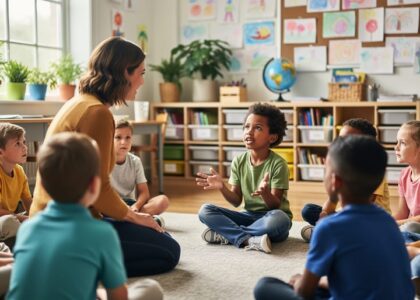
Imagine gathering your students in a circle, their eyes wide with anticipation as you share stories that have been passed down through generations. Oral storytelling, one of humanity’s oldest teaching tools, remains a powerful catalyst for creating a culturally responsive classroom environment. Beyond mere entertainment, these living narratives serve as bridges between cultures, connecting students to diverse perspectives while strengthening their listening, speaking, and critical thinking skills.
For centuries, communities worldwide have preserved their histories, values, and traditions through spoken word, creating a rich tapestry of human experience that transcends written text. Today’s educators are rediscovering this ancient practice as a dynamic teaching strategy that engages students on multiple levels – emotional, cultural, and intellectual. By incorporating oral storytelling into daily lessons, teachers unlock a treasure trove of opportunities for authentic learning experiences that celebrate diversity while building essential communication skills.
In our increasingly digital world, the intimate connection formed through face-to-face storytelling offers something screens cannot replicate: a genuine human connection that fosters empathy, understanding, and community within the classroom walls. This time-tested tradition provides a foundation for cultural education that resonates deeply with students of all backgrounds.
The Power of Spoken Stories in Cultural Exchange
Building Cultural Competency Through Stories
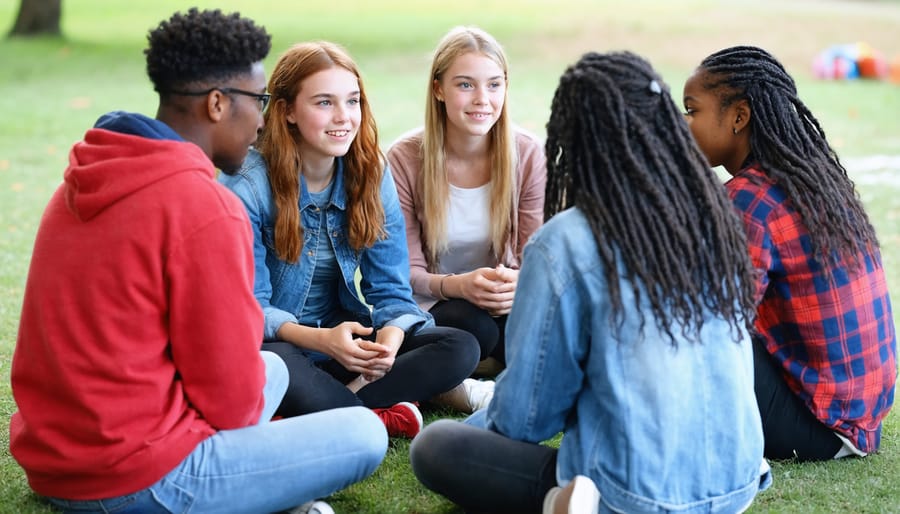
Oral storytelling serves as a powerful bridge to cultural understanding in the classroom, creating meaningful connections between students from diverse backgrounds. When students share and listen to stories from different cultural traditions, it naturally promotes empathy and breaks down cultural barriers. Through personal narratives and traditional tales, students gain authentic insights into various cultural perspectives, beliefs, and values.
Teachers can encourage students to share family stories, community traditions, and cultural celebrations, creating a safe space where every voice is valued. This exchange of narratives helps students recognize both the uniqueness of different cultures and the universal themes that connect us all. As students become storytellers themselves, they develop confidence in their cultural identity while learning to appreciate and respect others’ experiences.
The interactive nature of oral storytelling makes cultural learning more engaging and memorable than traditional textbook approaches. When students hear stories directly from classmates or community members, they develop a deeper, more personal understanding of different cultural perspectives, leading to increased cultural sensitivity and reduced stereotyping.
Traditional Stories as Windows to Cultural Values
Traditional stories serve as powerful windows into the heart of cultural values, offering educators unique opportunities to explore diverse worldviews with their students. These narratives contain layers of meaning that reveal community beliefs, social norms, and moral teachings that have been preserved and passed down through generations.
When examining traditional tales, we often find universal themes expressed through culturally specific symbols and metaphors. For example, many cultures have stories about respect for elders, but how this value is portrayed varies significantly across different communities. Native American stories might emphasize the wisdom of tribal elders through animal characters, while Asian folktales might demonstrate filial piety through family relationships.
These stories also help students understand how different cultures approach problem-solving, view relationships, and interpret the natural world. By sharing and discussing these narratives, teachers can help students recognize both the uniqueness of each culture and the common threads that connect humanity. This understanding becomes particularly valuable in today’s diverse classrooms, where students from various backgrounds can share their own family stories and cultural perspectives.
Remember that each story carries with it not just entertainment value, but also important cultural knowledge that can enhance cross-cultural understanding and respect.
Implementing Oral Storytelling in Your Classroom
Creating Safe Spaces for Story Sharing
Creating a supportive environment for sharing cultural stories begins with creating safe spaces where students feel valued and respected. Start by establishing clear ground rules that emphasize mutual respect, active listening, and the celebration of diverse perspectives. Encourage students to share their family stories by first modeling vulnerability and openness through your own storytelling experiences.
Arrange your classroom space to facilitate comfortable sharing – consider creating a designated storytelling corner with cushions or arranging seats in a circle to promote eye contact and equal participation. This physical setup helps break down hierarchical barriers and encourages more natural conversation flow.
Set positive expectations by explicitly stating that all cultural perspectives are welcome and valuable. Address potential concerns about language differences by allowing students to share stories in their preferred language, with translation support when needed. Implement a “story signal” or special ritual that indicates when storytelling time begins, helping students transition into a more reflective and receptive mindset.
Remember to be sensitive to students who might be hesitant to share personal stories. Offer alternative sharing methods, such as writing stories down first or sharing in smaller groups. Create opportunities for students to practice storytelling skills in low-pressure situations before sharing with the larger group.
Monitor group dynamics carefully and intervene promptly if any disrespectful behavior occurs. Celebrate diverse storytelling styles and cultural variations in narrative structure, helping students understand that there’s no single “correct” way to share stories.

Story Circles and Interactive Activities
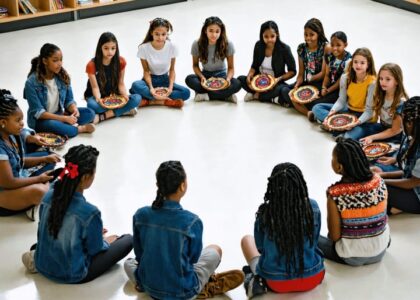
Story circles create an inclusive and supportive environment where students can develop their storytelling skills while building community connections. Start by arranging students in a circle, which symbolizes equality and continuous flow of stories. Begin with simple prompts like “Share a time when you felt proud” or “Tell us about a family tradition.”
To make story circles more engaging, incorporate these interactive activities:
Pass the Story Stone: Students hold a special stone or object while telling their story, then pass it to the next person. This tangible element helps manage turn-taking and creates a sense of ceremony.
Chain Stories: One student begins a tale with a single sentence, and each subsequent student adds to it. This collaborative approach builds listening skills and creativity while maintaining narrative flow.
Story Maps: Before sharing, have students sketch simple visual maps of their stories, including key elements like characters, setting, and major events. This helps organize thoughts and supports visual learners.
Echo Stories: The group repeats key phrases or sound effects during the storytelling, creating a participatory experience that maintains engagement and builds confidence.
Movement Integration: Encourage students to include simple gestures or movements that others can mirror, making the storytelling experience more dynamic and memorable.
Remember to establish clear guidelines for respectful listening and positive feedback. Create a “storyteller’s toolbox” with prompts, pictures, and objects that can inspire new stories and support hesitant participants.
Digital Tools for Modern Storytelling
In today’s digital age, educators have exciting opportunities to blend traditional oral storytelling with modern technology. Digital tools for learning can enhance storytelling experiences while maintaining the essence of oral traditions.
Audio recording apps allow students to capture and preserve stories from their families and communities, creating lasting digital archives. Video conferencing platforms enable virtual storytelling sessions with elders or cultural bearers from different parts of the world, bringing diverse perspectives into the classroom. Interactive storytelling apps let students create branching narratives, combining traditional storytelling elements with digital creativity.
Digital storyboards and animation tools help students visualize and share traditional tales in new ways, making them more engaging for tech-savvy learners. Social media platforms can serve as modern gathering spaces where students share their stories with wider audiences, fostering cross-cultural understanding and appreciation.
Remember that technology should complement, not replace, the human connection that makes oral storytelling powerful. Use digital tools thoughtfully to enhance storytelling experiences while preserving the immediacy and emotional resonance of face-to-face narration. This balanced approach helps students develop both digital literacy and traditional storytelling skills, preparing them for meaningful cultural expression in our interconnected world.

Assessment and Student Growth
Measuring Cultural Competency
Measuring student growth in cultural competency through oral storytelling requires thoughtful assessment strategies that go beyond traditional testing methods. A comprehensive evaluation approach should include both qualitative and quantitative measures to capture the full scope of student learning and cultural understanding.
Consider using a multi-tiered assessment rubric that evaluates students across key dimensions:
– Cultural awareness and sensitivity
– Story comprehension and interpretation
– Active listening skills
– Respectful engagement with diverse perspectives
– Connection-making between cultures
Teachers can implement various assessment tools, including:
– Student reflection journals documenting their learning journey
– Peer evaluation forms for storytelling sessions
– Cultural perspective-taking exercises
– Story retelling activities with cultural context
– Group discussion participation rubrics
Observable behaviors that indicate growing cultural competency include:
– Increased use of culturally appropriate language
– Demonstrated respect for cultural protocols
– Enhanced ability to identify cultural elements in stories
– Improved cross-cultural communication skills
– Greater empathy and understanding of different worldviews
Regular check-ins and progress monitoring help track student development over time. Consider creating digital portfolios where students can collect evidence of their cultural learning through recorded storytelling sessions, written reflections, and collaborative projects.
Remember that cultural competency development is ongoing and highly personal. Assessment should focus on individual growth rather than comparative measurements, celebrating progress while acknowledging that cultural understanding is a lifelong journey.
Student Reflection and Feedback
Gathering student feedback on storytelling activities is essential for creating an inclusive and engaging learning environment. Start by implementing simple reflection tools like exit tickets, where students can share their thoughts about the storytelling experience immediately after the activity. Consider using both written and verbal feedback methods to accommodate different communication preferences.
Create a safe space for students to express their feelings about sharing personal or cultural stories. Some students might feel vulnerable, while others may be excited to share their family traditions. Use structured reflection prompts such as “What did you learn about yourself through this story?” or “How did hearing others’ stories change your perspective?”
Consider implementing regular check-ins through student journals, where learners can document their storytelling journey and personal growth. Digital tools like online surveys or discussion boards can also provide valuable insights while giving quieter students a platform to share their thoughts.
Encourage peer feedback sessions where students can discuss what they enjoyed about each other’s stories and what they learned. This builds community while developing critical listening skills. Track student engagement patterns and adjust your approach based on their responses.
Remember to validate all feedback and use it constructively to enhance future storytelling activities. When students see their input making a difference, they become more invested in the learning process and more willing to participate actively in future storytelling sessions.
Incorporating oral storytelling traditions into your classroom offers numerous benefits that extend far beyond simple entertainment. By embracing this timeless practice, you create an inclusive environment that validates diverse cultural experiences, strengthens student engagement, and builds essential communication skills. The power of storytelling lies in its ability to bridge cultural gaps, foster emotional connections, and make learning more memorable and meaningful for all students.
As you begin implementing oral storytelling in your classroom, remember that every step forward, no matter how small, contributes to preserving cultural heritage and enriching your students’ educational experience. Start with simple activities, build upon successful moments, and don’t hesitate to learn alongside your students. The authenticity of your approach will resonate more deeply than perfect execution.
Consider joining or creating a community of practice with fellow educators to share experiences, resources, and success stories. Together, we can ensure that oral storytelling traditions continue to thrive in our schools, creating lasting impacts on student learning and cultural understanding. Your role in this journey is vital – embrace it with confidence, knowing that you’re helping to preserve and celebrate the diverse voices that make our educational community rich and vibrant.