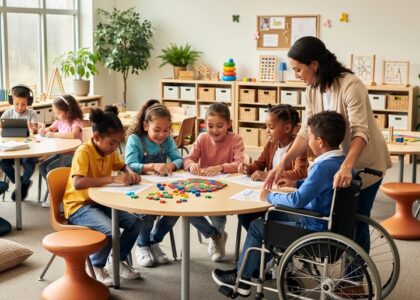
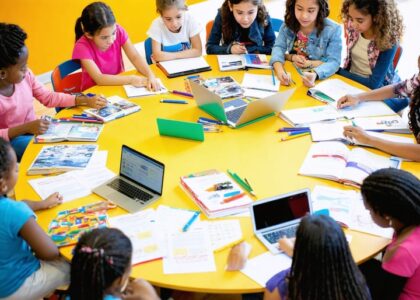
Creating inclusive classrooms transforms educational experiences for all students, not just those with special needs. Proven special education inclusion strategies demonstrate that when diverse learners collaborate, everyone benefits from enhanced social skills, deeper understanding, and improved academic outcomes.
Today’s educators stand at the forefront of a powerful shift toward truly inclusive education. Research consistently shows that inclusive classrooms boost achievement across all student populations while fostering empathy, reducing stigma, and preparing learners for success in our diverse world. By implementing evidence-based inclusion practices, teachers create learning environments where differences are celebrated as strengths and every student has the opportunity to thrive.
This transformation requires more than just physical integration – it demands thoughtful planning, adaptive teaching methods, and a commitment to meeting each student’s unique needs. As we explore effective inclusion strategies, we’ll focus on practical solutions that work in real classrooms, supported by current research and the experiences of successful educators who’ve created vibrant, inclusive learning communities where all students belong and achieve their full potential.
Understanding Inclusive Education Fundamentals

Benefits of Inclusive Classrooms
Research consistently shows that inclusive classrooms benefit all students, supporting the essential principles of special education. For students with disabilities, inclusive environments foster improved social skills, higher academic achievement, and stronger peer relationships. They gain real-world experience navigating social situations and develop self-advocacy skills that serve them throughout their lives.
General education students also experience significant advantages. They develop greater empathy, leadership skills, and understanding of diverse learning styles. Studies indicate that inclusive classrooms help students become more accepting of differences and better prepared for our diverse society. Academic performance often improves for all students as teachers implement varied instructional strategies and differentiated learning approaches.
Teachers report that inclusive classrooms encourage them to develop more creative teaching methods and better problem-solving skills. These environments promote collaboration between special education and general education teachers, leading to enhanced professional development and more innovative teaching practices. The resulting classroom culture celebrates diversity, promotes mutual respect, and prepares all students for success in an inclusive world.
Common Misconceptions
Several misconceptions about inclusive education persist in our school communities, and it’s important to address these with accurate information. One common myth is that inclusion negatively impacts the academic performance of students without disabilities. Research consistently shows that inclusive practices benefit all students, both academically and socially.
Another misconception is that teachers need specialized credentials to teach in inclusive classrooms. While professional development is valuable, general education teachers already possess many of the skills needed to support diverse learners. The key is adapting existing teaching strategies and collaborating with special education professionals.
Some believe that inclusion is too costly and resource-intensive. However, studies indicate that inclusive education is more cost-effective than maintaining separate educational systems. Additionally, the resources and strategies implemented for students with disabilities often benefit the entire class.
The idea that students with disabilities are better served in separate classrooms is another myth. Evidence shows that most students achieve better outcomes in inclusive settings where they can interact with peers and access the general curriculum with appropriate supports.
Practical Strategies for Classroom Implementation
Universal Design for Learning (UDL)
Universal Design for Learning (UDL) offers a flexible framework that helps teachers create lessons accessible to all students, regardless of their learning differences. By incorporating multiple means of engagement, representation, and action/expression, UDL principles make inclusion natural and effective.
Start by providing various ways for students to access information. This might include offering both visual and auditory presentations of content, using interactive digital tools, and providing text-to-speech options. For example, when teaching a science concept, combine written explanations with videos, hands-on experiments, and visual diagrams.
In terms of engagement, give students choices in how they interact with the material. Some might prefer working independently, while others thrive in group settings. Create flexible learning stations where students can choose their preferred learning method while achieving the same learning objectives.
For assessment and expression, allow multiple ways for students to demonstrate their understanding. A student might create a video presentation, write a report, or build a model – all equally valid ways to show mastery of the content. This approach not only supports students with different learning needs but also encourages creativity and self-expression.
Remember to regularly review and adjust your UDL strategies based on student feedback and performance. The goal is to remove barriers to learning while maintaining high expectations for all students.
Differentiated Instruction Techniques
Successful differentiated instruction in inclusive classrooms requires a flexible approach that accommodates diverse learning needs. Teachers can implement various strategies to ensure all students access the curriculum effectively.
One key technique is offering multiple means of content presentation. This includes using visual aids, audio resources, and hands-on materials to address different learning styles. For example, when teaching a new concept, combine verbal explanation with visual diagrams and tactile activities.
Tiered assignments allow students to work at appropriate challenge levels while focusing on the same core concepts. Create three versions of assignments: one at grade level, one with additional support, and one with enhanced complexity. This ensures students remain engaged while working within their optimal learning zone.
Flexible grouping strategies help facilitate peer learning and support. Mix groups based on readiness, interest, or learning preferences, and adjust them regularly. This approach promotes inclusion while meeting individual needs.
Assessment modifications are essential for accurate evaluation of student progress. Consider allowing oral responses instead of written work, extending time limits, or breaking tasks into smaller segments. Use rubrics that account for individual learning goals while maintaining academic standards.
Technology integration can significantly support differentiation. Digital tools enable students to access content at their own pace and provide multiple ways to demonstrate understanding. Interactive software can automatically adjust difficulty levels based on student performance.
Remember to document successful strategies for each student and regularly adjust approaches based on ongoing assessment data.
Collaborative Teaching Models
Collaborative teaching models form the backbone of successful inclusive classrooms, with co-teaching being one of the most effective approaches. In this model, general education and special education teachers work together to create a seamless learning environment that benefits all students.
The most successful co-teaching partnerships typically employ one or more of these proven strategies:
One Teach, One Assist: While one teacher leads instruction, the other circulates to provide individual support and monitor student understanding. This approach works particularly well when introducing new concepts.
Station Teaching: The class is divided into small groups that rotate through different learning stations, with each teacher managing specific stations. This allows for differentiated instruction and smaller teacher-to-student ratios.
Parallel Teaching: Both teachers present the same material simultaneously to different groups of students, allowing for more individualized attention and varied teaching approaches to meet diverse learning needs.
Team Teaching: Both educators share instruction equally, seamlessly transitioning between roles and building on each other’s strengths. This approach models collaborative learning and problem-solving for students.
For effective implementation, teachers should:
– Establish clear roles and responsibilities
– Schedule regular planning time together
– Maintain open communication about student progress
– Share resources and expertise
– Regularly evaluate and adjust teaching strategies
When both educators approach co-teaching as equal partners, they create a more dynamic and responsive learning environment that supports the success of all students.

Technology and Tools for Inclusion
Assistive Technology Solutions
Modern digital tools for special education have revolutionized inclusive classrooms, making learning more accessible and engaging for all students. Text-to-speech applications help students with reading difficulties access written content independently, while speech-to-text tools support those who struggle with writing. Many of these technologies are already built into common devices, making implementation cost-effective and straightforward.
Interactive whiteboards and tablets enable multi-sensory learning experiences, allowing students to engage with content through touch, sight, and sound. Educational apps can be customized to match individual learning speeds and styles, providing immediate feedback and encouragement. For students with motor skill challenges, adaptive keyboards and specialized mouse devices ensure full participation in computer-based activities.
Communication aids, such as augmentative and alternative communication (AAC) devices, help non-verbal students actively participate in classroom discussions. Many of these tools can be integrated seamlessly into daily lessons, benefiting not just students with special needs but the entire class. Remember that successful implementation requires regular assessment of effectiveness and ongoing adjustments based on student responses and needs.

Digital Accessibility Best Practices
In today’s digital classroom, ensuring all students can access learning materials is crucial for successful inclusion. Start by providing multiple formats of digital content – text, audio, and visual options allow students to engage with materials in ways that best suit their learning needs. When creating digital documents, use heading structures and alt text for images to support screen reader compatibility.
Choose fonts that are easily readable, such as Arial or Verdana, and maintain high contrast between text and background colors. Enable closed captions for videos and provide transcripts for audio content. Consider using digital tools with built-in accessibility features, such as text-to-speech and speech-to-text capabilities.
Remember to test digital content across different devices and platforms to ensure consistent accessibility. Create structured navigation in digital materials with clear labels and organized content. When sharing PDFs, ensure they are properly tagged and searchable. Consider using accessibility checkers to verify your digital content meets universal design standards.
Most importantly, regularly check in with students to ensure digital tools are meeting their needs and make adjustments as necessary. This collaborative approach helps create a truly inclusive digital learning environment.
Building a Supportive Classroom Community
Fostering Peer Support
Creating a supportive peer environment is essential for successful inclusion. Start by implementing structured buddy systems where general education students partner with students who have special needs. These partnerships can rotate regularly, giving all students opportunities to work together and develop meaningful connections.
Facilitate cooperative learning activities that emphasize each student’s strengths. For example, create mixed-ability groups for projects where every member has a distinct role that showcases their talents. This approach helps students recognize and value diverse abilities while building mutual respect.
Organize social skills workshops for all students, teaching empathy, communication, and problem-solving strategies. Role-playing exercises can help students understand different perspectives and practice inclusive behaviors. Consider implementing “friendship circles” during lunch or recess, where students gather to play games and socialize in a structured, supportive environment.
Recognize and celebrate instances of positive peer support publicly. This might include a “kindness corner” in the classroom where students can acknowledge helpful actions from their classmates. Teachers should also model inclusive language and behavior, demonstrating how to respectfully interact with and support all peers.
Address misconceptions and bullying promptly, using these situations as teaching moments to reinforce the importance of acceptance and understanding. Regular class discussions about diversity and inclusion help maintain an open dialogue and foster a culture of mutual support.
Parent and Family Engagement
Engaging parents and families is crucial for successful inclusive education. Regular communication through multiple channels, including digital platforms, newsletters, and face-to-face meetings, helps create a collaborative environment where families feel valued and heard.
Teachers should establish clear communication protocols at the beginning of the year, setting expectations for how and when families can reach out. Consider implementing a weekly update system that shares classroom activities, upcoming events, and student progress. This keeps families informed and involved in their child’s educational journey.
Parent-teacher conferences should be structured to focus on strengths and opportunities, not just challenges. Include students in these conversations when appropriate, allowing them to share their perspectives and goals. Creating opportunities for families to participate in classroom activities, such as guest speaking or volunteer programs, enriches the inclusive environment and brings diverse experiences into the learning space.
Establish a resource sharing system where families can access educational materials, adaptive technologies, and support strategies used in the classroom. This enables consistency between home and school environments. Consider forming a parent support group where families can connect, share experiences, and learn from each other.
Remember that family engagement looks different for each household. Offer flexible meeting times, virtual options, and varied communication methods to accommodate diverse family schedules and preferences. This inclusive approach to family engagement strengthens the support network around each student and enhances educational outcomes.
Creating an inclusive classroom environment is not just a legal requirement or educational trend – it’s a powerful way to enrich the learning experience for all students. Throughout this guide, we’ve explored the fundamental principles of inclusion, practical strategies for implementation, and the vital role of collaboration among educators, support staff, and families.
Remember that successful inclusion is a journey, not a destination. Start with small, manageable changes and gradually build upon your successes. Focus on creating a welcoming atmosphere where differences are celebrated, and every student feels valued. Utilize the various tools and strategies we’ve discussed, from differentiated instruction to assistive technology, adapting them to fit your unique classroom needs.
Your commitment to inclusive education makes a lasting impact on students’ lives, helping them develop empathy, understanding, and appreciation for diversity. Don’t hesitate to reach out to your professional network, seek additional training, or connect with other educators who share your commitment to inclusion.
As you move forward, maintain a growth mindset and celebrate the progress you and your students make together. Your dedication to creating an inclusive learning environment helps build a more equitable and understanding society, one classroom at a time. Remember, every step toward inclusion, no matter how small, is a step in the right direction.