Transform your classroom into a dynamic eco-adventure hub by combining environmental education with hands-on exploration. Eco-adventure learning amplifies student engagement strategies through immersive experiences that connect curriculum standards to real-world environmental challenges. Students become environmental stewards while developing critical thinking skills, scientific literacy, and social responsibility.
This innovative approach bridges the gap between traditional classroom instruction and experiential learning, making abstract concepts tangible through practical application. Whether exploring local ecosystems, conducting citizen science projects, or designing sustainable solutions, eco-adventures create meaningful learning opportunities that resonate across multiple subject areas.
By integrating eco-adventure elements into your teaching practice, you’ll tap into students’ natural curiosity while addressing crucial environmental literacy standards. This methodology not only enhances academic achievement but also cultivates environmental awareness and empowers students to become active participants in creating a sustainable future.
What Makes Eco-Adventure Learning Different?
Real-World Environmental Connection
Eco-adventure transforms abstract environmental concepts into tangible, memorable experiences that students can see, touch, and understand. When students participate in activities like local stream monitoring or forest biodiversity surveys, they witness firsthand how ecosystems function and interact. These hands-on experiences create powerful connections between classroom learning and real-world environmental challenges.
For example, students measuring water quality in a local creek directly apply their chemistry knowledge while understanding watershed health. During nature hikes, botanical identification exercises help students grasp biodiversity concepts they’ve studied in textbooks. Building simple wildlife habitats allows students to understand ecological relationships and animal adaptations in their immediate environment.
These authentic experiences often inspire students to become environmental stewards in their communities. Whether it’s organizing campus cleanup events, starting school gardens, or initiating recycling programs, students begin to see themselves as active participants in environmental conservation rather than passive observers.

Active Learning Through Exploration
Active learning through eco-adventure transforms traditional classroom instruction into dynamic, memorable experiences. The benefits of hands-on learning are particularly evident when students engage directly with nature and environmental concepts. When learners collect water samples from local streams, measure plant growth in school gardens, or conduct wildlife observation studies, they develop deeper connections to the material and retain information more effectively.
This hands-on approach encourages students to ask questions, form hypotheses, and discover answers through their own investigation. For example, students might learn about erosion by creating miniature landscapes and observing water flow patterns, or study biodiversity by documenting different species in their schoolyard habitat. These direct experiences help students develop critical thinking skills while fostering environmental awareness and stewardship.
Through guided exploration and reflection, students become active participants in their learning journey rather than passive recipients of information. This engagement naturally leads to increased curiosity about environmental issues and a greater sense of responsibility toward nature conservation.
Implementing Eco-Adventure in Your Classroom
Starting Small: Campus-Based Activities
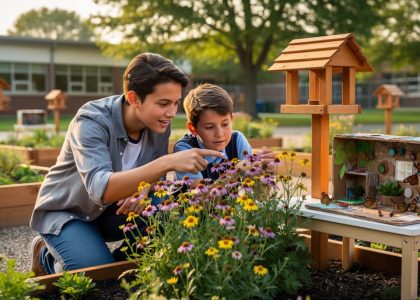
Getting started with eco-adventure activities doesn’t require extensive resources or distant locations. Your school campus offers numerous opportunities to engage students in meaningful environmental learning experiences. Begin by transforming your schoolyard into an outdoor classroom where students can conduct basic plant identification, weather observations, and soil testing.
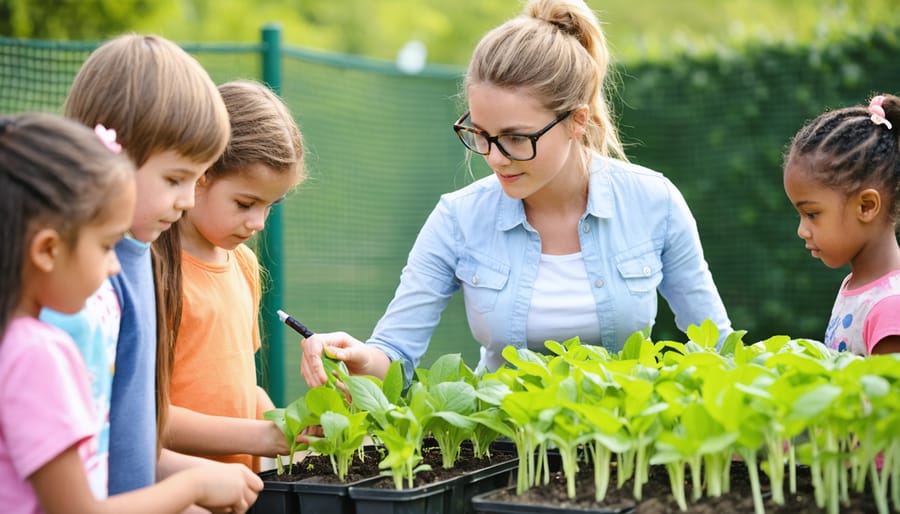
Create a campus nature trail by mapping out interesting natural features, such as different tree species, flower beds, or local wildlife habitats. Students can develop interpretive signs and guide their peers through these self-designed nature walks. Consider establishing a small garden plot where classes can practice sustainable growing methods and learn about local ecosystems.
Simple activities like conducting micro-habitat studies in different areas of the playground or organizing campus cleanup initiatives help students develop environmental awareness while staying close to home. Encourage classes to maintain observation journals, documenting seasonal changes and wildlife sightings throughout the school year.
Transform physical education periods into eco-fitness challenges by incorporating nature-based obstacle courses or scavenger hunts that combine physical activity with environmental education. Weather stations managed by students can provide real-world data collection experience while contributing to science curriculum goals.
Remember to use existing resources creatively – even a small patch of grass or a few trees can become valuable teaching tools when approached with imagination and purpose. These campus-based activities lay the foundation for more extensive eco-adventure experiences while building students’ confidence and environmental literacy.
Scaling Up: Community Partnerships
Building strong community partnerships is essential for creating sustainable eco-adventure programs that extend beyond the classroom walls. Start by reaching out to local environmental organizations, nature centers, and conservation groups who share your educational goals. These partnerships can provide valuable resources, expertise, and real-world learning opportunities for your students.
Begin with a simple email or phone call introducing your program and specific needs. Many organizations have established educational outreach programs and are eager to work with schools. Consider partnering with local parks departments, wildlife rehabilitation centers, botanical gardens, or environmental advocacy groups.
When developing partnerships, focus on creating mutually beneficial relationships. Offer opportunities for organizations to share their message with your school community while providing students with authentic learning experiences. This might include joint conservation projects, guest speaker programs, or field study opportunities.
Document your partnerships through formal agreements that outline responsibilities, expectations, and safety protocols. Regular communication and feedback sessions help maintain strong relationships and ensure program effectiveness.
Remember to involve your school administration early in the partnership process. Their support is crucial for addressing logistics, liability concerns, and resource allocation. Consider forming a committee of teachers, administrators, and community partners to oversee program development and ensure long-term sustainability.
Start small with one or two key partnerships and gradually expand your network as your program grows. Celebrate and publicize successful collaborations to build community support and attract additional partners.
Cross-Curricular Integration
Math and Science Connections
Eco-adventure activities provide natural opportunities to explore mathematical and scientific concepts in real-world contexts. Students can calculate distances, measure angles, and estimate heights while planning hiking routes or setting up camp. During wildlife observation, learners practice data collection and statistical analysis by tracking species populations, measuring temperatures, or recording behavioral patterns.
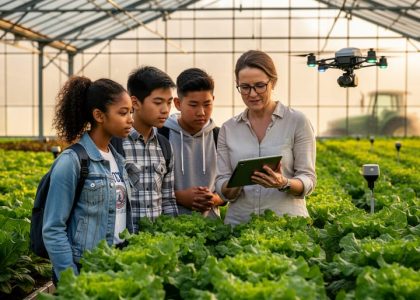
Field investigations allow students to apply scientific methods through soil sampling, water quality testing, and ecosystem analysis. Weather patterns and climate studies become tangible as students monitor atmospheric conditions and collect meteorological data during outdoor expeditions. Mathematical skills come into play when students calculate resource consumption, measure environmental impact, or determine sustainable carrying capacities for different areas.
Navigation activities incorporate geometry and trigonometry as students work with maps, compasses, and GPS devices. Energy calculations become relevant when planning food and supply needs for extended outdoor activities. Through these hands-on experiences, students develop a deeper understanding of mathematical and scientific principles while building environmental awareness and problem-solving skills.
Social Studies and Language Arts Integration
Eco-adventures provide excellent opportunities to explore diverse cultures, historical perspectives, and language arts connections. Teachers can incorporate storytelling traditions from indigenous cultures who have long-standing relationships with the local environment. Students can practice writing skills by maintaining nature journals, creating travel blogs, or developing descriptive essays about their outdoor experiences.
Consider having students research the cultural significance of local landmarks, plants, or wildlife before embarking on eco-adventures. This creates meaningful connections between environmental science and social studies while developing research and writing skills. Students can interview community elders or local experts about traditional environmental practices, combining oral history with environmental education.
Language arts integration can include reading environmental literature, creating poetry inspired by nature, or developing persuasive essays about conservation issues. Group discussions about environmental ethics and cultural perspectives enhance critical thinking and communication skills. Students might also explore how different cultures approach environmental stewardship, fostering cultural awareness and environmental responsibility.
Create assignments that encourage students to examine how various communities interact with their environment, promoting both cultural understanding and environmental literacy. This cross-curricular approach helps students develop a more comprehensive understanding of ecological relationships while building essential communication skills.
Measuring Success and Student Growth
Success in eco-adventure learning can be evaluated through multiple lenses, focusing on both academic achievement and personal growth. When measuring student progress, educators should implement a combination of quantitative and qualitative assessment methods.
Consider using rubrics that evaluate students’ environmental knowledge, problem-solving abilities, and collaboration skills. Documentation through student journals, photo essays, and field reports provides valuable insights into their learning journey. Digital portfolios can showcase students’ project work, scientific observations, and reflections on their outdoor experiences.
Pre and post-activity assessments help track improvements in environmental literacy and subject-specific knowledge. Look for evidence of growth in areas such as:
– Understanding of ecological concepts
– Application of scientific methods
– Development of leadership skills
– Enhancement of social-emotional competencies
– Increased environmental stewardship
Successful implementation is also reflected in behavioral changes, such as increased participation in conservation activities, improved teamwork, and demonstrated initiative in environmental projects. Regular feedback sessions with students can reveal valuable insights about the program’s impact on their engagement and learning.
Remember to celebrate small wins and acknowledge progress in both academic and personal development areas. This approach helps maintain student motivation while providing concrete evidence of the program’s effectiveness.
Eco-adventure learning offers a transformative approach to environmental education that engages students while fostering critical thinking and environmental stewardship. By incorporating outdoor experiences, hands-on activities, and real-world problem-solving into your curriculum, you can create meaningful learning opportunities that resonate with students long after they leave your classroom. Remember that successful implementation starts with small steps – begin with a single lesson or unit, and gradually expand your eco-adventure programming as you and your students grow more comfortable with this approach. Connect with fellow educators, share your experiences, and celebrate the positive impact you’re making on both student learning and environmental awareness. Together, we can inspire the next generation of environmental stewards through exciting, meaningful eco-adventures that make learning come alive.