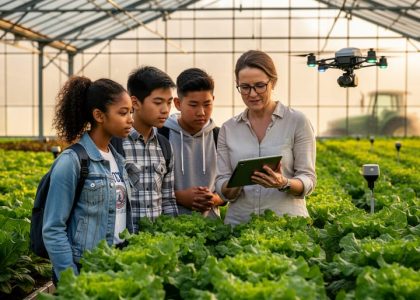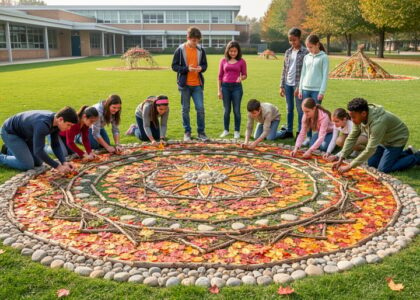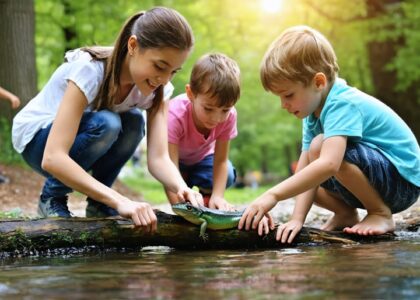
Transform your classroom into a conservation hub by designing habitat dioramas that mirror real ecosystems, allowing students to research threatened environments while building scaled representations using recycled materials. Engage learners in citizen science by partnering with local wildlife organizations to document species in schoolyard habitats, teaching data collection methods that contribute to actual conservation databases. Create interactive habitat comparison stations where students rotate through different biome examples, physically manipulating variables like water availability or temperature to observe immediate effects on model organisms.
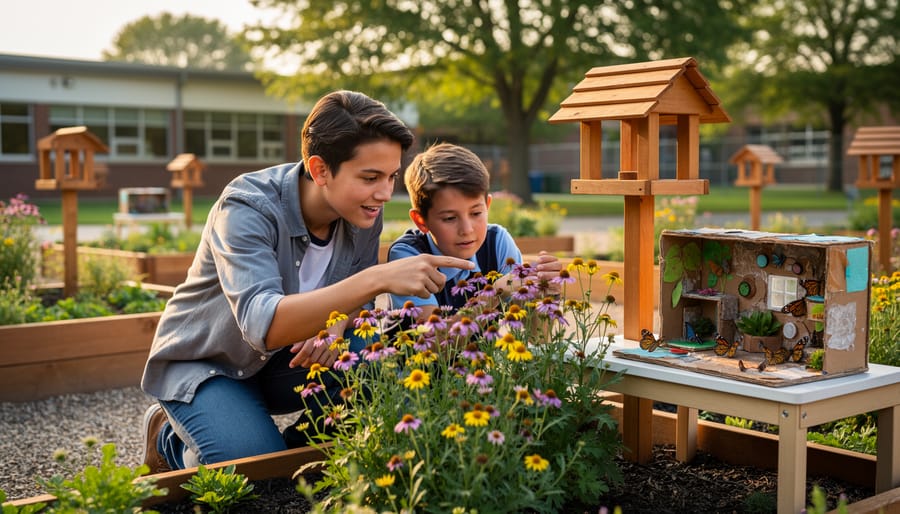
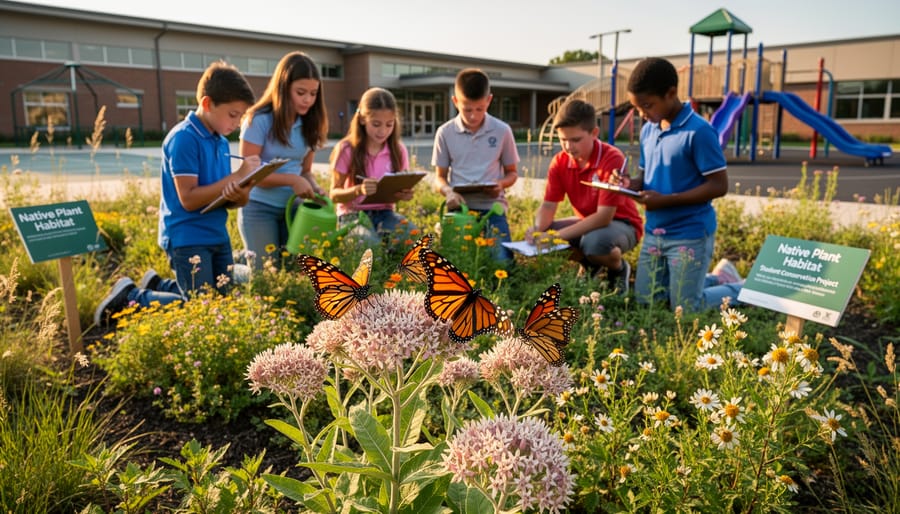
Implement hands-on outdoor learning by establishing mini-habitats on school grounds—butterfly gardens, bird feeding stations, or native plant areas—that serve as living laboratories for ongoing observation and stewardship. Launch cross-grade habitat mentorship programs where older students guide younger peers through project stages, reinforcing learning while building community investment in conservation outcomes.
These habitat projects deliver far beyond standard science lessons. They connect abstract ecological concepts to tangible student action, fostering environmental literacy that extends past classroom walls. Whether you’re working with limited outdoor space, tight budgets, or packed curriculum schedules, habitat projects adapt to your constraints while maintaining their core power: showing students they can make measurable differences in protecting biodiversity. Your commitment to implementing these activities, regardless of scale, plants seeds of conservation thinking that grow throughout students’ lives.
What Makes Habitat Projects Essential for Today’s Classrooms
Habitat projects bring environmental science to life in ways that textbooks simply cannot match. When students research, design, and create ecosystems, they’re doing far more than completing an assignment—they’re developing the critical thinking and problem-solving skills that define modern scientific literacy.
These hands-on experiences align beautifully with Next Generation Science Standards, particularly in life sciences and Earth systems. Students naturally engage with core concepts like interdependence, adaptation, and ecosystem dynamics while working on habitat projects. The NGSS emphasis on three-dimensional learning—combining disciplinary core ideas, crosscutting concepts, and science practices—comes together seamlessly as students observe, question, and investigate living systems.
What makes habitat projects particularly valuable is their student-centered nature. Rather than passively receiving information, learners become active participants in conservation education. They make decisions about which organisms to study, design solutions to habitat challenges, and adjust their approaches based on observation and evidence. This kind of authentic learning builds confidence and deepens understanding in ways that traditional instruction often misses.
The connection to real-world environmental issues makes these projects especially meaningful for today’s students. Climate change, habitat loss, and species decline aren’t abstract concepts when you’re caring for a classroom terrarium or researching local ecosystems. Students begin to see themselves as stewards of the natural world, understanding that their choices and actions matter.
Beyond science content, habitat projects develop collaboration and communication skills as students work in teams, share findings, and present their learning to classmates. They practice observation and data collection, building scientific literacy that extends across disciplines. The beauty of this approach is its flexibility—whether you have access to outdoor spaces, technology, or limited resources, habitat projects can be adapted to fit your classroom reality.
These projects also create natural opportunities for differentiation. Students can explore habitats through art, writing, research, model-building, or digital presentations, allowing every learner to contribute their strengths while developing new skills.
Types of Habitat Projects That Work at Every Grade Level
Elementary: Starting Small With Micro-Habitats
Young learners naturally gravitate toward small, observable ecosystems that reveal the magic of habitat relationships right before their eyes. Micro-habitats offer the perfect entry point for elementary students to grasp how living things interact with their environments.
A butterfly garden transforms any sunny corner into a living laboratory. Start with native milkweed and nectar-rich flowers in containers or a small plot. Students can observe the complete life cycle while learning about pollinator conservation. This hands-on approach makes abstract concepts like metamorphosis and food webs tangible and memorable.
Worm composters bring decomposition to life in a compact, classroom-friendly format. Children learn that worms aren’t just crawly creatures—they’re habitat engineers that transform food scraps into nutrient-rich soil. This project seamlessly connects to lessons about waste reduction and nutrient cycles while building empathy for often-overlooked organisms.
Classroom aquariums introduce aquatic habitat dynamics in manageable ways. Whether you choose freshwater fish, snails, or aquatic plants, students discover how temperature, light, and water quality affect living communities. Regular maintenance teaches responsibility while reinforcing cause-and-effect relationships.
These micro-habitats succeed because they’re immediately engaging, require minimal space, and provide daily opportunities for observation and wonder. They help students see themselves as caretakers capable of making real environmental differences.

Middle School: Building and Monitoring Local Habitats
Middle school students are ready to tackle more sophisticated habitat projects that integrate scientific inquiry with hands-on conservation. Native plant gardens offer an excellent starting point, allowing students to research regional ecosystems, select appropriate species, and monitor growth patterns throughout the year. Students can document their observations through urban ecology journaling, creating a valuable record of seasonal changes and species interactions.
Bird nest boxes provide another engaging option, where students construct habitat structures following specific design criteria for target species. This project naturally incorporates mathematics through measurement and geometry, while ongoing monitoring teaches students about breeding cycles and population dynamics. Students can collect data on occupancy rates, egg counts, and fledgling success, then graph and analyze their findings.
Pollinator stations combine habitat creation with crucial conservation education. Students design and plant areas featuring native flowering plants that support bees, butterflies, and hummingbirds. Regular observation sessions allow for species identification and behavior documentation. Students can compare pollinator activity across different plant varieties or times of day, developing hypotheses and drawing evidence-based conclusions.
These projects encourage students to see themselves as citizen scientists contributing to genuine conservation efforts while building critical thinking and data literacy skills.
High School: Community-Scale Conservation Initiatives
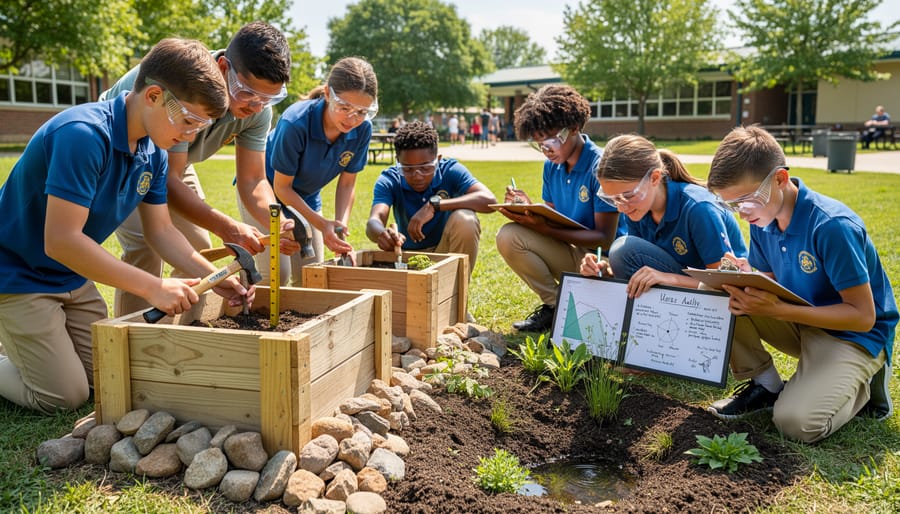
High school students are ready to tackle meaningful conservation work that extends beyond the classroom walls. Wetland restoration projects offer powerful learning experiences where students can monitor water quality, plant native vegetation, and track biodiversity changes over time. These initiatives connect directly to ecological principles while addressing real environmental challenges in your community.
Wildlife corridor mapping engages students in genuine research. Using GPS technology and field observation skills, they can identify gaps in habitat connectivity and propose solutions that local planners might actually implement. This work develops critical thinking about land use, urban planning, and species migration patterns.
Citizen science conservation partnerships transform students into contributing researchers. Programs like iNaturalist, eBird, or FrogWatch allow your class to collect data that scientists use in published studies. Students gain authentic research experience while understanding how collective action advances environmental knowledge.
Community forums provide excellent platforms for students to share findings from their habitat work. Consider organizing presentations where students educate neighbors about local conservation needs, building communication skills alongside scientific understanding. These projects demonstrate that environmental stewardship isn’t just curriculum content but active citizenship that makes tangible differences in protecting ecosystems for future generations.
Step-by-Step: Launching Your First Habitat Project
Planning and Preparation
Starting a habitats project begins with thoughtful groundwork that sets your students up for success. First, survey your available space, whether it’s a corner of your classroom, a windowsill, an outdoor garden area, or even a virtual platform for research-based projects. Consider factors like sunlight, accessibility for all students, and proximity to water sources if you’re creating physical habitats.
Next, identify clear learning objectives aligned with your curriculum standards. What do you want students to understand about ecosystems, biodiversity, or conservation? How will this project develop their scientific inquiry skills? Writing these goals down helps you stay focused and provides valuable documentation when seeking administrative support.
Speaking of approval, connect with your principal or curriculum coordinator early in the planning process. Share your vision, explain how the project meets educational standards, and address practical concerns like budget, safety, and maintenance during school breaks. Many administrators enthusiastically support hands-on learning experiences when presented with a clear plan.
Finally, gather input from colleagues who’ve led similar projects. Our community forums offer excellent opportunities to learn from educators who’ve navigated these same initial steps. Their insights can help you anticipate challenges and discover creative solutions you hadn’t considered.
Implementation Strategies That Actually Work
Start with a clear timeline that breaks your habitats project into manageable phases. Dedicate the first week to introducing core concepts through videos and discussions, allowing students to explore different ecosystems before choosing their focus. This builds excitement while giving you time to gather materials and form collaborative groups.
Create student ownership by letting learners select their habitat of interest and determine how they’ll demonstrate their understanding. Whether through dioramas, digital presentations, or interactive displays, choice increases engagement and accommodates diverse learning styles. Establish checkpoints every few days where students share progress and troubleshoot challenges together.
Maintain momentum by connecting the project to real-world conservation efforts. Invite local wildlife experts through video calls, participate in citizen science observations, or adopt a habitat through environmental organizations. These authentic connections remind students their work matters beyond the classroom walls.
Use our community forums to share successes and problem-solve with fellow educators who’ve navigated similar projects. Many teachers find that displaying student work in common areas and celebrating milestones keeps energy high throughout multi-week projects.
Remember, flexibility is your friend. If students become deeply invested in particular aspects, allow time for deeper exploration. The most memorable learning happens when we follow student curiosity while maintaining clear learning objectives.
Assessment and Documentation
Measuring student learning through habitats projects involves multiple assessment approaches that capture both academic understanding and environmental awareness. Consider using project portfolios where students document their observations, sketches, measurements, and reflections throughout the project timeline. Rubrics should evaluate scientific knowledge, collaboration skills, and creative problem-solving rather than focusing solely on final products.
Photography and journaling provide powerful documentation tools for tracking ecological changes over time. Encourage students to take weekly photos from consistent angles and record data such as plant growth, animal visitors, and weather conditions. These visual records become compelling evidence of project impact when shared with parents, administrators, and community members.
Digital presentation tools enable students to showcase their work through class websites, video documentaries, or interactive displays at school events. Student-led presentations help them articulate their learning while building communication skills. Creating before-and-after comparisons makes project success tangible for all stakeholders.
Remember to celebrate small wins along the way. Share student achievements through newsletters, social media, or community forums where educators can exchange documentation strategies and inspiration with colleagues facing similar implementation journeys.
Connecting Habitat Projects to Core Curriculum
Habitat projects offer rich opportunities to meet multiple curriculum standards simultaneously, making them efficient and valuable learning experiences. When you design these projects with intentional cross-curricular connections, you’ll find they naturally support student achievement across subject areas while deepening engagement.
In science, habitat projects align beautifully with life science and ecology standards at every grade level. Students investigate living systems, observe organism adaptations, explore food webs, and examine how environmental changes affect populations. These projects also support Next Generation Science Standards, particularly the disciplinary core ideas around ecosystems and interdependence. Elementary students might classify animals by their habitat needs, while middle schoolers can analyze energy transfer within ecosystems. High school students excel when connecting habitat study to citizen science projects that contribute authentic data to conservation efforts.
Mathematics integration happens organically through habitat projects. Students measure plot areas, calculate population densities, graph species diversity, and analyze environmental data trends. Younger learners practice counting and sorting organisms, while older students apply statistical analysis to compare habitat health indicators. Budget planning for materials and resource allocation adds real-world financial literacy components.
Language arts connections emerge through research reports, field journals, persuasive conservation campaigns, and presentation skills. Students read informational texts about ecosystems, write observational descriptions, and develop vocabulary specific to their chosen habitats. Collaborative discussion during group work builds communication skills while students debate conservation strategies or share findings.
Social studies naturally weaves in when exploring how human communities impact habitats and vice versa. Students examine land use decisions, compare how different cultures interact with local ecosystems, and investigate environmental policy. Historical perspectives on conservation movements add depth to understanding current challenges.
For assessment, consider combining formative observations during project work with summative products like research presentations, habitat models, or scientific reports. Rubrics should evaluate both content knowledge and process skills like inquiry, collaboration, and problem-solving. Digital portfolios allow students to document their learning journey across all subject areas, demonstrating growth over time. Student reflection journals provide insight into conceptual understanding while self-assessment promotes metacognition about their learning process.
Overcoming Common Challenges Before They Derail Your Project
You’re not alone if you’ve felt excited about launching a habitats project only to encounter roadblocks that seem insurmountable. Many educators face similar challenges, but with creative problem-solving, these obstacles become opportunities for innovation rather than reasons to abandon your plans.
Limited funding often tops the list of concerns. Instead of purchasing expensive materials, consider leveraging free resources in your community. Local nurseries frequently donate plants, hardware stores may contribute building supplies, and parent organizations often support hands-on learning initiatives. You can also start small with container gardens or indoor terrariums that require minimal investment while still delivering meaningful learning experiences.
Lack of outdoor space doesn’t have to stop your project. Window boxes, vertical gardens, and classroom-based habitats work beautifully for urban schools. Even a single large aquarium or terrarium can become a thriving ecosystem that teaches the same ecological principles as an outdoor garden. The key is focusing on the learning outcomes rather than the scale of the project.
When administrators express concerns about safety, maintenance, or curriculum time, come prepared with solutions. Present your project as an interdisciplinary tool that addresses multiple standards simultaneously. Share research on improved student engagement and academic performance linked to hands-on environmental projects. Offer a detailed maintenance plan that includes student responsibilities and holiday care strategies.
Speaking of breaks, summer and holiday maintenance challenges resolve easily with community partnerships. Reach out to local environmental clubs, scout troops, or neighboring residents who might enjoy caring for your habitat during school closures. Many families appreciate the opportunity to contribute to their school community.
Finally, if student engagement wanes, reconnect learners to the purpose behind your project. Invite wildlife experts to visit, document changes through photography or journaling, or connect with classrooms in different regions to compare habitats. When students see real-world impact and authentic connections, their investment in the project naturally deepens.
Resources and Tools to Support Your Habitat Project
Launching a successful habitat project becomes much easier when you tap into the wealth of resources available to educators like you. Start by exploring grant opportunities through organizations like the National Environmental Education Foundation and the U.S. Fish and Wildlife Service, which regularly fund school-based conservation initiatives. Many local conservation districts and community foundations also offer smaller grants perfect for classroom projects.
Building partnerships strengthens your project significantly. Connect with nearby nature centers, wildlife rehabilitation facilities, and university extension programs—many offer free expertise, materials, or even classroom visits. Local garden clubs and environmental nonprofits are often eager to support educational initiatives and can provide mentorship for students.
For planning and tracking your project’s progress, several interactive digital tools make the process manageable. iNaturalist allows students to document species observations and contribute to real citizen science databases. Project Learning Tree and Project WILD offer free curriculum frameworks with built-in assessment tools. The Cornell Lab of Ornithology provides excellent resources for bird-related habitat projects, including monitoring protocols that engage students in authentic research.
Connect with fellow educators through online communities where you can share successes and troubleshoot challenges. The National Science Teaching Association’s discussion forums and Facebook groups like “Elementary Science Teachers” and “Environmental Education Network” host thousands of educators exchanging habitat project ideas. Reddit’s teacher communities also offer supportive spaces for questions and inspiration.
Remember, you don’t need to navigate this journey alone. These resources exist specifically to support educators like you in creating meaningful, impactful learning experiences. Start with one or two tools that resonate with your project goals, and build from there as your confidence grows.
Habitat projects offer transformative opportunities for students to develop deeper connections with the natural world while building essential scientific skills. Through hands-on exploration and creative problem-solving, these activities make abstract ecological concepts tangible and memorable. The impact extends far beyond the classroom, fostering a generation of environmentally conscious citizens committed to environmental stewardship.
Remember, you don’t need elaborate resources or extensive outdoor space to begin. Start with a single small-scale project—a classroom terrarium, a schoolyard observation station, or a virtual habitat exploration. Each step you take builds momentum and confidence for future initiatives.
We invite you to join the Teach Find community forums to share your habitat project experiences, exchange ideas with fellow educators, and discover new approaches. Whether you’re celebrating successes or troubleshooting challenges, our interactive tools and supportive network are here to help you grow. Your journey toward inspiring the next generation of environmental leaders starts today—and you don’t have to navigate it alone.