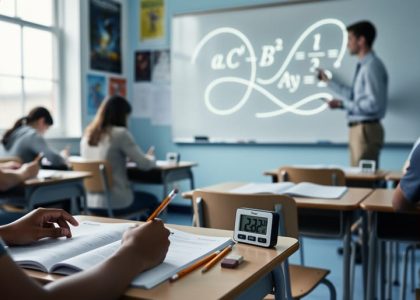
Transform your classroom into a dynamic learning environment with proven student engagement strategies that spark curiosity, foster participation, and drive academic success. Today’s educators face the unique challenge of captivating diverse learners in an increasingly digital world, making effective engagement techniques more crucial than ever.
Student engagement isn’t just about keeping students busy – it’s about creating meaningful connections between learners and content that inspire deeper understanding and lasting retention. Research shows that engaged students are 2.5 times more likely to achieve academic excellence and develop critical thinking skills that extend beyond the classroom.
In this comprehensive guide, we’ll explore seven research-backed strategies that have revolutionized classrooms across grade levels and subject areas. These practical approaches combine traditional teaching wisdom with innovative techniques, ensuring every student has the opportunity to become an active participant in their learning journey. Whether you’re a veteran teacher looking to refresh your methods or a new educator seeking proven tools, these strategies will help you create an environment where students don’t just attend class – they thrive in it.
Active Learning Through Project-Based Activities

Real-World Connection Projects
Connecting classroom learning to real-world applications is crucial for developing essential learning skills and maintaining student engagement. Start by incorporating current events into your lessons; for example, use local news stories to teach critical thinking in social studies or analyze weather patterns during science class. Create project-based assignments that require students to solve actual community problems, such as designing a school recycling program or conducting neighborhood demographic surveys.
Invite local professionals to share their experiences through virtual or in-person presentations, demonstrating how subject matter applies to various careers. Implement “day-in-the-life” scenarios where students role-play real-world situations, like running a small business in math class or conducting environmental impact studies in science. Encourage students to interview family members or community leaders about topics related to your curriculum, creating meaningful connections between academic content and their personal lives.
Use technology to connect with classrooms in other countries, enabling cultural exchange and authentic language practice. These real-world connections help students understand the relevance of their studies while building motivation and engagement.
Collaborative Group Challenges
Group work becomes truly engaging when structured with clear purpose and roles. Start by dividing students into small groups of 3-4, ensuring diversity in skills and learning styles. Assign specific roles like facilitator, recorder, and timekeeper to promote accountability and equal participation.
Create challenges that require collaborative problem-solving and critical thinking. For example, task groups with designing a sustainable city model, where each member contributes different aspects like environmental impact, infrastructure, and community needs. Set clear objectives and deadlines, but allow flexibility in how teams approach solutions.
Incorporate peer feedback mechanisms where groups evaluate each other’s work using structured rubrics. This builds communication skills and deepens understanding through constructive critique. Consider implementing rotating leadership roles to give all students experience in different responsibilities.
To maintain engagement, include mini-milestones and check-in points throughout the project. Use digital collaboration tools when appropriate, allowing students to document their progress and share resources. Celebrate both individual contributions and team achievements, emphasizing how different strengths combine to create successful outcomes.
Remember to provide scaffolding support while gradually increasing challenge levels as groups develop stronger collaborative skills.
Technology Integration for Enhanced Engagement
Interactive Digital Tools
Modern digital tools can effectively transform learning experiences into dynamic, interactive sessions. Tools like Kahoot! and Quizizz turn assessments into exciting game shows, while Padlet creates collaborative digital walls where students share ideas and resources. Nearpod enables teachers to deliver interactive lessons with embedded questions, virtual field trips, and real-time student responses. For creative expression, Flipgrid allows students to record short video responses, fostering confidence in public speaking. Google Jamboard and Miro facilitate virtual brainstorming sessions, perfect for group projects and class discussions. Class Dojo gamifies positive behavior and participation, while Mentimeter enables anonymous polling and quick feedback. These platforms work across devices, making them accessible for both in-person and remote learning environments. Remember to introduce tools gradually and provide clear instructions to ensure smooth implementation.

Virtual Learning Environments
Virtual learning environments require thoughtful design to maintain student engagement. Start by creating an intuitive, organized digital classroom space where students can easily access materials and assignments. Incorporate interactive elements like discussion boards, virtual whiteboards, and breakout rooms to promote collaboration and active participation.
Utilize multimedia content, including short videos, infographics, and interactive presentations, to cater to different learning styles. Consider implementing gamification elements such as progress bars, achievement badges, and learning challenges to maintain motivation.
Regular synchronous sessions should be dynamic, featuring polls, quick surveys, and chat interactions to keep students focused. Encourage peer-to-peer learning through virtual group projects and study partners. Create opportunities for student choice by offering multiple ways to demonstrate learning, such as recorded presentations, digital portfolios, or interactive mind maps.
Remember to establish clear communication channels and provide regular feedback to maintain connection and support in the virtual space. Consider hosting virtual office hours and creating dedicated spaces for informal student interactions to build community.
Differentiated Instruction Techniques
Differentiated instruction recognizes that every student learns differently, making it a crucial component of effective student engagement. To implement this strategy successfully, begin by conducting learning style assessments to understand how your students best process information. This can be done through simple surveys or observation of student work patterns.
Create flexible learning stations that cater to different learning preferences. For visual learners, incorporate infographics, charts, and video content. Auditory learners benefit from podcast-style lessons and group discussions, while kinesthetic learners thrive with hands-on activities and manipulatives. Rotate students through these stations to expose them to various learning approaches.
Offer choice boards that allow students to select how they demonstrate their understanding. For example, when teaching a literature unit, students might choose between creating a dramatic performance, writing a traditional essay, or designing a digital presentation. This autonomy increases engagement while ensuring learning objectives are met.
Use tiered assignments that adjust the complexity of tasks while maintaining core learning goals. Advanced learners can tackle more challenging problems, while others work on foundational skills. Remember to regularly assess and adjust these tiers based on student progress.
Technology can be a powerful tool for differentiation. Use adaptive learning platforms that automatically adjust to student performance levels. These tools provide immediate feedback and allow students to progress at their own pace while giving teachers valuable data on student achievement.
Finally, implement flexible grouping strategies, mixing students based on interests, abilities, and learning styles. This approach promotes peer learning and ensures all students have opportunities to both lead and learn from others.

Gamification and Reward Systems
Incorporating game elements into learning activities can transform a routine lesson into an engaging adventure. By implementing game-based learning strategies, teachers can tap into students’ natural desire for achievement and recognition while making learning more enjoyable.
Start with simple point systems where students earn rewards for completing tasks, participating in discussions, or helping peers. Digital platforms like ClassDojo or Kahoot! make it easy to track progress and celebrate achievements. Consider creating achievement badges for different skills or milestones, giving students tangible goals to work toward.
Leaderboards can foster healthy competition, but ensure they’re structured to recognize various types of achievements, not just academic performance. This might include “Most Helpful Peer,” “Greatest Improvement,” or “Creative Problem Solver.” For daily review sessions, incorporate classroom review games that turn assessment into an exciting challenge.
Remember to keep rewards meaningful but not overpowering. The goal is to enhance intrinsic motivation rather than replace it. Simple privileges like choosing a class activity or being the teacher’s assistant can be more effective than material rewards. Regular feedback and progress tracking help students see their growth, making the learning journey more engaging and purposeful.
Student Voice and Choice
Empowering students with voice and choice in their learning experience is a powerful way to boost engagement and foster ownership of education. When students have input in their learning journey, they become active participants rather than passive recipients of information.
Start by offering choices in assignment formats. For example, students might demonstrate their understanding of a concept through a traditional essay, video presentation, artwork, or digital project. This flexibility allows them to leverage their strengths and interests while meeting learning objectives.
Create opportunities for students to provide feedback on lesson planning and classroom activities. Regular class meetings or anonymous suggestion boxes can help gather student input. Use surveys to understand their learning preferences and incorporate their suggestions into future lessons when appropriate.
Implement student-led discussions and projects where learners can choose topics that interest them within the curriculum framework. Allow them to set personal learning goals and track their progress, fostering metacognition and self-directed learning skills.
Consider creating a classroom committee where students can voice their ideas about classroom management, rules, and learning activities. This approach not only increases engagement but also teaches valuable leadership and democratic participation skills.
Remember to provide clear boundaries and guidelines while offering choices. Too many options can overwhelm students, so start with limited, structured choices and gradually expand as students develop decision-making skills. The goal is to create a balanced environment where students feel heard and empowered while maintaining educational rigor.
Assessment for Learning
Assessment for learning goes beyond traditional grading to create dynamic feedback loops that keep students actively engaged in their learning journey. By implementing regular check-ins and adjusting instruction based on student understanding, teachers can maintain high levels of engagement while supporting academic growth.
Quick formative assessment techniques like exit tickets, thumbs up/down responses, and digital polling tools provide immediate insights into student comprehension. These real-time checks allow teachers to address misconceptions promptly and celebrate progress, keeping students motivated and connected to the learning process.
One particularly effective strategy is the use of student self-assessment tools, where learners track their own progress and set personal learning goals. This ownership of the learning process naturally increases engagement as students become more invested in their educational journey.
Peer assessment activities also serve dual purposes – they help students develop critical thinking skills while maintaining engagement through collaborative learning. When students provide constructive feedback to their classmates, they strengthen their own understanding while building a supportive classroom community.
Remember to vary your assessment methods to accommodate different learning styles and maintain student interest. This might include visual representations, verbal explanations, written responses, or digital creations. The key is to make assessment an ongoing, interactive process rather than a one-time event, ensuring students remain actively involved in their learning experience.
Implementing these seven student engagement strategies can transform your classroom into a vibrant, interactive learning environment. Remember that engagement isn’t a one-size-fits-all approach – it’s about finding the right mix of strategies that work for your unique classroom community.
Start small by incorporating one strategy at a time. You might begin with active learning techniques or personalized learning paths, then gradually introduce more complex approaches like project-based learning and technology integration. Monitor how your students respond and adjust your approach accordingly.
Keep in mind that consistency is key. Create a routine where students know they’ll be active participants in their learning journey. This helps build confidence and encourages even reluctant learners to become more involved.
Consider creating a feedback loop with your students to understand what engages them most effectively. Their input can help you refine these strategies and make them more impactful for your specific classroom context.
As you implement these strategies, document your successes and challenges. Share your experiences with colleagues and continue learning from their insights. Remember that student engagement is an ongoing process that evolves with your teaching practice and your students’ needs.
Most importantly, celebrate the small wins along the way. When you see students becoming more engaged, participating more actively, and taking ownership of their learning, you’ll know you’re on the right track to creating a more dynamic and effective learning environment.