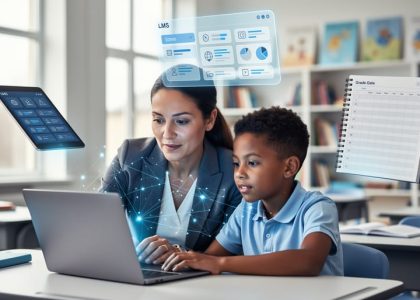
Harness the power of technology to revolutionize differentiated instruction in your classroom. By leveraging digital tools and strategies, you can create personalized learning experiences that engage and empower every student, regardless of their unique needs and abilities. Technology breaks down barriers, allowing you to efficiently adapt content, process, and assessments to meet individual learners where they are. From adaptive software that adjusts difficulty based on student performance to collaborative platforms fostering peer learning, the possibilities are endless. Discover how to transform your teaching practice and unlock the potential of each child through the strategic integration of technology. Embrace this digital age and witness the remarkable impact of differentiated instruction amplified by the tools of tomorrow.
Understanding Differentiated Instruction
What is Differentiated Instruction?
Differentiated instruction is an educational approach that tailors teaching to meet the diverse learning needs of students within a classroom. By recognizing that each student has unique strengths, interests, and challenges, differentiated instruction aims to maximize learning potential by adapting content, process, and assessment. Teachers employing this approach vary their instructional strategies, materials, and pace to ensure that all students can access the curriculum and demonstrate their understanding in meaningful ways. This flexible, student-centered approach to teaching acknowledges the reality that one-size-fits-all lessons often fail to engage and challenge learners effectively. Instead, differentiated instruction empowers educators to proactively plan for and respond to the varied needs of their students, creating a more inclusive and equitable learning environment. By leveraging students’ individual learning profiles, readiness levels, and interests, teachers can foster increased engagement, motivation, and academic growth for all learners in their diverse classrooms.
Why Differentiate Instruction?
Differentiated instruction is a crucial teaching approach that recognizes and responds to the diverse learning needs of students in a classroom. By tailoring instruction to individual students’ readiness levels, interests, and learning profiles, educators can create a more inclusive and equitable learning environment. Differentiation allows students to engage with content in ways that are meaningful and challenging for them, leading to increased motivation, engagement, and academic growth. When students receive instruction that matches their needs and abilities, they are more likely to develop a deeper understanding of the material and retain information long-term. Differentiated instruction also promotes the development of critical thinking, problem-solving, and other higher-order skills that are essential for success in the 21st century. By embracing differentiation, educators can unlock the potential of every student and help them achieve their full potential.

Key Principles and Strategies
Key principles of differentiated instruction include identifying students’ individual learning needs, using varied instructional methods, and continuously assessing progress. Common strategies involve flexible grouping, tiered assignments, and student choice. Technology amplifies these strategies by enabling personalized learning paths, adaptive content, and multimedia engagement. Digital tools facilitate ongoing assessment and timely feedback. Collaborative tech like shared documents and discussion forums promote shared teaching techniques and peer learning. Interactive simulations and virtual manipulatives make abstract concepts more accessible. Assistive technologies level the playing field for students with disabilities. By thoughtfully integrating tech, educators can efficiently differentiate instruction to challenge and support each learner.

Technology as a Differentiation Powerhouse
Personalized Learning Paths
Technology empowers educators to create personalized learning paths tailored to each student’s needs, abilities, and interests. By leveraging adaptive learning software, educators can adjust the pace, content, and modality of instruction to ensure that every learner progresses at their optimal speed. For example, advanced students can move ahead to more challenging material, while those needing additional support can receive targeted interventions and extra practice. Technology also allows for diverse content delivery methods, such as videos, interactive simulations, and game-based learning, catering to different learning preferences and cognitive development insights. Furthermore, learning management systems enable educators to track individual progress, identify areas for improvement, and provide timely feedback, fostering a culture of continuous growth and achievement. By harnessing the power of technology, educators can create dynamic, personalized learning experiences that engage and inspire every student to reach their full potential.
Formative Assessment and Data
Technology offers powerful tools for ongoing formative assessment and data-driven differentiation. Digital quizzes, polls, and interactive assignments provide real-time insights into student understanding, allowing teachers to quickly identify areas where students excel or struggle. Learning management systems and educational apps securely store this data, enabling educators to track individual student progress over time. By analyzing patterns and trends, teachers can make informed decisions about how to adjust instruction, boost working memory, and provide targeted support. For example, if assessment data reveals that a group of students needs additional practice with a specific skill, the teacher can assign personalized digital activities or resources to reinforce that concept. Technology also facilitates collaborative assessment, such as peer feedback on digital projects or online discussions, fostering a culture of continuous growth and improvement. By leveraging the assessment and data capabilities of tech tools, educators can create a dynamic, responsive learning environment that adapts to the unique needs of each student, ensuring that differentiated instruction remains effective and impactful.
Diverse Content Presentation
Technology offers numerous ways to present content in diverse formats, catering to the varied learning preferences of students. Visual learners can benefit from interactive whiteboards, mind mapping software, and video lessons that bring concepts to life. For auditory learners, podcasts, audiobooks, and text-to-speech tools can make information more accessible. Kinesthetic learners thrive with hands-on simulations, virtual labs, and educational games that allow them to actively engage with the material. Adaptive learning platforms can personalize content delivery based on each student’s performance, ensuring they receive the right level of challenge and support. By leveraging these tech tools, educators can create a rich tapestry of content presentation that accommodates the unique needs of every learner in their classroom. This not only enhances student engagement but also promotes a more inclusive learning environment where every student feels valued and supported. When selecting tech tools for differentiated content presentation, it’s essential to consider factors such as ease of use, accessibility features, and alignment with learning objectives to ensure they effectively support the diverse needs of your students.
Implementing Tech-Enhanced Differentiation
Getting Started
To get started with differentiated instruction using technology, begin by assessing your students’ diverse learning needs and setting clear goals for how tech tools can help you meet them. Consider factors like students’ readiness levels, interests, and learning preferences. Identify specific areas where differentiation could boost engagement and achievement, such as providing leveled content, offering choice in learning activities, or varying the pacing of instruction.
Next, evaluate your current tech resources and determine if additional tools or training are needed to effectively differentiate. Set measurable objectives for integrating technology, such as “I will use adaptive learning software to provide targeted math practice for each student’s skill level, increasing mastery by 20%.” Having a roadmap will guide your differentiation efforts and help you track progress. Remember, start small, reflect often, and adjust your approach as you learn what works best for your students.

Choosing the Right Tools
When selecting technology for differentiation, consider tools that offer flexibility, adaptability, and ease of use. Look for platforms with built-in features for personalization, such as adaptive assessments, leveled content, and customizable learning paths. Evaluate the tool’s data tracking capabilities to monitor student progress and inform instructional decisions. Seek out user-friendly interfaces that minimize technical barriers for both teachers and students. Consider the tool’s compatibility with your existing technology infrastructure and its potential for integration with other educational resources. Gather input from colleagues and explore user reviews to gain insights into real-world experiences with the technology. Prioritize tools that align with your specific differentiation goals and support your students’ diverse learning needs. By carefully evaluating and selecting the right differentiation technology, educators can maximize the potential for personalized, engaging, and effective learning experiences that meet the unique needs of every student in their classroom.
Ongoing Refinement
Ongoing refinement is a critical component of successful differentiated instruction with technology. By continuously collecting and analyzing data on student engagement, performance, and progress, educators can make informed decisions to adapt their instructional strategies and tech tools. This data-driven approach ensures that the chosen technologies and differentiation methods remain effective and relevant to students’ evolving needs. Regular reflection and adjustment not only optimize learning outcomes but also foster a culture of continuous improvement in the classroom. Educators should seek out professional development opportunities to stay up-to-date with the latest best practices and technologies, empowering them to refine their differentiated instruction techniques and maximize the potential of educational technology for their diverse learners.
Conclusion
In conclusion, technology has the potential to revolutionize differentiated instruction in the classroom. By leveraging interactive tools, adaptive software, and collaborative platforms, educators can more effectively meet the diverse learning needs of their students. The key is to start small, experiment with different strategies, and build on successes over time. As you explore the possibilities of tech-enhanced differentiation, remember that the goal is always to support student growth and engagement. With a little creativity and a willingness to try new things, you can harness the power of technology to create a more inclusive, personalized learning environment for all. So why not take that first step today?