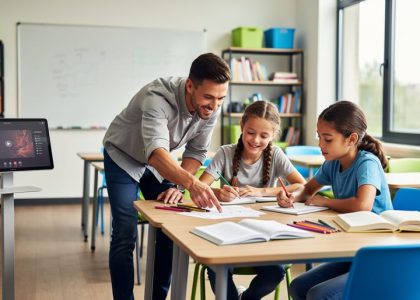
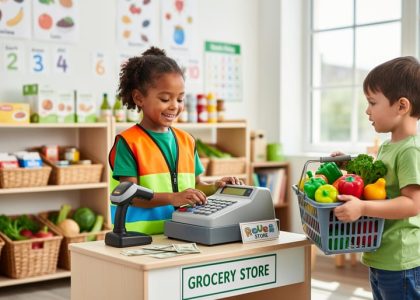
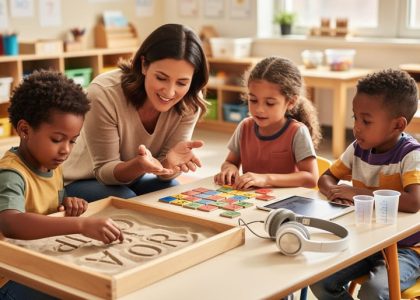
Harness the power of cooperative learning to supercharge your students’ engagement and achievement. Foster a collaborative classroom culture where learners actively support and challenge each other’s thinking. Structure well-designed group activities that encourage positive interdependence, individual accountability, and equal participation. Equip your students with essential teamwork and communication skills to help them thrive in an increasingly interconnected world.
The Benefits of Collaborative Learning

Enhancing Student Engagement
Collaborative learning activities enhance student engagement by fostering a sense of shared responsibility and active participation. When students work together on group projects, discussions, or problem-solving tasks, they become more invested in the learning process. The interactive nature of these activities encourages students to contribute their ideas, listen to diverse perspectives, and build upon each other’s knowledge. As a result, students are more motivated to engage deeply with the material and take ownership of their learning. Moreover, the social aspect of collaborative learning makes the educational experience more enjoyable and rewarding for students. They develop a stronger sense of belonging and connection to their peers, which further boosts their motivation to participate actively. By creating a supportive and inclusive learning environment, educators can harness the power of collaboration to promote higher levels of student engagement and enthusiasm for learning.
Developing Social Skills
Cooperative learning plays a vital role in nurturing essential social skills such as communication, teamwork, and empathy. When students work together in small groups, they learn to listen actively, express their ideas clearly, and respect diverse perspectives. Collaborative activities foster a sense of shared responsibility and interdependence, as students recognize that their individual efforts contribute to the group’s success. Through regular interactions, students develop empathy by understanding and appreciating their peers’ strengths, challenges, and unique qualities. Cooperative learning creates a supportive environment where students feel safe to take risks, offer constructive feedback, and celebrate each other’s achievements. As they navigate group dynamics, students learn to resolve conflicts, make decisions collectively, and adapt to different working styles. These valuable social skills not only enhance academic learning but also prepare students for success in their future personal and professional lives.
Promoting Deeper Understanding
When students engage in collaborative learning, they have the opportunity to discuss and explain complex concepts to their peers. This process of articulating their understanding and hearing diverse perspectives from classmates can significantly enhance their grasp of complex concepts. By working together to solve problems and complete tasks, students are exposed to different approaches and thought processes, which can challenge and expand their own understanding. The interactive nature of cooperative learning encourages students to ask questions, seek clarification, and provide explanations, all of which contribute to a deeper, more comprehensive understanding of the subject matter.
Strategies for Effective Collaborative Learning

Jigsaw Method
The Jigsaw Method is a highly effective collaborative learning strategy that promotes individual accountability and group interdependence. To implement it, first divide students into “home groups” of 4-5 members. Assign each student a unique section of the learning material to master. Next, students form “expert groups” by joining members from other teams who have the same assigned section. In these groups, they discuss and learn their material together.
After gaining expertise, students return to their original “home groups” and take turns teaching their section to their teammates. Encourage active listening, questioning, and note-taking during these peer-teaching sessions. Finally, assess individual learning through quizzes or projects that cover all sections of the material.
The Jigsaw Method ensures every student plays an essential role in their group’s success. It fosters a sense of ownership, enhances communication skills, and deepens understanding as students engage in both learning and teaching roles. By breaking down complex topics into manageable parts and promoting positive interdependence, this strategy empowers learners and creates a dynamic, interactive classroom experience.
Think-Pair-Share
Think-Pair-Share is a simple yet powerful active learning technique that encourages student participation and collaboration. To implement this strategy, begin by posing a thought-provoking question or problem to your students. Give them a few moments to think independently and formulate their own ideas. Next, have students pair up with a partner to discuss their thoughts and perspectives on the topic. This step allows them to articulate their ideas, listen to others, and refine their understanding. Finally, invite pairs to share their insights with the whole class, fostering a broader discussion and enabling students to learn from each other. Think-Pair-Share is an effective way to engage all students, particularly those who may be reluctant to speak up in a larger group setting. It promotes critical thinking, communication skills, and respect for diverse viewpoints. By incorporating this technique into your lessons regularly, you can create a more dynamic and inclusive classroom environment that supports collaborative learning.
Reciprocal Teaching
Reciprocal teaching is an effective collaborative learning strategy that empowers students to lead discussions and deepen their understanding of course material. In this approach, students take on the role of the teacher, guiding their peers through a structured dialogue about a text or topic. The process involves four key strategies: predicting, questioning, clarifying, and summarizing.
To begin, students predict what the text or lesson will cover based on prior knowledge and context clues. They then generate questions about the content, focusing on key concepts and areas of confusion. As the discussion progresses, students clarify any misunderstandings or unfamiliar terms, drawing on their collective knowledge to fill in gaps. Finally, they summarize the main points of the text or lesson, reinforcing their comprehension.
By engaging in reciprocal teaching, students develop critical thinking, communication, and problem-solving skills. They learn to actively engage with the material, monitor their own understanding, and support their peers’ learning. This collaborative approach fosters a sense of ownership and responsibility for the learning process, as students become active participants rather than passive recipients of information. As a result, reciprocal teaching can lead to deeper, more meaningful learning experiences that prepare students for success both in and beyond the classroom.
Overcoming Challenges in Collaborative Learning

Ensuring Equal Participation
To ensure equal participation in cooperative learning, teachers can assign specific roles to each group member, such as recorder, timekeeper, or facilitator. This promotes individual accountability and prevents any single student from dominating the discussion. Establishing clear expectations and guidelines for group interactions is also crucial. Teachers should model respectful communication and active listening, and encourage students to take turns speaking and value diverse perspectives. Implementing peer evaluation and self-assessment can help students reflect on their contributions and identify areas for improvement. Additionally, teachers can use strategies for creating an inclusive classroom to foster a safe and supportive environment where all students feel comfortable participating. By proactively addressing potential challenges and promoting equal engagement, educators can maximize the benefits of cooperative learning for every student.
Assessing Individual Contributions
Assessing individual contributions in cooperative learning is essential for ensuring accountability and evaluating each student’s progress. One effective method is to assign specific roles or tasks to each group member and assess their performance based on predetermined criteria. Educators can also use self-evaluation and peer-evaluation forms, where students reflect on their own contributions and provide constructive feedback to their teammates. Observing group interactions and monitoring individual participation during collaborative activities can provide valuable insights into each student’s engagement and understanding of the material. Additionally, incorporating individual assessments, such as quizzes or short presentations, alongside group projects can help gauge individual learning outcomes. By using a combination of these assessment strategies, teachers can gain a comprehensive understanding of each student’s growth and adapt their instructional approaches accordingly, ensuring that all learners receive the support they need to succeed in a collaborative environment.
In conclusion, cooperative and collaborative learning approaches offer a powerful way to transform the classroom experience. By fostering teamwork, communication, and critical thinking skills, these strategies prepare students for success in their academic journey and beyond. When implemented effectively, collaborative learning enhances student engagement, promotes diverse perspectives, and creates a supportive learning community. While challenges may arise, educators can overcome them by setting clear expectations, providing structured activities, and guiding students through the process. As we move forward in an increasingly interconnected world, embracing collaborative learning is not just beneficial—it’s essential. By equipping students with the skills to work together, solve problems, and learn from one another, we empower them to become lifelong learners and active contributors to society. As educators, we have the opportunity and responsibility to create learning environments that nurture these skills. Let us embrace the power of collaboration and watch our students thrive.