Transform your classroom into a dynamic learning environment where students tackle real-world challenges through problem-based learning (PBL). This innovative pedagogical approach shifts education from passive knowledge absorption to active problem-solving, empowering students to develop critical thinking skills while mastering curriculum standards. As educators increasingly recognize the limitations of traditional lecture-based instruction, PBL emerges as a powerful framework that bridges theoretical understanding with practical application, preparing students for the complexities of the 21st century.
Recent research demonstrates that students in PBL environments show significant improvements in long-term retention, self-directed learning abilities, and collaborative skills. Through carefully structured problems that mirror real-world situations, learners engage deeply with content while developing essential skills like research, analysis, and creative problem-solving. This approach naturally integrates multiple subjects and competencies, making learning more meaningful and relevant to students’ lives.
Whether you’re new to PBL or looking to enhance your existing practice, understanding how to effectively design and implement problem-based curricula can revolutionize your teaching approach. By creating authentic learning experiences that challenge students to think critically and work collaboratively, you’ll foster an environment where curiosity drives discovery and real learning takes root.
What Makes Problem-Based Learning Different?
Real-World Connection
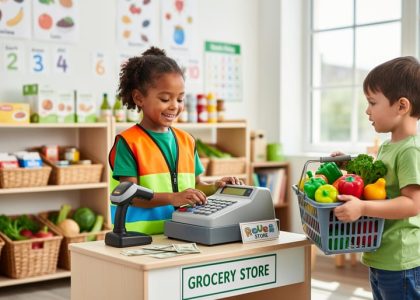
Problem-based learning creates meaningful connections between classroom concepts and real-world scenarios, making learning more relevant and engaging for students. When students tackle authentic challenges from their community or global issues, they develop practical skills while seeing the immediate application of their knowledge.
For example, a middle school science class might investigate local water quality issues, partnering with environmental agencies to collect and analyze data. Math students could work with local businesses to solve inventory or budgeting challenges, while language arts classes might collaborate with community organizations to create awareness campaigns for social issues.
These real-world connections help students understand that their learning extends beyond classroom walls. They see how professionals use similar problem-solving approaches in their careers, which helps them envision future opportunities. Students also develop essential life skills like critical thinking, collaboration, and communication while working on these authentic problems.
By grounding learning in real situations, educators create memorable experiences that students can reference long after the unit ends. This approach naturally integrates multiple subjects, reflecting how challenges in the real world rarely fit into neat subject-area boxes.
Student-Driven Investigation
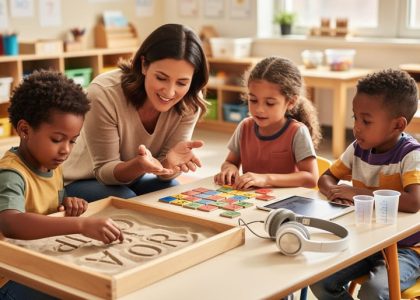
In a problem-based learning environment, the traditional teacher-centered approach transforms into a dynamic, student-driven experience. Teachers shift from being the primary source of information to becoming facilitators who guide students through their learning journey. This transition aligns with modern collaborative learning models that emphasize student autonomy and active participation.
Students take ownership of their learning by identifying problems, conducting research, and developing solutions independently or in small groups. They learn to ask critical questions, analyze information, and make connections across different subjects. This approach naturally develops essential skills like critical thinking, problem-solving, and self-directed learning.
The teacher’s role becomes that of a mentor who provides scaffolding when needed, ensures students stay on track, and helps them reflect on their learning process. This shift not only increases student engagement but also helps develop lifelong learning skills that extend beyond the classroom. Students become more confident in their abilities and more invested in their educational journey as they see the direct connection between their efforts and learning outcomes.

Setting Up Your PBL Classroom

Creating Effective Problem Scenarios
Creating effective problem scenarios is fundamental to successful problem-based learning implementation. Start by selecting real-world challenges that directly connect to your curriculum objectives while incorporating critical thinking strategies throughout the process. The most engaging scenarios are those that reflect situations students might encounter in their daily lives or future careers.
When designing your problem scenarios, consider these key elements:
1. Relevance: Choose topics that resonate with your students’ experiences and interests
2. Complexity: Include multiple layers that require investigation and analysis
3. Open-endedness: Ensure there are various possible solutions to explore
4. Resource accessibility: Ensure necessary materials and information are available
5. Time management: Structure scenarios to fit within your available class periods
Remember to scaffold the difficulty level appropriately for your students’ age group and abilities. For younger learners, start with concrete problems that have clear parameters. As students advance, gradually introduce more complex scenarios with multiple variables and potential outcomes.
Include checkpoints throughout the scenario where students can reflect on their progress and adjust their approach if needed. This helps maintain engagement while developing problem-solving skills. Consider creating scenario banks that you can modify and reuse across different units or subjects, saving valuable planning time while ensuring consistent quality in your problem-based activities.
Essential Resources and Tools
To successfully implement problem-based learning, educators need access to both physical and digital resources. Start with basic classroom supplies like chart paper, sticky notes, and markers for brainstorming and group work. Create a flexible learning space by arranging movable furniture that supports both individual and collaborative work.
Digital tools are essential for modern PBL implementation. Consider using project management platforms like Trello or Padlet to help students organize their work and track progress. Video conferencing tools enable connection with external experts and mentors, while research databases provide students with reliable information sources.
Assessment tools like Kahoot or Quizizz can help measure student understanding throughout the project. Document sharing platforms such as Google Workspace for Education facilitate collaborative work and enable real-time feedback. For creative presentations, tools like Canva or Adobe Spark allow students to showcase their solutions professionally.
Remember to maintain a resource library containing:
– Reference materials relevant to common project themes
– Templates for project planning and reflection
– Rubrics for assessment
– Technology tutorials for students
Consider investing in maker space equipment like 3D printers or robotics kits if budget allows. Most importantly, develop a network of community partners who can serve as subject matter experts or project collaborators. These connections often provide real-world context and resources that enrich the learning experience.

Interactive Strategies That Work
Math and Science Applications
Mathematics and science subjects provide excellent opportunities for implementing problem-based learning, as these fields naturally lend themselves to real-world applications and inquiry-based exploration. Teachers can transform traditional STEM lessons into engaging problem-solving adventures using proven classroom strategies that enhance student understanding and retention.
In mathematics, educators can present real-world scenarios that require mathematical solutions. For example, students might calculate the most cost-effective solar panel installation for their school, combining geometry, algebra, and economics. Another approach involves using data analysis to investigate local environmental issues, incorporating statistics and graphing skills.
Science classes benefit from PBL through experimental design challenges. Students can investigate local water quality issues, design solutions for reducing waste in their cafeteria, or create energy-efficient building models. These projects naturally integrate multiple scientific concepts while developing critical thinking skills.
Key strategies for STEM-based PBL include:
– Starting with an engaging driving question
– Incorporating hands-on experimentation
– Using technology tools for data collection and analysis
– Encouraging collaboration through group work
– Connecting with local STEM professionals
– Emphasizing the engineering design process
Teachers should scaffold these activities appropriately, providing necessary support while maintaining the challenge level. Regular check-ins and structured reflection periods help students process their learning and make connections between concepts. Assessment can include project presentations, lab reports, and peer evaluations, offering multiple ways for students to demonstrate their understanding.
Humanities and Social Sciences
Problem-based learning in humanities and social sciences offers unique opportunities for students to engage with real-world issues while developing critical thinking and research skills. In social studies, teachers can present historical dilemmas, current events, or community challenges that require students to analyze multiple perspectives and propose solutions.
For example, middle school students might investigate local environmental issues by researching historical land use, interviewing community members, and developing action plans for conservation. High school students could examine social justice movements through the lens of both historical and contemporary challenges, creating proposals for addressing ongoing inequities in their communities.
In language arts, PBL activities naturally complement literacy skills development. Students might tackle authentic writing challenges, such as crafting proposals for school improvements, developing community newsletters, or creating educational materials for younger students. These projects integrate reading comprehension, writing, research, and presentation skills while maintaining real-world relevance.
Effective implementation strategies include:
– Starting with compelling essential questions that connect to students’ lives
– Incorporating diverse perspectives and cultural contexts
– Using primary sources and authentic materials
– Encouraging collaboration through group investigations
– Integrating technology for research and presentation
– Building in opportunities for community engagement
Teachers should scaffold the learning process by providing structured research guides, offering regular feedback sessions, and helping students develop time management skills. Regular reflection activities help students connect their learning to broader concepts and real-world applications.
Assessment can include traditional elements like essays and presentations, alongside more innovative approaches such as digital portfolios, community impact reports, and peer evaluations.
Assessment and Progress Tracking
Formative Assessment Techniques
Effective formative assessment is crucial in problem-based learning to monitor student progress and adjust instruction accordingly. Teachers can implement various assessment techniques students enjoy while maintaining educational rigor.
Regular check-ins through exit tickets, digital polls, and quick writes help gauge understanding during PBL activities. Student-led presentations of work-in-progress solutions allow peers to provide constructive feedback while developing communication skills. Learning journals and digital portfolios enable students to document their problem-solving journey and reflect on their growth.
Group observation rubrics help teachers evaluate collaboration and critical thinking skills during team discussions. These can be supplemented with individual self-assessment tools that encourage students to evaluate their contributions and identify areas for improvement.
Real-time digital tools like Padlet or Mentimeter facilitate immediate feedback collection, helping teachers identify misconceptions early and adjust instruction accordingly. Remember to celebrate both the process and outcomes, as this reinforces the value of persistence in problem-solving.
Measuring Long-Term Impact
Tracking the long-term impact of problem-based learning requires a multi-faceted approach that combines both quantitative and qualitative assessment tools. Student portfolios serve as valuable repositories of work samples, reflections, and project outcomes, allowing educators to observe growth patterns over time. Digital assessment platforms can help track key competencies like critical thinking, collaboration, and problem-solving skills through customizable rubrics and progress monitoring features.
Regular student surveys and self-assessments provide insights into learner confidence, engagement levels, and metacognitive development. These can be complemented by periodic interviews with students, parents, and teaching teams to gather comprehensive feedback about the curriculum’s effectiveness.
Documentation of real-world applications is equally important. Keep records of how students apply their learning to community projects, competitions, or personal initiatives. Consider implementing a skills passport system where students can track their mastery of specific competencies across different subjects and projects.
Remember to collect baseline data at the start of implementation to enable meaningful comparisons and demonstrate progress over time. This evidence-based approach helps validate the effectiveness of your problem-based learning program and supports continuous improvement.
Problem-based learning represents a powerful shift in educational practice that can transform how students engage with content and develop critical thinking skills. As we’ve explored throughout this article, implementing PBL doesn’t have to be overwhelming – it can begin with small steps and grow organically within your classroom environment.
Remember that successful PBL implementation relies on careful planning, clear learning objectives, and a willingness to adapt based on student needs. The rewards are substantial: increased student engagement, deeper understanding of subject matter, and the development of real-world problem-solving skills that extend far beyond the classroom.
Start by choosing one unit or lesson to redesign using PBL principles. Draw on your colleagues’ experiences, join educational communities, and don’t hesitate to modify approaches to fit your specific context. Your students’ enthusiasm and growing confidence will affirm that the effort is worthwhile.
As education continues to evolve, PBL stands out as an approach that prepares students for future challenges while making learning meaningful and engaging today. Take that first step – your journey toward problem-based learning begins with embracing the possibility of change in your classroom.