Unlock the power of collaborative learning to transform your classroom into a thriving hub of engagement and growth. By implementing proven strategies such as think-pair-share, jigsaw activities, and peer tutoring, you can create student-centered learning environments that foster critical thinking, problem-solving, and social skills. Embrace the role of facilitator, guiding students through structured group work and providing clear expectations for participation and accountability. Celebrate diversity and inclusivity by designing tasks that leverage each student’s unique strengths and perspectives, ensuring every voice is heard and valued.
Collaborative Learning Fundamentals
Definition and Key Concepts
Collaborative learning is an educational approach that involves students working together in small groups to achieve a common goal. In this model, students actively engage with one another, sharing ideas, knowledge, and skills to solve problems, complete tasks, or create projects. Key concepts of collaborative learning include:
1. Positive interdependence: Each group member’s success is tied to the success of the whole group.
2. Individual accountability: Each student is responsible for their own learning and contributing to the group’s progress.
3. Promotive interaction: Students encourage and facilitate each other’s efforts to learn.
4. Social skills: Collaborative learning fosters the development of interpersonal skills such as communication, leadership, and conflict resolution.
5. Group processing: Teams regularly reflect on their progress and make adjustments to improve their effectiveness.
By incorporating these elements, collaborative learning creates a dynamic and supportive environment that promotes active participation, critical thinking, and deeper understanding of the subject matter.
Benefits for Students
Collaborative learning models offer numerous benefits for students, fostering a dynamic and engaging learning environment. By working together, students develop essential skills such as active listening, effective communication, and teamwork. Collaborative activities encourage students to share ideas, challenge each other’s perspectives, and engage in critical thinking, leading to a deeper understanding of the subject matter. As students learn to articulate their thoughts and consider diverse viewpoints, they enhance their communication skills and build confidence in expressing themselves. Moreover, the supportive nature of collaborative learning creates a sense of belonging and shared responsibility, which can boost student motivation and academic performance. By participating in well-structured collaborative activities, students not only acquire knowledge but also develop lifelong skills that will serve them well beyond the classroom.

Role of the Teacher
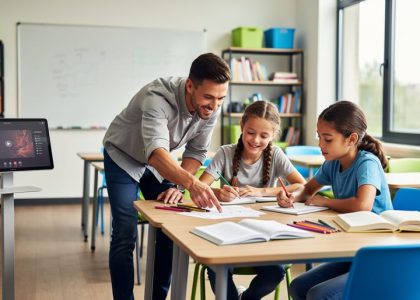
In collaborative learning, the teacher’s role shifts from a traditional lecturer to a facilitator who guides and supports students throughout the learning process. Teachers must carefully plan group activities, ensuring that tasks are engaging, challenging, and aligned with learning objectives. During group work, teachers should monitor progress, provide feedback, and intervene when necessary to keep students on track. Effective facilitation involves asking probing questions, encouraging equal participation, and fostering a positive learning environment. Teachers must also develop strategies for assessing group work, evaluating both individual contributions and overall team performance. By embracing their role as facilitators, teachers can empower students to take ownership of their learning and develop essential collaboration skills.


Collaborative Learning Models
Jigsaw Method
The jigsaw method is a collaborative learning strategy that promotes interdependence and individual accountability among students. In this approach, students are divided into “home” groups, each responsible for learning a specific portion of the content. Members from different home groups who share the same topic form “expert” groups to discuss and master their assigned material. Experts then return to their home groups to teach their portion of the content to their peers. This process ensures that each student plays a crucial role in their own learning and contributes to the group’s overall understanding. The jigsaw method encourages active listening, effective communication, and problem-solving skills while fostering a supportive learning environment. By engaging in this collaborative process, students develop a deeper understanding of the material and cultivate essential social skills that will serve them well beyond the classroom.
Think-Pair-Share
The think-pair-share model is a collaborative learning strategy that promotes active engagement and peer learning. In this model, students are presented with a question or problem and asked to think about it individually. After a brief period of independent reflection, students pair up with a classmate to discuss their ideas and insights. This pairing phase allows students to articulate their thoughts, consider alternative perspectives, and refine their understanding through dialogue. Finally, the pairs share their findings with the larger group, fostering a rich exchange of ideas and facilitating class-wide discussion. By encouraging students to think deeply, communicate effectively, and learn from one another, the think-pair-share model creates a dynamic and inclusive learning environment. This strategy is easily adaptable to various subjects and grade levels, making it a versatile tool for educators seeking to enhance student participation and collaboration in their classrooms.
Group Investigation
The group investigation model is a collaborative learning approach that emphasizes student-led inquiry and autonomy. In this model, students work in small groups to investigate a topic of their choice, following a structured process that fosters critical thinking, problem-solving, and communication skills. The model consists of several phases, including topic selection, planning the investigation, conducting research, synthesizing findings, and presenting results. By allowing students to take ownership of their learning and explore topics that interest them, group investigation promotes intrinsic motivation and deeper understanding. Teachers act as facilitators, guiding students through the process and providing resources and support as needed. This model encourages students to develop essential 21st-century skills, such as collaboration, self-directed learning, and information literacy. By engaging in group investigation, students learn to value diverse perspectives, negotiate roles and responsibilities, and contribute meaningfully to a shared goal.
Reciprocal Teaching
Reciprocal teaching is a powerful collaborative learning model that focuses on enhancing reading comprehension and metacognitive skills. In this model, students take on the role of the teacher, leading structured dialogues with their peers about a given text. The process involves four key strategies: predicting, questioning, clarifying, and summarizing. By engaging in these activities, students actively construct meaning from the text, monitor their own understanding, and support each other’s learning. Teachers facilitate the process by modeling the strategies, providing guidance, and gradually releasing responsibility to the students. Reciprocal teaching not only improves reading comprehension but also fosters critical thinking, communication skills, and a deeper understanding of the learning process itself. As students become more proficient in using these strategies, they develop the confidence and skills necessary to tackle complex texts independently, setting the stage for lifelong learning and academic success.
Implementing Collaborative Learning
Planning and Preparation
Planning collaborative learning activities begins with setting clear objectives and aligning them with curriculum standards. Form diverse student groups based on skills, interests, and learning styles to foster a supportive environment. Assign roles within each group to ensure equal participation and accountability. Establish expectations for behavior, communication, and task completion through discussion and written agreements. Prepare necessary materials and resources, considering the unique needs of each group. Develop a structured timeline for the activity, including checkpoints for monitoring progress and providing feedback. By carefully planning and preparing, educators can create meaningful, engaging collaborative learning experiences that empower students to take ownership of their learning.
Monitoring and Assessing Group Work
To effectively monitor and assess group work, educators should regularly observe group interactions, noting each student’s contributions and the overall group dynamic. Implementing self and peer assessment tools, such as rubrics or reflection logs, can help students evaluate their own and their teammates’ performance. Providing timely, constructive feedback is crucial for guiding students’ growth and fostering a supportive learning environment. Educators can use a variety of methods, including one-on-one meetings, written comments, or digital platforms, to deliver feedback that acknowledges successes, identifies areas for improvement, and offers specific strategies for progress. By consistently monitoring and assessing group work, educators can ensure that collaborative learning experiences are productive, equitable, and beneficial for all students.
Overcoming Challenges
Implementing collaborative learning can present challenges, such as ensuring equal participation, managing group dynamics, and assessing individual contributions. To overcome these obstacles, educators should set clear expectations, assign roles within groups, and provide structured guidelines for collaboration. Regularly monitoring group progress and offering timely feedback can help keep students on track. Incorporating self and peer assessments encourages accountability and reflection. By creating a supportive classroom environment that values diversity and open communication, teachers can foster a culture of collaboration where all students feel empowered to contribute and learn from one another. With patience, flexibility, and a commitment to continuous improvement, educators can successfully navigate the challenges of collaborative learning.
Conclusion
In conclusion, collaborative learning models offer a powerful approach to enhancing student engagement, critical thinking skills, and social-emotional development in K-12 classrooms. By fostering a sense of community, encouraging active participation, and promoting problem-solving and communication skills, these models prepare students for success in their academic and professional lives. As educators, it is our responsibility to embrace innovative teaching methods that prioritize student-centered learning and create inclusive, supportive classroom environments. By implementing collaborative learning strategies, such as cooperative learning, project-based learning, and peer tutoring, we can empower our students to become active participants in their own education and develop essential 21st-century skills. We encourage all educators to explore the various collaborative learning models available and find ways to incorporate them into their teaching practice. With the right tools, resources, and mindset, we can transform our classrooms into dynamic, engaging spaces where students thrive and reach their full potential. Together, let us embrace the power of collaboration and pave the way for a brighter future for our students.