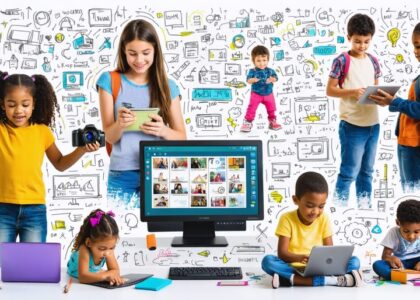
Transform your classroom into a dynamic learning environment with project-based learning (PBL) – an approach that empowers students to tackle real-world challenges while mastering core academic content. From designing sustainable gardens to launching student-run businesses, PBL turns abstract concepts into hands-on experiences that spark curiosity and drive deeper understanding.
Today’s educators have witnessed remarkable results through PBL: increased student engagement, better retention of material, and the development of crucial 21st-century skills like critical thinking, collaboration, and problem-solving. Whether you’re new to PBL or looking to enhance your existing practice, this guide showcases proven examples across multiple grade levels and subject areas.
See how a fourth-grade class transformed their study of local ecosystems into a community conservation project, or how high school students applied physics principles to design and build working solar-powered vehicles. These projects don’t just teach standards – they create meaningful connections between classroom learning and the world beyond school walls.
Discover how you can implement similar projects in your classroom, complete with practical planning frameworks, assessment strategies, and tips for overcoming common challenges. Let’s explore how project-based learning can revolutionize your teaching practice and prepare students for future success.
STEM Projects That Spark Scientific Curiosity
Environmental Science Investigation Projects
Environmental science projects offer students exciting opportunities to explore and impact their local ecosystems while developing critical research skills. A popular approach involves students conducting water quality studies of nearby streams or lakes, where they collect samples, analyze pH levels, and monitor pollutants over time. Students can then present their findings to local environmental agencies or community groups.
Another engaging project focuses on biodiversity mapping within school grounds or local parks. Students catalog plant and animal species, create digital maps, and track seasonal changes. This hands-on experience helps them understand ecosystem interconnections while building data collection and analysis skills.
Waste management investigations are particularly effective in promoting environmental awareness. Students can audit their school’s waste production, design recycling programs, or create composting systems. These projects often lead to meaningful campus improvements and foster community engagement.
Climate change impact studies allow students to monitor local weather patterns, compare historical data, and investigate effects on local flora and fauna. They might create weather stations, track temperature changes, or study shifting migration patterns of local birds.
For younger students, butterfly gardens or pollinator projects provide tangible connections to environmental concepts. Students research native plants, design garden layouts, and monitor insect populations throughout the growing season. These projects naturally integrate math, science, and writing while developing environmental stewardship skills.
Through these investigations, students not only learn scientific concepts but also develop solutions to real environmental challenges in their communities.

Engineering Design Challenges
Engineering design challenges offer students the opportunity to tackle real-world problems while developing critical thinking and practical skills. A popular example is the “Sustainable School” project, where students analyze their school’s energy usage and design solutions to reduce environmental impact. Students might create solar panel proposals, develop water conservation systems, or design energy-efficient lighting solutions.
Another engaging challenge is the “Community Accessibility Project,” where students identify and address mobility issues in their neighborhood. They might design improved wheelchair ramps, develop solutions for safer pedestrian crossings, or create innovative assistive devices for elderly community members.
The “Natural Disaster Response” challenge encourages students to develop emergency solutions for their local area. Teams might design flood prevention systems, create earthquake-resistant building models, or develop emergency communication devices. This project naturally integrates physics, environmental science, and community planning.
For younger students, the “Playground Enhancement” project allows them to redesign playground equipment to be more inclusive and safer. They learn about materials science, ergonomics, and inclusive design while creating solutions that benefit their peers.
These engineering challenges are particularly effective because they:
– Connect directly to community needs
– Integrate multiple STEM disciplines
– Require practical problem-solving
– Promote teamwork and communication
– Provide tangible results students can see in their community
Remember to guide students through the engineering design process: problem identification, research, brainstorming, prototyping, testing, and refinement.
Humanities Projects That Build Critical Thinking
Community History Documentary Projects
Community history documentary projects engage students in meaningful research while fostering connections with their local community. Students become historians as they collect oral histories, examine historical documents, and create compelling narratives about their town or neighborhood’s past.
A typical project might involve students interviewing long-time residents, visiting local historical societies, and examining archived newspapers. They can document changes in local businesses, track demographic shifts, or explore significant events that shaped their community. Students might focus on themes like immigration patterns, industrial development, or cultural traditions that have evolved over time.
The final products can take various forms, such as documentary films, digital storytelling presentations, or interactive websites. Students might create a virtual museum exhibit, produce a podcast series, or develop a photo essay chronicling their community’s transformation. These projects often culminate in public presentations where community members are invited to view and discuss the students’ findings.
This approach develops crucial research and communication skills while building cultural awareness and civic engagement. Students learn to evaluate sources, conduct interviews, analyze historical evidence, and present information effectively. The projects also help strengthen community ties as students connect with local organizations, government offices, and residents who become valuable resources and audience members.
Teachers can scaffold these projects by providing research templates, interview guides, and digital tools while allowing students to drive the investigation based on their interests and discoveries.

Social Justice Advocacy Projects
Social justice advocacy projects empower students to identify, research, and address real community issues while developing critical thinking and civic engagement skills. For example, middle school students might investigate food insecurity in their neighborhood, partnering with local food banks to organize collection drives and create awareness campaigns. High school students could research environmental justice issues, documenting the impact of pollution on different communities and presenting their findings to local government officials.
These projects often begin with students conducting community surveys or interviews to identify pressing social issues. They then work collaboratively to develop action plans, set measurable goals, and implement solutions. A successful example includes students addressing bullying through peer mediation programs, creating educational videos, and organizing school-wide awareness events.
Another impactful approach involves students examining accessibility issues for differently-abled individuals in their school or community. They might conduct accessibility audits, propose improvements, and advocate for changes through presentations to school boards or city councils.
These projects naturally integrate multiple subjects: students use math skills for data analysis, language arts for communication and advocacy, social studies for understanding systemic issues, and technology for research and presentation. The real-world impact of these projects helps students see themselves as capable change-makers while developing essential academic and life skills.
Teachers can scaffold these projects by providing structured guidance in research methods, project management, and professional communication, ensuring students feel supported while tackling complex social issues.
Cross-Disciplinary Projects That Connect Subjects
School Garden Projects
School gardens offer a rich environment for integrating multiple subjects while providing hands-on learning experiences. Students engage in real-world applications of science by studying plant life cycles, soil composition, and environmental factors affecting growth. Mathematical concepts come alive as learners measure garden plots, calculate seed spacing, and track plant growth data using charts and graphs.
The social studies component emerges naturally as students research traditional farming methods, investigate local agricultural history, and explore sustainable food systems in their community. Classes can collaborate to design garden layouts, create planting schedules, and develop maintenance routines, fostering teamwork and problem-solving skills.
A particularly effective approach involves having students manage a seasonal growing calendar. They can research which crops grow best in their climate, plan harvest times to align with school events, and even organize a farmers’ market to practice entrepreneurship skills. This project also presents opportunities to incorporate technology through digital documentation, weather tracking apps, and online research.
Teachers report that garden projects significantly increase student engagement and provide authentic contexts for learning. Students take ownership of their learning as they monitor plant progress, troubleshoot issues like pest control, and celebrate successful harvests. The tangible results of their efforts make abstract concepts concrete and memorable, while developing environmental stewardship and healthy eating habits.

Digital Storytelling Projects
Digital storytelling projects combine traditional narrative skills with modern technology, creating engaging learning experiences that develop multiple competencies simultaneously. Students can use tools like Adobe Spark, Storybird, or simple video editing software to craft compelling stories that incorporate images, audio, and text.
For example, middle school students might create a digital narrative about historical figures, combining research skills with creative storytelling. They could gather historical facts, write scripts, select period-appropriate images, and record voiceovers to bring their subjects to life. Elementary students might craft digital stories about scientific concepts, using animation to explain processes like the water cycle or photosynthesis.
These projects naturally integrate multiple subjects: writing skills from language arts, visual design from art class, and technical skills from computer literacy. Students learn to storyboard their ideas, write clear narratives, select appropriate media, and consider their audience – all valuable real-world skills.
Teachers can scaffold these projects by:
– Starting with simple tools and gradually introducing more complex features
– Providing clear rubrics that balance technical, creative, and content elements
– Encouraging peer feedback during development
– Creating opportunities for students to share their stories with authentic audiences
Digital storytelling projects are particularly effective for engaging diverse learners, as they allow students to express themselves through multiple mediums and play to their individual strengths while developing new skills.
Implementation Strategies for Success
Assessment and Evaluation Methods
Effective assessment in project-based learning combines traditional evaluation methods with innovative approaches that capture the full scope of student achievement. Rubrics serve as essential tools, clearly outlining expectations across multiple dimensions such as content knowledge, collaboration, creativity, and presentation skills.
Formative assessment plays a crucial role throughout the project timeline. Teachers can use observation checklists, peer feedback sessions, and project journals to monitor progress and provide timely guidance. Regular check-ins allow educators to identify struggles early and adjust support as needed.
Student self-assessment encourages metacognition and ownership of learning. Simple tools like “exit tickets” or reflection logs help students track their growth and understanding. Portfolio development, where students collect and curate their best work, provides evidence of learning over time.
For summative assessment, consider using:
– Project presentations to authentic audiences
– Digital portfolios showcasing process and product
– Peer evaluation forms
– Written reflections on learning outcomes
– Performance-based demonstrations
– Project documentation through photos and videos
Remember to assess both individual contributions and group dynamics. A combination of individual and team grades helps maintain accountability while promoting collaboration. Success criteria should be shared with students at the project’s start, ensuring transparency and goal-oriented work throughout the learning experience.
Resource Management Tips
Effective resource management is crucial for successful project-based learning implementation. Start by creating detailed project timelines with clear milestones and checkpoints. Use digital planning tools or simple wall charts to help students visualize their progress and manage deadlines effectively.
For materials management, establish a designated storage system where project supplies are organized and easily accessible. Consider creating project supply kits for each team, and assign student “resource managers” to maintain inventory and ensure responsible use of materials. This builds both organization skills and leadership capacity.
When it comes to student collaboration, implement structured roles within project teams. Rotate these roles regularly to give everyone experience with different responsibilities. Use collaborative digital platforms for document sharing and communication, making it easier to track contributions and maintain project momentum. These tools also facilitate cross-subject integration strategies when working with multiple teachers.
Set up clear communication channels between student teams and establish checkpoint meetings where groups can share progress and challenges. Create a help request system where students can signal when they need additional support or resources, promoting independence while ensuring they don’t get stuck.
Remember to build in buffer time for unexpected challenges and celebrate small wins along the way. This helps maintain momentum and keeps students engaged throughout the project lifecycle.
Project-based learning offers transformative benefits that can revolutionize your classroom and deeply engage your students. Through PBL, we’ve seen students develop critical thinking skills, enhance their creativity, and build lasting collaborative relationships. The real-world connections formed through these projects make learning more meaningful and memorable, while helping students see the practical applications of their academic work.
As you consider implementing PBL in your classroom, remember that you don’t need to transform your entire curriculum overnight. Start small with a single project that aligns with your current teaching goals. Pay attention to how your students respond and adjust your approach based on their engagement and learning outcomes. The flexibility of PBL allows you to adapt projects to meet your students’ unique needs and interests.
Your journey into project-based learning will undoubtedly have its challenges, but the rewards – seeing students take ownership of their learning, watching their confidence grow, and witnessing their excitement as they tackle real-world problems – make it all worthwhile. Connect with other educators in your school or online communities who are implementing PBL, share experiences, and learn from each other’s successes and challenges.
Take that first step today. Choose one unit or lesson that could be enhanced through project-based learning and start planning. Your students are ready for this adventure, and you have the power to create meaningful learning experiences that will stay with them long after they leave your classroom.