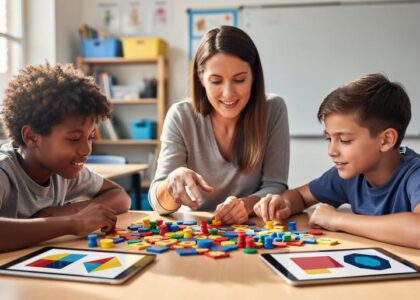
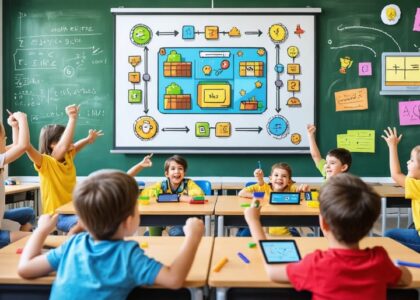
Student-based learning revolutionizes traditional education by placing learners at the center of their educational journey, empowering them to take control of their academic growth. Unlike conventional teacher-centered approaches, this dynamic methodology transforms students from passive recipients into active participants who drive their own learning experiences. Modern educators are increasingly integrating game-based learning vs gamification strategies to enhance student engagement and autonomy in this approach.
By focusing on individual learning styles, interests, and pace, student-based learning creates a more inclusive and effective educational environment. This personalized approach not only boosts academic achievement but also develops crucial life skills such as critical thinking, self-direction, and resilience. Research consistently shows that when students take ownership of their learning process, they demonstrate higher levels of motivation, deeper understanding of content, and improved long-term retention of knowledge.
As we prepare learners for an increasingly complex world, student-based learning stands out as a powerful framework that nurtures both academic excellence and essential 21st-century skills.
What Makes Student-Based Learning Different?
Key Elements of Student-Based Learning
Student-based learning revolves around five essential elements that work together to create an effective learning environment. First, personalized learning paths allow students to progress at their own pace, ensuring they master concepts before moving forward. This approach recognizes that every student has unique learning needs and styles.
The second key element is active engagement, where students take ownership of their learning journey. Rather than passively receiving information, they participate in hands-on activities, discussions, and problem-solving exercises that deepen their understanding.
Choice and voice form the third element, giving students input in how they learn and demonstrate their knowledge. This might include selecting project topics or choosing presentation formats that best showcase their understanding.
Real-world connections constitute the fourth element, linking classroom learning to practical applications. This helps students understand the relevance of their studies and increases motivation.
Finally, ongoing assessment and feedback create the fifth element. Instead of relying solely on traditional tests, teachers use multiple assessment methods to gauge understanding and adjust instruction accordingly. This continuous feedback loop helps both students and teachers track progress and identify areas for improvement.
The Student as an Active Participant
In student-based learning, learners step into the driver’s seat of their educational journey. Rather than passively receiving information, students actively engage in setting learning goals, choosing study methods, and tracking their progress. They learn to ask meaningful questions, seek answers independently, and reflect on their understanding. This shift in responsibility helps develop crucial skills like critical thinking, self-regulation, and metacognition.
Students become empowered decision-makers, selecting projects that align with their interests while meeting learning objectives. They collaborate with peers, give and receive feedback, and adjust their strategies based on results. Through this process, they develop a deeper understanding of not just what they’re learning, but how they learn best. This ownership of the learning process increases motivation, builds confidence, and prepares students for lifelong learning.

Integrating Student-Based Learning with Games

Creating Personalized Gaming Experiences
Creating personalized gaming experiences in student-based learning requires a thoughtful approach to transforming education through play while meeting individual student needs. Start by assessing each student’s current skill level, learning preferences, and interests. Use this information to select or modify educational games that offer multiple difficulty levels and learning paths.
Consider implementing adaptive gaming platforms that automatically adjust to student performance, providing more challenging content when students excel and additional support when they struggle. Include options for different learning styles by incorporating visual, auditory, and kinesthetic elements within the games.
Create choice boards that allow students to select from various game-based activities aligned with learning objectives. This empowers students to take ownership of their learning journey while ensuring educational goals are met. Remember to incorporate regular check-ins and progress monitoring to adjust game parameters and difficulty levels as needed.
To maximize engagement, allow students to customize game characters, storylines, or challenge types within appropriate educational boundaries. This personalization helps maintain motivation while ensuring learning outcomes remain the focus of the gaming experience.
Assessment Through Gaming
Gaming offers a unique opportunity to assess student progress in real-time while maintaining engagement. Through carefully designed game-based activities, educators can gather valuable data about student understanding, problem-solving abilities, and critical thinking skills without the pressure of traditional testing.
Digital games can track various metrics, including completion rates, time spent on tasks, decision-making patterns, and collaboration with peers. These insights help teachers identify areas where students excel or need additional support. For example, a math game might reveal that a student struggles with fractions but excels at geometry, allowing for targeted intervention.
Assessment through gaming also promotes self-evaluation. Students can see their progress through achievement levels, points, or badges, encouraging them to reflect on their learning journey. This immediate feedback loop helps learners understand their strengths and areas for improvement naturally.
Teachers can use gaming analytics to create personalized learning paths, adjust instruction methods, and provide timely support. Progress reports generated from gaming platforms can supplement traditional assessments, offering a more comprehensive view of student achievement while maintaining the fun and engagement that makes game-based learning effective.
Practical Implementation Strategies
Starting Small: First Steps
Starting your journey into student-based learning doesn’t require a complete overhaul of your teaching methods overnight. Begin with small, manageable steps that allow both you and your students to adjust gradually to this new approach.
Start by introducing choice in daily activities. For example, let students select between two different homework assignments or choose their preferred method for presenting a topic. This simple step helps students develop decision-making skills while maintaining instructional control.
Create learning stations in your classroom where students can work at their own pace. Set up 3-4 different areas focusing on the same concept but using different learning approaches – perhaps one station for reading, another for hands-on activities, and a third for digital learning. This allows students to discover their preferred learning styles while achieving the same learning objectives.
Implement regular reflection periods where students can think about their learning process. A simple “exit ticket” at the end of class asking students what they learned and how they learned it best can provide valuable insights for both teacher and student.
Remember, consistency is more important than speed. These small changes will gradually build confidence in both you and your students, creating a foundation for more extensive student-based learning implementation.

Scaling Up: Advanced Techniques
As educators become more comfortable with student-based learning, they can implement more sophisticated strategies to enhance their practice. One powerful approach is to transform your classroom into an engaging game, incorporating elements like achievement levels, collaborative challenges, and personalized learning paths.
Consider implementing digital portfolios where students can track their progress and reflect on their learning journey. These portfolios can include multimedia elements, peer feedback, and self-assessment components, providing a comprehensive view of student growth.
Advanced differentiation techniques can be employed by creating flexible learning environments where students can choose from various learning modalities. This might include establishing learning stations with different complexity levels, incorporating project-based assessments, and utilizing adaptive technology platforms.
Develop student leadership roles within the classroom by implementing peer mentoring programs and student-led workshops. This approach not only empowers students but also creates a sustainable learning community where knowledge is shared organically.
Remember to regularly collect and analyze data from multiple sources to refine your approach. This might include student surveys, performance metrics, and peer observations, allowing for continuous improvement of your student-based learning implementation.
Student-based learning represents a powerful shift in educational practice that can transform your classroom into a dynamic, engaging space where students truly thrive. By implementing these learner-centered approaches, you’re not just teaching content – you’re empowering students to become active participants in their educational journey.
Remember that transitioning to student-based learning doesn’t have to happen all at once. Start small by incorporating one or two strategies, such as giving students choice in assignments or implementing peer learning groups. As you and your students become more comfortable with these methods, you can gradually expand your approach.
The benefits you’ll see – from increased student engagement and motivation to improved critical thinking skills and academic outcomes – make this educational approach well worth the effort. Your role as a facilitator of learning rather than a traditional lecturer will open new possibilities for both you and your students.
Take that first step today. Choose one strategy from this guide and try it in your next lesson. Connect with fellow educators, share experiences, and learn from each other. Together, we can create more dynamic, inclusive, and effective learning environments that prepare our students for future success.