Dive into the captivating world of marine zoology with your students through transformative eco-adventure learning experiences that bring ocean science to life. Marine ecosystems offer an unparalleled classroom where students can observe complex biological relationships, study diverse species adaptations, and understand critical conservation challenges firsthand.
For educators seeking to enrich their science curriculum, marine zoology provides a perfect blend of hands-on discovery and academic rigor. From tide pool investigations to plankton sampling activities, these real-world experiences create lasting connections between theoretical concepts and practical understanding. Students develop critical thinking skills while exploring marine food webs, investigating animal behavior, and examining the impacts of environmental changes on ocean life.
The beauty of marine zoology lies in its interdisciplinary nature – combining elements of biology, chemistry, physics, and environmental science into engaging lessons that meet multiple curriculum standards. Whether studying coastal habitats or deep-sea ecosystems, students gain valuable insights into the interconnectedness of marine life and develop a deeper appreciation for ocean conservation.
Planning Your Marine Ecology Field Experience
Safety and Equipment Essentials
When conducting marine research with students, prioritizing safety is paramount. Essential outdoor safety skills and proper equipment ensure both educational success and participant well-being. Start with personal flotation devices (PFDs) for each student and instructor, ensuring they’re properly fitted and Coast Guard-approved. Keep a fully stocked first aid kit specifically designed for marine environments, including materials for treating cuts, stings, and seasickness.
Weather-appropriate clothing is crucial – students should have water-resistant layers, sun protection (including hats and sunscreen), and closed-toe water shoes. For data collection, provide waterproof notebooks, collection containers, and basic measurement tools like rulers and thermometers. Remember to bring emergency communication devices, including a waterproof marine radio and cell phone in a protective case.
Always maintain appropriate student-to-instructor ratios and establish clear emergency procedures. Keep safety equipment easily accessible, including throw ropes, emergency whistles, and basic tool kits. These preparations allow students to focus on learning while staying safe in marine environments.
Location Selection and Timing
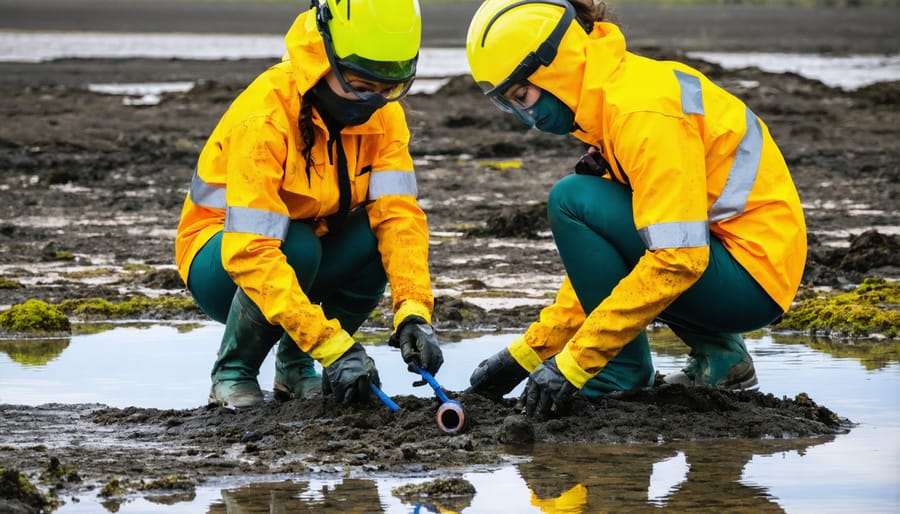
When planning marine zoology activities, selecting the right location and timing can make all the difference in your students’ learning experience. Coastal areas with easily accessible tide pools offer excellent starting points for beginners, while protected marine reserves provide more diverse ecosystems for advanced study. Consider locations within walking distance of your school or those that offer educational programs and guided tours.
Safety should be your primary concern when choosing study sites. Look for areas with gentle slopes, stable footing, and minimal wave action. Public beaches with lifeguard stations and clear emergency protocols are ideal for school groups.
Timing your visits is equally crucial. Plan around low tide periods when marine life is most visible and accessible. Spring and fall typically offer the most comfortable weather conditions and abundant wildlife viewing opportunities. Check local tide tables and weather forecasts at least two weeks in advance.
For year-round learning, consider partnering with local aquariums or marine research centers. These facilities provide controlled environments where students can observe marine life regardless of weather conditions or seasons. Many offer specialized programs aligned with educational standards and can accommodate different grade levels.
Hands-on Research Activities
Tide Pool Exploration
Tide pools offer an accessible and engaging way to introduce students to marine ecosystems. These natural laboratories provide hands-on opportunities to observe and study various marine organisms in their natural habitat. When planning a tide pool exploration, timing is crucial – schedule your visit during low tide and check local tide tables in advance.
Before heading out, equip your class with basic tools: clear viewing boxes (made from recycled containers), magnifying glasses, field guides, and data collection sheets. Remind students to wear appropriate footwear with good grip and to bring sun protection. Safety should always be your priority – establish clear boundaries and buddy systems.
Start your exploration by having students carefully observe the different zones within the tide pool. Encourage them to document what they find using sketches, photographs, or simple species tallies. Common organisms they might encounter include sea anemones, hermit crabs, small fish, and various types of seaweed.
Create interactive learning experiences by having students measure environmental factors like water temperature and salinity. Challenge them to identify adaptation patterns among different species – how do organisms protect themselves from wave action, prevent drying out, or avoid predators?
Remember to emphasize responsible exploration practices. Teach students to observe without disturbing, return overturned rocks to their original position, and avoid removing any organisms from their habitat. This hands-on experience helps foster environmental stewardship while meeting science curriculum standards.
Marine Organism Sampling
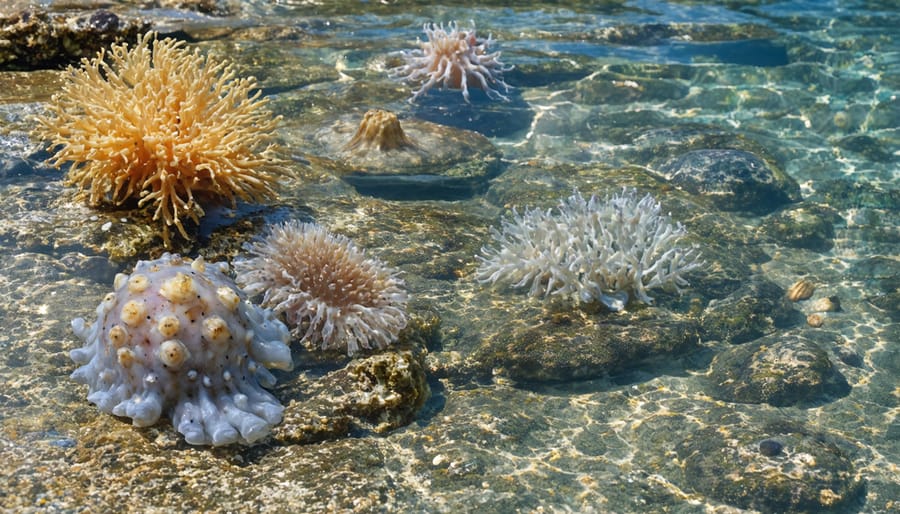
When collecting marine organisms for classroom observation, it’s essential to use gentle, non-invasive techniques that protect both the specimens and their habitat. Start by obtaining necessary permits and familiarizing yourself with local regulations regarding marine life collection.
For tide pool sampling, use soft-mesh nets or hand-collection methods, being careful not to damage delicate organisms. Clear plastic containers filled with seawater make excellent temporary observation vessels. Always maintain proper water temperature and quality during collection and transport.
Plankton sampling can be conducted using simple tools like fine-mesh nets or even homemade collection devices. Students can participate by gently towing nets through surface waters, then examining their catches under microscopes back in the classroom.
Remember the “catch and release” principle – return organisms to their exact collection location after observation. Limit handling time to reduce stress on marine life, and never collect endangered or protected species. Document observations through photographs rather than removing specimens whenever possible.
For safety, always work in pairs or small groups, wear appropriate footwear, and check tide schedules before fieldwork. Bring first aid supplies and maintain communication with other staff members. Consider creating observation stations on the shore where students can examine specimens in shallow containers before careful release.
By modeling responsible collection practices, you’ll help students develop respect for marine ecosystems while gathering valuable data for classroom learning.
Connecting Field Work to Classroom Learning
Data Collection and Analysis
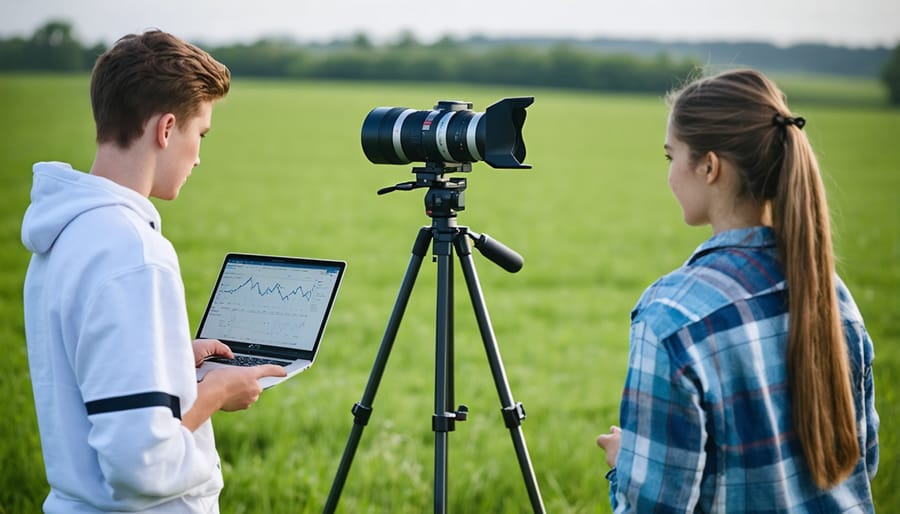
Field observations in marine zoology require systematic data collection methods that are both rigorous and student-friendly. Start by having students use waterproof notebooks or digital tablets in protective cases to record their observations. Create simple data sheets with clear categories like species name, physical characteristics, behavior patterns, and environmental conditions.
For younger students, encourage the use of sketches and basic tally marks to document marine life sightings. Older students can incorporate more detailed measurements, including water temperature, salinity levels, and tide conditions. Digital cameras and underwater photography equipment can provide valuable visual documentation, while smartphone apps designed for species identification help students verify their observations.
When analyzing collected data, guide students through organizing their findings using spreadsheets or collaborative online tools. Have them look for patterns in animal behavior, population distribution, and habitat preferences. Simple graphs and charts can help visualize the data, making it more accessible and meaningful for students of all ages.
Consider implementing citizen science projects where students can contribute their observations to larger databases. This not only teaches data collection methods but also shows students how their work connects to real scientific research. Remember to emphasize the importance of accurate recording and ethical observation practices that minimize disruption to marine life and their habitats.
Post-Expedition Projects
Turn your marine expedition into a lasting learning experience with these engaging follow-up activities. Create a classroom marine life display using student-collected photos, sketches, and data from the field trip. Encourage students to develop digital presentations showcasing their findings and sharing them with other classes or during school assemblies.
Set up a marine ecology blog where students can post their observations, research findings, and reflections. This digital platform allows them to continue their scientific discussions and share discoveries with peers long after the expedition ends. Consider organizing a “Marine Science Fair” where students can present research projects inspired by their field experience.
Establish collaborative art projects that combine scientific knowledge with creativity. Students can create detailed marine life models, design educational posters, or craft marine ecosystem dioramas. These visual representations help reinforce learning while developing artistic skills.
Start a citizen science initiative by having students contribute their field data to online marine research databases. This connects classroom learning to real-world scientific research and shows students how their observations matter.
Create a marine conservation action plan where students identify local marine environmental issues and develop solutions. This transforms their field experience into meaningful community engagement while building problem-solving skills.
Maintain connections with marine research facilities visited during the expedition through virtual follow-up sessions, allowing students to ask questions and learn about ongoing research projects.
Marine zoology expeditions have proven to be transformative experiences for students, offering far more than just academic knowledge. These hands-on encounters with marine life create lasting impressions that spark scientific curiosity and environmental awareness. Students who participate in marine field studies consistently demonstrate improved understanding of ecological concepts, enhanced observation skills, and a deeper appreciation for marine conservation.
The impact extends beyond science education. Students develop crucial life skills including teamwork, critical thinking, and problem-solving through their field experiences. Working alongside marine biologists and conducting real scientific research helps students envision themselves in STEM careers, particularly those from underrepresented groups who may not otherwise consider such paths.
Teachers report that marine zoology expeditions create powerful learning moments that transfer back to the classroom. Students show increased engagement in related subjects, improved retention of scientific concepts, and greater enthusiasm for environmental stewardship. These experiences often lead to student-initiated projects and continued interest in marine science.
The collaborative nature of marine field studies also strengthens classroom community. Students who share these experiences develop stronger bonds with their peers and teachers, creating a more positive learning environment. Many educators note that these shared adventures become touchstone moments that classes reference throughout the academic year.
As we continue to face global environmental challenges, these formative experiences in marine zoology help create informed, environmentally conscious citizens who understand the importance of ocean conservation and scientific research.