K-12 education in the United States stands at a critical crossroads, facing unprecedented challenges and opportunities in preparing students for an increasingly complex world. As educators integrate environmental education principles and emerging technologies into their classrooms, the traditional model of education continues to evolve. Recent data shows that while American students excel in creative problem-solving and innovation, they still lag behind many international counterparts in core subjects like mathematics and science.
The current landscape of K-12 education reflects a dynamic shift toward personalized learning, digital literacy, and social-emotional development. With nearly 50 million students enrolled in approximately 98,000 public schools across the nation, educators are reimagining teaching methods to address diverse learning needs and ensure equitable access to quality education. The integration of project-based learning, STEM initiatives, and comprehensive assessment strategies has become essential in preparing students for future success.
This transformation in American education emphasizes not just academic achievement, but also the development of critical thinking skills, cultural competency, and technological proficiency. As schools adapt to post-pandemic realities and embrace innovative teaching approaches, the focus remains on creating resilient, adaptable learners ready to thrive in an ever-changing global environment.
Building Sustainable Classrooms Through Circular Practices
Resource Management in Schools
Schools across the United States are increasingly adopting sustainable resource management practices, recognizing their role in environmental stewardship and fiscal responsibility. Implementing effective recycling programs and waste reduction strategies not only benefits the environment but also creates valuable learning opportunities for students.
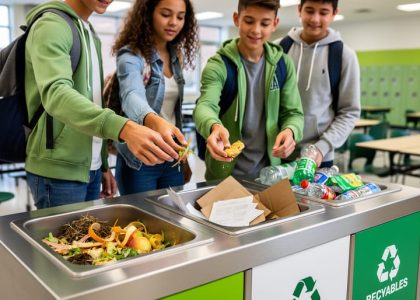
Successful resource management in schools typically begins with a comprehensive waste audit to identify areas of improvement. Many schools have found success by establishing student-led green teams that monitor recycling stations and educate their peers about proper waste sorting. These initiatives often include clearly labeled bins for different materials, including paper, plastics, and compostable items.
To reduce waste, schools are implementing innovative solutions such as switching to digital documentation, installing water bottle refill stations, and partnering with local composting facilities. Cafeterias are moving away from single-use items by introducing reusable trays and encouraging waste-free lunches. Some schools have even created school gardens that utilize composted cafeteria waste as fertilizer.
Educational institutions are also finding creative ways to repurpose materials within the school community. Art teachers often maintain “resource rooms” where cleaned recyclable materials become craft supplies, while science classes use recyclables for experiments and engineering projects. Many schools have established successful partnerships with local recycling centers and environmental organizations to enhance their programs through education and resources.
These initiatives not only reduce operational costs but also instill lifelong environmental awareness in students, making resource management an essential component of modern K-12 education.

Digital vs. Physical Resources
Modern K-12 education requires a thoughtful balance between digital and physical learning resources. While technology offers unprecedented access to information and interactive learning experiences, traditional physical materials continue to play a vital role in student development and engagement.
Digital resources like educational apps, online learning platforms, and virtual laboratories provide dynamic, personalized learning experiences and instant feedback. They enable students to learn at their own pace and access up-to-date information easily. These tools also support distance learning capabilities and help develop crucial digital literacy skills needed for future success.
However, physical resources remain irreplaceable in many aspects of learning. Hands-on materials, printed books, and manipulatives provide tactile experiences that enhance cognitive development and motor skills. They also reduce screen time and promote better focus, especially among younger students. Physical resources don’t require internet connectivity or device maintenance, making them reliable and accessible to all students regardless of their technological resources at home.
The most effective approach combines both digital and physical resources strategically. For example, using physical science equipment alongside digital simulations, or complementing print books with interactive e-reading activities. This hybrid model helps accommodate diverse learning styles while building both traditional and digital literacy skills.
Teachers should regularly assess the effectiveness of both resource types and adjust their usage based on student needs, subject matter, and learning objectives. This flexible approach ensures sustainable education practices while maximizing student engagement and learning outcomes.
Integrating Circular Economy into Curriculum
STEM Applications
Integrating sustainability concepts into STEM subjects creates meaningful connections between academic content and real-world environmental challenges. Following STEM education best practices, teachers can incorporate environmental themes into their daily lessons while meeting core curriculum requirements.
In mathematics, students can analyze renewable energy data, calculate carbon footprints, or explore statistical trends in climate change. These practical applications make abstract concepts more tangible while developing critical thinking skills. Simple activities like tracking school energy usage or calculating waste reduction percentages provide authentic learning experiences.
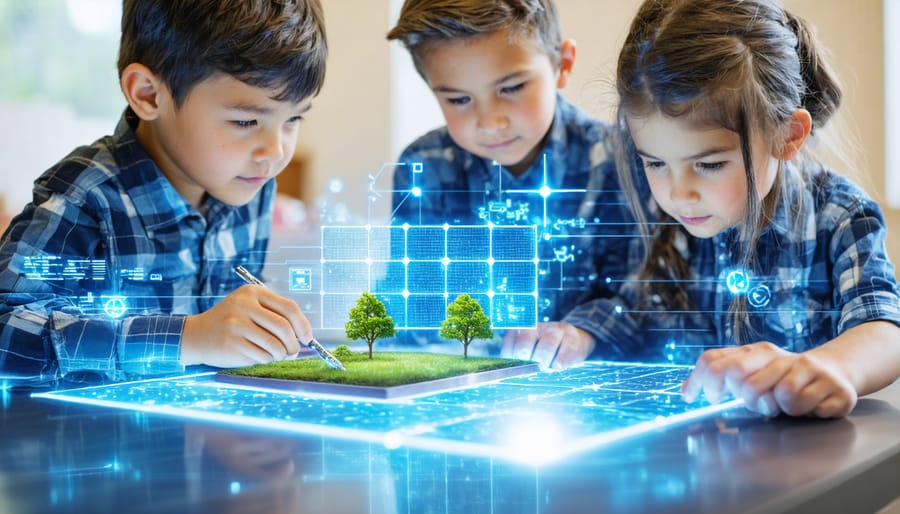
Science classes naturally lend themselves to sustainability integration. Students can conduct experiments with solar panels, design water filtration systems, or study local ecosystems. These hands-on projects demonstrate scientific principles while fostering environmental awareness. Chemistry classes can explore green chemistry concepts, while biology courses can examine biodiversity and ecosystem relationships.
Technology and engineering classes offer opportunities for students to design sustainable solutions to environmental challenges. Projects might include creating energy-efficient building models, developing apps to track resource usage, or designing recycling systems for the school community.
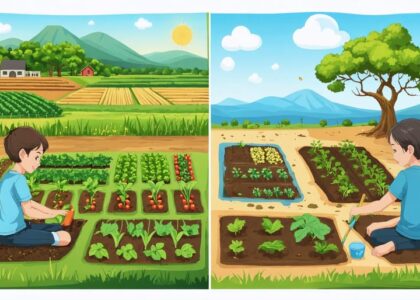
To support these initiatives, many schools are establishing outdoor learning spaces and school gardens, providing living laboratories for STEM exploration. These spaces allow students to conduct experiments, collect data, and observe natural systems firsthand, making abstract concepts concrete and memorable.
Social Studies and Environmental Literacy
In modern K-12 education, social studies and environmental literacy have become increasingly interconnected, creating powerful learning opportunities that help students understand their role in both society and the natural world. Teachers across grade levels are integrating environmental topics into their social studies curricula, helping students explore how human activities impact ecosystems and communities.
Elementary school programs often begin with local environmental issues, teaching students about their community’s recycling programs, water conservation efforts, and green spaces. These lessons incorporate mapping skills, civic responsibility, and basic economic concepts while fostering environmental stewardship.
Middle school curricula typically expand to regional and national environmental challenges, examining how different communities address sustainability issues. Students learn about environmental justice, analyze policy decisions, and study the relationship between industrial development and environmental protection.
High school programs delve deeper into global environmental challenges, encouraging critical thinking about climate change, resource management, and international cooperation. Students explore case studies of successful environmental initiatives, debate policy solutions, and develop action plans for addressing environmental challenges in their communities.
Throughout all grade levels, educators emphasize hands-on learning experiences through community service projects, field studies, and partnerships with local environmental organizations. This approach helps students develop both environmental consciousness and civic engagement skills, preparing them to become informed, responsible citizens who understand the importance of sustainable practices and environmental protection.
Project-Based Learning Opportunities
Students thrive when engaged in hands-on learning experiences that connect classroom concepts to real-world applications. Through project-based learning methods, educators can effectively demonstrate circular economy principles while meeting core academic standards. These engaging activities help students understand sustainability concepts through direct experience.
Popular projects include creating school gardens where students learn about composting and natural resource cycles. They can design and implement recycling programs, tracking waste reduction and calculating environmental impact. Some classes establish mini repair workshops where students fix broken items, learning about product lifecycles and resource conservation.
Another effective approach involves students conducting waste audits in their cafeterias, analyzing data to propose solutions for reducing food waste. They can partner with local businesses to study sustainable practices and develop improvement proposals. Many schools encourage students to design upcycling projects, transforming discarded materials into useful items while learning about creative problem-solving.
Technology integration enhances these projects through digital tracking tools and collaboration platforms. Students can create multimedia presentations documenting their circular economy initiatives, share results with other schools, and participate in sustainability challenges. These experiential learning opportunities not only reinforce academic concepts but also develop crucial skills in environmental stewardship, critical thinking, and community engagement.
Measuring Impact and Success
Student Engagement Metrics
In today’s dynamic educational landscape, measuring student engagement has become increasingly crucial for ensuring academic success. Educators track various metrics to understand how well students are connecting with their learning materials and participating in classroom activities.
Key engagement indicators include attendance rates, classroom participation levels, homework completion rates, and digital platform interaction data. These metrics help teachers identify areas where students might need additional support or where teaching methods could be adjusted for better outcomes.
Technology has revolutionized how we monitor student engagement, with learning management systems providing real-time analytics on student activity, time spent on tasks, and collaboration patterns. These tools enable teachers to make data-driven decisions about their instructional approaches and interventions.
Beyond quantitative measures, qualitative assessments such as student surveys, peer feedback, and self-reflection exercises provide valuable insights into emotional engagement and learning satisfaction. Regular check-ins and student-teacher conferences help maintain open communication channels and allow for timely adjustments to teaching strategies.
Successful engagement tracking involves:
– Regular monitoring of participation patterns
– Analysis of assignment completion trends
– Assessment of student-teacher interaction frequency
– Evaluation of peer collaboration quality
– Tracking of extracurricular involvement
By maintaining comprehensive engagement records, educators can better support student growth and ensure more equitable learning opportunities for all students.
Environmental Impact Assessment
K-12 schools across the United States are increasingly recognizing their role in environmental stewardship through systematic resource tracking and waste reduction initiatives. Many districts have implemented comprehensive monitoring systems to measure their environmental footprint, focusing on key areas such as energy consumption, water usage, and waste generation.
Schools are adopting innovative approaches to track resource usage, including smart meters for utilities and digital waste audit tools. These systems help administrators identify areas for improvement and create data-driven sustainability plans. Many institutions have successfully reduced their energy consumption by 20-30% through these monitoring efforts, resulting in significant cost savings that can be redirected to educational programs.
Waste reduction programs have become particularly successful, with many schools implementing recycling and composting initiatives. Student-led green teams often take charge of these efforts, conducting regular waste audits and implementing solutions. Some schools have achieved impressive results, with waste diversion rates reaching up to 70% through systematic sorting and recycling programs.
Paper consumption has seen dramatic reductions through the adoption of digital learning tools and cloud-based storage solutions. Schools are also addressing food waste through innovative programs like share tables and partnerships with local food banks. Water conservation efforts include installing low-flow fixtures and implementing smart irrigation systems for school grounds.
These environmental initiatives not only reduce operational costs but also serve as valuable learning opportunities for students, helping them develop environmental awareness and practical sustainability skills.
As we reflect on the state of K-12 education in the United States, it’s clear that our educational system continues to evolve and adapt to meet the changing needs of students, educators, and society. The challenges we face are significant, from addressing achievement gaps to implementing technology effectively, but so are the opportunities for positive change.
Key takeaways from our analysis point to the increasing importance of personalized learning approaches, the vital role of teacher professional development, and the growing emphasis on social-emotional learning alongside academic achievement. The success stories from districts nationwide demonstrate that meaningful improvement is possible when stakeholders work together with shared purpose and commitment.
Looking ahead, several action steps emerge as priorities. First, we must continue strengthening partnerships between schools, families, and communities to create comprehensive support systems for students. Second, investing in teacher training and resources remains crucial for implementing evidence-based instructional practices. Third, leveraging technology thoughtfully can help create more equitable and engaging learning experiences.
The path forward requires sustained commitment from all stakeholders in education. By focusing on data-driven decision-making, embracing innovative teaching methods, and maintaining high expectations while providing necessary support, we can work together to ensure every student receives a quality education that prepares them for future success. Let’s move forward with optimism, knowing that our collective efforts make a difference in shaping the next generation of learners.