Transform your classroom into a sustainable learning environment by making biodiversity restoration tangible and engaging for students. Create hands-on restoration projects within school grounds, allowing students to design and maintain native plant gardens while documenting ecosystem changes. Connect abstract ecological concepts to students’ daily lives through local species monitoring and data collection, building both scientific literacy and environmental stewardship. Partner with local conservation organizations to provide students with real-world restoration examples and mentorship opportunities, bridging classroom learning with community action. Integrate digital mapping tools and citizen science platforms to help students visualize and track biodiversity changes over time, making complex ecological relationships accessible and meaningful. This practical approach to teaching biodiversity restoration empowers students to become active participants in environmental conservation while meeting core science standards.
Bringing Biodiversity Restoration to Life
Interactive Classroom Projects
Engage your students in hands-on biodiversity restoration through these interactive classroom projects that complement lessons about climate adaptation strategies and ecosystem health.
Create a classroom seed bank where students collect and catalog native plant species, learning about genetic diversity while developing research skills. Students can maintain growth journals and track germination rates, connecting mathematics with environmental science.
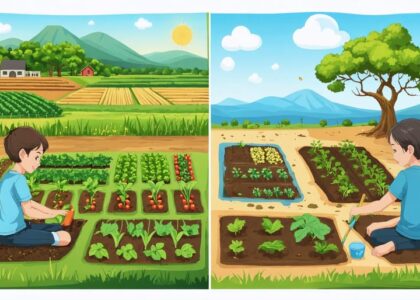
Design and maintain a butterfly garden on school grounds, allowing students to observe pollinator relationships firsthand. This project teaches habitat restoration while providing opportunities for scientific observation and data collection.
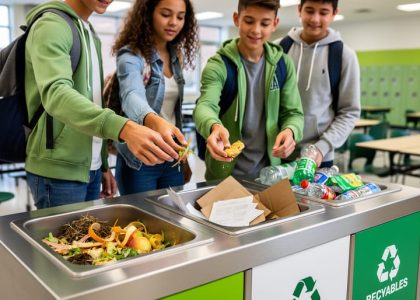
Implement a classroom composting system that demonstrates nutrient cycling and soil biodiversity. Students can monitor decomposition rates and identify beneficial organisms, making connections between microscopic life and ecosystem health.
Develop a “Mini-Ecosystem in a Jar” project where students create self-contained biodomes. This activity helps visualize ecosystem interactions and allows for long-term observation of environmental changes.
Start a native species adoption program where classes research and maintain specific local plants or animals, creating educational materials for younger students. This project builds environmental stewardship while developing communication skills.
These projects can be scaled for different grade levels and integrated across multiple subjects, from science and mathematics to language arts and social studies. Remember to document progress through photos and student reflections, creating valuable assessment opportunities while building environmental awareness.

Digital Learning Tools
Today’s digital landscape offers a wealth of engaging tools to help students explore and understand biodiversity restoration. iNaturalist serves as an excellent starting point, allowing students to become citizen scientists by documenting local species through their smartphones. This free app creates opportunities for authentic data collection while contributing to global biodiversity databases.
Google Earth’s Timelapse feature enables students to visualize environmental changes over decades, making abstract concepts of habitat loss and restoration tangible. Combined with the World Wildlife Fund’s Free Rivers AR app, students can explore ecosystem dynamics in an immersive way.
Interactive simulations like EcoMUVE provide virtual environments where students can conduct experiments and observe ecosystem changes without real-world consequences. The National Geographic Education portal offers customizable lesson plans and interactive maps specifically designed for biodiversity education.
For collaborative learning, platforms like ePals connect classrooms worldwide to share local restoration projects and experiences. Minecraft: Education Edition includes biodiversity-themed worlds where students can design and implement virtual restoration projects.
Assessment tools like Kahoot! and Nearpod help measure understanding through gamified quizzes and interactive presentations. These platforms allow teachers to track student progress while maintaining engagement. Remember to complement these digital tools with hands-on activities for a balanced learning experience that caters to different learning styles.

Real-World Connections
Community Partnerships
Building strong community partnerships is essential for successful biodiversity restoration projects. Start by connecting with local nature centers, botanical gardens, and environmental organizations that can provide expertise and resources for your classroom sustainability initiatives. These partnerships can offer valuable mentorship, field trip opportunities, and hands-on learning experiences for your students.
Reach out to local master gardeners, native plant societies, and wildlife experts who can serve as guest speakers or project advisors. Many of these professionals are eager to share their knowledge with students and can provide authentic learning experiences that bring biodiversity concepts to life.
Consider partnering with nearby schools to create a network of biodiversity restoration projects. This collaboration allows students to share experiences, compare results, and learn from each other’s successes and challenges. Online platforms and social media groups dedicated to environmental education can help you connect with other educators working on similar projects.
Don’t forget to engage with local government agencies and conservation districts. They often provide free resources, grant opportunities, and technical support for school-based environmental projects. These partnerships can help ensure your restoration efforts align with broader community conservation goals while providing students with real-world context for their learning.
Field Trip Opportunities
Field trips to restoration sites offer invaluable hands-on learning experiences for students. When planning your visit, start by contacting local nature centers, botanical gardens, or environmental organizations that actively engage in restoration projects. Many of these sites offer guided educational programs specifically designed for school groups.
Before the visit, ensure you have proper permissions and safety measures in place. Create a pre-trip checklist that includes emergency contacts, necessary equipment, and weather-appropriate clothing recommendations for students. Consider scheduling visits during different seasons to observe the restoration process over time.
Maximize learning opportunities by preparing students with background knowledge and specific observation tasks. Create activity sheets that encourage students to document plant species, wildlife sightings, and restoration techniques in action. Include opportunities for students to interview site specialists and participate in age-appropriate restoration activities like seed collection or plant identification.
Partner with site educators to align the field experience with your curriculum goals. Many sites can customize their programs to match specific grade-level standards and learning objectives. Consider incorporating citizen science projects that allow students to contribute real data to ongoing restoration efforts.
Remember to plan reflection activities for after the visit, helping students connect their field experience with classroom learning.

Assessment Strategies
Project-Based Assessment
Engage students in meaningful biodiversity restoration projects through these assessment guidelines. Start by having students design and implement small-scale restoration projects within the school grounds or local community. Projects can range from creating butterfly gardens to developing pollinator-friendly spaces.
Evaluate students using a comprehensive rubric that considers multiple aspects:
– Project Planning (20%): Detail and feasibility of restoration proposal
– Implementation (30%): Hands-on execution and problem-solving
– Documentation (20%): Regular progress updates through photos, journals, or digital portfolios
– Scientific Understanding (15%): Application of biodiversity concepts
– Community Impact (15%): Engagement with local stakeholders
Encourage students to work in teams of 3-4, promoting collaborative learning while developing leadership skills. Each team should maintain a project timeline spanning 6-8 weeks, with clear milestones and deliverables.
Assessment should be ongoing, incorporating:
– Weekly progress check-ins
– Peer evaluations
– Self-reflection essays
– Final presentation to school community
Consider using digital tools for documentation, such as environmental monitoring apps or online collaboration platforms. Include opportunities for students to share their projects through school exhibitions or local environmental events.
Remember to adapt project requirements based on grade level and available resources. Success metrics should focus on both ecological impact and student learning outcomes, celebrating even small achievements in biodiversity enhancement.
Progress Monitoring Tools
Tracking student progress in biodiversity restoration learning requires a diverse set of assessment tools. Consider implementing formative assessment strategies like exit tickets, where students summarize key concepts about ecosystem recovery at the end of each lesson. Digital portfolios allow students to document their observations of local biodiversity projects through photos, sketches, and written reflections.
Create rubrics that evaluate both content knowledge and practical skills. Students can track plant growth rates, species counts, or habitat changes in their restoration projects using data collection sheets. Interactive online quizzes help gauge understanding of key terminology and concepts, while project-based assessments demonstrate students’ ability to apply their learning to real-world scenarios.
Encourage peer assessment through group presentations of restoration project findings. Students can use simple checklists to evaluate their classmates’ understanding and provide constructive feedback. Progress tracking apps or digital badges can gamify the learning experience and motivate students to achieve specific biodiversity restoration goals.
Consider implementing student-led conferences where learners present their biodiversity restoration work to parents or community members. This approach helps students take ownership of their learning while developing communication skills. Keep a class observation journal to document collective progress and celebrate achievements in habitat restoration projects.
Remember to differentiate assessment methods to accommodate various learning styles and abilities, ensuring every student can demonstrate their understanding effectively.
As we conclude our journey into biodiversity restoration education, let’s focus on concrete steps you can take to implement these concepts in your classroom starting tomorrow. Begin by creating a biodiversity action plan for your school, involving students in the process. Consider establishing a small garden or habitat restoration project on school grounds, which provides hands-on learning opportunities and immediate visual results.
Connect with local environmental organizations and experts who can serve as guest speakers or project mentors. These partnerships often lead to valuable resources and real-world learning experiences for your students. Utilize technology by incorporating citizen science apps and online monitoring tools that allow students to track and share their restoration progress.
Document your classroom’s biodiversity initiatives through photos, videos, and student journals. Share these success stories with other educators through professional learning communities and social media networks. This not only motivates your students but also inspires other teachers to start similar projects.
Remember to assess and celebrate progress regularly. Create opportunities for student leadership by establishing environmental clubs or committees. Most importantly, maintain flexibility in your approach – start small, learn from experience, and gradually expand your program based on what works best for your school community.
By taking these steps, you’re not just teaching about biodiversity restoration – you’re empowering the next generation of environmental stewards. Your classroom can become a model for others, creating a ripple effect of positive environmental change throughout your school district and beyond.