Unlock the transformative power of the seven sensory systems in your classroom to revolutionize how students learn, develop, and interact with their environment. As educators, understanding these fundamental systems – vestibular, proprioceptive, tactile, visual, auditory, gustatory, and olfactory – provides the framework for creating rich, multisensory learning experiences. Through targeted sensory play and intentional classroom design, you can support students’ sensory integration, enhance their learning outcomes, and promote healthy development across all domains.
Recent neuroscience research reveals that children process up to 80% of their learning through sensory experiences, making these systems the cornerstone of early childhood education. By incorporating activities that engage multiple senses simultaneously, educators can create deeper, more meaningful learning connections while addressing diverse learning styles and needs. Whether you’re working with typically developing children or those with sensory processing challenges, mastering these seven systems will empower you to create an inclusive, engaging learning environment that supports every student’s success.

The Core Seven Sensory Systems

Visual System (Sight)
Vision is our primary gateway for learning, with approximately 80% of classroom information being processed through the visual system. This remarkable sensory system involves much more than just seeing – it encompasses how we process, interpret, and respond to visual information in our environment.
In the classroom, students rely on their visual system to read, write, recognize shapes, distinguish colors, and track moving objects. This system helps them maintain proper posture while sitting at their desk, coordinate hand movements for writing, and navigate safely through the classroom space.
When functioning optimally, the visual system allows students to:
– Focus on near and far objects (like switching between desk work and the whiteboard)
– Track moving objects smoothly
– Maintain eye contact during conversations
– Process visual information quickly and accurately
– Coordinate eye-hand movements
– Recognize spatial relationships
Teachers should be aware that visual processing challenges can manifest in various ways. A student might reverse letters, struggle with copying from the board, or have difficulty organizing their work on paper. These signs don’t necessarily indicate poor vision – they might suggest the need for support in visual processing development.
Simple classroom adaptations can support visual learning, such as using different colors for important information, providing adequate lighting, reducing visual clutter, and incorporating movement-based activities that help develop visual tracking skills.
Auditory System (Hearing)
The auditory system plays a crucial role in how children learn and interact with their environment. When functioning properly, this system helps students process and understand spoken language, distinguish between different sounds, and develop critical listening skills necessary for academic success.
In the classroom, students with well-developed auditory processing can follow verbal instructions, participate in group discussions, and engage in phonological awareness activities – all essential components for reading and language development. Teachers often notice that children with strong auditory processing demonstrate better attention during story time and show more advanced phonemic awareness skills.
However, some students may experience challenges with their auditory system, which can manifest as difficulty following multi-step instructions, trouble distinguishing between similar sounds, or becoming overwhelmed in noisy environments. Understanding these challenges helps educators create supportive learning environments by implementing strategies such as:
– Using visual supports alongside verbal instructions
– Providing quiet spaces for focused work
– Breaking down complex directions into smaller steps
– Incorporating movement and hands-on activities to support auditory learning
– Positioning students strategically in the classroom to optimize hearing
By recognizing the importance of the auditory system, teachers can better support all learners through thoughtful classroom modifications and inclusive teaching practices. Regular monitoring of students’ auditory processing capabilities helps identify potential concerns early, allowing for timely intervention and support.
Tactile System (Touch)
The tactile system is our body’s primary way of learning about our physical environment through touch sensations. When children explore their surroundings through touch, they develop crucial sensory processing skills that impact their learning and development. This system includes receptors in our skin that detect pressure, temperature, texture, and pain.
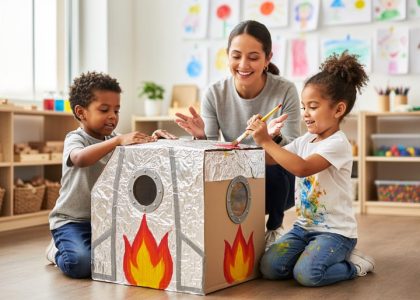
In the classroom, students constantly engage their tactile system through various activities. When they hold a pencil, feel the texture of different materials, or participate in hands-on learning experiences, they’re developing their touch sensitivity. This sensory input helps them understand spatial awareness, fine motor skills, and body awareness.
Teachers can support tactile development by incorporating sensory-rich activities into daily lessons. Simple activities like playing with playdough, sorting objects by texture, or using finger paint can provide valuable tactile experiences. These activities not only enhance learning but also help students who may be tactile defensive (oversensitive to touch) or tactile seeking (needing more touch input) to regulate their responses.
The tactile system also plays a vital role in emotional development and social connections. Appropriate touch experiences help children develop self-awareness, understand personal boundaries, and build positive relationships with peers. When planning activities, consider providing options for different comfort levels with tactile experiences, ensuring all students can participate successfully in their learning journey.
Vestibular System (Balance)
The vestibular system, located in the inner ear, plays a crucial role in a child’s ability to maintain balance, coordinate movements, and understand their body’s position in space. This sensory system begins developing before birth and continues to mature throughout early childhood, making it essential for classroom success and daily activities.
When functioning properly, the vestibular system helps children sit still during circle time, maintain proper posture while writing, and navigate playground equipment safely. You might notice students with well-developed vestibular processing demonstrating confident movement during physical activities and maintaining focus while seated.
However, some children may show signs of vestibular processing challenges, such as frequent falls, motion sickness, or difficulty following moving objects with their eyes. These students might appear clumsy, avoid playground activities, or struggle to stay seated during lessons.
To support vestibular development in your classroom, consider incorporating movement-based activities like:
– Supervised spinning games
– Balance beams or walking lines
– Rocking chairs for quiet time
– Simple yoga poses
– Dance activities
Remember that each child processes vestibular input differently. Some may seek intense movement experiences, while others might be oversensitive to motion. Creating a balanced environment that accommodates these differences while encouraging gradual development is key to supporting all learners in your classroom.
Proprioceptive System (Body Position)
The proprioceptive system acts as our body’s internal GPS, helping us understand where our body parts are in space without looking at them. This vital sense enables children to perform everyday tasks like writing, climbing stairs, or sitting in a chair without constant visual monitoring. For educators, understanding proprioception is crucial as it directly impacts students’ learning and classroom behavior.
When children have well-developed proprioception, they can maintain appropriate personal space, control their movements effectively, and participate confidently in physical activities. This system also plays a key role in self-regulation and can be strengthened through various mindfulness activities and movement exercises.
In the classroom, you might notice students with proprioceptive challenges showing signs like bumping into furniture, applying too much pressure when writing, or having difficulty staying seated. To support these learners, consider incorporating movement breaks, heavy work activities (like carrying books or pushing chairs), and structured physical activities into your daily routine.
Simple strategies like providing weighted lap pads, offering resistance bands on chair legs, or creating movement pathways in the classroom can help students develop better body awareness. These adaptations not only support proprioceptive development but also enhance overall learning engagement and classroom participation.
Gustatory System (Taste)
The gustatory system, commonly known as our sense of taste, plays a vital role in children’s sensory development and learning experiences. This system helps children distinguish between different flavors through specialized receptors on the tongue, which identify sweet, sour, salty, bitter, and umami tastes.
In the classroom, taste experiences can enhance learning across multiple subjects. For example, when teaching about different cultures, allowing children to safely sample traditional foods can create memorable connections. During science lessons, simple taste experiments can demonstrate how different taste buds respond to various flavors.
It’s important to note that taste preferences develop early in life and can influence children’s eating habits and social interactions. Teachers can support positive taste experiences by creating a safe and encouraging environment for food exploration. Simple activities like comparing fruits, discussing flavor preferences, or incorporating cooking projects into lessons can help children develop their gustatory awareness.
Remember to always consider food allergies and dietary restrictions when planning taste-related activities. Partner with families to ensure safe and inclusive experiences for all children in your classroom.
Olfactory System (Smell)
The olfactory system is one of our most powerful sensory processors, directly connected to the brain’s limbic system, which handles emotions and memories. When children encounter different smells, they’re not just identifying scents – they’re creating lasting neural connections that can influence learning and emotional development.
In the classroom, smell plays a crucial role in creating memorable learning experiences. For instance, when students engage in science experiments or art activities involving distinct scents, these olfactory experiences enhance their memory retention and emotional engagement with the lesson. Research shows that children can remember information better when it’s associated with specific smells.
Teachers can incorporate smell-based activities to support learning across various subjects. Using scented markers for art projects, exploring different food smells during cultural studies, or investigating natural scents during outdoor learning activities can all enhance the learning experience. These activities are particularly beneficial for children who might struggle with traditional learning methods.
It’s important to note that some children may have heightened sensitivity to smells, while others might have difficulty processing certain scents. Being mindful of these differences helps create an inclusive learning environment that respects each child’s sensory needs.

Practical Classroom Applications
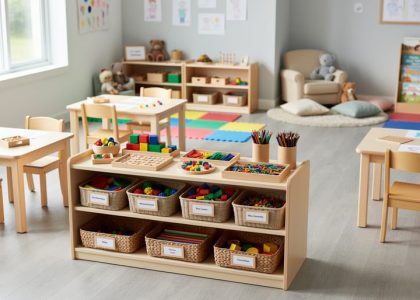
Transform your classroom into a sensory-rich environment by incorporating these practical strategies across all seven systems. Create designated learning zones with varied textures, colors, and materials for tactile exploration. Integrate movement breaks with simple yoga poses or balance exercises to engage the vestibular system. Set up proprioceptive activities like pushing book carts or arranging furniture for classroom jobs. Consider establishing nature-based learning environments to stimulate multiple senses simultaneously.
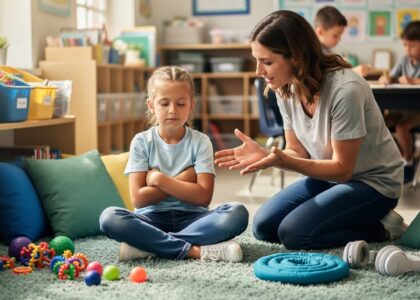
For visual learners, use color-coding systems and visual schedules. Support auditory processing by implementing quiet zones and using sound-dampening materials. Address interoception by establishing regular check-in routines where students can recognize and express their body’s needs. Keep sensory tools like stress balls, wiggle cushions, and noise-canceling headphones readily available.
Remember to rotate sensory activities regularly and observe how different students respond to various inputs. This helps maintain engagement while accommodating diverse sensory preferences and needs.
Understanding and implementing sensory-aware teaching practices can transform your classroom into a more inclusive and effective learning environment. By recognizing and accommodating all seven sensory systems, you create opportunities for every student to engage, learn, and thrive. Remember to observe your students carefully, partner with parents, and adjust your teaching strategies to meet diverse sensory needs. Start small by incorporating one sensory-conscious activity at a time, and gradually build a comprehensive approach that addresses all systems. Your commitment to sensory-aware teaching will not only enhance learning outcomes but also foster a more supportive and understanding classroom community. Take the first step today by implementing these strategies, and watch as your students flourish in an environment that truly supports their sensory development.