Implement the STOP technique by having students pause mid-activity, take three deep breaths, observe their physical sensations without judgment, and then proceed with a calmer mindset—this foundational sequence takes just two minutes and creates immediate distance between triggers and reactions.
Transform emotional overwhelm into concrete action by teaching students to name their feeling using an emotion wheel or chart, rate its intensity on a 1-10 scale, and identify where they feel it in their body. This metacognitive practice reduces anxiety by 40% according to emotion regulation research, and the specificity helps students move from “I feel bad” to “I feel frustrated at level 6 in my chest and shoulders.”
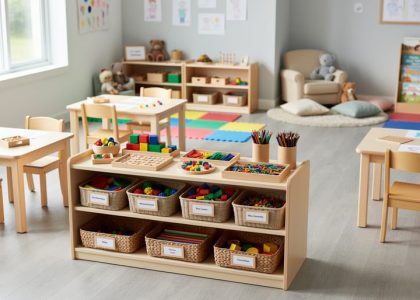
Create a sensory reset station in your classroom corner stocked with stress balls, fidgets, textured fabrics, and noise-canceling headphones. When students access this space for seven minutes, they engage their parasympathetic nervous system through tactile input, which physiologically counteracts the fight-or-flight response that hijacks learning.
Guide students through a quick body scan by asking them to mentally check each body part from toes to head, releasing tension as they go. Pair this with bilateral stimulation like butterfly taps—crossing arms and alternating gentle taps on shoulders—which activates both brain hemispheres and promotes emotional integration.
These seven-minute interventions don’t require special training or extensive prep time. They acknowledge that emotional regulation is a skill your students are still developing, not a character flaw, and they give you practical tools that respect both your schedule constraints and your students’ developmental needs.
Why Early Learners Struggle with Big Emotions
If you’ve ever watched a five-year-old melt down over a broken crayon or seen a second-grader lash out when losing a game, you’re witnessing a completely normal part of development. Young children between ages 4 and 8 aren’t being defiant or dramatic—they’re genuinely struggling with big feelings that overwhelm their still-developing systems.
The part of the brain responsible for emotional control, the prefrontal cortex, is still under construction during these early years. While children this age can experience the full intensity of emotions like frustration, disappointment, and anger, they lack the neural wiring to calm themselves down effectively. It’s like having a powerful engine without reliable brakes.
Vocabulary plays a crucial role too. Many early learners simply don’t have the words to describe what they’re feeling. When a child can’t distinguish between feeling disappointed, embarrassed, or left out, they can’t communicate their needs or seek appropriate help. This communication gap often leads to physical outbursts or withdrawal instead.
Perhaps most importantly, young children haven’t yet built a toolkit of coping strategies. Unlike adults who might take deep breaths, go for a walk, or talk through problems, children need explicit instruction and repeated practice with emotional regulation techniques. They need us to teach them, step by step, what to do when big feelings arrive.
This developmental reality isn’t a problem to fix—it’s a stage that requires our structured support. When we provide consistent, age-appropriate guidance through brief, focused activities, we give children the scaffolding they need to build lifelong emotional skills. The key is meeting them where they are developmentally while equipping them with practical tools they can actually use.
The 7-Minute Emotion Regulation Activity Breakdown
Minutes 1-2: Name It to Tame It
Once your students have found their calm breath, guide them to identify what they’re actually feeling. This step is powerful because research shows that simply naming an emotion can reduce its intensity—a process neuroscientists call “affect labeling.”
Provide students with a simple feeling chart or emotion wheel appropriate for their age level. For younger learners, use basic emotions with visual cues: happy, sad, angry, scared, frustrated. Older students can work with more nuanced options like disappointed, overwhelmed, or anxious.
Ask students to silently point to or mentally identify the emotion that best matches what they’re experiencing right now. Remind them there are no wrong answers—all feelings are valid information about what’s happening inside them.
You might say: “Look at the feelings on the chart. Which one feels closest to what you’re experiencing? You don’t need to share it out loud. Just notice it and give it a name in your mind.”
This simple act of identification creates distance between the student and their emotion. Rather than being consumed by feeling angry, they become someone who is noticing anger. This small shift creates space for regulation and choice in how they respond next.

Minutes 3-4: Body Scan and Breathing
Now guide your students through a gentle body awareness exercise that connects physical sensations with emotional states. These mindfulness activities help children recognize where they hold tension or stress in their bodies.
Begin with this simple script: “Let’s check in with our bodies. Notice your feet on the floor. Are they relaxed or tight? Now notice your shoulders. Are they up near your ears or resting down? Just notice, without changing anything.”
Transition into breathing techniques with balloon breaths. Say: “Imagine you’re blowing up a balloon. Take a deep breath in through your nose, then slowly blow out through your mouth like you’re filling a balloon. Let’s do this three times together.”
Follow with star breathing, which provides visual focus. Instruct students: “Hold up one hand like a star. Use your other pointer finger to trace your hand. Breathe in as you go up each finger, breathe out as you go down. Let’s trace our whole hand together.”
These concrete techniques give students practical tools they can use independently when emotions feel overwhelming, building their self-regulation capacity one breath at a time.

Minutes 5-6: Movement Reset
Now it’s time to help students release the emotional energy that’s been building up. This movement reset bridges the gap between internal awareness and external calm, giving students a healthy outlet for tension.
Start with simple shoulder rolls—five forward, five backward. Then guide students through gentle neck stretches, moving slowly from side to side. For younger students (K-2), make it playful: “Reach up high like you’re picking apples from a tree, then slowly bend down to touch your toes.”
Older elementary students (3-5) benefit from more intentional movements. Try progressive muscle relaxation: “Squeeze your hands into tight fists, hold for three seconds, then release completely. Notice how different tension and relaxation feel.”
Middle schoolers often respond well to standing stretches that don’t draw attention. Suggest ankle rolls, wrist circles, or subtle calf raises they can do at their desks.
Grounding exercises work across all ages. The “5-4-3-2-1” technique connects movement with sensory awareness: stomp your feet five times, tap your desk four times, clap three times, snap twice, take one deep breath.
These physical resets complement the quick calming techniques you may already use, creating a complete mind-body approach to regulation that prepares students for the final reflection phase.

Minute 7: Reflection and Choice
The final minute of this activity returns control to your students by inviting them to check in with themselves once more. Ask them to notice how they’re feeling now compared to when they started. You might say, “Take a moment to notice—has your emotion changed? Do you feel more calm, focused, or ready?”
This is the empowerment moment. Present clear options: “If you feel ready, you can rejoin our classroom activity. If you need a few more minutes of quiet time, that’s okay too. If you’d like to talk with me about what you’re feeling, I’m here for you.”
Display these choices visually on a poster or whiteboard so students can simply point if speaking feels difficult. Some students may benefit from a feelings thermometer—a simple 1-5 scale—to communicate their current state without lengthy explanation.
The beauty of this reflection is that it teaches students to assess their own needs rather than relying solely on adult direction. Over time, they’ll internalize this process and begin self-regulating more independently. Honor whatever choice they make without judgment. If a student needs additional support, this is valuable information for you, not a failure of the activity. Remember, regulation is a skill that develops with practice and patience.
When and Where to Use This Activity
This activity works beautifully across multiple contexts throughout your school day, and flexibility is one of its greatest strengths. You’ll find it most effective when implemented both preventatively and responsively, depending on your students’ needs.
During transitions, this activity serves as a powerful reset button. Use it when students return from lunch, move between subjects, or come back from specialist classes. These seven minutes help students mentally shift gears and arrive at their next task with greater emotional readiness. Many teachers report that incorporating this brief practice after recess significantly reduces classroom disruptions and helps students settle more quickly.
Morning meetings offer an ideal preventative opportunity. Starting the day with emotion regulation sets a positive tone and equips students with tools they’ll carry throughout the day. When integrated into your morning routine, students begin to internalize these strategies naturally, making them more likely to self-regulate during challenging moments later.
For reactive situations, keep this activity in your back pocket when you notice emotional escalation building in your classroom. Signs like increased volume, restlessness, or student conflicts signal that a seven-minute intervention can prevent bigger disruptions. Rather than pushing through when emotions run high, pausing for this activity actually saves instructional time by creating conditions where learning can resume more effectively.
The activity adapts seamlessly across different groupings. Use it whole-class when general energy levels need adjustment, in small groups during tier-two interventions, or one-on-one with students who need additional support. For individual use, consider creating a quiet corner where students can access the activity independently when they recognize their own need for regulation.
The key is consistency without rigidity. While regular implementation builds habits, remain responsive to your classroom’s emotional climate. You know your students best, and this tool works when you use it intentionally based on what you observe.
Adapting the Activity for Different Learning Environments
This seven-minute activity can be successfully implemented across diverse learning environments with thoughtful modifications. For virtual classrooms, guide students to create a designated calm space at home where they can practice breathing exercises on camera. Screen-sharing visual prompts like emotion charts or simple breathing animations helps maintain engagement during remote sessions.
Students with special needs may benefit from extended practice time or simplified language. For learners with autism spectrum disorder, provide visual schedules showing each step of the activity. Students with ADHD often respond well to incorporating gentle movement, like tapping fingers during breathing exercises. Consider partnering students who need extra support with peer buddies who can model the techniques.
Cultural responsiveness strengthens the activity’s effectiveness. Invite students to share emotion words from their home languages or describe how their families talk about feelings. Some cultures may express emotions differently, so avoid assuming universal interpretations of facial expressions or body language. Creating space for these conversations builds trust and validates diverse perspectives.
For younger elementary students, use more concrete language and incorporate stuffed animals as breathing buddies. Older students appreciate understanding the science behind emotional regulation and may benefit from journaling components added to the activity.
Physical classroom arrangements matter too. Dimming lights and minimizing visual distractions helps students focus. If space allows, designate a corner with cushions or soft seating where students can practice these techniques independently throughout the day. Remember, flexibility is key—observe what works for your unique student population and adjust accordingly. Your classroom community knows best what they need.
Building Consistency: Making It Part of Your Classroom Routine
The key to success with any new classroom practice is making it as seamless as possible. Start by identifying a consistent time slot each day—many teachers find that beginning class, post-recess transitions, or right after lunch work best. Place a visual cue in your classroom, like a special corner or timer, to signal when it’s time for your 7-minute reset.
To avoid disrupting learning flow, frame this activity as an investment that actually saves time. When students develop stronger emotion regulation skills, you’ll spend fewer minutes managing conflicts and redirecting behavior throughout the day.
Track progress using simple methods that don’t add to your workload. Create a quick emotion check-in chart where students can mark their starting and ending feelings, or use digital tools available in our interactive tools section. These visual records help you identify patterns and celebrate growth with your students.
Involving families amplifies the impact. Send home a brief explanation of the activity with suggestions for practicing components at home—perhaps during homework time or before bed. Consider creating a simple video demonstration that families can access, making the strategy culturally inclusive and accessible to all communication styles. Remember that culturally responsive practices strengthen family engagement.
Connect with other educators through community forums to share what’s working and troubleshoot challenges together. You’ll discover creative adaptations and build a support network that keeps you motivated when implementation feels difficult. Consistency doesn’t mean perfection—even four days a week creates meaningful change.
What to Expect: Real Results from Real Classrooms
When you consistently implement this 7-minute emotion regulation activity, you’re investing in meaningful change—but it’s important to set realistic expectations. Most educators notice initial shifts within the first two to three weeks of daily practice.
In the short term, expect to see students becoming more familiar with emotion vocabulary. You might hear a child say “I’m frustrated” instead of acting out, or notice students beginning to recognize their physical sensations when emotions arise. These small verbal cues signal that awareness is building.
By week four to six, many classrooms experience a noticeable reduction in emotional outbursts and behavioral incidents. Students start using the regulation strategies independently, sometimes even reminding peers to “take a deep breath” during conflicts. Teachers report that transitions become smoother and classroom disruptions decrease by approximately 30-40 percent.
The most significant benefits emerge around the two to three-month mark. At this point, students demonstrate stronger focus during academic tasks, improved conflict resolution skills, and enhanced emotional resilience. They’ve internalized the techniques and can apply them across various situations without prompting.
Remember, progress isn’t always linear. Some weeks will feel more challenging than others, and different students will respond at different rates. Students with trauma backgrounds or significant emotional challenges may need additional time and support, which is completely normal.
Stay consistent, celebrate small victories, and trust the process. The neural pathways supporting emotional regulation strengthen with repeated practice, making every seven-minute session a valuable investment in your students’ long-term well-being and academic success.
You’ve taken an important step toward equipping your students with skills that will serve them for a lifetime. Remember, emotion regulation isn’t something children are simply born with or without—it’s a teachable, learnable skill that improves with consistent practice and your patient guidance.
Starting can feel overwhelming, so keep it simple. Choose just one of these 7-minute activities to introduce this week. Notice what resonates with your students, adapt as needed, and celebrate the small wins. Perhaps a student who typically melts down during transitions takes three deep breaths instead, or a child verbalizes their frustration rather than acting out. These moments matter.
You don’t have to navigate this journey alone. Connect with fellow educators through community forums to share what’s working in your classroom, troubleshoot challenges, and discover fresh adaptations others have tried. The collective wisdom of educators like you creates ripple effects that extend far beyond individual classrooms.
Your commitment to teaching emotion regulation creates safer, more supportive learning environments where all students can thrive. Start small, stay consistent, and trust that you’re making a meaningful difference—seven minutes at a time.