
Implement regular formative assessments to monitor student progress and adjust instruction. Use learner-focused assessments like exit tickets, think-pair-share, and one-minute papers to check for understanding. Employ authentic assessments that challenge students to apply knowledge to real-world scenarios. Provide clear, specific feedback on formative and summative assessments to guide improvement. Use assessment data to reflect on the effectiveness of your teaching strategies and make responsive adjustments.
1. Minute Papers
Minute papers are a quick and easy classroom assessment technique that allows teachers to gauge student understanding and engagement at the end of a lesson or activity. This versatile tool involves posing one or two questions for students to answer in a brief written response, typically taking no more than a few minutes. By reviewing these responses, educators can identify areas where students may need additional support or clarification, as well as highlight key concepts that have been successfully grasped.
The benefits of using minute papers in K-12 classrooms are numerous. First, they provide a low-stakes opportunity for students to reflect on their learning and express any questions or concerns they may have. This can be particularly valuable for quieter students who may not feel comfortable speaking up in class. Second, minute papers offer teachers a real-time snapshot of student progress, allowing them to adapt their instruction and provide targeted support as needed. Finally, this technique promotes a culture of ongoing assessment and feedback, helping students develop metacognitive skills and take ownership of their learning.
To implement minute papers effectively, teachers should craft questions that are specific, focused, and aligned with the lesson’s objectives. For example, after a science lesson on the water cycle, a teacher might ask, “What are the three main stages of the water cycle, and how are they connected?” or “What questions do you still have about the role of evaporation in the water cycle?” By varying the types of questions asked and providing time for students to reflect and respond, educators can create a rich and informative feedback loop that supports student growth and achievement.

2. Muddiest Point
The Muddiest Point is a powerful classroom assessment technique that helps educators identify areas where students are struggling to understand key concepts. This technique involves asking students to reflect on the lesson and write down the concept or idea that remains most unclear to them. It is best used at the end of a lesson or unit to gather immediate feedback on student comprehension.
By implementing the Muddiest Point, teachers can quickly pinpoint topics that require further clarification or reinforcement. This targeted approach allows educators to address confusion promptly, preventing students from falling behind or developing misconceptions that could hinder their progress.
When reviewing students’ responses, look for patterns or recurring themes. If multiple students express confusion about the same concept, it may indicate a need to revisit the topic using different instructional strategies or provide additional examples and practice opportunities.
The Muddiest Point technique fosters a supportive classroom environment by encouraging students to be honest about their struggles and actively seek help. It also promotes metacognition, as students reflect on their own learning and identify areas where they need further support.
To maximize the effectiveness of this technique, be sure to follow up with students after addressing their muddiest points. This can be done through class discussions, small group activities, or individual conferences. By demonstrating your commitment to their understanding and success, you empower students to take ownership of their learning and build confidence in their abilities.
Incorporating the Muddiest Point into your regular assessment routine will help you stay attuned to your students’ needs and adapt your instruction accordingly, ensuring that all learners have the opportunity to thrive in your classroom.
3. Student-Generated Test Questions
Engaging students in the assessment process can be a powerful way to deepen their understanding of the material and foster critical thinking skills. By having students generate their own test questions, educators can gain valuable insights into what concepts students find most important or challenging. This technique also encourages students to think like teachers, considering what key points should be emphasized and how to effectively evaluate knowledge.
To implement student-generated test questions, start by providing clear guidelines on the types of questions to create, such as multiple-choice, short answer, or essay. Encourage students to focus on the most important concepts covered in class and to craft questions that require higher-order thinking skills. Collaborating in small groups can also be beneficial, as students can discuss and refine their questions together.
Once the questions are created, educators can review and select the best ones to include on an actual test or quiz. This not only saves time in creating assessments but also ensures that the questions are relevant and aligned with student learning objectives. Involving students in the assessment process can lead to increased engagement, ownership of their learning, and a deeper understanding of the material. By valuing their contributions, educators can foster a more collaborative and student-centered classroom environment.
4. Concept Maps
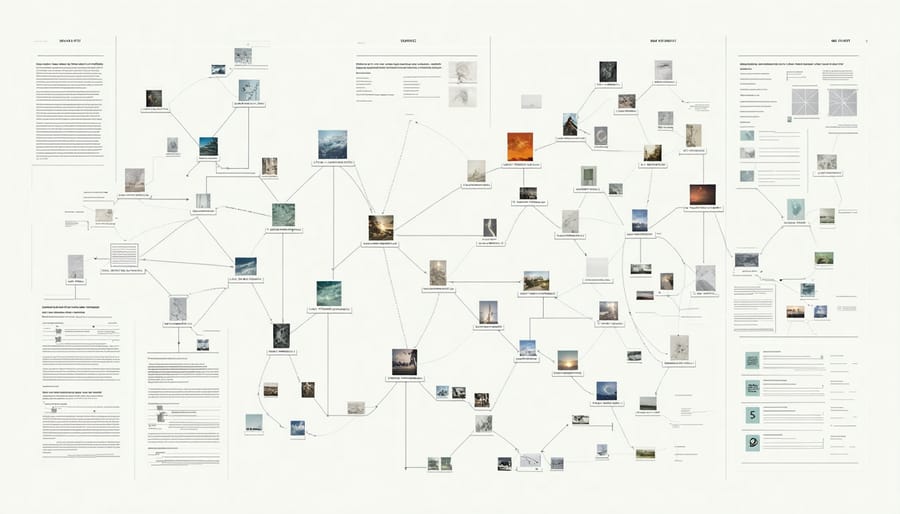
Concept maps are powerful visual tools that help students organize and connect key ideas within a topic or subject area. By creating a diagram that shows the relationships between various concepts, learners can develop a deeper understanding of the material and identify gaps in their knowledge. As an assessment technique, concept maps provide educators with valuable insights into students’ thinking processes and level of comprehension.
To use concept maps for assessment, start by selecting a central topic or question related to the learning objectives. Students then brainstorm relevant concepts and arrange them in a hierarchical structure, with more general ideas at the top and specific details branching out below. Connecting lines and linking words are used to illustrate how the concepts relate to one another.
When implementing concept mapping in the classroom, it’s important to provide clear instructions and examples to guide students through the process. Encourage them to use concise labels and to focus on the most essential information. Concept maps can be created individually or collaboratively, using paper and pencil or digital tools like mind mapping software.
As students become more familiar with concept mapping, challenge them to create more complex maps that integrate multiple topics or subjects. Regularly reviewing and discussing concept maps as a class can help reinforce learning and identify areas where additional instruction or support may be needed. By embracing concept maps as a dynamic assessment tool, educators can foster meaningful learning experiences and empower students to take ownership of their understanding.
5. Classroom Polls
Classroom polling tools are a powerful way to conduct quick assessments and boost engagement in your K-12 classroom. These digital tools allow you to create multiple-choice or open-ended questions that students can respond to in real-time using their devices. The immediate feedback helps you gauge student understanding and adapt your instruction accordingly. Polling can be used at various points during a lesson, such as checking prior knowledge, assessing comprehension after a key concept, or reviewing material at the end of class. Many polling tools also provide features like anonymity, which encourages participation from all students, even those who may be hesitant to speak up. Additionally, the interactive nature of polls makes learning more engaging and fun for students. To implement polling effectively, craft clear and targeted questions, allow adequate response time, and discuss the results with your class to address misconceptions and celebrate successes. With consistent use, classroom polling can become a valuable assessment and engagement tool in your educator toolkit.
In conclusion, classroom assessment techniques are powerful tools that can revolutionize the way educators evaluate student learning and engage their classes. By implementing strategies like the Minute Paper, Muddiest Point, Think-Pair-Share, Concept Maps, and Self-Assessment, teachers can gain valuable insights into their students’ understanding, identify areas for improvement, and foster a more interactive learning environment. These techniques not only provide immediate feedback but also encourage students to take an active role in their own learning process. As educators, it is essential to embrace new methods and adapt our assessment practices to meet the diverse needs of our students. We encourage you to experiment with these techniques in your own classrooms, tailoring them to your specific subject matter and student population. By continuously evaluating and refining your assessment strategies, you can create a more effective, engaging, and supportive learning experience for all your students. Embrace the power of classroom assessment techniques and watch your students thrive.