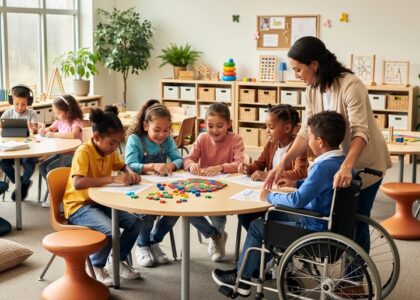
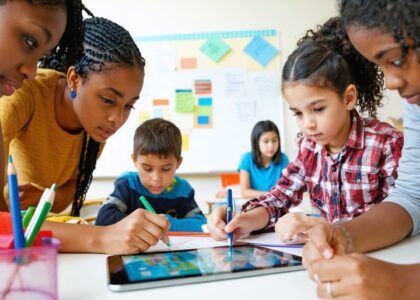
Embrace diversity by celebrating students’ unique backgrounds, cultures, and learning styles in your inclusive classroom. Foster a safe, supportive environment where every child feels valued, respected, and free to be their authentic selves without fear of judgment or discrimination. Provide equitable learning opportunities that cater to individual needs, ensuring all students can access the curriculum and achieve their full potential. Engage families and the wider community as partners in creating an inclusive school culture that extends beyond the classroom walls.
Embrace Diversity

Culturally Responsive Teaching
Incorporating students’ cultural references into the curriculum and teaching methods is a key aspect of culturally responsive teaching. To achieve this, educators should take the time to learn about their students’ backgrounds, interests, and experiences. This knowledge can be used to select instructional materials that reflect diverse perspectives and to create lessons that resonate with students on a personal level. For example, when teaching literature, include works by authors from various cultures and encourage students to share their own cultural stories and traditions. In math and science, highlight the contributions of diverse scholars and scientists. Embrace different learning styles by offering multiple ways for students to demonstrate their understanding, such as through art, music, or storytelling. By making a conscious effort to validate and celebrate students’ cultural identities, educators can foster a more inclusive and engaging learning environment.
Inclusive Classroom Materials
Creating an inclusive classroom environment involves providing materials that represent diverse identities. Books are a powerful tool for showcasing different cultures, abilities, and experiences. Consider adding titles like “The Day You Begin” by Jacqueline Woodson, “I Am Enough” by Grace Byers, and “The Name Jar” by Yangsook Choi to your classroom library. Display posters featuring inspirational figures from various backgrounds, such as Malala Yousafzai, Temple Grandin, and Cesar Chavez. Incorporate resources that celebrate diversity, like world maps, cultural artifacts, and adaptive equipment for students with disabilities. Ensure that classroom decorations, such as bulletin boards and wall art, depict a wide range of people and experiences. By surrounding students with inclusive materials, educators create a welcoming space that validates and affirms all identities, fostering a sense of belonging and empowering learners to embrace their unique selves.
Foster a Safe and Supportive Environment
Inclusive Language
Language is a powerful tool in shaping an inclusive school environment. Educators should strive to use respectful, person-first language that acknowledges diversity without making assumptions or perpetuating stereotypes. For example, say “a student with a learning disability” rather than “a learning-disabled student.” Avoid gendered language like “you guys” in favor of neutral terms like “everyone” or “students.” Encourage students to share their preferred pronouns and respect their choices. Be mindful of idioms or slang that may not translate across cultures. When discussing sensitive topics, choose words that empower and uplift rather than marginalize or stigmatize. Modeling inclusive language sets a positive tone and teaches students to communicate with empathy and respect for all individuals in their diverse school community.
Addressing Bullying and Discrimination
To proactively address bullying and discrimination, schools should establish clear policies and procedures that promote respectful behavior and outline consequences for violations. Educators can foster a culture of empathy and understanding by modeling inclusive language and behavior, and by providing opportunities for students to learn about and celebrate diversity. Regular training for staff and students on recognizing and responding to bullying and discrimination is essential. When incidents occur, it’s crucial to take prompt action, support those targeted, and engage in restorative practices to repair harm and prevent future occurrences. Schools can also implement peer mediation programs and student-led initiatives to empower students to be active participants in creating a safe and inclusive environment. By taking a comprehensive, proactive approach, schools can effectively prevent and respond to bullying and discrimination.
Provide Equitable Learning Opportunities
Differentiated Instruction
Differentiated instruction is a key strategy for promoting inclusivity in schools. To meet the diverse learning needs of students, educators can modify lessons and assessments in various ways. One approach is to offer multiple modes of engagement, such as visual aids, hands-on activities, and group discussions, allowing students to access information in the way that best suits their learning style. Teachers can also adjust the complexity of tasks and provide scaffolding to support students at different skill levels. Flexible grouping, based on abilities, interests, or learning preferences, enables targeted instruction and peer collaboration. Additionally, using formative assessments throughout the learning process helps identify individual needs and informs instructional decisions. By providing choice in assessment methods, such as written tests, oral presentations, or project-based assignments, teachers can ensure that students have the opportunity to demonstrate their knowledge in a manner that aligns with their strengths. Implementing these differentiation strategies creates an inclusive classroom environment where all students can thrive.

Assistive Technology
Assistive technology plays a crucial role in promoting inclusivity in schools by enabling students with disabilities to access the curriculum and participate fully in classroom activities. These tools range from low-tech devices like pencil grips and magnifiers to high-tech solutions such as text-to-speech software and adaptive keyboards. By providing students with the appropriate assistive technology, educators can level the playing field and ensure that all learners have the opportunity to succeed. It’s essential for schools to assess each student’s individual needs and work collaboratively with families and specialists to identify the most effective assistive devices and software. Proper training for both students and teachers is also key to maximizing the benefits of these tools and fostering an inclusive learning environment where every student can thrive.
Inclusive Group Work
When structuring group activities, consider assigning roles to ensure equal participation and rotate these roles regularly. Establish clear expectations for respectful communication and active listening. Encourage students to share their unique perspectives and experiences, fostering an appreciation for diversity. Utilize cooperative learning strategies like jigsaw activities or think-pair-share to promote collaboration and interdependence. Provide scaffolding and support to ensure all students can contribute meaningfully. Regularly monitor group dynamics and intervene if necessary to address any issues of exclusion or domination. Celebrate the achievements of each group, emphasizing the value of collective effort and diverse contributions. By intentionally designing inclusive group work, educators create opportunities for students to develop essential social skills, build relationships across differences, and experience the benefits of collaborative problem-solving.
Engage Families and the Community

Inclusive Family Communication
Here are some tips for communicating with families in an inclusive way:
Use accessible language and provide translations if needed. Avoid educational jargon. Offer multiple communication channels like email, phone, text, and in-person meetings. Be mindful of cultural differences in communication styles. Ask for input and listen to diverse perspectives. Share information in a timely manner and follow up. Use a respectful, caring tone. Celebrate the diversity of your school community in communications. Provide resources to support families. Collaborate with community partners to reach all families. By communicating in an inclusive, culturally responsive way, you’ll build trust and engagement with families as partners in their child’s education.
Community Partnerships
Schools can foster inclusivity by partnering with local organizations that share their commitment to diversity and equity. For example, collaborating with community centers or cultural associations to host multicultural events and celebrations can help students appreciate different traditions and perspectives. Inviting guest speakers from diverse backgrounds, such as community leaders, artists, or entrepreneurs, can provide students with inspiring role models and broaden their horizons. Schools can also work with local nonprofits to develop mentorship programs or volunteer opportunities that allow students to engage with and serve diverse populations in their community. By building strong partnerships with local organizations, schools demonstrate their dedication to inclusivity and provide students with valuable opportunities to learn from and connect with the diverse world around them.
Conclusion
Creating inclusive schools is a vital step towards ensuring that all students have the opportunity to thrive academically, socially, and emotionally. By embracing diversity, fostering a safe and supportive environment, providing equitable learning opportunities, and engaging families and the community, educators can make a significant impact on the lives of their students. These strategies not only benefit individual students but also contribute to a more cohesive and empathetic school culture. When students feel valued, respected, and included, they are more likely to engage in their learning, develop positive relationships, and reach their full potential. Moreover, inclusive schools help prepare students for success in an increasingly diverse society, equipping them with the skills and understanding necessary to navigate and appreciate differences. By prioritizing inclusivity, educators have the power to create lasting, positive change that resonates far beyond the classroom walls. As we move forward, it is essential that we continue to prioritize inclusivity in our schools, ensuring that every student has the support and opportunities they need to succeed. Together, we can build a more equitable and inclusive educational system that celebrates the unique strengths and experiences of all learners.