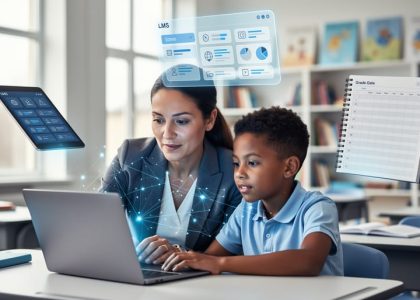
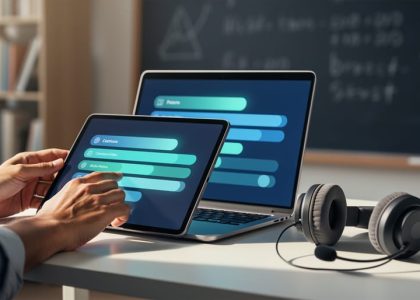
Harness the transformative potential of artificial intelligence (AI) in K-12 education to revolutionize learning, empower educators, and prepare students for a rapidly evolving future. AI-powered tools offer unprecedented opportunities to personalize instruction, automate mundane tasks, and create immersive educational experiences that captivate young minds. By embracing AI, educators can unlock new realms of possibilities, fostering a generation of innovative thinkers equipped with the skills to navigate an increasingly digital world. The time has come to explore how AI can reshape the educational landscape, enhancing student outcomes, supporting teachers, and paving the way for a brighter tomorrow in K-12 classrooms.

Personalized Learning Pathways
Real-Time Feedback and Guidance
AI-powered real-time feedback and guidance tools are revolutionizing the way students learn in K-12 classrooms. These innovative systems analyze student performance data and provide immediate, targeted feedback as learners engage with educational content and complete assignments. By offering personalized recommendations and support, AI helps students identify areas for improvement and reinforces their understanding of key concepts. Teachers can leverage these tools to supplement their instruction and offer differentiated guidance tailored to each student’s unique needs. Real-time feedback systems also enable educators to monitor student progress more closely, allowing for timely interventions and adaptive learning adjustments. As AI continues to advance, these tools will become increasingly sophisticated, empowering students to take ownership of their learning journey and fostering a growth mindset. By integrating real-time feedback and guidance into the educational experience, educators can create a supportive, engaging environment that nurtures student success and prepares them for the challenges of the 21st century.
Intelligent Tutoring Systems
Intelligent tutoring systems (ITS) are revolutionizing personalized learning in K-12 education. These AI-powered platforms adapt to each student’s unique needs, simulating the experience of one-on-one tutoring. By analyzing student responses and performance, ITS can provide customized explanations, targeted practice exercises, and real-time feedback. This approach helps students master concepts at their own pace, while addressing individual learning gaps. Educators can leverage ITS to supplement classroom instruction, offering students additional support outside of class. These systems can also provide valuable insights into student progress, allowing teachers to identify areas where students may need extra assistance. As ITS continue to evolve, they have the potential to transform the way students learn, making personalized education more accessible and effective than ever before. By incorporating intelligent tutoring systems into their teaching toolkit, educators can empower students to take ownership of their learning journey and achieve their full potential.
Enhanced Teacher Support
Intelligent Grading Assistance
Intelligent grading assistance powered by AI is revolutionizing the way educators evaluate student work. These innovative tools analyze assignments, essays, and assessments, providing consistent and accurate feedback while saving teachers valuable time. By automating repetitive grading tasks, AI grading assistance frees educators to focus on more impactful interactions with students, such as providing personalized guidance and support. These tools can identify patterns in student responses, highlight areas for improvement, and offer suggestions for targeted feedback. With AI grading assistance, teachers can ensure fair and unbiased evaluation across all student submissions. Moreover, the time saved through automated grading allows educators to dive deeper into student needs, create engaging lesson plans, and foster meaningful connections with their classes. As AI continues to advance, intelligent grading assistance will become an increasingly valuable asset for K-12 educators looking to streamline their workload and enhance the quality of their teaching.
Data-Driven Insights
AI-powered analytics tools provide educators with valuable data-driven insights to enhance student learning outcomes. By analyzing data from assessments, classroom interactions, and digital learning platforms, these tools can pinpoint specific areas where students are struggling or excelling. This empowers teachers to make informed decisions about differentiated instruction, targeted interventions, and personalized learning paths. AI analytics can also identify trends and patterns across classrooms or grade levels, enabling educators to collaborate and share effective teaching strategies. With the help of AI-generated insights, teachers can continuously refine their instructional approaches, ensuring that every student receives the support they need to succeed. By leveraging the power of data, educators can create a more responsive, adaptive, and equitable learning environment that fosters growth and achievement for all students.

Immersive Learning Experiences
Virtual and Augmented Reality
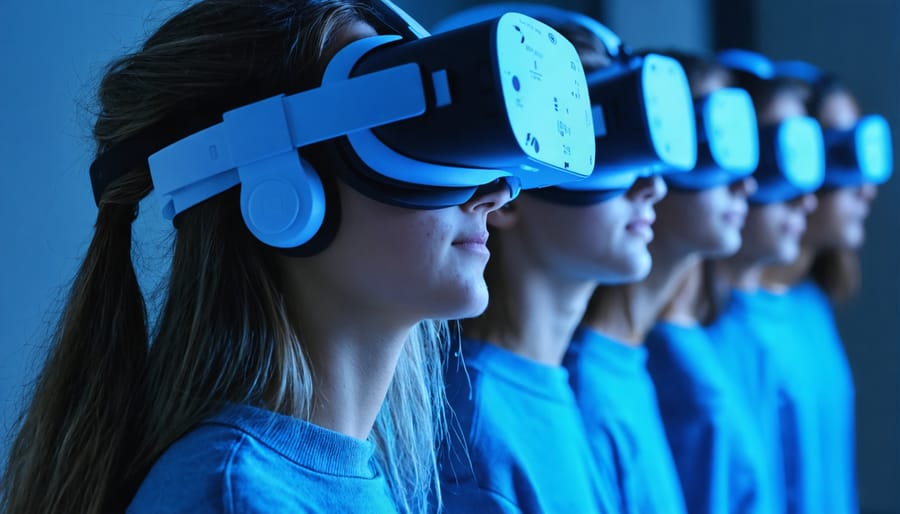
AI-enhanced virtual and augmented reality simulations offer students immersive interactive learning environments that bring subjects to life. With VR, students can step into historical events, exploring ancient civilizations or experiencing pivotal moments firsthand. AR allows learners to visualize complex scientific concepts, from the inner workings of the human body to the vast expanse of the universe. These technologies also unleash student creativity, enabling them to design and interact with their own virtual worlds. By engaging multiple senses and providing hands-on experiences, AI-powered VR and AR make learning more memorable and exciting. As these tools become more accessible, educators can harness their potential to create captivating lessons that spark curiosity and deepen understanding across various subjects. Integrating VR and AR into the curriculum prepares students for a future where these technologies are increasingly prevalent in both work and everyday life.
Adaptive Game-Based Learning
Adaptive game-based learning harnesses the power of AI to create engaging educational experiences that cater to individual student needs. By analyzing student performance data, these intelligent systems dynamically adjust game difficulty and content, ensuring that each learner is challenged at the appropriate level. This personalized approach promotes skill mastery and keeps students motivated to progress. AI algorithms can identify areas where a student struggles, providing targeted support and resources to address learning gaps. Through immersive, interactive gameplay, students develop critical thinking, problem-solving, and collaboration skills in a fun and rewarding environment. As students advance, the AI adapts the learning path, introducing new concepts and challenges that build upon their growing knowledge. By leveraging the principles of game-based learning and the adaptability of AI, educators can create dynamic, student-centered learning experiences that foster engagement, academic growth, and a lifelong love for learning.
Conclusion
The potential for AI to revolutionize K-12 education is immense, and educators have a crucial role in harnessing its power. By embracing AI tools and strategies, teachers can create more engaging, personalized learning experiences that prepare students for the future. We encourage educators to explore the vast array of AI resources available, from educational apps and adaptive learning platforms to virtual reality and robotics kits. Many of these tools offer free trials and demos, allowing teachers to test them out before committing. Additionally, numerous online communities and forums provide support, ideas, and best practices for integrating AI into the classroom. As you embark on this exciting journey, remember that AI is not meant to replace human teachers but rather to augment their abilities and free up time for more meaningful interactions with students. With an open mind and a willingness to learn, educators can unlock the transformative potential of AI in K-12 education.