Sustainable waste management systems transform how schools handle trash by creating closed-loop processes that reduce landfill contributions, cut costs, and turn everyday waste into hands-on learning opportunities. These systems integrate source separation, composting, recycling infrastructure, and waste audits to divert 60-80% of typical school waste from landfills while teaching students environmental stewardship through direct participation.
Schools implementing these systems typically see results within one academic year. The foundation begins with designated collection stations for compostables, recyclables, and landfill-bound items, supported by clear signage and student-led monitoring teams. Success depends less on expensive equipment and more on consistent routines, administrative support, and embedding waste management into daily classroom activities.
The educational value extends far beyond environmental science. When students measure cafeteria waste, design awareness campaigns, or maintain composting systems, they develop data analysis skills, problem-solving abilities, and civic responsibility. These aren’t abstract lessons. Your fifth graders can track monthly diversion rates and present findings to the school board. Your high schoolers can conduct waste audits that inform district-wide policy changes.
Implementation challenges exist, from limited storage space to custodial workflow adjustments, but hundreds of schools across diverse settings have proven these obstacles are solvable with planning and community buy-in. The key is starting small with one waste stream, one grade level, or one area of campus, then expanding as procedures become routine.
This guide walks you through system components, step-by-step implementation strategies for different school contexts, curriculum integration points across subject areas, and practical solutions to the most common barriers educators face when launching sustainable waste programs.
What Makes a Waste Management System Sustainable
A sustainable waste management system doesn’t just move trash from one place to another. It treats waste as a design flaw, asking how we can prevent materials from becoming garbage in the first place and how we can keep valuable resources cycling through our economy rather than burying them in landfills.
The foundation of any sustainable system rests on the waste hierarchy, a prioritized framework that guides decision-making. Reduction sits at the top: using fewer materials and generating less waste beats any downstream solution. Next comes reuse, keeping items in circulation without reprocessing them. Recycling follows, breaking materials down to create new products. Recovery captures energy from waste that can’t be recycled. Disposal in landfills sits at the bottom, reserved only for materials that can’t be handled through the other four approaches.
This hierarchy connects directly to circular economy thinking, which reimagines our linear “take-make-dispose” model. In a circular system, products and materials maintain their value through continuous cycles of use, repair, refurbishment, and remanufacturing. Your school cafeteria composting food scraps to grow vegetables in a garden exemplifies this approach: organic waste becomes soil nutrients, which grow food, creating a closed loop.
Resource conservation drives the measurable benefits of sustainable systems. When schools divert waste from landfills through composting and recycling, they preserve raw materials, reduce the energy needed for extraction and manufacturing, and lower greenhouse gas emissions. A school that diverts 60% of its waste typically cuts its carbon footprint by thousands of pounds annually while demonstrating responsible stewardship.
Community engagement transforms these technical systems into shared values. Students who sort lunch waste become ambassadors at home. Teachers who integrate waste reduction into lessons create ripple effects throughout families. Custodial staff who track diversion rates contribute expertise that shapes system improvements.
These principles translate into outcomes you can track: diversion rates climbing from 10% to 50%, monthly waste bills dropping, and students connecting their daily choices to global environmental challenges. The system becomes sustainable not just ecologically, but educationally and socially.
Essential Components of School-Based Systems
Collection and Sorting Infrastructure
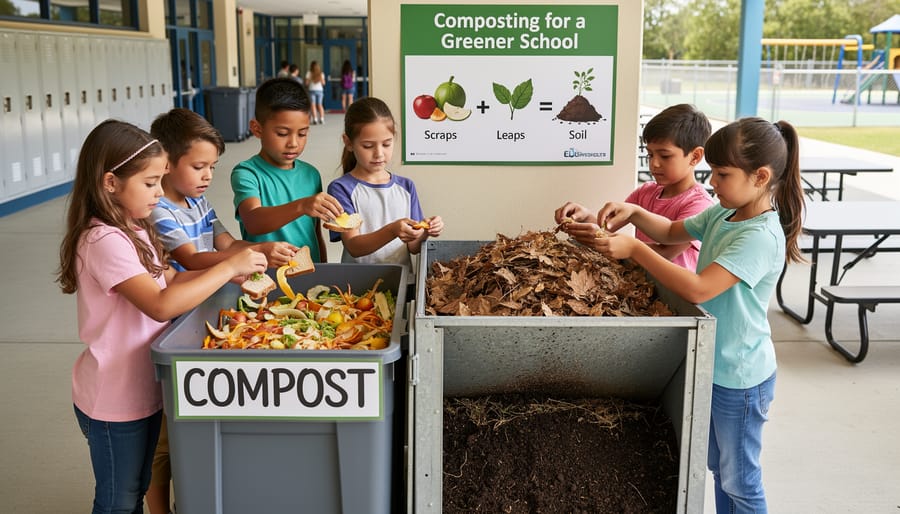
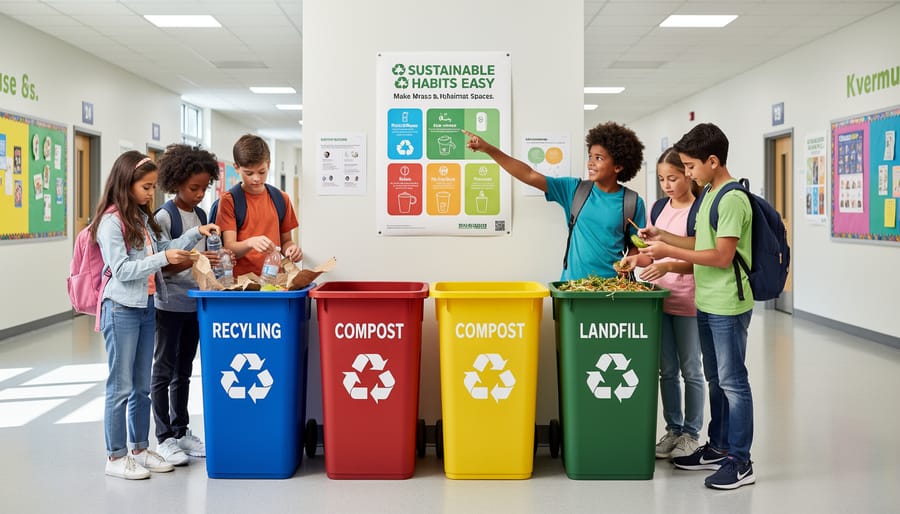
The physical foundation of any school waste management system starts with bins that students and staff can actually use. Place collection stations at high-traffic areas: cafeteria exits, hallways near classrooms, outdoor lunch spaces, and common areas. Three-stream sorting (landfill, recycling, composting) works well for most schools, though you can start with two if composting isn’t immediately feasible.
Clear signage makes the difference between success and contamination. Use visual labels showing exactly what belongs in each bin, pictures of food scraps, plastic bottles, or candy wrappers work better than words alone, especially for younger students. Color-coding helps too: blue for recycling, green for compost, and black or gray for landfill has become a recognizable standard. Keep the same colors and symbols consistent throughout your building so students don’t have to relearn the system in different spaces.
Consider height and accessibility when selecting bins. Elementary students need lower openings they can reach without climbing. Middle and high schoolers manage standard bins, but wheelchair users and students with mobility challenges require accessible options at each station.
For composting, designated outdoor bins or classroom worm farms serve different purposes. Outdoor systems handle higher volumes from cafeterias, while indoor options create learning opportunities. E-waste collection points work best as central drop-off locations rather than daily-use bins, a labeled box in the main office or media center where families can bring old devices during the school year.
Budget for maintenance from the start: replacement bags, cleaning supplies, and periodic bin repairs keep your system running smoothly.
Stakeholder Engagement and Roles
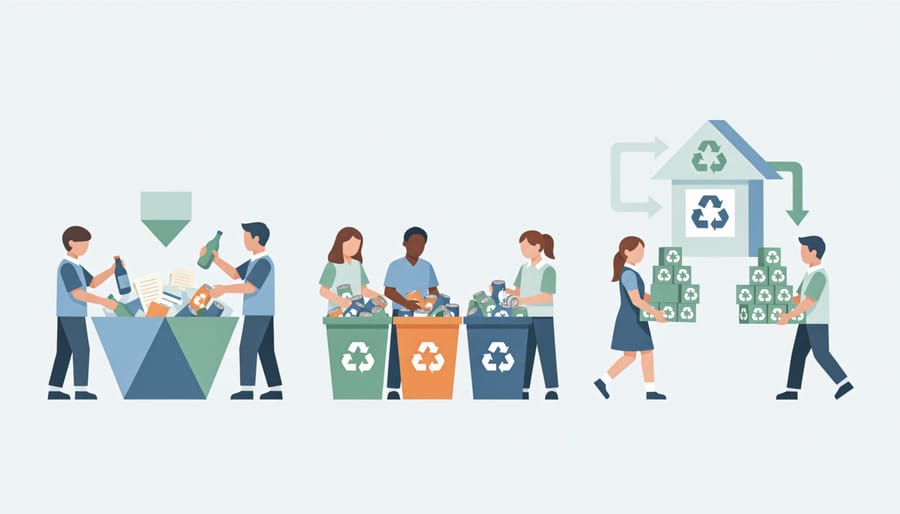
A sustainable waste management system succeeds or fails based on who participates and how well they understand their role. Schools need everyone pulling in the same direction, which means defining clear responsibilities while fostering genuine buy-in.
Students are your frontline users and most powerful advocates. They sort waste daily, monitor bin usage, conduct peer education, and often design awareness campaigns. Older students can lead waste audits, analyze data, and present findings to administrators. When students help create the system rather than just follow rules, compliance improves dramatically.
Teachers integrate waste management into lessons, model proper sorting, and reinforce expectations in their classrooms. They spot teachable moments, a contaminated recycling bin becomes a problem-solving exercise, not just a mistake. Teachers also provide continuity, maintaining system standards even as student cohorts change.
Custodial staff manage the backend logistics: emptying bins, coordinating with haulers, maintaining equipment, and identifying problem areas. Their expertise proves invaluable during planning since they understand building layouts, waste volumes, and operational constraints. Regular check-ins help catch issues before they derail the system.
Cafeteria workers handle the highest-volume waste stream in most schools. They need training on composting protocols, portion control to reduce food waste, and communication strategies to guide students through lunch sorting. Their shift timing often means dedicated outreach to keep them informed.
Administrators secure funding, negotiate contracts with waste haulers, allocate space for infrastructure, and establish policies that support the system. They champion the initiative at board meetings and connect it to broader school goals.
Community partnerslocal recycling facilities, environmental organizations, parent volunteers, extend resources and expertise schools lack internally. They might provide training, accept materials, or fund equipment. Building these relationships early creates sustainability beyond initial grant periods.
Collaborative planning sessions where all stakeholders contribute from the start prevent the common pitfall of a system designed in a vacuum that nobody understands or supports.
Data Tracking and Measurement
Tracking data transforms your waste management system from a well-intentioned effort into a measurable learning tool. Waste audits provide the foundation: students sort and weigh discarded materials over a set period, typically one week per quarter, to identify what your school throws away and where it goes. This hands-on process reveals contamination patterns, shows which waste streams dominate, and highlights opportunities for improvement.
Calculate your diversion rate using a straightforward formula: divide the weight of materials diverted from landfills (recycling, composting, donations) by your total waste weight, then multiply by 100. A school generating 500 pounds of waste weekly with 200 pounds diverted achieves a 40% diversion rate. Students can track this monthly, creating graphs that visualize progress and setbacks.
Simple metrics keep the process manageable. Count bags of trash versus recycling collected daily. Weigh cafeteria food waste before and after implementing share tables or composting. Track the number of plastic bottles collected for a month. These numbers become data sets for math lessons on percentages, averages, and trend analysis.
For science integration, students can investigate decomposition rates by monitoring compost temperatures, test soil quality improvements from finished compost, or research the carbon footprint associated with different disposal methods. The key is choosing metrics your students can actually collect and analyze, turning environmental action into academic exploration that reinforces both subjects simultaneously.
Implementing a Sustainable System: Key Steps and Timeline
Launching a sustainable waste management system in your school doesn’t require a complete overhaul overnight. The most successful programs start with careful planning and build momentum through small, visible wins that engage your school community.
Begin with a baseline assessment. Before changing anything, spend two to four weeks documenting what your school currently generates. Recruit a student environmental club or science class to conduct a simple waste audit, sorting one day’s trash from key areas like the cafeteria, classrooms, and offices into categories: recyclables, compostables, and true waste. This snapshot reveals where the biggest opportunities lie and provides data to track progress later. You’ll likely discover that 40-60% of what goes to landfills could be diverted through recycling or composting.
With audit results in hand, assemble your implementation team. This should include at least one administrator who can allocate resources, a facilities manager who understands logistics, teachers willing to champion the program, and student representatives who bring energy and peer influence. Schedule an initial planning meeting where everyone reviews the audit findings and discusses realistic goals. What percentage diversion rate can you achieve in year one? Which waste streams will you tackle first, paper recycling, composting lunch scraps, or both?
Once your team aligns on priorities, follow this practical timeline:
- Months 1-2: Secure necessary infrastructure. Order clearly labeled bins in school colors, identify placement locations that match student traffic patterns, and arrange pickup services with your municipality or private hauler. If composting, decide between on-site bins or partnering with a local farm or composting facility.
- Month 2: Launch an awareness campaign before bins appear. Use morning announcements, posters students design in art class, and classroom presentations to explain what’s changing and why. Make the system’s logic transparent, if students understand the “why,” compliance improves dramatically.
- Month 3: Introduce new bins and procedures in phases. Start with high-visibility areas like the cafeteria where staff can provide real-time guidance. Position student volunteers or “green team” members near bins during lunch periods for the first two weeks to answer questions and prevent contamination.
- Months 4-6: Expand to classrooms and common areas once cafeteria routines stabilize. Provide each teacher with a quick reference guide and suggest age-appropriate lessons that reinforce proper sorting.
- Month 6 and ongoing: Conduct follow-up waste audits quarterly. Compare diversion rates to your baseline, celebrate improvements at assemblies, and address problem areas through targeted education or system adjustments.
Build in continuous improvement from the start. Contamination, non-recyclables mixed with recyclables, is the most common stumbling block. When you spot it, resist the urge to blame students. Instead, ask whether your signage is clear, bins are convenient, or the sorting system is too complex. Sometimes simplifying from five categories to three dramatically improves compliance.
Schedule brief check-ins with your implementation team every four to six weeks during the first year. These meetings keep momentum alive, surface obstacles early, and give everyone ownership of solutions. Track not just waste metrics but also engagement indicators: How many classrooms integrated the system into lessons? Did participation rates increase at the compost station?
Remember that behavior change takes time. A system that achieves 30% diversion in year one and grows to 50% by year three represents genuine success. Your patience and persistence teach students a valuable lesson about systemic change, it’s iterative, requires collaboration, and delivers results when sustained.
Connecting Waste Systems to Student Learning
Your school’s waste management system isn’t just infrastructure, it’s curriculum in action. Students learn best when they tackle real problems with visible outcomes, and waste management offers exactly that: immediate feedback, measurable results, and connections across every subject area.
In elementary classrooms, sorting activities build foundational skills. Young students classify materials by type, predict decomposition rates, and track the weight of different waste streams each week. These hands-on tasks reinforce math concepts (measurement, data collection, graphing) while teaching environmental responsibility. Younger learners grasp abstract ideas like resource conservation when they see their cafeteria scraps transform into compost for the school garden.
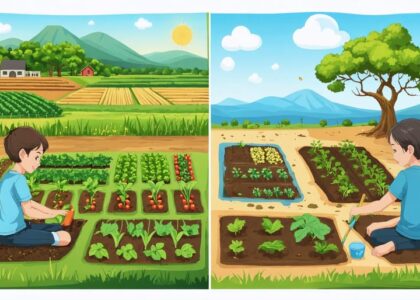
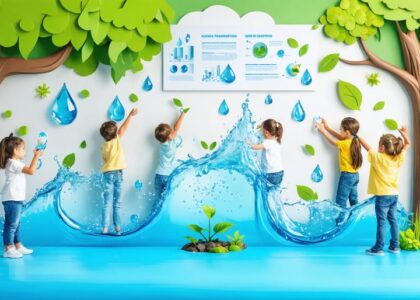
Middle school students can dig deeper into the science. They calculate carbon footprints of different disposal methods, test composting variables to optimize decomposition, or design experiments comparing biodegradable packaging claims. A waste audit becomes a multi-week project spanning data collection, analysis, and presentation, perfect for integrated STEM units. When you transform your classroom into a sustainable learning hub waste management naturally connects to broader topics like water conservation activities and resource cycles students observe in lessons about traditional farming.
High schoolers can explore policy dimensions and equity issues. Who bears the burden of waste processing facilities? How do local regulations shape what schools can recycle? Students research municipal policies, interview waste management officials, and propose evidence-based improvements to school systems. Economics classes examine the financial trade-offs between disposal methods. English students write persuasive pieces advocating for system changes, while art classes create awareness campaigns using reclaimed materials.
The system itself becomes the textbook, offering lessons that shift as student participation changes outcomes. That’s authentic learning: students see their actions matter, understand complex systems through direct involvement, and develop problem-solving skills they’ll use beyond graduation.
Common Challenges and Practical Solutions
Starting a sustainable waste management system sounds straightforward until you run headlong into the real-world complications every school faces. The good news? None of these challenges are insurmountable, and countless educators have already figured out workarounds that actually work.
Budget constraints top nearly every school’s list of concerns. Waste systems seem expensive when you’re pricing out new bins, signage, and composting equipment. But you don’t need to purchase everything at once. Start with one high-impact area, the cafeteria generates most school waste, and expand gradually. Many schools secure bins through grants from environmental nonprofits or by partnering with municipal waste authorities who provide containers for free when schools commit to their recycling programs. Student art classes can create vibrant sorting signs at zero cost, often producing more engaging visuals than purchased posters.
Contamination in recycling streams frustrates even experienced programs. Pizza boxes with grease, plastic bags mixed with paper, food waste in recycling bins, these mistakes mean entire batches get sent to landfills. The solution combines clear visual guides at every station with student monitors during high-traffic periods like lunch. Schools that assign rotating “Green Teams” to stand near bins during meals see contamination rates drop by half or more. Brief, hands-on training sessions where students physically sort real waste work better than classroom lectures.
| Challenge | Root Cause | Practical Solution |
|---|---|---|
| Budget constraints | Perceived need to buy everything new upfront | Start with one area, seek grants, use municipal partnerships, repurpose existing containers |
| Contamination in streams | Confusion about what goes where, rushed sorting | Visual guides at bins, student monitors during lunch, hands-on training sessions |
| Inconsistent participation | Lack of ownership, unclear expectations | Student leadership roles, classroom competitions, regular feedback on progress |
| Limited space | Multiple bin types compete for floor area | Vertical stacking systems, outdoor covered stations, consolidated central hubs |
| Stakeholder pushback | Extra effort perceived without visible benefit | Share waste diversion data monthly, celebrate milestones, involve resisters in planning |
Inconsistent participation tends to improve dramatically when students have genuine ownership. Rather than teachers policing the system, schools with thriving programs put students in charge. Fifth-graders can manage waste audits. High schoolers can design campaigns for their peers. Friendly competitions between classrooms, tracking which room diverts the most waste each month, tap into natural enthusiasm without making recycling feel like another chore.
Limited space requires creative thinking but rarely stops a determined school. Vertical bin stacking works in tight hallways. Some schools establish outdoor covered collection stations. Others create a single central sorting hub where student volunteers process mixed waste during designated times rather than maintaining separation points throughout the building.
Pushback from custodial staff, teachers, or administrators usually stems from concern about added workload. Address this head-on by involving potential resisters in the planning process from day one. When custodians help design the system, they build in efficiencies that work with their routines rather than against them. Sharing concrete data, pounds diverted, money saved on trash hauling, positive student feedback, transforms abstract environmental goals into visible wins that build broader buy-in over time.
Resources and Support for Educators
Building a sustainable waste management system becomes easier when you connect with the right resources and support networks. You don’t have to figure everything out alone.
Start by reaching out to your local waste management authority or municipal sustainability office. Many provide free school consultations, educational materials, and even hands-on support for waste audits. They often know which haulers offer discounted recycling services for schools and can clarify what your community actually accepts for recycling.
Grant opportunities exist specifically for school environmental projects. The Environmental Protection Agency’s Environmental Education Grants fund projects up to $100,000, while many regional foundations and corporate programs support smaller-scale initiatives. Your state’s department of environmental quality typically maintains a list of available funding sources. Don’t overlook parent-teacher organizations, they frequently support sustainability projects when presented with clear plans and student involvement.
Professional development strengthens your approach. Organizations like the National Science Teaching Association and Green Schools National Network offer workshops and webinars on waste reduction education. Many are free or low-cost, providing both theoretical frameworks and classroom-ready activities.
Online communities connect you with educators facing similar challenges. Teach Find’s interactive tools and forums let you exchange strategies, troubleshoot problems, and discover what’s working in other schools. These platforms often share resources that extend beyond waste management into related topics like biodiversity restoration helping you build connections across your environmental curriculum.
Local businesses sometimes partner with schools, donating bins, providing guest speakers, or offering tours of recycling facilities. Approach companies whose waste management aligns with educational goals, they often welcome positive community visibility.
Document what you learn and share it forward. Your successes and setbacks become valuable resources for the next educator starting this journey.
Frequently Asked Questions
How much does it cost to start a sustainable waste management system in a school?
Initial costs vary widely but can start as low as a few hundred dollars for basic sorting bins and signage. Many schools phase in infrastructure over time, beginning with a single classroom or cafeteria pilot program to minimize upfront investment while learning what works.
How do we keep students engaged with waste sorting throughout the school year?
Rotate student responsibilities, track visible progress with charts or competitions, and connect the system to classroom projects across subjects. When students see real data about diversion rates or help design improvements, their investment in the system increases significantly.
What if our community doesn’t have curbside recycling or composting programs?
Look for drop-off centers, partner with local businesses that have service access, or focus initially on waste reduction and reuse strategies that don’t require external processing. Some schools have successfully lobbied municipalities to expand services by demonstrating demand through their waste audits.
How can we measure educational outcomes alongside environmental impact?
Document student knowledge gains through pre- and post-assessments, track participation in system roles and related projects, and collect student reflections on behavior changes at home. These learning indicators complement diversion rate data to show the system’s full value.
Beyond these common concerns, educators often wonder about the time commitment required to maintain these systems. The reality is that upfront planning takes concentrated effort, perhaps 10-20 hours to assess current practices, design improvements, and organize stakeholders. Once established, a well-designed system runs largely on routine, with students handling daily operations as part of their responsibilities. Designate a staff coordinator to oversee the program, but distribute tasks so no single person carries the entire load.
Another frequent question involves what happens when contamination rates stay stubbornly high despite education efforts. Start by identifying contamination patterns through regular bin checks. Is one location or time of day worse than others? Are certain materials confusing students? Adjust signage, add visual examples of common problem items, or station student monitors at high-traffic times. Sometimes the solution is simpler bins with fewer categories until habits solidify.
Schools with limited space worry about where to put additional sorting stations and storage for collected materials. Think vertically with wall-mounted bins, use existing furniture creatively, or establish a central collection point rather than sorting stations in every room. Coordinate pickup schedules to prevent accumulation, and remember that reducing waste volume through prevention strategies means less material to manage overall.
Sustainable waste management systems deliver results that extend far beyond emptier dumpsters. When you establish these systems in your school, you’re creating a visible model of environmental responsibility while opening up authentic learning experiences across every subject area. Students who sort recycling, track diversion rates, or redesign collection points aren’t just completing assignments, they’re developing problem-solving skills and environmental literacy they’ll carry into their communities.
The beauty of this work is that you don’t need a perfect plan or unlimited funding to begin. Start with one component: a composting bin for the cafeteria, better signage on existing containers, or a student-led waste audit. Involve your students in the design process from day one. Their questions, observations, and creative solutions will shape a system that actually works for your school’s unique context.
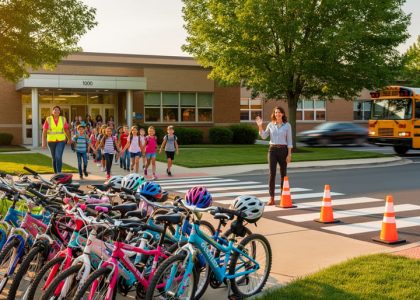
Remember that sustainable waste management connects naturally to broader initiatives like sustainable transportation creating a comprehensive approach to environmental education. Every school can take meaningful action, regardless of size, budget, or location. The infrastructure you build today teaches tomorrow’s citizens that systems can change, that individual actions matter, and that sustainability is achievable through collaboration and persistence. Your school’s waste management system isn’t just infrastructure, it’s curriculum, community-building, and hope in action.