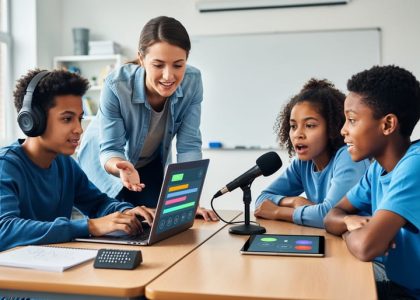
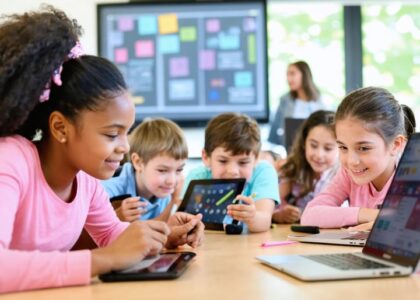
Transform your classroom into a dynamic learning environment by strategically leveraging AI tools in education. Today’s educators stand at the intersection of traditional teaching and technological innovation, where artificial intelligence offers unprecedented opportunities to enhance student engagement, streamline administrative tasks, and personalize learning experiences.
Imagine reducing your lesson planning time by 50% while creating more engaging content, automatically generating differentiated assignments for diverse learning needs, and receiving instant analytics on student comprehension. These aren’t future possibilities – they’re current realities for educators who effectively integrate AI into their teaching practice.
As we explore practical implementations of AI in the classroom, we’ll focus on specific, achievable strategies that respect both pedagogical best practices and the unique needs of your students. Whether you’re new to educational technology or looking to expand your existing digital toolkit, this guide will provide you with concrete steps to harness AI’s potential while maintaining the human connection that makes teaching truly transformative.
Let’s discover how AI can amplify your teaching impact without compromising the authentic learning experiences your students deserve.
AI-Powered Assessment and Grading
Automated Grading Systems
Automated grading systems powered by AI are revolutionizing how teachers assess student work, offering both time-saving benefits and increased objectivity. These tools can quickly evaluate multiple-choice questions, mathematical problems, and even short-answer responses, allowing teachers to focus more on personalized instruction and student interaction.
Many of these systems use machine learning algorithms to understand and assess student responses, providing instant feedback and detailed analytics. For example, teachers can upload answer keys and rubrics, and the AI will automatically grade assignments based on these criteria. This automation can reduce grading time by up to 70%, giving educators more opportunities to plan engaging lessons and provide one-on-one support.
Beyond simple right-or-wrong assessments, modern AI grading tools can analyze writing assignments for grammar, structure, and content relevance. They can identify patterns in student responses, helping teachers spot common misconceptions or areas where the class might need additional support. Some systems even offer personalized feedback suggestions that teachers can review and modify before sharing with students.
To ensure fairness and accuracy, many automated grading systems allow for teacher oversight and adjustment. This hybrid approach combines the efficiency of AI with the nuanced understanding that only experienced educators can provide. As these tools continue to evolve, they’re becoming increasingly sophisticated at recognizing diverse response patterns and learning styles, making them valuable allies in creating more inclusive and efficient classrooms.
Real-time Student Progress Tracking
Real-time student progress tracking through AI offers educators powerful insights into learning patterns and achievement levels. By analyzing data from various learning activities, AI systems can create comprehensive profiles of each student’s academic journey, highlighting strengths and areas needing additional support.
These AI-powered tracking systems monitor multiple indicators simultaneously, including assignment completion rates, quiz scores, participation levels, and time spent on different tasks. The technology processes this information to identify learning trends and potential obstacles before they become significant challenges.
For teachers, this means having instant access to actionable insights. When a student struggles with specific concepts, the system alerts educators immediately, allowing for timely intervention. Similarly, when students excel, teachers can provide advanced materials to maintain engagement and momentum.
The real value lies in personalization. AI algorithms can detect individual learning paces and styles, helping teachers adjust their teaching strategies accordingly. For instance, if several students show difficulty with fractions, the system might suggest alternative teaching methods or supplementary materials tailored to different learning approaches.
Regular progress reports generated by AI tools help facilitate meaningful conversations with parents and students. These reports translate complex data into easy-to-understand visualizations, making it simpler to communicate progress and set achievable goals. This transparency builds trust and encourages active participation in the learning process from all stakeholders.
Remember that while AI tracking is powerful, it should complement, not replace, teacher observation and judgment. The most effective approach combines AI insights with educators’ professional expertise and personal understanding of their students.


Personalized Learning Pathways
Adaptive Learning Platforms
In today’s diverse classrooms, adaptive learning technology has emerged as a game-changer for personalizing student education. These AI-powered platforms continuously analyze student performance and adjust content difficulty in real-time, ensuring each learner is appropriately challenged and supported.
When a student interacts with these platforms, the AI monitors various factors such as response time, accuracy, and problem-solving patterns. Based on this data, the system automatically adjusts the complexity of subsequent questions or activities. For instance, if a student excels at basic multiplication, the platform might introduce more challenging word problems or multi-step equations.
These adaptive systems also provide immediate feedback and alternative explanations when students struggle. If a student repeatedly makes similar mistakes in fraction problems, the platform might offer visual representations or break down concepts into smaller, more manageable steps. This personalized approach helps prevent frustration while maintaining engagement.
Teachers can benefit from the detailed insights these platforms generate. Real-time dashboards show individual and class-wide progress, highlighting areas where students need additional support. This information enables educators to make data-driven decisions about lesson planning and intervention strategies.
Many adaptive learning platforms also include features like:
– Customizable learning paths
– Multiple content presentation formats
– Progress tracking tools
– Built-in remediation resources
– Student-specific pace adjustment
By implementing these platforms thoughtfully, educators can create a more inclusive learning environment where every student has the opportunity to succeed at their own pace while maintaining high academic standards.
Custom Content Generation
AI-powered content generation tools are revolutionizing how educators create personalized learning materials for their students. These intelligent systems can analyze student performance data and learning patterns to generate customized exercises, worksheets, and assessments that match each student’s specific learning level and needs.
For example, if you’re teaching mathematics to a diverse classroom, AI tools can automatically create different versions of the same practice problems, adjusting the difficulty level for advanced learners while providing additional scaffolding for students who need extra support. This differentiation happens seamlessly, saving you countless hours of manual adaptation while ensuring every student is appropriately challenged.
These systems can also generate reading comprehension exercises by analyzing text complexity and creating questions that target different cognitive levels. For struggling readers, the AI might generate more basic comprehension questions, while advanced readers receive questions that require deeper analysis and critical thinking.
Language teachers particularly benefit from AI’s ability to create vocabulary exercises and grammar drills tailored to individual proficiency levels. The system can track commonly made mistakes and generate targeted practice materials that address specific areas of difficulty.
What makes AI-generated content especially valuable is its ability to learn and adapt. As students interact with the materials, the system refines its understanding of their learning patterns and adjusts future content accordingly. This creates a dynamic learning environment where exercises evolve alongside student progress.
Remember that while AI generates the content, you maintain control over the final selection and implementation. You can review, modify, and curate the generated materials to ensure they align with your teaching objectives and classroom culture.
Administrative Task Automation
Attendance and Scheduling
Managing attendance and scheduling can consume valuable teaching time, but AI-powered learning management systems are revolutionizing these routine tasks. Modern AI solutions can automatically track student attendance through facial recognition or digital check-ins, eliminating the need for manual roll calls and paper records.
These intelligent systems can detect patterns in attendance, alerting teachers and administrators to potential concerns before they become serious issues. They can also generate detailed reports and send automated notifications to parents when students are absent, maintaining clear communication channels without additional effort from teachers.
For scheduling, AI algorithms can optimize class timetables by considering multiple factors simultaneously, such as teacher availability, room capacity, subject requirements, and student preferences. This capability extends to organizing parent-teacher conferences, staff meetings, and other school events with minimal conflicts.
The real power of these tools lies in their ability to adapt and learn. As they collect more data, they become better at predicting scheduling conflicts and suggesting alternatives. They can even recommend the best times for specific activities based on historical attendance patterns and student engagement levels.
By automating these administrative tasks, educators can redirect their focus to what matters most: teaching and supporting their students’ learning journey.

Communication Management
AI-powered communication tools are revolutionizing how educators connect with parents and share important information. By implementing smart communication systems, teachers can save valuable time while maintaining meaningful connections with their school community.
Modern AI platforms can help schedule and send automated updates about student progress, upcoming events, and classroom activities. These systems can analyze communication patterns and suggest the best times to send messages, ensuring higher engagement rates from parents. They can also translate messages instantly into multiple languages, breaking down language barriers and fostering inclusive communication.
Smart chatbots can handle routine inquiries about homework deadlines, school events, and attendance policies, allowing teachers to focus on more complex or personal conversations. These AI assistants can be available 24/7, providing immediate responses to common questions and routing urgent matters to appropriate staff members.
Some AI tools can even help craft personalized communications based on student data and performance trends. For instance, they can automatically generate progress reports with suggested talking points for parent-teacher conferences or create customized newsletters highlighting class achievements and upcoming learning objectives.
To maintain the human touch, use AI as a supplement rather than a replacement for personal interaction. Combine automated messages with regular check-ins and face-to-face meetings to build strong relationships with families while benefiting from the efficiency of AI-powered communication tools.
Implementation Strategies
Getting Started Guide
Begin your AI implementation journey with these straightforward steps to ensure a smooth transition into using AI tools in your classroom. Start by identifying one specific teaching task you’d like to enhance, such as lesson planning or student feedback. Research and select one AI tool that aligns with this task – many educators begin with user-friendly platforms like ChatGPT or Google’s Bard.
Before full implementation, take time to experiment with your chosen tool in a low-stakes environment. Practice creating simple prompts and reviewing the outputs. As you become more comfortable, gradually incorporate these AI-powered learning strategies into your regular teaching routine.
Remember to:
– Start small with one tool and one task
– Document what works and what doesn’t
– Share experiences with colleagues
– Collect student feedback
– Adjust your approach based on results
Consider joining online educator communities where you can learn from others’ experiences and share your own insights. As you build confidence, expand your AI toolkit gradually, always keeping your students’ needs at the center of your implementation strategy.
Overcoming Common Challenges
While incorporating AI into education can be transformative, educators often face several common challenges. The good news is that these obstacles are manageable with the right approach and support. Many teachers express concern about the learning curve associated with new AI tools. Start small by focusing on one tool at a time and gradually expanding your AI toolkit as your confidence grows.
Limited time and resources can also pose significant barriers. Combat this by leveraging free educational AI tools initially and collaborating with colleagues to share resources and experiences. Create a support network within your school where tech-savvy teachers can mentor others.
Privacy and ethical concerns often arise when implementing AI solutions. Address these by thoroughly reviewing privacy policies, obtaining necessary permissions, and establishing clear guidelines for AI use in your classroom. Keep parents informed about how AI tools are being used to support learning.
Technical difficulties can be frustrating, but maintaining a backup plan for lessons and ensuring basic troubleshooting knowledge can help minimize disruptions. Remember that it’s okay to learn alongside your students – this models resilience and lifelong learning.
As we look to the future of education, AI-powered classroom automation stands as a transformative force that empowers educators to create more engaging, personalized, and efficient learning environments. By implementing AI tools thoughtfully, teachers can reclaim valuable time from administrative tasks and redirect their energy toward what matters most – meaningful interactions with students and creative teaching moments.
The benefits we’ve explored throughout this article – from automated grading and personalized learning paths to intelligent content creation and real-time student assessment – demonstrate that AI is not replacing teachers but rather enhancing their capabilities. Schools that embrace these technologies are witnessing improved student outcomes, reduced teacher burnout, and more inclusive learning environments that better serve diverse student needs.
Looking ahead, we can expect AI in education to become even more sophisticated and accessible. Emerging developments in natural language processing and adaptive learning systems will continue to expand the possibilities for classroom automation. However, success lies in maintaining a balanced approach where technology supports rather than supersedes human connection.
For educators beginning their AI journey, remember that implementation can be gradual. Start with one or two tools that address your most pressing needs, and build from there. Connect with fellow educators through professional learning communities to share experiences and best practices. The future of education is collaborative, adaptive, and technology-enhanced, with teachers leading the way in shaping how AI serves their students’ needs.