
CJC-1295 Ipamorelin no DAC is a synthetic peptide designed to stimulate growth hormone release in the body. As an educator, you may have heard students discussing it in conversations about fitness, athletics, or body enhancement. Understanding what this substance is and how it works equips you to respond thoughtfully when these topics surface in your school community.
CJC-1295 without DAC (Drug Affinity Complex) acts on the pituitary gland to increase production of growth hormone for short, controlled periods. Students might encounter information about it through online fitness forums, social media influencers, or peer discussions about performance enhancement. The “no DAC” specification matters because it affects how long the peptide remains active in the body, with this version producing shorter bursts rather than sustained release.
Your role isn’t to become a medical expert or to alarm students about every substance they mention. Instead, you’re positioned to foster critical thinking about health claims, guide students toward reliable information sources, and recognize when a conversation signals a need for additional support. Some students explore these topics out of genuine curiosity about biology and athletics. Others may be considering use themselves or know peers who are.
This article provides clear, factual information about CJC-1295 (No DAC) and practical strategies for addressing it in educational settings. You’ll find conversation frameworks, resources for student discussions, and guidance on when to involve parents, counselors, or administrators.
What Educators Need to Know About CJC-1295 (No DAC)
CJC-1295 (No DAC) is a synthetic peptide that mimics a natural hormone in the body called growth hormone releasing hormone (GHRH). Think of it as a lab-created compound designed to signal the pituitary gland to release more growth hormone. It was originally developed for medical research into growth hormone deficiencies and age-related conditions, not as a performance enhancer or general wellness product.
The “No DAC” designation is crucial for understanding what students or parents might be discussing. Here’s what educators should know:
- Peptide
- A short chain of amino acids that acts as a signaling molecule in the body. Peptides can influence various biological processes, including hormone production and cell communication.
- Growth Hormone Releasing Hormone (GHRH)
- A natural hormone produced by the hypothalamus that tells the pituitary gland to release growth hormone. CJC-1295 mimics this hormone’s action.
- DAC vs No DAC
- DAC (Drug Affinity Complex) is an additive that makes the peptide last longer in the body. The “No DAC” version works quickly and leaves the system faster, creating shorter bursts of growth hormone release rather than sustained elevation.
- Pulsatile Release
- The body’s natural pattern of releasing growth hormone in waves or pulses, typically during sleep and exercise. CJC-1295 (No DAC) attempts to mimic this natural rhythm rather than creating constant, artificially high levels.
In legitimate medical settings, researchers have studied this peptide for potential treatments involving growth hormone deficiency, muscle wasting diseases, and certain metabolic conditions. However, it lacks FDA approval for any clinical use and remains in the research phase.
Where educators encounter confusion is in the non-medical realm. Online wellness communities, bodybuilding forums, and anti-aging clinics have popularized CJC-1295 (No DAC) as a performance enhancer, muscle builder, or fat loss aid. These uses are not backed by rigorous clinical trials, and the peptide is often obtained from unregulated suppliers of questionable quality.
The distinction matters because students exposed to social media fitness content may hear about these peptides framed as safe, natural alternatives to anabolic steroids. That framing misrepresents both the substance and the risks involved.
Why This Topic Appears in School Communities
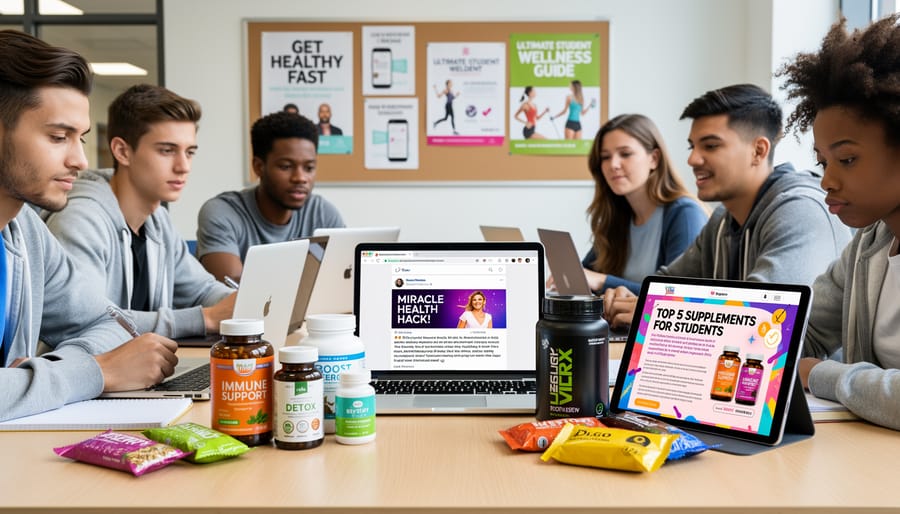
You’re seeing CJC-1295 (No DAC) peptide surface in school conversations because several cultural currents are converging in ways that reach your students. The fitness and wellness industries have exploded on platforms where teens spend their time, and what once stayed in bodybuilding forums now appears in everyday TikTok feeds and Instagram stories. Students encounter influencers discussing peptides alongside workout routines, skincare regimens, and supplement stacks, often without clear distinctions between what’s safe, legal, or appropriate for young people.
Athletic performance pressure plays a significant role. Student athletes face intense competition for scholarships, team positions, and personal records. When they hear about substances that might offer an edge, even experimental ones used by adults, curiosity follows. Parents pursuing their own wellness goals sometimes inadvertently introduce these topics at home. A father’s anti-aging protocol or a mother’s biohacking routine becomes dinner table conversation, and students absorb more than we might expect.
The supplement industry’s marketing reaches teens directly through fitness content creators who rarely disclose the difference between regulated supplements and experimental peptides. Students lack the context to evaluate these messages critically, which makes discussing social media in class increasingly relevant for health literacy.
This isn’t about students necessarily using CJC-1295, but about the information environment they’re navigating. They’re encountering complex biochemical concepts filtered through entertainment platforms, peer discussions, and adult wellness culture that wasn’t designed with adolescent development in mind. Your awareness of these pathways helps you address questions before they become experimentation.
Health and Safety Concerns for the K-12 Context
When you’re supporting student wellbeing, understanding the specific risks associated with CJC-1295 (No DAC) helps you respond with clarity and confidence. Young people face unique vulnerabilities that make peptide use particularly concerning in school-aged populations.
The most significant concern centers on developmental impact. Adolescent bodies are still growing, with natural growth hormone production functioning as it should through puberty and into early adulthood. Introducing synthetic peptides that artificially stimulate growth hormone release can disrupt these carefully calibrated processes. We don’t have long-term studies showing what happens when developing endocrine systems encounter these interventions during critical growth periods.
CJC-1295 (No DAC) lacks FDA approval for athletic performance enhancement or general wellness use. The agency has approved it only for specific research purposes under controlled conditions. When students access this peptide, they’re using an experimental substance without the medical oversight that would accompany legitimate therapeutic use.
The source problem compounds these risks. Students obtaining peptides typically bypass medical channels entirely, purchasing from online suppliers or informal networks where quality control doesn’t exist. These products may contain incorrect dosages, contaminants, or entirely different substances than labeled. One educator I spoke with discovered that a student athlete had purchased what was labeled as a recovery supplement but actually contained multiple unregulated peptides.
Injectable peptides also carry infection risks, especially when young people lack proper training in sterile technique. Beyond the immediate physical concerns, there’s the psychological dimension: students who turn to performance-enhancing substances often face pressure they need help navigating, not a chemical solution.
Medical supervision matters enormously here. Any peptide use requires professional monitoring of hormone levels, side effects, and interactions with a person’s unique physiology. Students operating without this guidance put themselves at serious risk for adverse effects they won’t recognize or know how to address.
How to Address Student Questions and Concerns

When a student approaches you with questions about CJC-1295 or similar substances, your response matters more than having all the answers. Students who raise these topics are often testing the waters to see if you’re a safe person to talk to, so your initial reaction sets the stage for whether they’ll continue the conversation or shut down.
Your goal is threefold: keep the dialogue open, provide accurate information within your scope, and connect the student to appropriate resources. You’re not expected to be a medical expert or endocrinologist. Your role is to be an informed, caring adult who takes student concerns seriously without overreacting.
Here’s a practical framework for these conversations:
- Listen without judgment. Let the student explain their question or concern fully before responding. Avoid shocked reactions, lectures, or immediate warnings, which often end productive dialogue.
- Provide factual information. Share what you know: CJC-1295 is a synthetic peptide requiring medical supervision, it’s not FDA-approved for performance enhancement, and young bodies are still developing. Stick to facts rather than scare tactics.
- Emphasize consulting healthcare providers. Make it clear that any supplement or substance affecting hormones requires professional medical guidance. Normalize the idea that these decisions belong in a doctor’s office, not online forums or peer groups.
- Connect to school support resources. Depending on the conversation, involve your school nurse, counselor, or wellness coordinator. Frame this as getting the student access to better information, not as punishment or reporting.
- Follow up appropriately. Check in with the student after a few days to see if they got the information they needed. This shows you care and keeps the door open for future questions.
Document the conversation according to your school’s policies, particularly if you have concerns about student safety or if the student mentions already using substances. Balance confidentiality with your duty of care.
When redirecting students to credible resources, recommend consulting their family doctor, school nurse, or evidence-based websites like MedlinePlus or the CDC. Steer them away from supplement retailers, bodybuilding forums, or social media influencers as primary health information sources.
If a student seems resistant or defensive, don’t push. Plant the seed that you’re available whenever they want to talk, and trust that your calm, factual approach will resonate later when they’re ready to process it.
Building Health Literacy in Your Classroom
The CJC-1295 (No DAC) peptide conversation offers a natural springboard for developing students’ critical thinking about health claims they encounter daily. In science classes, use this as a case study for understanding scientific terminology, hormone systems, and the difference between correlation and causation in health claims. Challenge students to evaluate websites promoting peptides using specific criteria: Who funded the research? What’s the source’s credibility? Are claims backed by peer-reviewed studies?
Physical education provides excellent opportunities to discuss performance enhancement within sports ethics units. Have students compare legal training supplements with regulated substances, exploring why age restrictions exist and what “optimal performance” really means for developing bodies. Media literacy lessons can deconstruct Instagram ads or YouTube influencers promoting peptides, teaching students to identify marketing tactics disguised as health advice.
Even language arts classes can incorporate this topic through persuasive writing analysis or researching rhetorical techniques in supplement advertising. Create assignments where students fact-check viral health claims using trusted sources like the FDA or medical journals. The goal isn’t making students experts on peptides, but equipping them to question any health product marketed as a quick fix. These skills transfer far beyond one peptide to every supplement, diet trend, and wellness claim they’ll encounter throughout their lives.
Your role as an educator isn’t to become a medical expert on every substance students might encounter. Instead, it’s about being an informed, trusted guide who recognizes when topics like CJC-1295 (No DAC) peptide surface in your school community and knowing how to respond with confidence and care.
By understanding the basics of this peptide and its risks for young people, you’ve equipped yourself to have meaningful conversations that prioritize student safety. You’re now prepared to redirect students to appropriate health professionals, collaborate effectively with school nurses and counselors, and communicate thoughtfully with families when these issues arise.
Remember that your greatest strength lies in creating an environment where students feel comfortable asking questions without judgment. When you model critical thinking about health claims and demonstrate how to evaluate information sources, you’re building skills that extend far beyond any single substance or trend.
You don’t have to have all the answers. You simply need to stay informed enough to recognize potential concerns, respond with empathy, and connect students with the right resources. That’s exactly what good teaching looks like when it comes to supporting student wellbeing in 2026.