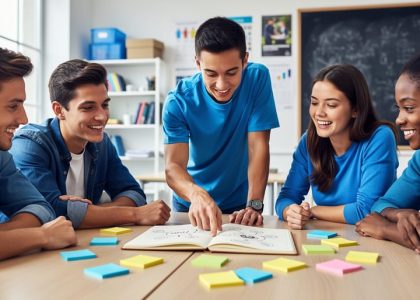
Transform your classroom into a nurturing space for social-emotional learning by embedding authentic connections within everyday academic content. Begin each lesson with a brief emotional check-in, allowing students to share their mental state through simple visual cues or quick written reflections. Partner traditional academic objectives with emotional competency goals, such as practicing active listening during group discussions or exercising empathy while analyzing character motivations in literature. Create designated reflection zones where students can process complex emotions and practice self-regulation strategies without disrupting the learning environment.
The most effective SEL integration happens naturally, woven seamlessly into existing lesson structures rather than treated as a separate curriculum component. By recognizing that academic growth and emotional development are inherently interconnected, educators can foster an environment where students develop crucial life skills alongside subject matter expertise. This approach not only enhances student engagement but also creates a more resilient, emotionally intelligent classroom community prepared for both academic and personal challenges.
Creating an Emotionally Safe Learning Environment
Morning Meetings and Check-ins
Starting each day with intentional morning meetings and check-ins creates a supportive classroom environment where students feel seen and valued. These daily gatherings provide structured opportunities for students to express their emotions, practice empathy, and build meaningful connections with peers.
Begin your morning meeting with a quick emotional check-in using tools like mood meters or feeling cards. Students can share their current emotional state and energy levels, helping them develop emotional vocabulary and self-awareness. This practice also allows you to gauge your class’s collective emotional temperature and adjust your teaching approach accordingly.
Include community-building activities like “rose and thorn” sharing sessions, where students discuss one positive and one challenging aspect of their previous day or weekend. These conversations naturally integrate social skills like active listening, turn-taking, and showing compassion for others’ experiences.
To maximize engagement, rotate student leaders who facilitate different parts of the morning meeting. This leadership opportunity builds confidence and reinforces social skills in an authentic context. Keep meetings brief but consistent – aim for 15-20 minutes to establish a reliable routine without sacrificing instructional time.
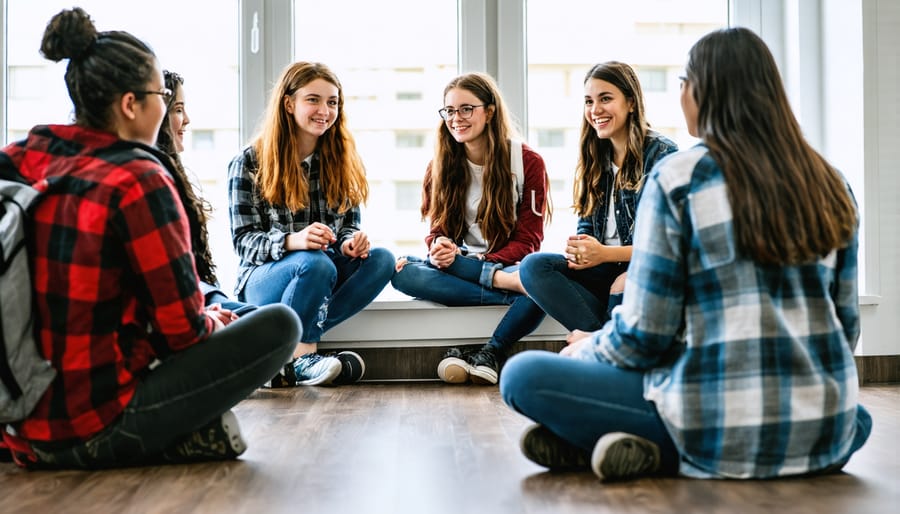
Setting Up Physical and Emotional Safe Spaces
Creating a safe physical environment begins with designating specific areas in your classroom where students can process their emotions and practice self-regulation. Consider setting up a “peace corner” or “calm-down space” equipped with comfort items like stress balls, breathing cards, and fidget tools. This area should be easily accessible but slightly separated from the main learning space to provide privacy when needed.
Establish clear protocols for using these spaces, such as limiting the number of students at one time and setting reasonable time limits. Create visual guides showing emotion regulation strategies and post them in these areas. Simple breathing exercises, mindfulness prompts, or emotion reflection sheets can help students work through their feelings independently.
The emotional safety of your classroom depends on consistent routines and expectations. Implement regular check-ins, perhaps using a mood meter or feelings chart, where students can communicate their emotional state without judgment. Foster an atmosphere where all emotions are acknowledged as valid, while helping students develop appropriate expression strategies. Remember that modeling emotional awareness and regulation yourself is crucial in creating a truly safe emotional environment.
Integrating SEL Into Academic Content
Literature and Writing Connections
Literature and writing provide powerful vehicles for developing social-emotional skills through storytelling, reflection, and creative expression. Select books that feature characters navigating emotional challenges, demonstrating empathy, or working through conflicts. During read-alouds, pause to discuss characters’ feelings, motivations, and relationships, encouraging students to make personal connections.
Create writing prompts that invite students to explore their emotions and experiences. Journal prompts like “Write about a time when you felt proud” or “Describe how you helped someone today” encourage self-reflection and emotional awareness. Collaborative writing projects, such as class books about friendship or gratitude, foster connection and community building.
Poetry writing can be particularly effective for emotional expression. Students can write emotion-themed haikus, “I Am” poems, or letters to themselves. For younger students, picture books about feelings can inspire art-and-writing activities where they create their own emotional storytelling.
Book clubs and literature circles provide structured opportunities for students to discuss character development, emotional themes, and conflict resolution strategies. Guide discussions with questions like “How did the character’s feelings change throughout the story?” or “What would you have done in their situation?”
Remember to create a safe, judgment-free space where students feel comfortable sharing their writing and responses. Celebrate diverse perspectives and experiences while maintaining appropriate boundaries for personal disclosure.
Math and Science Through an SEL Lens
Math and science classes provide excellent opportunities to develop social-emotional skills while engaging with complex problems. When students work together on STEM projects, they naturally practice collaboration, communication, and empathy. Start by organizing small group activities where students tackle challenging problems together, encouraging them to share different approaches and support each other’s learning.
For example, in a physics experiment, assign roles like data recorder, equipment manager, and procedure coordinator. This structure helps students develop responsibility and practice effective teamwork. During problem-solving sessions, encourage students to explain their thinking process to others, fostering both mathematical reasoning and communication skills.
Create a supportive environment where mistakes are viewed as learning opportunities. When students encounter difficulties in understanding scientific concepts, guide them to practice self-awareness by reflecting on their confusion and seeking help from peers. This builds resilience and growth mindset, essential SEL competencies.
Integrate real-world applications that connect STEM subjects to social issues. For instance, use environmental science projects to develop social awareness and responsible decision-making. Have students analyze data about local environmental challenges and work collaboratively to propose solutions, combining scientific knowledge with empathy for their community.
Remember to celebrate both academic achievements and demonstrations of social-emotional growth, such as effective collaboration or perseverance through challenging problems. This balanced approach helps students see the connection between STEM success and emotional intelligence.

Teaching SEL Through Active Learning
Role-Playing and Simulations
Role-playing and simulations provide powerful opportunities for students to develop empathy and practice social skills in a safe, supportive environment. Through dramatic activities, students can step into different perspectives and experience situations from multiple viewpoints. Consider implementing scenario-based activities where students act out common social challenges, such as resolving conflicts, joining group discussions, or supporting a friend in need.
Create meaningful scenarios that reflect your students’ daily experiences, incorporating challenges they might face both in and outside the classroom. For example, have students role-play different approaches to handling disagreements during group work or practice active listening techniques through structured dialogues.
To maximize learning impact, follow each role-playing session with guided reflection discussions. Ask students to share their feelings, insights, and observations about the experience. What did they learn about others’ perspectives? How might they apply these insights in real situations?
Remember to establish clear guidelines for respectful participation and provide specific feedback that reinforces positive social behaviors. Consider rotating roles so students can experience different perspectives and practice various social skills throughout the activity.
Collaborative Projects
Collaborative projects offer powerful opportunities to develop social-emotional skills while engaging students in meaningful learning experiences. Start by creating diverse groups that bring together students with different strengths and backgrounds. This intentional grouping helps students develop empathy and appreciation for different perspectives.
Design projects that require clear communication, shared responsibility, and collective problem-solving. For example, have students work together to create a classroom newspaper, where each member takes on different roles like writer, editor, and designer. This naturally encourages active listening, compromise, and mutual support.
Incorporate structured role assignments that rotate regularly, allowing each student to experience different responsibilities within the group. Include specific checkpoints where teams reflect on their collaboration process, discussing what’s working well and what needs improvement.
Guide students in developing group agreements that outline expectations for respectful communication and conflict resolution. When challenges arise, use them as teachable moments to practice problem-solving skills and emotional regulation.
Remember to celebrate both the final product and the collaborative journey. Have groups share not only their project outcomes but also insights about their teamwork experience, reinforcing the value of relationship-building skills alongside academic achievement.
Assessment and Progress Monitoring
Observation Tools
Effective documentation of students’ social-emotional development requires a combination of observation tools and tracking methods. Maintain a digital or physical observation journal to record specific instances of students demonstrating SEL skills during lessons. Create simple checklists that focus on key behaviors like collaboration, empathy, and self-regulation to streamline your observations.
Consider using a rubric system that outlines different levels of SEL competency development, making it easier to track progress over time. Take advantage of digital tools like behavior tracking apps or online portfolios where you can store photos, videos, and written observations of students applying SEL skills in real situations.
Regular anecdotal records are valuable for capturing detailed examples of student interactions and emotional responses. Use sticky notes for quick observations during lessons, then transfer these insights to your documentation system later. Implement student self-reflection tools, such as emotion logs or weekly check-ins, to gather their perspectives on their own social-emotional growth.
Remember to share relevant observations with colleagues and families to create a comprehensive picture of each student’s SEL development. This collaborative approach ensures more accurate and thorough documentation of student progress.
Student Self-Reflection
Encouraging students to reflect on their own social and emotional intelligence development is crucial for meaningful SEL integration. Create regular opportunities for students to assess their emotional awareness and social skills through guided journaling exercises, emotion check-ins, and self-reflection questionnaires. Implement simple rating scales where students can track their progress in areas like empathy, self-regulation, and relationship building.
Consider using digital portfolios or reflection journals where students can document their SEL journey, including challenges they’ve overcome and strategies they’ve found helpful. Encourage students to set personal SEL goals and regularly review their progress. This might involve weekly check-ins where students rate their emotional awareness, relationship skills, or conflict resolution abilities.
Make self-reflection a natural part of your classroom routine by incorporating quick end-of-lesson exit tickets focusing on emotional experiences and social interactions. This helps students develop metacognitive skills while providing valuable feedback for adjusting your SEL approach. Remember to celebrate progress and frame challenges as opportunities for growth.

Incorporating social-emotional learning into your lessons is a journey that transforms both teaching and learning experiences. By implementing strategies such as morning meetings, emotional check-ins, and collaborative projects, you create a more inclusive and supportive classroom environment. Remember that small, consistent steps can lead to significant impacts on your students’ development.
Start with one or two strategies that resonate most with your teaching style and classroom dynamics. As you become more comfortable, gradually expand your SEL toolkit. Pay attention to how your students respond and adjust your approaches accordingly. The beauty of SEL integration lies in its flexibility and adaptability to different grade levels and subject areas.
Your commitment to nurturing students’ social-emotional skills alongside academic growth creates a foundation for lifelong learning and success. Keep exploring new ways to incorporate SEL, share experiences with colleagues, and celebrate the progress you observe in your students. Remember, every moment spent developing these crucial life skills is an investment in your students’ future well-being and achievement.
Together, we can create classrooms where students thrive both academically and emotionally, preparing them for the challenges and opportunities that lie ahead.