Building adaptability and resilience in students has become one of education’s most vital missions, extending far beyond academic achievement into lifelong success. Today’s students face unprecedented challenges – from rapid technological changes to global uncertainties – making these skills essential for their future well-being and achievement.
Research consistently shows that resilient, adaptable students not only perform better academically but also demonstrate stronger social-emotional skills, better stress management, and increased problem-solving capabilities. In our ever-evolving educational landscape, these qualities serve as powerful predictors of both academic and life success.
For educators, fostering these crucial skills requires a deliberate, systematic approach that combines evidence-based strategies with authentic learning experiences. By integrating adaptability and resilience training into daily classroom practices, teachers can create learning environments that not only support academic growth but also cultivate the mental agility and emotional strength students need to thrive in an uncertain world.
This comprehensive guide explores practical strategies, proven frameworks, and innovative approaches to building student resilience and adaptability, empowering educators to transform challenges into opportunities for growth and learning. Through intentional practice and supportive guidance, we can help students develop the robust toolkit they need to navigate life’s complexities with confidence and skill.
Why Traditional Resilience Building Falls Short
The Missing Link: Social-Emotional Context
While academic skills are crucial, research consistently shows that social-emotional factors play an equally vital role in developing student resilience. The classroom environment, peer relationships, and teacher-student connections create a complex web that either supports or hinders adaptability development.
Students who feel emotionally safe and supported are more likely to take academic risks, bounce back from setbacks, and develop a growth mindset. This emotional foundation enables them to view challenges as opportunities rather than threats. Teachers who recognize this connection can intentionally create classroom cultures that promote both emotional safety and academic growth.
Key elements include fostering positive peer relationships, establishing clear emotional support systems, and modeling healthy responses to challenges. When students see their teachers and classmates navigate difficulties with grace and determination, they develop their own emotional toolkit for handling adversity.
Remember that building resilience isn’t just about individual coping strategies – it’s about creating a supportive community where students feel valued, understood, and capable of growth.
Beyond One-Size-Fits-All Approaches
The classroom is a diverse ecosystem where each student brings unique experiences, challenges, and learning styles. Recent studies have shown that standardized approaches to building resilience and adaptability often fall short because they fail to account for individual differences in student backgrounds, emotional readiness, and learning preferences.
Consider how students respond differently to stress: while some may benefit from quiet reflection, others might need active engagement or peer support. Cultural backgrounds also play a crucial role – what works in one community setting might be ineffective or even counterproductive in another.
Teachers have observed that cookie-cutter solutions rarely address the complex nature of student needs. For instance, while group activities might help extroverted students build resilience through collaboration, introverted students might develop stronger coping mechanisms through independent problem-solving exercises.
Success lies in developing flexible frameworks that can be customized to meet diverse student needs. This means having a toolkit of varied strategies rather than relying on a single approach. By recognizing and embracing these differences, educators can create more inclusive and effective environments for building resilience and adaptability skills.
Proven Classroom Strategies That Build Real Resilience

Creating Safe Spaces for Productive Struggle
Creating a safe space for productive struggle begins with understanding that challenge and discomfort are essential parts of learning. To foster resilience, educators must establish an environment where students feel secure enough to take risks and learn from their mistakes. This involves developing a classroom culture that celebrates effort and views setbacks as opportunities for growth.
Start by setting clear expectations that normalize struggle and emphasize that mistakes are valuable learning opportunities. Use specific praise that focuses on process rather than outcome, such as “I noticed how you tried different approaches to solve that problem” rather than “you’re so smart.” This approach helps develop emotional intelligence and builds confidence.
Implement structured support systems like peer mentoring or small group discussions where students can share their challenges and strategies. Create “challenge zones” in your classroom where students can work on difficult tasks with readily available resources and support tools. These spaces should include self-help materials, reflection prompts, and positive affirmations.
Remember to model resilience by sharing your own learning experiences and how you overcome obstacles. This vulnerability helps students understand that struggle is universal and temporary. Use visual aids like growth mindset posters and maintain a “mistake of the week” board that highlights valuable learning moments from errors. These strategies create an atmosphere where students feel empowered to take academic risks and develop their adaptability skills.
Growth Mindset in Action
Implementing a growth mindset in the classroom requires intentional effort and consistent practice. By incorporating proven SEL strategies, educators can create an environment where students feel safe to take risks and learn from their mistakes.
Start by modeling growth mindset language in your daily interactions. Replace phrases like “I can’t do this” with “I can’t do this yet.” When students face challenges, guide them to view these moments as opportunities for growth rather than failures. Celebrate effort and progress, not just achievement.
Create learning experiences that gradually increase in difficulty, allowing students to build confidence through incremental success. When introducing new concepts, share examples of how you’ve personally overcome learning challenges, making the growth process visible and relatable.
Implement reflection routines where students document their learning journey, including obstacles faced and strategies used to overcome them. Use specific praise that focuses on process, strategy, and effort rather than natural ability. For example, “I noticed how you tried different approaches until you found one that worked” instead of “you’re so smart.”
Encourage peer support by establishing learning partnerships where students can share strategies and support each other’s growth. Remember that developing a growth mindset is itself a growth process – be patient with both yourself and your students as you cultivate this powerful approach to learning.
Problem-Based Learning Scenarios
Problem-based learning scenarios offer powerful opportunities for students to develop adaptability in a safe, structured environment. Consider these practical examples that you can implement in your classroom:
The “Shifting Project Parameters” exercise presents students with a group project, then introduces unexpected changes midway – such as modified deadlines, resource limitations, or new requirements. This mirrors real-world situations where circumstances rarely remain static.
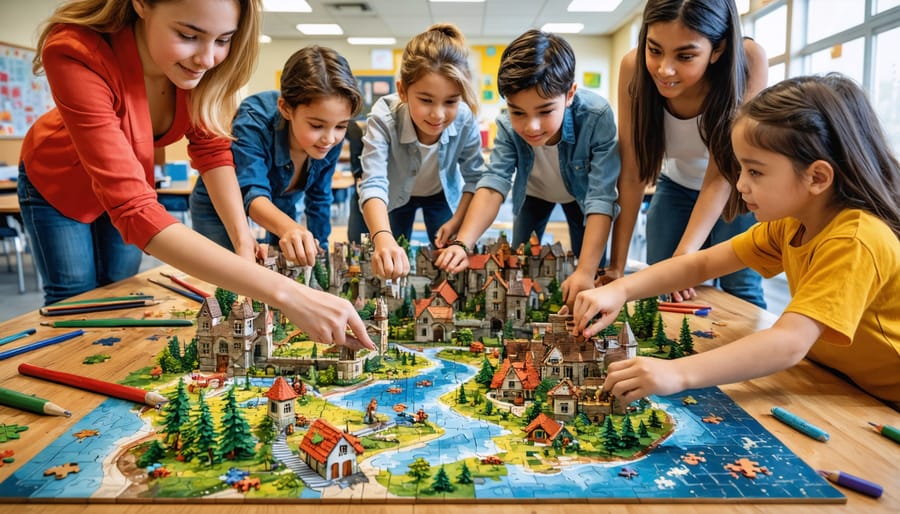
Another effective scenario is the “Community Solution Challenge,” where students tackle local issues affecting their school or neighborhood. As they research and develop solutions, they encounter various stakeholders with competing interests, forcing them to adjust their approaches and consider multiple perspectives.
The “Adaptive Story Completion” activity presents students with an unfinished story containing a problem. As they work toward a resolution, introduce new plot elements that require them to revise their thinking and develop alternative solutions.
For younger students, the “Weather Day Planning” scenario works well. Students plan a class outdoor activity, then must quickly adapt when presented with different weather conditions. This teaches flexible thinking in a relatable context.
Remember to:
– Start with simpler scenarios and gradually increase complexity
– Provide supportive guidance while allowing students to work through challenges
– Encourage reflection on the adaptation process
– Celebrate both successful solutions and productive failures
– Document student growth through observation and feedback
These scenarios help students build confidence in their ability to handle unexpected situations while developing crucial problem-solving skills.
Measuring and Reinforcing Progress
Observable Indicators of Growth
When fostering adaptability and resilience in students, educators should look for specific indicators that signal growth. Students demonstrating increased resilience often show greater willingness to attempt challenging tasks, even after initial setbacks. They begin to use phrases like “I can try a different way” or “I haven’t figured it out yet,” replacing fixed mindset language.
Observable behavioral changes include improved emotional regulation during stressful situations, more effective problem-solving approaches, and increased peer support. Watch for students who bounce back more quickly from disappointments or who actively seek alternative solutions when faced with obstacles.
In collaborative settings, resilient students show enhanced communication skills and demonstrate flexibility when group dynamics change. They become more comfortable with uncertainty and show increased participation in class discussions about challenges and solutions.
Academic indicators include consistent effort despite difficulty, improved response to constructive feedback, and the ability to adjust learning strategies when current approaches aren’t working. Students may also display greater independence in their learning journey and increased self-advocacy skills.
Keep track of these changes through regular observation notes, student self-reflections, and periodic check-ins. Remember that growth patterns vary among students, and progress may not always be linear. Celebrate small wins and acknowledge efforts to build confidence and reinforce positive behavioral changes.

Celebration and Recognition Systems
Recognition of resilient behaviors plays a vital role in reinforcing and encouraging adaptability in students. Creating a structured celebration system helps students internalize the value of perseverance and maintains their motivation through challenges.
Start by implementing a “Growth Mindset Wall” where students can post their stories of overcoming obstacles. These visual displays serve as powerful reminders of collective resilience and inspire others to persist through difficulties. Consider creating “Resilience Stars of the Week” recognition, highlighting students who demonstrate exceptional adaptability in academic or social situations.
Develop a points-based system that acknowledges both small and significant demonstrations of resilience. Students might earn points for trying new strategies, bouncing back from setbacks, or helping peers through challenges. These points can accumulate toward meaningful rewards that emphasize personal growth rather than competition.
Regular class meetings provide opportunities to celebrate resilient moments collectively. During these gatherings, students can share their experiences and receive peer acknowledgment, fostering a supportive classroom culture. Consider implementing “Challenge Conquered Certificates” that specifically recognize students’ efforts in overcoming particular obstacles.
Digital badges or virtual recognition systems can track and celebrate progress in developing resilient behaviors. These can be shared with parents through classroom apps, creating a bridge between school and home celebration of student growth. Remember to recognize diverse forms of resilience, ensuring that quiet persistence receives as much acknowledgment as more visible achievements.
Supporting Struggling Students
Supporting struggling students requires a thoughtful, multi-tiered approach that combines early identification with targeted interventions. Begin by creating a supportive classroom environment where students feel safe expressing their challenges. Implement regular check-ins using simple assessment tools like emotion meters or confidence scales to identify students who may need additional support.
For students struggling with adaptability, break down changes into smaller, manageable steps. Create visual schedules and provide advance notice of transitions or upcoming changes. Consider implementing buddy systems where more adaptable students can model positive responses to change for their peers.
Develop individualized support plans that incorporate strengths-based approaches. If a student excels in art but struggles with written expression, allow them to first sketch their ideas before writing. This builds confidence while gradually developing resilience in challenging areas. Integrate mindfulness techniques into daily routines to help students manage stress and anxiety during challenging situations.
Create success portfolios where students document their progress and achievements, however small. This visual representation of growth helps build confidence and provides evidence of their developing resilience. When setbacks occur, guide students through reflection exercises that focus on learning opportunities rather than failures.
Collaborate with families to ensure consistency in support strategies between home and school. Regular communication about progress and challenges helps create a unified approach to building resilience. Consider establishing small group sessions where struggling students can practice adaptive skills in a safe, supportive environment.
Remember that progress may be gradual, and celebrate small wins along the way. Document successful interventions and adjust strategies based on individual student responses. By maintaining high expectations while providing appropriate support, we help students develop the confidence and skills needed for long-term success.
Building adaptability and resilience in our students is not just an educational goal—it’s an investment in their future success and well-being. As we’ve explored throughout this article, creating resilient learners requires a thoughtful combination of strategic planning, consistent implementation, and ongoing support.
Remember that small changes can lead to significant results. Start by implementing one or two strategies in your classroom, such as daily reflection exercises or growth mindset activities. As you become more comfortable, gradually incorporate additional techniques that resonate with your teaching style and students’ needs.
Your role as an educator is crucial in this journey. By modeling adaptability and resilience yourself, you create a powerful learning environment where students feel safe to take risks, learn from failures, and develop crucial life skills.
Moving forward, consider joining our community forum to share experiences and learn from fellow educators. Take advantage of the interactive tools provided, and remember to regularly assess and adjust your approach based on student feedback and outcomes.
Together, we can foster a generation of students who not only survive challenges but thrive through them. Start implementing these strategies tomorrow, document your progress, and celebrate both small wins and significant achievements. Remember, building resilience is a journey, not a destination—and every step forward matters.