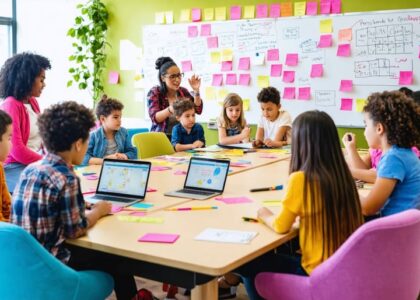
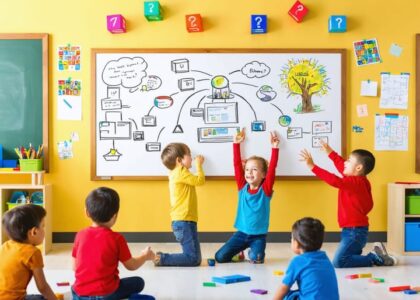
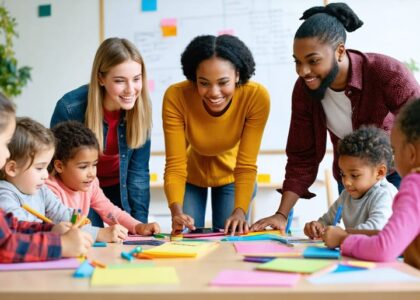
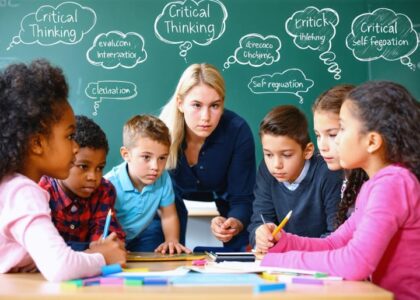
Transform traditional classrooms into dynamic learning environments through collaborative learning models that engage every student. Recent research shows that students working in structured groups achieve 50% higher learning outcomes compared to individual work. Today’s educators are reimagining classroom interactions by combining proven peer-learning strategies with innovative digital tools.
The shift from passive learning to active collaboration isn’t just a trend—it’s a fundamental response to how modern students learn best. When students teach and learn from each other, they develop critical thinking skills, emotional intelligence, and deeper subject matter understanding. Whether implementing think-pair-share activities, launching project-based learning initiatives, or facilitating online discussion boards, collaborative techniques create an inclusive environment where diverse perspectives thrive.
These powerful approaches work across grade levels and subjects, from elementary mathematics to high school literature. By mastering collaborative learning strategies, educators can foster the essential 21st-century skills students need while maintaining academic rigor and meeting curriculum standards.
Building the Foundation for Successful Collaboration
Creating Safe Learning Spaces
Creating a safe learning environment is fundamental to successful collaborative learning. Students need to feel comfortable taking risks, sharing ideas, and making mistakes without fear of judgment. Start by establishing clear ground rules with your class, emphasizing respect, active listening, and constructive feedback.
Build trust gradually through low-stakes activities before moving to more challenging collaborative tasks. Simple icebreakers and team-building exercises can help students become comfortable working together. Encourage students to use “I” statements when providing feedback and teach them how to respectfully disagree with their peers’ ideas.
Model inclusive behavior by acknowledging and validating diverse perspectives. When students share ideas, respond with genuine interest and encourage others to build upon their classmates’ contributions. Create opportunities for all voices to be heard by using structured discussion techniques, such as think-pair-share or round-robin sharing.
Address conflicts promptly and privately, helping students develop conflict resolution skills. Regularly check in with groups to ensure everyone feels included and valued. Remember that creating psychological safety is an ongoing process that requires consistent attention and reinforcement throughout the school year.
Setting Clear Expectations
Setting clear expectations is fundamental to successful collaborative learning. Begin by establishing group norms through a collaborative process where students contribute to creating their own guidelines. This ownership helps ensure better engagement and compliance. Create a simple contract or agreement that outlines basic rules like respectful communication, equal participation, and timely completion of tasks.
Learning objectives should be SMART (Specific, Measurable, Achievable, Relevant, and Time-bound) and clearly communicated to all students. Display these objectives prominently in the classroom or digital learning space, and regularly refer to them during activities. Consider creating visual aids or rubrics that help students understand what success looks like.
Be explicit about individual and group responsibilities. Define roles within groups, such as facilitator, timekeeper, or note-taker, and rotate these roles regularly to give everyone leadership experience. Establish clear deadlines and checkpoints for group work, and provide examples of high-quality collaborative work from previous classes when possible.
Remember to address both academic goals and social-emotional learning objectives, as collaborative work develops both content knowledge and interpersonal skills.
High-Impact Collaborative Techniques for Every Grade Level
Think-Pair-Share Variations
Think-Pair-Share remains a versatile collaborative learning strategy, and educators have developed creative variations to enhance its effectiveness across different subjects. In mathematics, students can “Think-Solve-Share,” where they individually work on a problem, compare solution methods with a partner, and then present their preferred approach to the class.
For language arts, “Think-Draw-Share” encourages students to visualize concepts before discussing them. Students might sketch their interpretation of a poem or story scene, compare their drawings with a partner, and explain their artistic choices to the larger group.
Science classes benefit from “Think-Hypothesize-Test-Share,” where students first predict experimental outcomes individually, discuss their hypotheses in pairs, conduct the experiment together, and share their findings with the class.
In social studies, “Think-Timeline-Share” helps students organize historical events. They create individual timelines, compare them with a partner to identify different perspectives, and collaborate to create a comprehensive chronology.
Digital variations include using online whiteboards for “Think-Type-Share” or recording short video responses for “Think-Record-Share.” These tech-enhanced versions maintain the strategy’s core benefits while developing digital literacy skills.
For younger learners, “Think-Move-Share” incorporates physical movement, allowing students to express their thoughts through gestures or actions before verbal sharing, making the activity more engaging and accessible for kinesthetic learners.


Jigsaw Learning Activities
Jigsaw learning transforms traditional group work into a structured, engaging experience where each student becomes both a learner and teacher. To implement this technique effectively, start by dividing your class into home groups of 4-6 students. Then, assign each student within these groups a specific subtopic or portion of the material to master.
Students with the same assigned subtopic then form temporary expert groups to dive deep into their material. In these expert groups, students collaborate to understand their topic thoroughly, prepare teaching materials, and practice explaining key concepts. This phase typically takes 15-20 minutes, during which students share insights, ask questions, and ensure everyone grasps the material confidently.
After the expert group session, students return to their home groups as subject specialists. Each expert takes turns teaching their portion of the material to their home group members, ensuring comprehensive coverage of all topics. To enhance engagement, encourage students to use visual aids, create mini-quizzes, or develop hands-on activities for their teaching segments.
For successful implementation, provide clear guidelines and time management structures. Create topic cards or study guides to help expert groups focus their learning. Consider using digital tools for collaboration and documentation. Remember to circulate among groups, offering support and ensuring all students actively participate in both learning and teaching roles.
This technique builds content knowledge while developing crucial communication and leadership skills, making it a powerful tool for fostering student engagement and deep understanding.
Project-Based Group Work
Project-based group work provides students with meaningful opportunities to collaborate while developing essential skills. To ensure equal participation and maximize learning outcomes, teachers should implement structured approaches that guide students through the collaborative process.
Start by clearly defining roles within each group. Common roles include project manager, researcher, writer, and presenter. Rotate these roles periodically to give students experience with different responsibilities. Create detailed role descriptions and expectations to help students understand their contributions.
Implement checkpoint systems throughout the project timeline. Regular progress meetings allow teachers to monitor participation and provide targeted support. Use collaborative planning tools or simple tracking sheets where students document their contributions and next steps.
Break larger projects into manageable tasks with clear deadlines. This helps prevent last-minute rushes and ensures steady progress. Consider using project management templates that students can follow, showing task dependencies and individual responsibilities.
To promote equal participation, incorporate individual accountability measures. These might include personal reflection journals, peer evaluations, or individual components that contribute to the final project. Teachers can also use observation checklists during group work time to track engagement.
Foster positive interdependence by designing projects where success depends on all members’ contributions. For example, create tasks that require combining different skills or knowledge areas that no single student possesses alone. This naturally encourages collaboration and prevents stronger students from dominating the work.
Technology Integration for Enhanced Collaboration
Digital Collaboration Tools
In today’s digital classroom, effective technology integration strategies are essential for facilitating collaborative learning. Popular platforms like Google Workspace for Education and Microsoft Teams provide comprehensive solutions for group projects, real-time document sharing, and seamless communication. These tools enable students to work together regardless of physical location or time constraints.
Video conferencing tools such as Zoom and Google Meet support face-to-face interactions, while digital whiteboards like Jamboard and Miro foster creative brainstorming sessions. Project management tools like Trello and Padlet help students organize their work and track progress effectively.
For engaging discussions and peer feedback, tools like Flipgrid and VoiceThread allow students to share video responses and comments. Additionally, collaborative assessment platforms such as Kahoot! and Quizizz make group learning both interactive and enjoyable.
When selecting digital tools, consider your students’ age, technology access, and learning objectives. Start with one or two tools and gradually expand as your class becomes more comfortable with digital collaboration. Remember to establish clear guidelines for online interaction and digital citizenship to ensure a positive learning environment.

Virtual Collaboration Strategies
Virtual collaboration requires thoughtful planning to maintain student engagement and ensure meaningful learning outcomes. Start by establishing clear communication channels and guidelines for online interaction. Tools like shared digital whiteboards, collaborative documents, and video conferencing platforms can create an interactive virtual environment that mirrors in-person collaboration.
Break larger groups into smaller breakout rooms of 3-4 students to encourage active participation from all members. Assign specific roles within these groups, such as facilitator, timekeeper, and note-taker, rotating these responsibilities regularly to maintain engagement.
Incorporate interactive elements like real-time polls, digital sticky notes, and shared mind-mapping tools to keep students actively involved. Set clear expectations for participation and provide regular checkpoints throughout virtual sessions to ensure all students are following along and contributing.
Consider implementing asynchronous collaboration opportunities through discussion boards or shared projects, allowing students to contribute at their own pace while maintaining group momentum. Regular feedback loops and progress celebrations help maintain motivation and create a sense of community in the virtual space.
Remember to build in short breaks during extended online sessions and vary activities to combat screen fatigue and maintain focus.
Assessment Strategies for Collaborative Work
Group Assessment Tools
Effective assessment of group work requires thoughtful planning and clear evaluation criteria. A well-designed rubric serves as both a guide for students and an objective evaluation tool for teachers. When creating assessment tools, focus on both individual contributions and group outcomes to ensure fair evaluation.
Rubrics should include specific criteria such as participation levels, role fulfillment, communication skills, and final product quality. Consider using a mix of evaluation methods:
1. Peer evaluations where students assess their teammates’ contributions
2. Self-assessment forms that encourage reflection on personal performance
3. Group progress logs that track collaborative milestones
4. Individual contribution portfolios
5. Final project rubrics that measure collective achievement
Digital tools can streamline the assessment process. Online rubric makers allow for easy customization and sharing, while collaborative platforms often include built-in assessment features. Many teachers find success with rating scales (1-5) combined with descriptive feedback sections.
Remember to share assessment criteria with students before group work begins. This transparency helps set clear expectations and motivates productive collaboration. Consider implementing checkpoint assessments throughout longer projects to identify and address any collaboration issues early.
For younger students, simplified rubrics with visual elements work well, while older students can handle more detailed evaluation criteria. Regular feedback sessions between checkpoints help maintain group accountability and provide opportunities for improvement.
Individual Accountability Measures
Individual accountability is essential for ensuring that all students actively participate in collaborative learning activities. Teachers can implement several effective strategies to track and encourage individual contributions within group work.
One practical approach is the use of role assignments, where each student takes on a specific responsibility within their group. These roles can rotate regularly, allowing students to experience different aspects of teamwork while making their contributions visible and measurable.
Digital tools and learning management systems can help track individual participation through features like contribution logs, discussion posts, and peer evaluations. Students can maintain digital portfolios that showcase their specific contributions to group projects, making it easier for teachers to assess individual effort and growth.
Regular check-ins and mini-conferences with individual students provide opportunities to discuss their progress and involvement in group work. Teachers can use simple rubrics or checklists to document these conversations and track participation over time.
Self-reflection exercises, where students evaluate their own contributions and learning journey, offer valuable insights into individual accountability. These can take the form of journal entries, questionnaires, or structured reflection prompts that encourage students to think critically about their role in collaborative activities.
Group contracts, developed at the start of projects, can establish clear expectations for individual participation and consequences for non-contribution. This approach helps students understand their responsibilities while providing teachers with concrete criteria for assessment.
As we’ve explored throughout this article, collaborative learning techniques have the power to transform your classroom into a dynamic, engaging learning environment. The evidence is clear: when students work together effectively, they develop stronger critical thinking skills, deeper subject understanding, and essential social-emotional competencies that serve them well beyond the classroom walls.
Remember that implementing collaborative learning is a journey, not a destination. Start small by choosing one or two techniques that resonate with your teaching style and your students’ needs. As you and your learners become more comfortable with collaborative approaches, gradually expand your repertoire of strategies.
The key to success lies in careful planning, clear communication of expectations, and consistent monitoring of group dynamics. Don’t be discouraged if your first attempts aren’t perfect – each classroom experience provides valuable insights for improvement. Pay attention to what works best for your specific student population and be willing to adapt techniques accordingly.
Make use of available technology tools to enhance collaboration, but remember that meaningful interaction between students should always be the primary focus. Regular assessment and reflection will help you fine-tune your approach and ensure that collaborative learning remains purposeful and effective.
Most importantly, share your experiences with fellow educators. Your successes and challenges can provide valuable insights for others on their collaborative learning journey. Together, we can create more engaging, inclusive, and effective learning environments for all students.