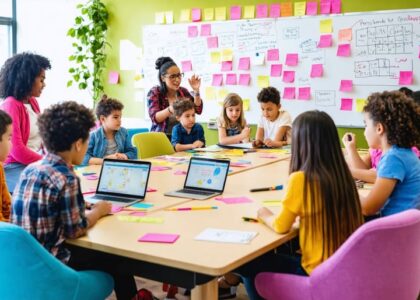
Transform your classroom into a dynamic learning environment through collaborative teaching methods that empower both educators and students. When two teachers share instructional responsibilities, student engagement soars and learning outcomes improve dramatically. Research shows that collaborative co-teaching can increase academic achievement by up to 30% while reducing behavioral issues by half.
Partner with your co-teacher to design curriculum that leverages both educators’ strengths, creating a classroom where students benefit from diverse teaching styles and expertise. Implement station rotation models where each teacher leads specialized learning activities, or adopt parallel teaching approaches that allow for smaller group instruction and personalized attention. Establish clear communication channels and planning protocols to ensure seamless coordination between teaching partners.
This powerful instructional approach not only enhances student learning but also provides professional growth opportunities for educators. By combining different pedagogical perspectives and sharing responsibilities, teachers can create an inclusive, supportive environment that meets the diverse needs of all learners while maintaining high academic standards.
Building the Foundation for Student-Teacher Collaboration

Creating a Safe and Inclusive Environment
Creating a safe and inclusive environment begins with establishing clear communication channels and shared expectations between co-teachers and their students. Teachers should model respectful collaboration and implement collaborative learning strategies that encourage all students to participate actively in the learning process.
Start by creating classroom agreements together, ensuring every voice is heard and valued. These agreements should address how students can respectfully disagree, share ideas, and support one another. Regular check-ins with students, both individually and as a group, help maintain open lines of communication and allow teachers to address concerns promptly.
Consider implementing anonymous feedback systems where students can share their thoughts about the learning environment without fear of judgment. This feedback can help co-teachers adjust their approach and ensure all students feel supported. Additionally, celebrate diverse perspectives and learning styles by incorporating varied teaching methods and materials that reflect different cultural backgrounds and experiences.
Remember that building trust takes time and consistency. When students see their teachers working together seamlessly and responding to their needs with empathy, they’re more likely to engage fully in the collaborative learning environment.
Setting Clear Expectations and Roles
Success in collaborative co-teaching begins with establishing clear expectations and well-defined roles for all participating educators. Start by scheduling dedicated planning time to outline each teacher’s responsibilities, teaching styles, and preferred classroom management approaches. Create a written agreement that details how you’ll share instructional duties, grading responsibilities, and classroom space.
Consider developing a shared document that outlines who will lead different parts of lessons, how you’ll handle student behavior management, and how you’ll communicate with parents. Be specific about practical matters like who will take attendance, grade assignments, or manage technology resources.
Remember that flexibility is key – while clear boundaries are important, leave room for natural evolution of roles as you discover each other’s strengths. Regular check-ins help ensure both teachers feel equally valued and involved. Address potential challenges proactively by discussing how you’ll handle disagreements or conflicting teaching philosophies.
Establish protocols for giving each other feedback and making joint decisions about curriculum modifications. This foundation of clear expectations creates a stable environment where both teachers can focus on what matters most: supporting student learning.
Practical Strategies for Co-Design Implementation
Student Voice in Lesson Planning
Incorporating student voice into lesson planning transforms the traditional teaching model into a more inclusive and engaging experience. When students actively participate in designing their learning journey, they develop a stronger sense of ownership and investment in their education.
Start by implementing regular feedback sessions where students can share their learning preferences and interests. This can be done through simple surveys, class discussions, or anonymous suggestion boxes. Create opportunities for students to vote on project topics or choose between different learning activities that achieve the same educational objectives.
Consider establishing a student advisory committee that meets regularly with co-teachers to discuss upcoming units and provide input on lesson delivery methods. This approach not only generates valuable insights but also helps students develop leadership and communication skills.
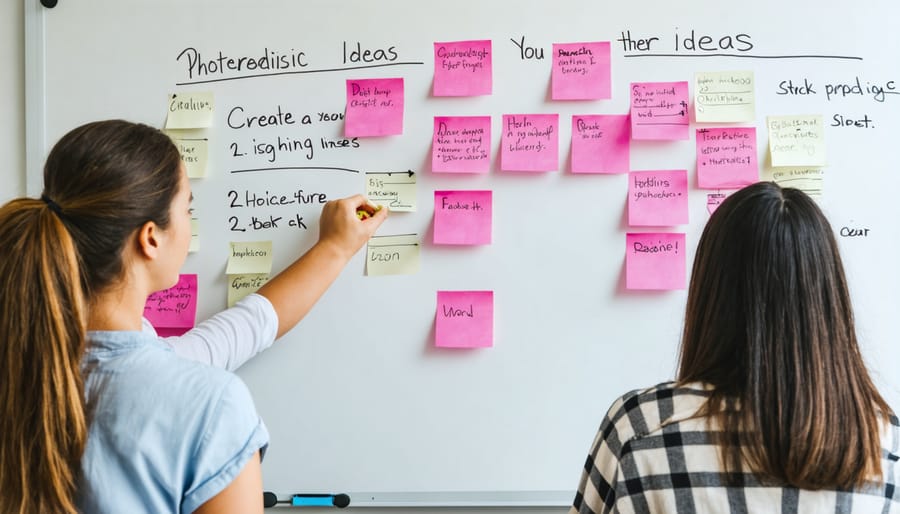
Digital tools can facilitate student involvement in lesson planning. Use online platforms where students can contribute ideas, vote on activities, or suggest modifications to existing plans. Create collaborative boards where students post questions they want to explore within curriculum topics.
Remember to validate student input by visibly incorporating their suggestions into lessons and acknowledging their contributions. When students see their ideas implemented, it reinforces the value of their participation and encourages continued engagement.
Be flexible with your planning to accommodate student-initiated learning directions while maintaining alignment with required standards. This balance ensures meaningful student involvement while meeting educational objectives.
Assessment Co-Creation
Empowering students to participate in assessment design creates a more engaging and meaningful evaluation process. When students help develop assessment criteria and methods, they gain a deeper understanding of learning objectives and take greater ownership of their educational journey. Research shows that implementing assessment techniques students enjoy leads to improved learning outcomes and increased student motivation.
To effectively co-create assessments with students, start by facilitating class discussions about what meaningful evaluation looks like. Ask students to reflect on past assessment experiences and identify what helped them demonstrate their learning best. Create opportunities for students to suggest assessment formats that align with their learning styles while meeting academic standards.
Consider implementing these collaborative assessment strategies:
– Have students develop rubric criteria in small groups
– Allow students to choose from multiple assessment options
– Engage students in peer and self-assessment design
– Create assessment checkpoints where students can provide feedback
– Incorporate student suggestions for project presentation formats
Remember to provide clear guidelines and support throughout the co-creation process. Balance student input with curriculum requirements and ensure all voices are heard. Regular reflection sessions help fine-tune the assessment approach and maintain student engagement. This collaborative approach not only improves assessment effectiveness but also helps develop students’ critical thinking and metacognitive skills.
Project-Based Learning Collaboration
Project-based learning (PBL) offers an excellent opportunity for co-teachers to combine their expertise and create engaging, meaningful learning experiences. When designing PBL units together, start by identifying shared learning objectives and discussing how each teacher’s strengths can enhance the project’s outcomes.
Begin by brainstorming authentic real-world problems or challenges that align with your curriculum standards. Consider your students’ interests and abilities while planning, and ensure the project provides multiple entry points for diverse learners. Both teachers should contribute to developing project milestones, assessment criteria, and support materials.
Divide responsibilities based on your individual expertise. For example, one teacher might focus on content delivery while the other specializes in differentiation strategies. Create structured planning time to regularly review and adjust project components, ensuring both teachers remain aligned throughout implementation.
Include opportunities for student voice and choice within the project framework. This might involve allowing students to select their research topics, choose presentation formats, or determine project timelines. Both teachers should actively facilitate student groups, providing targeted support where needed.
Consider incorporating cross-disciplinary elements that leverage both teachers’ subject matter expertise. This approach helps students see real-world connections and develops deeper understanding. Remember to document successful strategies and areas for improvement throughout the project to inform future collaborative planning efforts.
Regular reflection sessions between co-teachers help maintain project momentum and ensure all students receive appropriate support and challenge levels. Use these meetings to celebrate successes and address any concerns promptly.
Overcoming Common Challenges
Time Management Solutions
Effective time management is crucial for successful co-teaching partnerships. Start by establishing a regular weekly planning schedule, ideally during shared prep periods or before school hours. Many successful co-teaching teams find that 45-60 minutes of focused collaborative planning per week is sufficient when well-structured.
Use digital tools like shared calendars and collaborative documents to maximize efficiency. These allow both teachers to contribute ideas and updates asynchronously between face-to-face meetings. Consider creating a shared digital lesson plan template that both teachers can access and edit in real-time.
Prioritize planning tasks by using the “big rocks” approach: schedule the most important collaborative activities first, such as unit planning and assessment design, then fill in with smaller details. Divide responsibilities based on each teacher’s strengths and availability, but maintain open communication about workload balance.
To save time during planning sessions, develop a standard agenda template that includes essential items like upcoming content, differentiation strategies, and assessment methods. Keep a running document of successful lesson plans and activities that can be modified and reused in future units.
Remember that investing time in thorough planning initially will save time during implementation. Consider using lunch periods or professional development days for extended planning sessions when needed, and don’t hesitate to advocate for dedicated co-planning time with administration.
Maintaining Academic Standards
Maintaining high academic standards while incorporating student input requires a delicate balance of structure and flexibility. Teachers can establish clear learning objectives at the start of each unit while creating space for student voice in how these objectives are met. This approach ensures educational rigor while fostering student engagement and ownership of their learning journey.
One effective strategy is to use backward design principles, starting with the required learning outcomes and then working with students to determine engaging paths to achieve these goals. For example, if the objective is to demonstrate understanding of a historical event, students might choose between creating a documentary, writing a newspaper article, or developing a dramatic presentation.
Regular assessment checkpoints help ensure that collaborative activities align with academic requirements. These can include:
– Quick formative assessments during group work
– Student self-evaluation rubrics
– Peer review sessions
– Progress monitoring through learning portfolios
Teachers should document how student-influenced activities map to curriculum standards, making explicit connections between creative approaches and academic requirements. This documentation helps justify innovative teaching methods to administrators and parents while ensuring educational integrity.
When students understand the “why” behind academic standards, they become more invested in meeting them. Consider creating visual learning targets with students and regularly referring to them during collaborative activities. This transparency helps maintain focus on educational goals while honoring student input in the learning process.

Measuring Success and Impact
Student Engagement Metrics
Monitoring student engagement in collaborative co-teaching environments involves observing multiple key indicators that signal successful participation and active learning. Teachers should look for increased student-initiated questions, peer-to-peer interactions, and voluntary contributions during class discussions. Active participation can be measured through behavioral markers such as maintaining eye contact, taking notes, and engaging in group activities with enthusiasm.
Digital tools and learning management systems can provide quantitative data on student engagement, including time spent on tasks, completion rates, and interaction patterns during online collaborative activities. Teachers should also monitor emotional indicators such as positive body language, displays of confidence, and willingness to take academic risks.
Successful engagement often manifests through improved attendance rates, decreased behavioral issues, and higher assignment completion rates. Regular student surveys and feedback sessions can provide valuable insights into engagement levels and areas for improvement. Teachers should particularly note instances of cross-pollination of ideas between students, spontaneous peer tutoring, and the development of student-led initiatives within the classroom.
Remember that engagement patterns may vary among different student groups, and co-teachers should work together to ensure inclusive participation strategies that accommodate diverse learning styles and needs.
Learning Outcomes Assessment
Effective assessment of collaborative co-teaching requires a multi-faceted approach to measuring student achievement and growth. Research shows that well-implemented co-teaching models typically result in improved academic performance across diverse student populations.
Key indicators of success include both quantitative and qualitative measures. Student performance data, such as test scores, project completion rates, and participation levels, provide concrete evidence of progress. Equally important are observational assessments that track student engagement, confidence levels, and social-emotional development.
Successful co-teaching teams regularly collect and analyze data through:
– Pre and post-unit assessments
– Student self-reflection surveys
– Peer evaluation tools
– Regular progress monitoring
– Behavioral observation logs
Teachers should establish baseline measurements at the start of implementation and track progress throughout the academic year. This data not only validates the effectiveness of co-teaching strategies but also helps identify areas for refinement and improvement. Regular assessment reviews enable teaching teams to adjust their approaches and ensure all students receive appropriate support and challenges in their learning journey.
Collaborative co-teaching represents a powerful approach to creating inclusive, engaging, and effective learning environments. As we’ve explored throughout this article, successful implementation requires dedication, clear communication, and a willingness to embrace shared responsibility for student success. By adopting the strategies and best practices discussed, educators can transform their classrooms into dynamic spaces where both teachers and students thrive.
Remember that the journey to effective co-teaching is ongoing and unique to each partnership. Start small, focusing on establishing strong communication channels and clear roles. As your comfort level grows, gradually expand your collaborative efforts and experiment with different co-teaching models that best serve your students’ needs.
The benefits of collaborative co-teaching extend far beyond academic achievements. When implemented thoughtfully, this approach creates a more inclusive classroom culture, provides differentiated support for diverse learners, and models effective collaboration for students. These skills are invaluable in preparing students for future success.
Take the first step today by initiating conversations with potential co-teaching partners and administration. Share your vision for collaboration and begin building the foundation for a successful partnership. Remember that challenges are natural part of the process – view them as opportunities for growth and refinement of your practice.
Together, we can create learning environments that truly support and empower all students to reach their full potential.