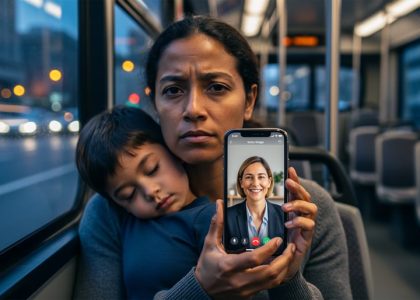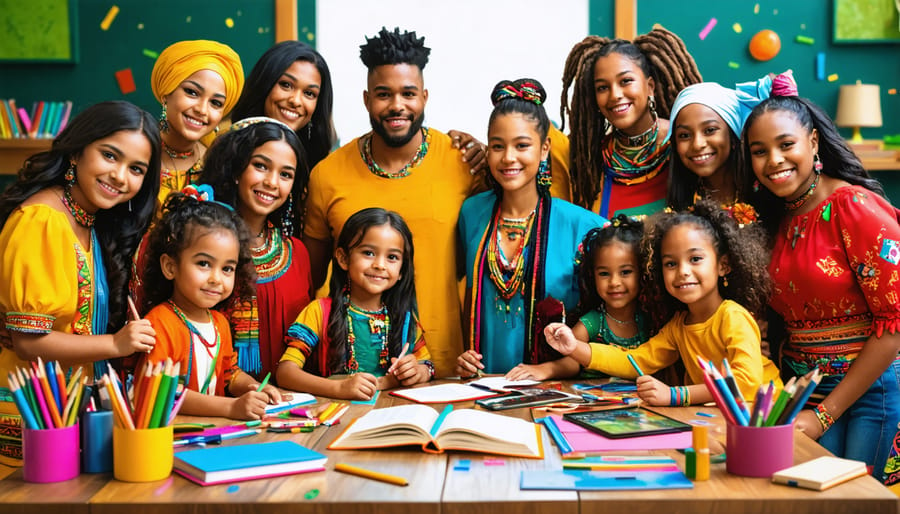
Cultural competence transforms educational spaces from simple classrooms into vibrant hubs of inclusive learning and meaningful connections. As educators navigate the increasingly diverse landscape of modern education, understanding and implementing the six stages of cultural competence becomes crucial for creating authentic partnerships with families and students. From denial to cultural proficiency, each stage represents a significant milestone in developing the skills needed for effective parent-teacher communication tools and cross-cultural relationships.
This developmental journey challenges educators to examine their beliefs, adapt their practices, and create environments where every student’s cultural identity is recognized and celebrated. By understanding where we are on this continuum, we can intentionally move forward, breaking down barriers and building bridges that support student success. Whether you’re just beginning this journey or advancing your cultural competence, these six stages provide a clear roadmap for growth and transformation in educational practice.
Let’s explore how each stage manifests in daily teaching practices and discover practical strategies to progress through this essential professional development continuum.

Cultural Destructiveness: Recognizing Harmful Practices
Signs of Cultural Destructiveness in Schools
Cultural destructiveness in schools manifests through various concerning behaviors that significantly damage parent-school relationships. When schools exhibit signs like excluding families from different cultural backgrounds, dismissing home languages, or showing bias in communication patterns, they create barriers to meaningful engagement.
Key indicators include refusing to provide translated materials, scheduling meetings without considering cultural holidays or work schedules, and making assumptions about parents’ involvement based on their cultural background. These practices often result in decreased parent participation, student disengagement, and a breakdown in trust between families and school staff.
The impact extends beyond immediate relationships, affecting student achievement and school climate. When schools operate from this stance, they may unknowingly perpetuate systemic inequities, leading to increased achievement gaps and reduced family participation in school activities. Recognizing these signs is the first crucial step toward moving away from destructive practices and building more inclusive school communities.
Moving Beyond Destructive Practices
To move beyond destructive practices in cultural competence, educators must first acknowledge existing biases and harmful approaches within their educational settings. Start by conducting regular self-assessments and encouraging open dialogue about cultural practices that may unintentionally marginalize students or families.
Create a systematic approach to identifying and eliminating destructive practices:
– Review current policies and procedures through an equity lens
– Document instances of cultural insensitivity and develop corrective action plans
– Establish clear protocols for addressing microaggressions and cultural misconceptions
– Implement regular professional development focused on cultural awareness
Engage your school community in this transformation by:
– Forming diverse advisory committees
– Seeking feedback from families of different cultural backgrounds
– Creating safe spaces for honest discussions about cultural challenges
– Developing accountability measures for tracking progress
Remember that moving beyond destructive practices is an ongoing process that requires commitment, patience, and continuous learning. Celebrate small victories while maintaining focus on long-term cultural competence goals.
Cultural Incapacity: Understanding Unintentional Barriers
Identifying Institutional Barriers
Schools often create unintentional barriers that can hinder their progress toward cultural competence. Common institutional obstacles include rigid scheduling that doesn’t accommodate diverse family work schedules, communication materials available only in English, and standardized policies that don’t consider cultural differences in family dynamics or religious observances.
Other barriers manifest in seemingly neutral practices, such as holding parent meetings during traditional dinner hours, requiring internet access for important school communications, or maintaining dress codes that inadvertently discriminate against certain cultural expressions. Even well-intentioned initiatives like potluck dinners can become exclusionary when they don’t account for dietary restrictions or cultural food practices.
To overcome these barriers, schools must first acknowledge their existence through regular audits of policies and procedures. This involves actively seeking feedback from diverse family groups, examining data for disparities in family engagement, and creating flexible systems that accommodate various cultural needs and preferences. Success requires ongoing commitment to identifying and dismantling these institutional barriers while building more inclusive practices.
Building Institutional Awareness
Building institutional awareness requires a systematic approach to identifying and addressing organizational barriers that may impede cultural competence. Start by conducting regular cultural audits of your school’s policies, procedures, and practices. Look for gaps in representation, inequitable resource distribution, and potential biases in disciplinary actions or academic tracking.
Create diverse working groups that include teachers, staff, students, and families from various cultural backgrounds to review and provide feedback on institutional practices. Document findings and develop action plans with measurable goals and timelines for implementing changes.
Consider establishing a cultural competence committee that meets regularly to monitor progress and make recommendations. This committee can help identify professional development needs, suggest curriculum modifications, and ensure accountability in maintaining culturally responsive practices.
Remember that building institutional awareness is an ongoing process that requires commitment from all stakeholders. Regular assessment and adjustment of strategies ensure continuous improvement in creating an inclusive educational environment that serves all students effectively.
Cultural Blindness: Moving Past ‘One-Size-Fits-All’
The Pitfalls of Cultural Blindness
Cultural blindness in parent engagement occurs when educators adopt a “one-size-fits-all” approach, assuming that all families share similar values, communication styles, and expectations about education. This mindset can create significant barriers between schools and families from diverse cultural backgrounds.
When schools operate from a culturally blind perspective, they often inadvertently exclude families by scheduling events during cultural holidays, sending communications only in English, or making assumptions about parents’ availability and resources. These practices can lead to decreased parent participation and missed opportunities for meaningful collaboration.
For example, a school might schedule parent-teacher conferences during Ramadan without considering that Muslim families may be fasting and prefer different meeting times. Similarly, assuming all parents have internet access for digital communications or can attend meetings during traditional work hours overlooks the diverse realities of many families.
To move beyond cultural blindness, educators must first acknowledge these blind spots and actively seek to understand the unique cultural contexts of their school community. This awareness is the first step toward building more inclusive and effective parent engagement strategies.
Developing Cultural Awareness
Developing cultural awareness begins with conscious effort and a willingness to learn about diverse perspectives and experiences. Educators can start by examining their own cultural background and biases, recognizing how these factors influence their interactions with students and families from different cultures.
Key steps in this process include actively seeking opportunities to learn about various cultural traditions, values, and communication styles. This might involve attending cultural events, engaging in professional development workshops, or participating in community activities that expose you to different cultural practices.
Creating a culturally aware classroom environment involves incorporating diverse perspectives into your curriculum, displaying multicultural materials, and establishing open dialogue about cultural differences. Remember to approach these conversations with respect and curiosity, acknowledging that every culture has unique strengths and valuable contributions to share.
Practice active listening when interacting with students and families from different cultural backgrounds. Pay attention to both verbal and non-verbal communication cues, and be mindful of cultural differences in communication styles. Make an effort to learn about specific cultural protocols and preferences that may impact educational interactions.
The goal is to move beyond mere tolerance toward genuine appreciation and integration of cultural differences in your educational practice.
Cultural Pre-Competence: Taking First Steps

Recognition and Initial Actions
The first two stages of the cultural competence continuum mark the beginning of an educator’s journey toward cultural awareness and understanding. In the Cultural Destructiveness stage, individuals may unconsciously hold beliefs that one culture is superior to others, often manifesting in discriminatory practices or behaviors that can harm student relationships and learning outcomes.
Moving into Cultural Incapacity, educators begin recognizing their biases but might still struggle with stereotyping or unintentionally maintaining systems that favor dominant cultural norms. At this stage, well-meaning teachers might say things like “I don’t see color” or minimize cultural differences in an attempt to treat everyone equally.
The key to progressing through these initial stages is self-reflection and honest acknowledgment of existing biases. Educators can start by:
– Examining their own cultural background and how it influences their teaching
– Documenting instances where cultural misunderstandings occur
– Seeking feedback from colleagues and families about cultural blind spots
– Participating in professional development focused on cultural awareness
Remember that recognizing these early stages isn’t about shame or guilt, but rather about creating a foundation for growth and improvement in serving all students effectively.
Building Momentum
Maintaining momentum in cultural competence development requires consistent effort and intentional practice. Start by establishing regular check-ins with colleagues to discuss cultural competence goals and share experiences. Creating a supportive network helps sustain progress and provides accountability.
Implement effective communication strategies across diverse cultural contexts and regularly assess their impact. Document successful interactions and areas for improvement, using these insights to refine your approach.
Consider joining professional learning communities focused on cultural competence, where you can exchange ideas and learn from others’ experiences. Set achievable monthly goals that build upon previous successes, and celebrate small wins along the way.
To avoid stagnation, regularly expose yourself to new cultural perspectives through professional development, community events, and diverse literature. Challenge comfort zones by seeking feedback from families of different cultural backgrounds and adjusting practices accordingly.
Remember that cultural competence is an ongoing journey rather than a destination. Stay curious, remain open to learning, and consistently reflect on your growth and impact on student success.
Cultural Competence: Achieving Effective Engagement
Key Components of Cultural Competence
Cultural competence in education rests on several foundational elements that work together to create meaningful connections with diverse communities. Self-awareness serves as the cornerstone, requiring educators to examine their own cultural beliefs, biases, and privileges. This reflection helps identify areas for growth and understanding.
Knowledge of different cultural practices, traditions, and values forms another crucial component. This includes understanding various communication styles, family structures, and educational perspectives across different cultural groups. Educators must also develop skills in cross-cultural communication, including both verbal and non-verbal aspects.
Respect and curiosity for diverse perspectives enable authentic engagement with students and families from different backgrounds. This means moving beyond tolerance to genuine appreciation of cultural differences. Active listening and empathy help build trust and create inclusive learning environments.
Institutional support is essential for sustainable cultural competence. This includes policies that promote diversity, professional development opportunities, and resources that reflect multiple cultural perspectives. Regular assessment and adaptation of these practices ensure continued growth and effectiveness in serving diverse student populations.
Remember that cultural competence is an ongoing journey rather than a destination, requiring continuous learning and adjustment as communities evolve.
Practical Implementation Strategies
To effectively implement cultural competence in your daily educational practice, start by conducting regular self-assessments to identify your current position on the continuum. Create a personal development plan that includes specific goals for advancing through each stage. Establish partnerships with cultural liaisons in your school community who can provide guidance and authentic perspectives.
Incorporate diverse cultural elements into your curriculum naturally, rather than as isolated “cultural days.” Utilize digital engagement solutions to connect with families from various cultural backgrounds, ensuring communication is accessible and culturally appropriate.
Document your progress through reflective journaling, noting specific interactions and lessons learned. Form professional learning communities with colleagues to share experiences and strategies. Consider implementing a mentor-mentee system where educators at different stages can support each other’s growth.
Remember that cultural competence is an ongoing journey rather than a destination. Regular evaluation and adjustment of your strategies ensure continuous improvement and meaningful engagement with all members of your school community.

Cultural Proficiency: Excellence in Parent Engagement
Characteristics of Cultural Proficiency
Cultural proficiency represents the highest level of cultural competence, where educators consistently demonstrate excellence in cross-cultural interactions. At this stage, teachers and administrators actively celebrate diversity, advocate for inclusive practices, and serve as role models for cultural understanding within their educational communities.
Key markers of cultural proficiency include maintaining an asset-based perspective of all cultures, actively seeking opportunities for cultural learning, and implementing systemic changes that promote equity. Culturally proficient educators regularly assess their practices, challenge institutional barriers, and create environments where all students and families feel valued and respected.
In practice, this looks like developing curriculum that reflects diverse perspectives, establishing meaningful partnerships with families from all backgrounds, and creating school policies that actively support cultural diversity. These educators go beyond mere acceptance to embrace and leverage cultural differences as strengths in the learning environment.
Success at this stage involves continuous self-reflection, ongoing professional development, and a commitment to mentoring others in their cultural competence journey. Culturally proficient educators understand that excellence in cultural competence is not a destination but a continuing process of growth and adaptation.
Sustaining and Growing Success
Maintaining and expanding cultural proficiency requires ongoing commitment and deliberate action. Educators can sustain their progress by establishing regular cultural competence check-ins, participating in professional learning communities, and seeking feedback from diverse stakeholders. Creating opportunities to transform parent engagement through culturally responsive practices helps build lasting partnerships with families from all backgrounds.
Success grows when schools implement systematic approaches to cultural competence, including regular staff training, diverse recruitment practices, and inclusive curriculum development. Educators should continuously update their cultural knowledge, reflect on their practices, and adapt their approaches based on their community’s evolving needs.
Key strategies for growth include:
– Developing mentorship programs that pair experienced culturally proficient educators with those beginning their journey
– Creating cultural celebration events that authentically honor diverse perspectives
– Establishing partnerships with community organizations
– Regularly reviewing and updating policies to ensure they support cultural proficiency
– Collecting and analyzing data to measure progress and identify areas for improvement
Remember that cultural competence is not a destination but a continuous journey of growth and learning.
Developing cultural competence is an ongoing journey that requires dedication, self-reflection, and continuous learning. As educators, our commitment to moving through these six stages directly impacts our ability to create inclusive learning environments and meaningful connections with students and families from diverse backgrounds. Remember that progress isn’t always linear, and it’s normal to find yourself at different stages depending on the cultural context or situation.
Take time to regularly assess where you are on the continuum and identify specific areas for growth. Seek out professional development opportunities, engage with diverse communities, and collaborate with colleagues who share your commitment to cultural competence. By maintaining an open mind and staying dedicated to this journey, you’ll enhance your teaching practice and contribute to a more equitable educational environment for all students.
The path to cultural proficiency is both challenging and rewarding. Every step forward makes a difference in creating more inclusive and effective learning spaces for our diverse student population.