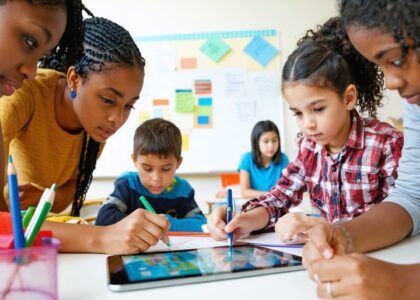
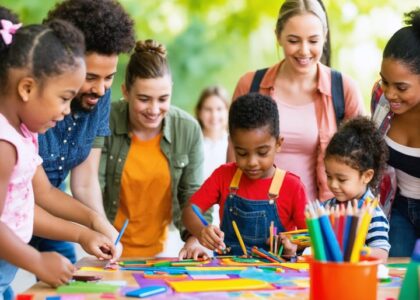
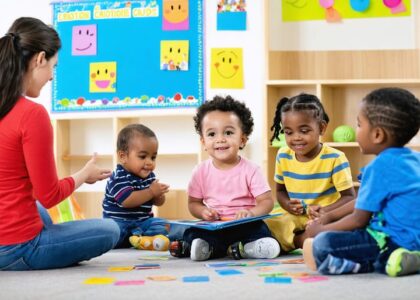
Transform your classroom into a vibrant hub of inclusive learning by designing spaces that celebrate diverse perspectives, learning styles, and cultural backgrounds. Today’s students thrive when their unique voices are heard, their individual needs are met, and their differences are viewed as strengths rather than challenges.
Creating truly diverse learning environments extends far beyond surface-level accommodations. It requires a deliberate approach that weaves inclusivity into every aspect of education – from curriculum design and teaching methods to physical space configuration and digital tool selection. When students see themselves reflected in their learning environment and feel their experiences are valued, they develop stronger engagement, deeper understanding, and greater confidence in their academic abilities.
Successful diverse learning environments foster critical thinking, empathy, and cross-cultural understanding while preparing students for an increasingly interconnected world. By implementing research-backed strategies for inclusive education, educators can create spaces where every student feels empowered to participate fully, take intellectual risks, and achieve their highest potential. This comprehensive approach not only enhances academic outcomes but also builds the social-emotional skills essential for success in our global society.

Building the Foundation for Virtual Inclusivity
Universal Design for Learning in Virtual Spaces
Universal Design for Learning (UDL) principles are essential for creating inclusive virtual learning spaces that work for all students. Start by providing multiple ways to engage with content, such as offering both video lectures and written materials. Include various options for student expression, allowing learners to demonstrate understanding through presentations, written assignments, or multimedia projects.
Digital tools make it easier than ever to implement UDL principles. Use closed captions for videos, provide text-to-speech options for written content, and offer adjustable text sizes and contrast settings. Interactive elements like virtual whiteboards, breakout rooms, and collaborative documents help maintain engagement while accommodating different learning preferences.
Consider creating flexible deadlines and providing scaffolded assignments that break complex tasks into manageable steps. Utilize built-in accessibility features in learning management systems, and regularly gather student feedback to refine your approach. Remember that UDL in virtual spaces isn’t about creating separate accommodations, but rather designing learning experiences that are inherently accessible to everyone from the start.
Technology Access and Equity
Technology access and equity form the foundation of inclusive virtual learning environments. To ensure all students can fully participate, schools must first assess their students’ technology needs through regular surveys and direct communication with families. This includes evaluating internet connectivity, device availability, and digital literacy levels across the student population.
Creating a device lending program is essential for students who lack access to computers or tablets at home. Schools should maintain a pool of devices, including assistive technology tools for students with special needs, and establish clear procedures for distribution and technical support.
Internet access remains a critical concern, particularly for students in rural or economically disadvantaged areas. Schools can address this by providing Wi-Fi hotspots for home use, partnering with local internet service providers for discounted rates, or creating maps of free public Wi-Fi locations in the community.
Training and support must extend beyond students to include families, ensuring they can effectively assist their children with technology use. Regular tech support office hours, multilingual help resources, and step-by-step guides help create an equitable support system for all learners.

Engaging Different Learning Styles Virtually
Visual and Auditory Learners
Visual and auditory learners thrive when provided with multi-sensory engagement opportunities in the virtual classroom. For visual learners, incorporate colorful mind maps, infographics, and educational videos that break down complex concepts into digestible visual elements. Screen sharing capabilities can be used to demonstrate step-by-step processes, while digital whiteboards enable real-time illustration and collaborative drawing exercises.
To support auditory learners, integrate podcast-style lessons, audio recordings, and verbal discussions into your teaching strategy. Encourage these students to participate in group discussions and utilize text-to-speech tools when working with written materials. Voice notes can serve as an alternative to traditional written assignments, allowing students to express their understanding through their preferred learning mode.
Consider implementing tools that combine both visual and auditory elements, such as interactive presentations with narration or educational games with audio feedback. Virtual field trips with guided commentary can create immersive learning experiences that engage multiple senses simultaneously.
Remember to provide options for students to choose their preferred learning method. Some may benefit from watching instructional videos with closed captions, while others might prefer listening to audio descriptions of visual content. Regular check-ins with students can help determine which approaches are most effective and allow for adjustments based on individual needs and preferences.
Kinesthetic and Reading/Writing Preferences
Kinesthetic learners thrive through hands-on experiences, while reading/writing learners excel with text-based materials. In virtual environments, educators can effectively support both preferences through thoughtful activity design and digital tool selection.
For kinesthetic learners, incorporate virtual manipulatives, digital science simulations, and interactive whiteboards that allow students to move, draw, and manipulate objects. Consider implementing virtual field trips, role-playing exercises, and digital escape rooms that encourage active participation. Break lessons into segments that include movement breaks or gesture-based learning activities, even in remote settings.
Reading/writing learners benefit from structured note-taking activities, digital journaling, and collaborative document creation. Provide opportunities for these students to express their understanding through written reflections, online discussion boards, and digital storytelling projects. Interactive PDF worksheets, annotated reading assignments, and guided writing prompts help maintain engagement while catering to their preferred learning style.
To accommodate both preferences simultaneously, design hybrid activities that combine physical movement with written expression. For example, have students create video tutorials explaining concepts in their own words while demonstrating with physical objects, or develop digital choose-your-own-adventure stories that require both creative writing and interactive decision-making.
Remember to offer choices in assignment submission formats, allowing students to demonstrate their learning through either written work or recorded demonstrations, ensuring all learners can showcase their understanding in ways that align with their strengths.
Cultural Responsiveness in Virtual Settings

Cultural Integration Strategies
Creating a culturally responsive classroom begins with intentional integration of diverse perspectives into daily learning activities. Start by incorporating multicultural literature and resources that reflect your students’ backgrounds and introduce them to other cultures. Encourage students to share their cultural experiences through storytelling, presentations, or cultural celebration days.
Implement collaborative learning activities that bring together students from different backgrounds to work on shared projects. This approach helps build cultural understanding while developing important social skills. Create opportunities for families to participate in classroom activities, sharing their traditions, languages, and customs.
Consider using culturally relevant teaching materials that connect academic concepts to students’ lived experiences. For example, incorporate mathematical problems that reference diverse cultural contexts or study scientific contributions from various cultures around the world.
Establish a classroom environment that celebrates diversity through visual displays, multilingual signage, and cultural artifacts. Regular class discussions about respect, inclusion, and cultural appreciation help build a supportive community where all students feel valued.
Remember to regularly assess and adjust your teaching strategies based on student feedback and changing classroom dynamics. Professional development in cultural competency can provide additional tools and insights for creating an truly inclusive learning environment.
Language and Communication Support
Creating an inclusive environment for supporting multilingual learners requires a thoughtful, multi-faceted approach. Start by incorporating visual aids, translation tools, and closed captions in your virtual classroom to ensure content accessibility. Encourage students to express themselves in their preferred language while gradually building proficiency in the instructional language.
Consider implementing peer-to-peer language partnerships, where students can help each other understand concepts while developing their communication skills. Utilize technology tools that support multiple languages and provide real-time translation features during live sessions. This helps create a more comfortable learning environment where students feel confident participating.
Remember that communication styles vary across cultures. Some students may prefer written responses over verbal participation, while others might communicate more effectively through visual or artistic expression. Offer multiple channels for student engagement, such as chat functions, discussion boards, and multimedia presentations.
Regular check-ins with students and their families can help identify communication barriers and adjust support strategies accordingly. Create a classroom glossary of essential terms in multiple languages, and encourage students to contribute to building this resource. This collaborative approach helps foster a sense of belonging while supporting academic success.
Assessment and Feedback in Diverse Virtual Environments
Multiple Forms of Assessment
Incorporating multiple forms of assessment ensures that all students have opportunities to demonstrate their learning in ways that best suit their abilities and learning styles. Instead of relying solely on traditional tests, consider implementing a variety of assessment methods such as project-based assignments, oral presentations, digital portfolios, and collaborative group work.
Formative assessments, like quick polls, exit tickets, and discussion boards, help track student progress in real-time and allow for immediate adjustments to instruction. Performance-based assessments enable students to showcase their understanding through hands-on demonstrations, while self-assessment tools encourage metacognition and personal responsibility for learning.
Consider using digital tools that allow students to express their knowledge through multimedia presentations, video submissions, or interactive mind maps. Rubrics should be clear, flexible, and culturally responsive, accommodating different ways of expressing understanding. Regular feedback loops between teachers and students help maintain engagement and support continuous improvement.
Remember to provide multiple attempts when appropriate and offer various ways for students to demonstrate mastery of concepts, ensuring that assessment practices are as diverse as the learners themselves.
Culturally Responsive Feedback
Providing culturally responsive feedback requires a thoughtful approach that validates students’ diverse backgrounds and experiences. Start by acknowledging different communication styles and cultural contexts when delivering feedback. For instance, some students may be accustomed to more direct communication, while others might respond better to a more nuanced approach.
When giving feedback, focus on growth-oriented language that recognizes students’ unique strengths and perspectives. Use specific examples that relate to students’ personal experiences and cultural references, making the feedback more meaningful and actionable. Consider incorporating phrases from students’ home languages when appropriate, showing respect for their linguistic diversity.
Create feedback opportunities that allow for multiple forms of expression. Some students might prefer written responses, while others may feel more comfortable with verbal or visual feedback methods. Regularly check in with students about their preferred feedback styles and adjust your approach accordingly.
Remember to maintain high expectations while being sensitive to cultural differences in learning and demonstration of knowledge. This balance helps create an environment where all students feel valued and supported in their learning journey.
Building Virtual Community and Belonging
Building a strong virtual community is essential for creating an inclusive learning environment where every student feels valued and connected. Start by establishing clear communication channels and encouraging regular interaction through discussion boards, virtual meeting spaces, and collaborative projects. These tools help students maintain social connections despite physical distance.
Create opportunities for students to share their unique perspectives and experiences through digital show-and-tell sessions, cultural exchange forums, or student-led presentations. Consider implementing “virtual buddies” or small group systems where students can support each other academically and socially.
Develop structured routines that promote engagement and participation, such as daily check-ins, weekly reflection circles, or virtual lunch gatherings. These activities help establish a sense of normalcy and belonging in the digital space. Use inclusive language and encourage students to customize their virtual presence through profile pictures, backgrounds, or digital avatars that reflect their identity.
Foster emotional safety by establishing clear guidelines for respectful online interaction and actively moderating discussions to ensure all voices are heard. Create dedicated spaces for students to express concerns, celebrate achievements, and support one another through challenges.
Incorporate collaborative digital tools that allow students to work together on projects, share resources, and provide peer feedback. Consider using breakout rooms strategically to facilitate smaller group discussions where students might feel more comfortable participating.
Remember to regularly assess the effectiveness of your community-building efforts through student feedback surveys and adjust strategies accordingly. Celebrate diversity by highlighting different cultural celebrations, traditions, and perspectives throughout the academic year, making sure every student sees themselves represented in the virtual classroom community.
Creating inclusive learning environments is a journey that requires dedication, flexibility, and continuous adaptation. By implementing the strategies discussed throughout this article, educators can build spaces where every student feels valued and supported in their learning journey. Remember that small changes can make significant impacts – whether it’s incorporating diverse teaching materials, using varied assessment methods, or creating flexible learning spaces.
Start by identifying one or two strategies that align with your current classroom needs and implement them gradually. Monitor their effectiveness through student feedback and academic outcomes, making adjustments as needed. Consider forming collaborative networks with fellow educators to share experiences and best practices, as collective wisdom often leads to more innovative solutions.
The success of diverse learning environments relies heavily on maintaining open communication with students and their families. Regular check-ins and feedback sessions can help ensure that your inclusive practices remain effective and relevant. Remember that creating truly inclusive spaces is an ongoing process rather than a destination.
As you move forward, stay committed to professional development opportunities that enhance your understanding of diverse learning needs. Your efforts in creating inclusive learning environments not only benefit your current students but contribute to building a more equitable educational system for future generations. Every step taken toward inclusivity, no matter how small, helps create a more supportive and enriching educational experience for all learners.