Indigenous language revitalization stands at a critical crossroads in modern education, where traditional knowledge meets contemporary teaching methods. As educators, our role in preserving and promoting indigenous languages extends beyond mere instruction—it’s about creating a culturally inclusive environment that honors ancestral wisdom while empowering future generations.
Recent studies show that students who maintain connections to their heritage languages demonstrate improved cognitive abilities, stronger cultural identity, and better academic outcomes across all subjects. Yet, with over 40% of the world’s estimated 6,000 languages at risk of disappearing by 2050, the urgency to implement effective language revitalization programs has never been greater.
In classrooms across North America, innovative educators are pioneering approaches that blend traditional teaching methods with digital tools, community engagement, and immersive learning experiences. These efforts not only preserve irreplaceable cultural knowledge but also create bridges between generations, fostering understanding and respect among all students, regardless of their background.
By embracing indigenous language revitalization, we’re not just teaching vocabulary and grammar—we’re nurturing cultural pride, building inclusive communities, and ensuring that ancient wisdom continues to enrich our modern educational landscape.
Why Indigenous Language Programs Matter in Modern Education
Cultural Identity and Academic Success
Research consistently shows that students who maintain connections to their indigenous languages demonstrate improved academic performance across multiple subjects. A landmark study by the National Indian Education Association found that Native American students who participated in language immersion programs scored significantly higher on standardized tests compared to their non-participating peers.
This academic success extends beyond language arts. Students engaged in indigenous language learning show enhanced problem-solving abilities in mathematics and sciences, likely due to the cognitive benefits of bilingualism. The cultural connection fostered through language learning also strengthens students’ sense of identity and belonging, leading to increased school engagement and attendance rates.
Educators report that students who participate in indigenous language programs display greater confidence in their academic abilities and are more likely to take leadership roles in class activities. This boost in self-esteem often translates into higher graduation rates and increased college enrollment among indigenous students.
The positive impact is particularly notable when schools implement culturally responsive teaching methods alongside language instruction, creating an environment where students see their heritage valued and reflected in their daily learning experiences.

Building Stronger Community Connections
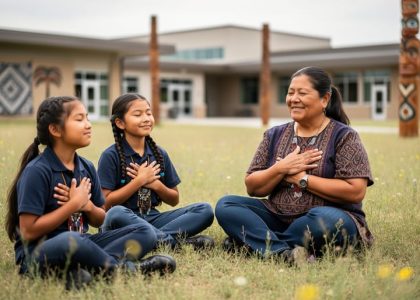
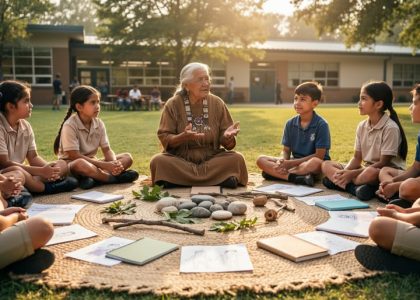
Successful indigenous language programs thrive when schools actively strengthen community connections through meaningful partnerships. By bringing together elders, families, and community language speakers, schools create an authentic learning environment that extends beyond classroom walls.
Regular community gatherings, cultural events, and language circles provide opportunities for students to practice their language skills in real-world contexts. These interactions help students understand the living nature of the language and its cultural significance. Schools can foster these connections by:
– Hosting monthly community language nights
– Creating mentorship programs pairing students with fluent speakers
– Organizing cultural celebrations where language use is central
– Developing take-home activities that involve family participation
– Establishing advisory committees that include community members
When schools actively engage with indigenous communities, they not only enhance language learning but also build trust and mutual respect. This collaborative approach ensures that language programs remain culturally authentic and sustainable, while creating meaningful bridges between academic learning and community wisdom.
Practical Strategies for Classroom Implementation
Starting Small: Daily Language Routines
Integrating indigenous language into daily classroom routines doesn’t require massive curriculum overhauls – small, consistent steps can create meaningful impact. Start by incorporating simple greetings in the target indigenous language at the beginning of each day. This establishes a welcoming atmosphere while normalizing the use of indigenous languages in the classroom space.
Consider implementing a “Word of the Day” practice, where students learn and use one new indigenous word or phrase that relates to your current lesson content. For example, if you’re teaching about local wildlife, introduce the indigenous terms for common animals in your region. Make it interactive by creating visual aids or hand signals to accompany new vocabulary.
Morning routines offer excellent opportunities for language integration. Weather descriptions, calendar activities, and attendance taking can all incorporate indigenous language elements. Students can respond to roll call using indigenous terms for “here” or “present,” making language practice a natural part of daily procedures.
Create designated “language moments” throughout the day – brief 5-minute periods where everyone commits to using learned phrases. These might include common classroom instructions like “please sit down,” “open your books,” or “thank you.” Keep a visual reference chart posted in the classroom showing these frequently used phrases.
Remember to approach these activities with consistency and patience. Learning any language takes time, and it’s perfectly acceptable to start with just a few words or phrases. As students become more comfortable, gradually expand your classroom’s indigenous language vocabulary. Celebrate small victories and create a supportive environment where students feel safe practicing new language skills.

Technology Tools for Language Learning
Modern technology offers valuable resources for indigenous language preservation and instruction. Digital learning tools have revolutionized how we approach language revitalization, making it more accessible and engaging for students of all ages.
Language learning apps like Duolingo and Rosetta Stone have partnered with indigenous communities to develop specialized courses. These platforms incorporate audio recordings from native speakers, interactive exercises, and cultural context to create immersive learning experiences. Custom-built apps designed specifically for individual indigenous languages often include features like vocabulary games, pronunciation guides, and storytelling elements.
Video conferencing platforms enable remote learning opportunities, connecting students with native speakers and language experts from different regions. This technology bridges geographical gaps and creates virtual language communities where learners can practice conversation skills in real-time.
Digital archives and multimedia databases preserve traditional stories, songs, and cultural practices. These resources often include recordings of elders speaking the language, providing authentic linguistic models for learners. Interactive whiteboards and touchscreen devices support classroom instruction by displaying visual aids, playing audio clips, and facilitating group activities.
Mobile devices enable anywhere, anytime learning through downloadable dictionaries, flashcard apps, and language-learning games. Many of these tools incorporate augmented reality features, allowing students to scan their environment and learn indigenous words for objects they encounter daily.
Assessment tools help track student progress and identify areas needing additional support. These platforms often include features for recording and analyzing pronunciation, monitoring vocabulary retention, and generating progress reports to guide instruction.
Overcoming Common Challenges
Resource Limitations and Solutions
Despite limited resources being a common challenge in indigenous language revitalization, educators have developed creative and effective solutions to overcome these constraints. When faced with scarce teaching materials, consider creating your own resources through collaboration with native speakers and community elders. Simple tools like recording devices can capture authentic pronunciations and stories, which can then be transformed into classroom materials.
Digital technology offers cost-effective alternatives to traditional textbooks. Free apps, online language learning platforms, and social media groups can supplement classroom instruction. Students can create digital storytelling projects, record pronunciation guides, or develop simple vocabulary games using basic software and smartphones.
Community partnerships are invaluable when resources are limited. Local indigenous organizations, cultural centers, and universities often have materials they’re willing to share. Consider organizing language exchange programs where fluent speakers visit classrooms or connect virtually with students. Parent volunteers and community members can contribute by sharing traditional songs, stories, and cultural knowledge.
Creative funding solutions include applying for educational grants, organizing fundraising events, or partnering with other schools to share resources. Many indigenous language programs have found success through crowdfunding platforms or by collaborating with local businesses that support cultural preservation initiatives.
Remember that authenticity matters more than polish. Simple, handmade materials created with community input often prove more effective than expensive commercial resources.
Building Teacher Capacity
Professional development is crucial for educators looking to effectively support indigenous language revitalization in their classrooms. Teachers need comprehensive training that combines linguistic knowledge with inclusive classroom strategies and cultural understanding.
Start by connecting with local indigenous communities and language experts who can provide authentic guidance and mentorship. Many school districts now offer specialized workshops and certification programs focused on indigenous language instruction. These programs typically include hands-on learning experiences, cultural immersion opportunities, and practical teaching methodologies.
Online learning platforms and virtual communities have made professional development more accessible than ever. Teachers can join collaborative networks where they share resources, lesson plans, and experiences with colleagues worldwide. Regular participation in these communities helps educators stay current with best practices and innovative teaching approaches.
Consider establishing mentor-mentee relationships with experienced indigenous language educators. This partnership can provide valuable insights, feedback, and emotional support throughout your teaching journey. Additionally, seek out conferences and seminars specifically focused on language revitalization – these events often offer hands-on workshops and networking opportunities.
Remember that building capacity is an ongoing process. Set aside time for regular self-reflection and assessment of your teaching practices. Document your progress and celebrate small victories as you develop your skills in indigenous language instruction.
Success Stories and Best Practices

Model Programs in Action
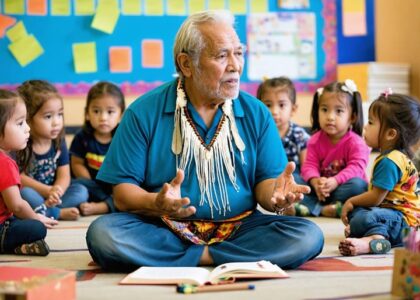
Several successful indigenous language revitalization programs demonstrate the power of community-driven education. The Māori Language Nests (Te Kōhanga Reo) in New Zealand stands as a remarkable example, where early childhood immersion programs have helped increase the number of Māori speakers significantly since the 1980s. Children learn through traditional songs, stories, and daily activities conducted entirely in te reo Māori, creating a natural language learning environment.
In Hawaii, the Pūnana Leo program has achieved similar success with the Hawaiian language. Starting with just 32 students in 1984, the program now serves thousands of children through immersion schools across the islands. Their approach combines traditional Hawaiian cultural practices with modern teaching methods, showing how language preservation can align with contemporary education.
The Mohawk community in Kahnawake, Quebec, offers another inspiring model through their Language and Cultural Center. Their innovative approach includes adult immersion programs, mentor-apprentice partnerships, and technology integration. They’ve developed mobile apps and interactive games that make language learning accessible to younger generations while maintaining cultural authenticity.
These programs share common success factors: strong community involvement, integration of cultural practices, and multi-generational participation. They demonstrate that effective language revitalization requires both traditional wisdom and modern educational approaches, creating sustainable models that other communities can adapt to their specific needs.
Measuring Impact and Progress
Tracking progress in indigenous language revitalization requires a balanced approach that combines quantitative metrics with qualitative assessments. Regular evaluations help educators adjust their strategies and demonstrate program effectiveness to stakeholders and community members.
Key indicators of success include student participation rates, vocabulary retention, and practical language use in daily interactions. Consider implementing pre and post-assessments to measure language proficiency growth, but ensure these evaluations respect cultural values and learning styles. Student portfolios containing recorded conversations, written work, and creative projects can provide comprehensive evidence of progress.
Community feedback serves as a vital measure of program impact. Regular meetings with elders, families, and cultural leaders help gauge how effectively students are connecting with their heritage language. Document instances where students initiate conversations in the indigenous language outside the classroom or share their learning with family members.
Digital tools can assist in tracking progress. Language learning apps and online platforms often include built-in assessment features that generate detailed progress reports. However, remember that traditional assessment methods, such as oral storytelling or ceremonial participation, may be more culturally appropriate and meaningful.
Success indicators should extend beyond language proficiency to include measures of cultural pride, community engagement, and intergenerational connections. Consider creating student surveys that capture these broader impacts while maintaining sensitivity to cultural protocols.
As we’ve explored throughout this article, indigenous language revitalization in our schools is not just about preserving words and phrases – it’s about nurturing cultural identity, building inclusive communities, and creating spaces where all students can thrive. The journey of incorporating indigenous languages into our classrooms may seem challenging, but the rewards for our students and communities are immeasurable.
Remember that every step, no matter how small, contributes to this vital mission. Whether you’re starting with simple greetings, incorporating traditional stories, or developing comprehensive language programs, your efforts make a difference. The key is to begin where you are, with the resources you have, while maintaining respectful partnerships with indigenous communities.
As educators, we have the unique opportunity to be part of this transformative movement. Consider reaching out to local indigenous leaders, connecting with other educators who are on similar journeys, and continuously expanding your knowledge and resources. Take advantage of professional development opportunities, online resources, and community expertise to enhance your practice.
The future of indigenous languages lies in our collective commitment to their revitalization. Let’s work together to create classrooms where indigenous languages are heard, valued, and celebrated. Your role in this journey matters – start today, stay committed, and watch as these ancient languages breathe new life into our educational spaces.