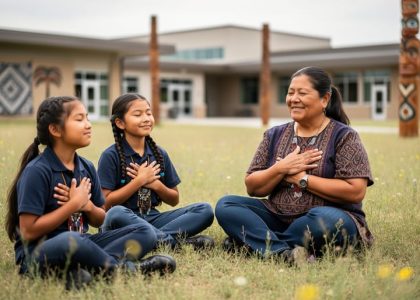
Oral traditions stand as living bridges between generations, carrying the wisdom, values, and cultural heritage of communities through the power of spoken word. As educators embrace culturally responsive teaching, storytelling emerges as a vital tool for creating meaningful connections and fostering authentic learning experiences. These ancient practices of knowledge transmission offer more than just entertainment – they build critical thinking skills, enhance cultural understanding, and develop stronger communication abilities among students.
In today’s digital age, where information often flows through screens and keyboards, oral storytelling provides a refreshingly human approach to learning. It creates spaces where students can experience the immediacy of face-to-face communication, develop active listening skills, and participate in the collaborative creation of meaning. From Indigenous creation stories to personal family narratives, oral traditions invite students to become both receivers and creators of knowledge, engaging them in a dynamic educational process that honors diverse perspectives and ways of knowing.
For educators seeking to enrich their teaching practice, oral traditions storytelling offers a powerful framework for building inclusive, engaging, and culturally responsive classrooms where every student’s voice and heritage can find expression and recognition.
The Power of Indigenous Oral Traditions

Core Elements of Oral Storytelling
Oral storytelling in Indigenous traditions relies on several key elements that work together to create powerful learning experiences. The storyteller’s voice modulation and pacing help maintain engagement while conveying emotional depth. Physical gestures and facial expressions add layers of meaning, making stories more memorable and impactful for listeners.
Repetition plays a crucial role, with key phrases and concepts appearing throughout the narrative to reinforce important teachings. This repetitive structure helps students retain information and understand core values being shared. The use of vivid imagery and sensory details helps listeners create mental pictures, making abstract concepts more concrete and relatable.
Interactive elements, such as call-and-response patterns or audience participation moments, keep listeners actively engaged in the storytelling process. Many stories also incorporate natural sounds, songs, or rhythmic elements that enhance the narrative experience.
Perhaps most importantly, these stories often feature relatable characters and situations that connect to students’ lives, making lessons more meaningful. The circular nature of many Indigenous stories, where endings connect back to beginnings, helps reinforce the interconnectedness of all teachings.
Cultural Knowledge Transmission
Oral traditions serve as vital channels for preserving and transmitting cultural knowledge across generations. Through storytelling, communities share their history, values, beliefs, and life lessons in ways that resonate deeply with listeners. This transmission process is particularly significant in Indigenous cultures, where stories often contain essential teachings about relationships with the land, traditional practices, and community responsibilities.
Stories passed down through oral traditions do more than entertain; they encode complex cultural information in memorable formats. When elders share stories with younger generations, they’re not just passing along tales – they’re transferring vital survival knowledge, ethical guidelines, and cultural identity markers. These narratives often include practical wisdom about sustainable living, medicinal plants, weather patterns, and social protocols.
The interactive nature of oral storytelling creates strong emotional connections that help listeners retain and internalize cultural values. Through repetition, active listening, and community participation, learners absorb both explicit and implicit cultural teachings. This process helps maintain cultural continuity while allowing each generation to add their own experiences and interpretations, making oral traditions both preserved and dynamic.
Integrating Oral Traditions in Modern Classrooms
Creating an Inclusive Learning Environment
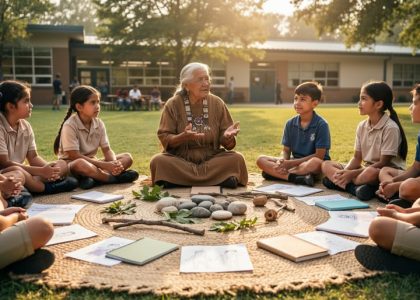
Creating an inclusive learning environment for oral storytelling begins with thoughtful classroom arrangement. Arrange seating in a circle or semicircle to promote eye contact and equal participation among students. This configuration honors traditional storytelling practices while ensuring every voice can be heard and respected.
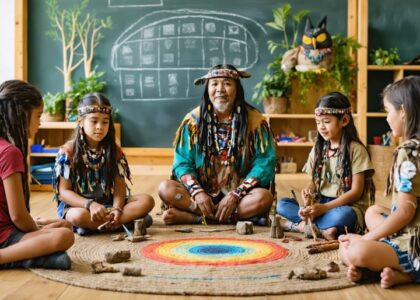
Consider creating a dedicated storytelling corner with comfortable cushions, cultural artifacts, and visual aids that represent diverse storytelling traditions. Include objects that students can use as props or story prompts, such as traditional instruments, puppets, or cultural items shared by families.
Establish clear ground rules that emphasize respect, active listening, and appreciation for different narrative styles. Post these guidelines visually and review them regularly. Encourage students to share stories from their own cultural backgrounds and family histories, making space for multiple languages and dialects.
Keep the space flexible to accommodate different group sizes and storytelling formats. Good lighting, appropriate acoustics, and minimal external distractions are essential for successful oral storytelling sessions. Remember to make accommodations for students with different abilities to ensure everyone can participate fully in the storytelling experience.

Cross-Curricular Applications
Oral traditions storytelling offers rich opportunities for cross-subject integration throughout the curriculum. In language arts, students can practice active listening, develop verbal expression skills, and analyze narrative structures through traditional stories. These same stories can enhance social studies lessons by providing firsthand accounts of historical events, cultural practices, and social values from different communities.
Science teachers can incorporate traditional ecological knowledge through stories about natural phenomena, seasonal changes, and animal behavior. These narratives often contain detailed observations about the environment that align with modern scientific understanding. In mathematics, traditional stories frequently include problems involving counting, patterns, and spatial relationships that can be translated into engaging math lessons.
Art and music classes benefit from oral traditions through the exploration of traditional songs, chants, and performance techniques. Students can create visual representations of stories or learn traditional art forms that complement oral narratives. Physical education classes can incorporate traditional games and movement activities mentioned in stories, connecting physical activity with cultural learning.
For technology integration, students can record and edit digital storytelling projects, creating modern versions of traditional tales. This approach helps preserve oral traditions while developing contemporary media skills. Drama classes can use traditional stories as source material for performances, helping students understand character development and dramatic presentation while honoring cultural narratives.
Assessment Strategies
Assessing learning through oral traditions requires a balanced approach that honors both traditional storytelling methods and modern educational needs. Teachers can implement cultural assessment strategies that include observation rubrics focusing on student engagement, story comprehension, and retelling abilities.
Consider using performance-based assessments where students demonstrate their understanding through their own storytelling. Look for elements such as voice modulation, appropriate gestures, maintaining audience engagement, and accurate preservation of the story’s core message. Create feedback circles where peers can respectfully share observations and insights about each other’s storytelling performances.
Documentation through audio or video recordings can help track progress over time while respecting the oral nature of the tradition. Students can also maintain reflection journals to explore their personal connections to stories and document their growth as storytellers.
Remember to involve community elders and cultural knowledge keepers in developing assessment criteria to ensure authenticity and cultural appropriateness. This collaborative approach helps maintain the integrity of oral traditions while meeting educational objectives.

Benefits and Impact
Student Engagement and Retention
Oral storytelling naturally draws students into active participation, creating a dynamic learning environment that significantly improves retention. When students listen to stories, they engage multiple senses simultaneously, making the learning experience more memorable and meaningful. The interactive nature of oral storytelling encourages students to lean in, respond, and become part of the narrative.
Teachers who incorporate oral storytelling report higher levels of student engagement, particularly among students who might otherwise struggle with traditional text-based learning. The call-and-response elements common in many storytelling traditions help maintain attention and create a sense of community within the classroom. Students often demonstrate improved recall of information when it’s presented through stories, as the narrative structure provides natural memory hooks and emotional connections.
The collaborative aspect of oral storytelling also strengthens peer relationships and builds confidence. When students take turns as storytellers, they develop public speaking skills while their classmates practice active listening. This reciprocal learning process helps create a supportive classroom environment where all voices are valued.
To maximize retention, educators can incorporate simple techniques like having students retell stories in their own words, create visual representations of key moments, or discuss the story’s meaning with peers. These follow-up activities help cement the story’s content while developing critical thinking and communication skills.
Cultural Competency Development
Incorporating oral traditions storytelling into educational practice provides a powerful pathway for cultural competency development among both educators and students. When we engage with stories from diverse cultural backgrounds, we create opportunities for meaningful cross-cultural understanding and appreciation.
To effectively integrate oral traditions into your classroom, start by inviting community elders or cultural representatives to share their stories directly with students. This authentic engagement helps students understand the deeper cultural context and protocols surrounding storytelling practices. Remember to establish respectful relationships with cultural bearers and follow appropriate protocols for requesting and sharing stories.
Create a supportive environment where students can reflect on and discuss the cultural values, beliefs, and wisdom embedded within different oral traditions. Encourage them to make connections between these stories and their own lived experiences, fostering empathy and cultural awareness.
Consider implementing regular storytelling circles where students can share stories from their own cultural backgrounds. This practice not only validates diverse cultural experiences but also helps build a more inclusive classroom community. Guide students in recognizing and respecting the different storytelling styles and traditions represented in your classroom.
Remember that cultural competency is an ongoing journey. Regularly assess and adapt your approach to ensure it remains respectful, inclusive, and meaningful for all students.
Implementation Challenges and Solutions
Resource Accessibility
Accessing appropriate storytelling resources is essential for effectively incorporating oral traditions into your classroom. Many cultural centers, Indigenous education offices, and local Indigenous communities offer storytelling programs and materials specifically designed for educational use. Start by connecting with your district’s Indigenous education coordinator or cultural liaison, who can guide you to vetted resources and potentially arrange visits from community storytellers.
Digital platforms have made storytelling resources more accessible than ever. Online archives like the Indigenous Story Hub and tribal education websites offer curated collections of age-appropriate stories, complete with cultural context and teaching guides. However, always verify the authenticity and cultural appropriateness of digital resources with knowledgeable community members or cultural advisors.
Local libraries often maintain special collections of Indigenous stories and educational materials. Many have developed partnerships with Indigenous communities to ensure their resources are culturally accurate and respectfully presented. Consider joining educator networks or professional development groups focused on Indigenous education, as these communities often share valuable resources and best practices.
Remember that the most valuable resources are often the relationships you build with local Indigenous communities. Taking time to establish respectful connections and learning protocols for sharing stories will enrich your teaching practice and benefit your students’ learning experience.
When selecting resources, prioritize materials that come directly from Indigenous sources and include proper cultural context and teaching guidelines. This ensures authenticity and helps maintain the integrity of oral traditions in educational settings.
Cultural Sensitivity Guidelines
When incorporating oral traditions storytelling into your classroom, it’s essential to approach these cultural practices with respect and understanding. Begin by researching the specific cultural context of the stories you wish to share, and whenever possible, invite Indigenous storytellers or community members to lead these experiences. This creates authentic learning opportunities and ensures proper representation.
Always acknowledge the source and cultural origin of stories, teaching students about the significance of oral traditions within their respective communities. Avoid presenting stories as mere entertainment; instead, emphasize their role in preserving history, values, and cultural knowledge.
Be mindful of cultural protocols regarding when and how certain stories should be shared. Some stories are sacred or meant for specific seasons or occasions. Consult with cultural advisors or Indigenous education coordinators in your district to ensure appropriate implementation.
Create a supportive classroom environment where students understand the importance of respectful listening and engagement. Discourage interruptions or casual attitudes during storytelling sessions, as these practices often carry deep cultural significance.
When adapting storytelling activities, maintain the integrity of the original narrative while making it accessible to your students. Focus on building cultural understanding rather than appropriating or oversimplifying complex cultural elements. Remember that oral traditions are living practices that continue to evolve within their communities, not historical artifacts to be preserved in a static form.
As we’ve explored throughout this article, oral traditions storytelling offers a powerful and meaningful way to enrich your classroom experience. By incorporating these time-honored practices, you’re not only preserving important cultural heritage but also creating engaging learning opportunities that resonate with all students. Remember that implementing oral traditions is a journey of continuous learning and growth, both for you and your students.
Start small by introducing one storytelling activity at a time, and gradually build your repertoire as you become more comfortable. Pay attention to how your students respond and adapt your approach accordingly. The beauty of oral traditions lies in their flexibility and ability to evolve while maintaining their core cultural significance.
Consider joining educator communities that focus on incorporating Indigenous perspectives in the classroom. These networks can provide valuable support, resources, and opportunities to share experiences with fellow teachers. Document your successes and challenges, and don’t hesitate to reach out to cultural knowledge keepers and Indigenous educators for guidance.
Your role in preserving and sharing oral traditions is invaluable. By creating a classroom environment that honors these practices, you’re helping students develop critical thinking skills, cultural awareness, and a deeper appreciation for diverse ways of knowing. Remember that every story shared and every tradition honored contributes to a more inclusive and enriching educational experience for all.
Keep exploring, keep learning, and most importantly, keep sharing these powerful traditions with your students.