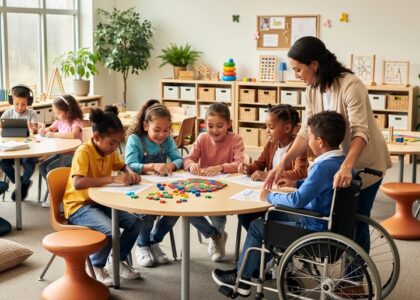
Set clear expectations for student success while honoring their diverse cultural backgrounds and experiences. Culturally responsive teaching requires getting to know each student as an individual. Communicate high standards for all learners and provide the scaffolding they need to meet those expectations. Create an inclusive classroom community where every student feels respected, valued and empowered to achieve their full potential.
Understand Your Students’ Cultural Backgrounds
Connect With Families
Engaging families is crucial for creating a culturally responsive classroom. Reach out to parents and guardians to learn more about their children’s backgrounds, interests, and learning needs. Invite them to share their cultural traditions, expectations, and insights. Consider hosting family events, sending regular newsletters, or conducting home visits to strengthen connections. By collaborating with families, you can better understand each student’s unique perspective and tailor your teaching to honor their diverse experiences. This partnership fosters a supportive learning environment where all students feel valued, respected, and motivated to achieve their full potential.
Examine Your Own Biases
As educators, it’s essential to recognize that our own cultural backgrounds, experiences, and biases can unconsciously shape our expectations for students. Take time to critically examine your beliefs and assumptions about different cultures, ethnicities, and socioeconomic groups. Reflect on how your cultural lens may influence your perceptions of student ability, behavior, and potential. Consider whether you hold all students to the same high standards or if hidden biases lead to unequal expectations. Acknowledge any stereotypes or generalizations you may hold and actively work to challenge and dismantle them. Seek out resources, such as implicit bias tests and diversity training, to deepen your self-awareness and cultural competence. By continuously examining and addressing your own biases, you can ensure that you maintain high expectations for all students, regardless of their cultural background, and create an equitable learning environment that values and nurtures the unique strengths of each learner.
Set High Expectations for All Students
Setting high expectations for all students is a cornerstone of culturally responsive teaching. Educators must firmly believe in the potential of every learner, regardless of their background or perceived abilities. By consistently communicating and demonstrating this belief, teachers empower students to rise to the challenge and achieve their best. It’s crucial to dispel harmful myths and biases that suggest certain groups of students have inherently different abilities based on factors such as race, socioeconomic status, or language proficiency. Instead, culturally responsive classrooms recognize that all students are capable of academic success when provided with the right support, resources, and learning environment. Teachers should set ambitious yet attainable goals for each student, tailoring their approach to individual strengths and needs while maintaining a universally high standard of excellence. This includes providing rigorous, culturally relevant content, offering regular feedback and encouragement, and celebrating progress along the way. By consistently demonstrating a genuine belief in every student’s ability to succeed, educators create a self-fulfilling prophecy of achievement that transcends background and fosters a culture of high expectations for all.

Make Learning Relevant and Responsive
Diverse Learning Materials
Incorporate diverse learning materials that reflect the cultural backgrounds and experiences of your students. Choose books featuring characters and authors from various ethnicities, and showcase artwork, posters, and decor representing different traditions. Develop lessons that explore multiple perspectives on topics, highlighting contributions from people of color, women, and other historically underrepresented groups. Provide resources in students’ home languages when possible, and offer a variety of learning modalities to cater to different strengths. By infusing diversity into the classroom environment and curriculum, you create a welcoming space where all students feel seen, valued, and connected to their learning.

Flexible Teaching Strategies
In a culturally responsive classroom, flexible teaching strategies are essential to meet the diverse learning needs of students. By adapting instructional approaches to match students’ learning styles, educators can create an environment where all learners feel supported and challenged. One powerful way to achieve this is through differentiated instruction, which involves tailoring content, process, and products to individual student needs. This may include using various teaching methods, such as visual aids, hands-on activities, and cooperative learning, to engage different types of learners. Additionally, providing multiple ways for students to demonstrate their understanding, such as through oral presentations, written assignments, or creative projects, allows them to showcase their strengths and build confidence. By embracing flexibility and diversity in teaching strategies, educators can foster a classroom culture where all students are motivated to reach their full potential.
Honor All Cultures in the Classroom
In a culturally responsive classroom, it is essential to create an environment that celebrates and honors the diverse backgrounds of all students. This means going beyond surface-level acknowledgment of differences and actively incorporating elements of students’ cultures into daily learning experiences. One way to achieve this is by featuring literature, art, and historical figures from a wide range of cultures in lesson plans and classroom decor. Educators should also encourage students to share their unique perspectives and experiences, fostering a sense of pride in their heritage. By valuing the wealth of knowledge and traditions that each student brings to the classroom, teachers can create a space where every learner feels seen, heard, and respected. This inclusive approach not only promotes a positive learning environment but also prepares students to navigate and appreciate the diverse world beyond the classroom walls. Ultimately, by honoring all cultures, educators set the stage for students to develop a deep understanding and respect for the tapestry of human experiences that make up our global community.
Teach Critical Thinking About Culture and Equity
Fostering critical thinking about culture and equity is essential in a culturally responsive classroom. Encourage students to examine their own biases and assumptions, and to question stereotypes they may encounter in media, literature, or everyday interactions. Provide opportunities for respectful dialogue and reflection on issues of diversity, inclusion, and fairness.
Incorporate lessons and activities that explore different cultural perspectives and experiences. For example, students could analyze how a historical event is portrayed in textbooks from various countries, or compare media coverage of a current issue across different demographics. Teach them to consider multiple viewpoints and to evaluate information critically.
Emphasize the importance of equitable treatment and challenge students to identify and address instances of bias or discrimination in their school or community. Role-play scenarios that demonstrate how to be an ally and stand up for others. Help students understand that promoting equity is an ongoing process that requires continuous learning and action.
By teaching critical thinking skills and encouraging students to actively engage with issues of culture and equity, educators can empower them to become agents of positive change. Cultivating a classroom environment that values diversity, fosters empathy, and promotes justice lays the foundation for a more inclusive and equitable society.

Engage Students’ Voices and Experiences
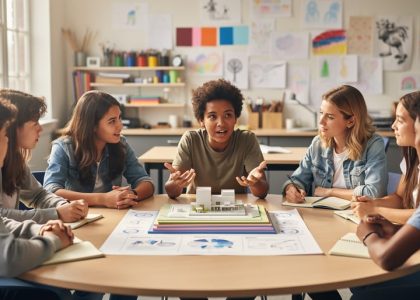
In a culturally responsive classroom, elevating student voice is paramount. Encourage open discussions where learners can share their unique perspectives and experiences. Create opportunities for students to lead conversations, facilitating a sense of ownership and empowerment. Implement projects that allow learners to explore their cultural identities, such as creating family history presentations or conducting interviews with community members. Provide platforms for students to showcase their talents and passions, whether through art displays, poetry slams, or multicultural celebrations. By actively seeking and valuing student input, you foster an environment where every voice matters. Regularly invite learners to share their stories, challenges, and triumphs, building a strong sense of community and belonging. Remember, when students feel heard and respected, they are more likely to engage deeply in their learning and develop a positive self-image. As an educator, your role is to create a safe space where diversity is celebrated and every student feels empowered to contribute their unique voice to the classroom tapestry.
Partner With Families and the Community
Partnering with families and the community is essential for fostering cultural responsiveness in the classroom. Begin by actively reaching out to families to understand their cultural backgrounds, values, and expectations for their children’s education. Invite them to share their insights and experiences, and incorporate this knowledge into your teaching practices. Establish open lines of communication, ensuring that families feel heard and valued as partners in their child’s learning journey.
Leverage community resources to enrich your classroom’s cultural responsiveness. Collaborate with local cultural organizations, museums, and community leaders to bring diverse perspectives and experiences into the learning environment. Invite guest speakers, organize field trips, and engage students in community-based projects that celebrate cultural diversity and promote understanding.
Encourage family involvement by hosting cultural events, workshops, and celebrations that showcase the wealth of cultural traditions represented in your classroom. Create opportunities for families to volunteer, share their expertise, and contribute to the learning process. By actively involving engaged parents and community members, you demonstrate the value of cultural diversity and foster a sense of belonging for all students.
Remember, building strong partnerships with families and the community takes time and effort. Approach these relationships with respect, empathy, and a genuine desire to learn and grow together. By collaborating closely with families and drawing upon community resources, you can create a culturally responsive classroom that celebrates diversity and supports the success of all learners.
Conclusion
Creating a culturally responsive classroom is a powerful way to honor the diversity of our students and foster an environment where all learners can thrive. By implementing these seven secrets, educators can build strong relationships with students, create a sense of belonging, and hold high expectations for academic success. When students feel seen, valued, and supported, they are more motivated to engage in learning and reach their full potential.
As you embark on this journey, remember that becoming a culturally responsive educator is an ongoing process. Continue to reflect on your own biases, seek out diverse perspectives, and adapt your teaching practices to meet the evolving needs of your students. By committing to cultural responsiveness, you have the power to transform lives and create a more equitable future for all learners. Embrace this opportunity to make a lasting impact on your students and the communities you serve.