
Every student deserves an equal opportunity to learn, yet language barriers continue to prevent millions of children from accessing quality education. When a third-grader who speaks Spanish at home struggles to understand math instructions delivered only in English, or when a newcomer from Somalia sits silently through a history lesson they cannot comprehend, we’re not witnessing a student deficit—we’re witnessing a system that hasn’t yet fulfilled its promise of accessibility.
Language accessibility in education means more than translation services or bilingual signage. It represents a fundamental shift in how we design learning environments, deliver instruction, and measure student success. It requires us to see multilingualism as an asset rather than an obstacle, and to recognize that true educational equity cannot exist when students must choose between their home language and academic achievement.
The statistics demand our attention: English language learners represent nearly 10% of public school enrollment nationwide, speaking over 400 different languages. Yet these students often face lower graduation rates, reduced access to advanced coursework, and limited engagement from families who cannot navigate school systems in their native languages. These disparities are not inevitable—they’re the result of policy choices and resource allocation decisions that educators and administrators can influence.
This article bridges the gap between classroom practice and systemic advocacy. You’ll discover immediately actionable strategies to make your classroom more linguistically accessible tomorrow, from leveraging visual supports to partnering with multilingual families. You’ll also gain the policy knowledge needed to advocate for meaningful change in your school and district, understanding how federal guidelines, funding streams, and local decision-making intersect to either advance or hinder language accessibility.
Whether you’re a classroom teacher seeking practical tools or an administrator ready to champion policy reform, the path forward requires both grassroots action and structural change. The students in your care are counting on both.
Why Language Accessibility Matters More Than Ever
The Growing Diversity in Our Classrooms
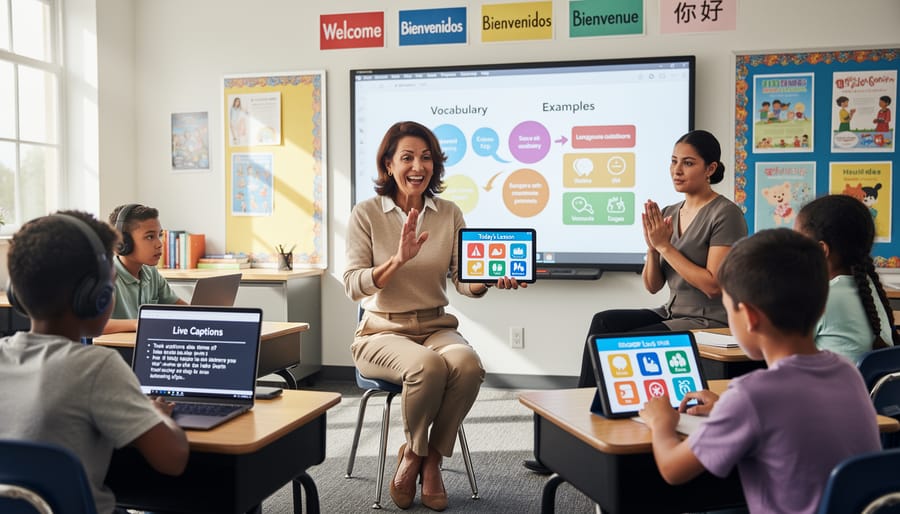
Our classrooms today reflect a beautiful tapestry of linguistic and cultural backgrounds that continues to expand. According to recent data from the National Center for Education Statistics, English Language Learners now represent approximately 10.4% of public school enrollment, with numbers rising steadily over the past decade. That translates to more than 5 million students learning in a language that may not be their primary means of communication at home.
The diversity extends beyond traditional ELL classifications. Many students come from multilingual households where multiple languages are spoken daily, creating rich linguistic environments that also present unique educational considerations. In some urban districts, schools report students speaking over 100 different home languages collectively, ranging from Spanish and Mandarin to Arabic, Vietnamese, and Somali.
This demographic shift isn’t limited to traditionally diverse coastal regions. School districts in the Midwest, South, and rural areas are experiencing significant increases in language diversity, sometimes without the established support systems that larger districts have developed over time. For you as educators, this means that language accessibility has moved from a specialized concern to a universal classroom reality. Understanding these trends helps frame why accessible educational materials and inclusive teaching practices aren’t optional add-ons but essential components of effective instruction that serves all learners in your care.
What Happens When Language Creates Barriers
When students can’t access learning materials in their preferred or primary language, the ripple effects extend far beyond a single classroom moment. Research consistently shows that language barriers directly impact student participation, with multilingual learners often withdrawing from class discussions or collaborative activities. Achievement gaps widen as students struggle to demonstrate knowledge they actually possess, and standardized assessments may reflect language proficiency rather than content mastery. Perhaps most concerning, students’ sense of belonging diminishes when they feel their language and cultural identity aren’t valued in the learning environment.
The good news? You have the power to shift this reality. Even small changes in how you communicate and present information can dramatically improve outcomes. When you provide materials in multiple languages, offer visual supports alongside text, or allow students to express understanding in various ways, you’re removing barriers that prevent capable students from succeeding. These adjustments benefit everyone in your classroom, not just multilingual learners.
Start by auditing one lesson this week. Ask yourself: Could a student with limited English proficiency access the core concepts? What communication alternatives could I offer? Remember, creating language-accessible classrooms isn’t about perfection. It’s about consistently taking steps toward inclusion, learning from your students and families, and building a culture where every learner can engage fully with the curriculum.
Understanding Language Accessibility in Your Classroom
Beyond Translation: What True Language Access Looks Like
True language access goes far beyond handing parents a translated document or using a translation app during conferences. While translation is important, comprehensive language accessibility means creating an environment where multilingual families can genuinely participate in their children’s education with dignity and understanding.
Think of language access as a bridge with multiple supports. Translation provides the foundation, but you also need cultural responsiveness—understanding that communication styles, educational expectations, and family involvement look different across cultures. A parent who doesn’t speak up at meetings might not lack interest; they may come from a culture where questioning teachers is considered disrespectful.
Effective language access includes multiple communication modes. Some families prefer written updates they can translate at their own pace, while others benefit from visual supports like annotated photos of classroom activities or video messages with captions. Consider offering information through various channels: text messages, phone calls, community liaisons, and visual schedules.
Cultural responsiveness also means examining your assumptions. Are you scheduling events during times when working families can attend? Are you using idioms and cultural references that may not translate? Do your materials reflect the diverse backgrounds of your community?
Start small by auditing one communication—perhaps your weekly newsletter. Ask multilingual families what works and what doesn’t. Partner with cultural liaisons who can help you understand not just words, but context and meaning. Remember, when families truly understand and feel welcomed, student success follows naturally.
Recognizing Different Language Needs in Your Students
Every classroom contains students with diverse language needs, and recognizing these differences is the first step toward building inclusive education support. As educators, understanding the spectrum of language accessibility requirements helps you create learning environments where all students can thrive.
English Language Learners represent one of the fastest-growing student populations. These students bring rich cultural perspectives while navigating content and language acquisition simultaneously. You might notice they understand concepts when demonstrated visually but struggle with text-heavy assignments.
Students with speech and language disabilities face unique challenges that extend beyond pronunciation. Some may have expressive language disorders, making it difficult to formulate thoughts into words, while others experience receptive language challenges that affect their ability to process spoken instructions.
Reading challenges, including dyslexia and other learning differences, impact how students decode and comprehend written language. These students often possess strong reasoning skills but need alternative ways to access text-based materials.
Auditory processing differences affect how students interpret and organize auditory information. These learners might appear distracted or off-task when actually they’re working harder than peers to process verbal instructions in busy classroom environments.
Take time to observe your students during various activities. Notice who hesitates during read-alouds, who struggles with multi-step verbal directions, or who excels in hands-on tasks but falters with written work. These observations, combined with formal assessments and family input, create a comprehensive picture of your students’ language accessibility needs and guide your instructional decisions.
Practical Strategies You Can Implement Tomorrow
Simple Adjustments That Make a Big Difference
You don’t need to overhaul your entire curriculum to make meaningful accessibility improvements. Small, strategic adjustments can dramatically increase student engagement and comprehension across all learning levels.
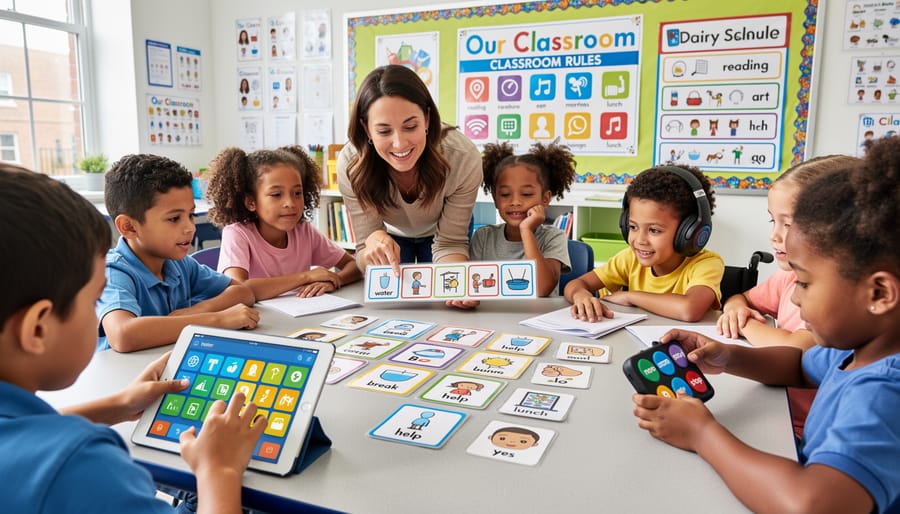
Start with visual supports that complement verbal instruction. Simple anchor charts, picture schedules, or graphic organizers help students process information through multiple channels. These tools benefit not only English learners and students with disabilities, but all learners who process information differently.
Sentence frames provide another quick win. Offering students structured prompts like “I noticed that…” or “This connects to… because…” reduces language anxiety while building academic discourse skills. Students gain confidence expressing complex ideas when they have linguistic scaffolding to support their thinking.
Vocabulary scaffolding transforms potentially frustrating lessons into accessible learning experiences. Pre-teach essential terms, display word walls with visual representations, and provide bilingual glossaries when appropriate. These strategies take minutes to implement but remove significant barriers to comprehension.
Embrace multimodal instruction by varying how you present and how students demonstrate learning. Combine verbal explanations with videos, hands-on activities, or collaborative discussions. Allow students to show understanding through drawings, presentations, written responses, or digital projects. This flexibility honors diverse learning strengths while maintaining rigorous academic expectations.
These adjustments require minimal preparation time yet signal to all students that their success matters and that learning pathways can look different for everyone.
Technology Tools That Remove Language Barriers
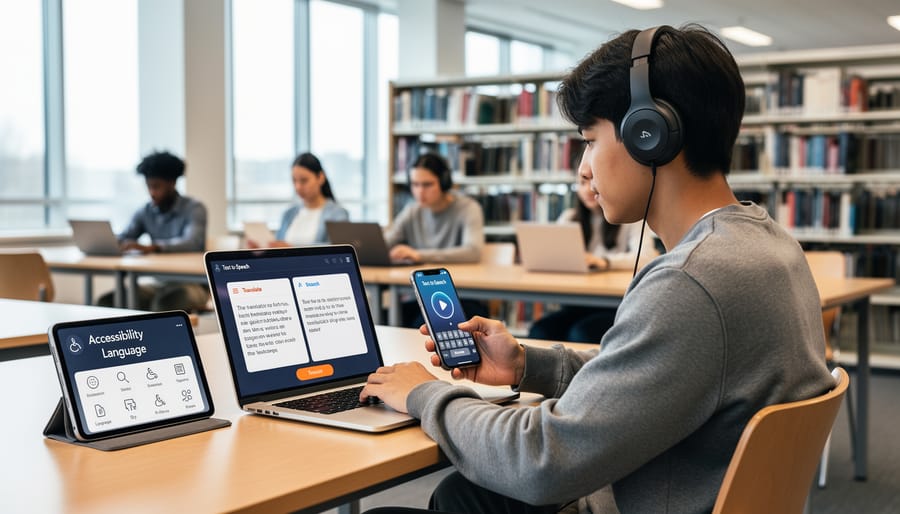
Modern technology has transformed how we support multilingual learners in K-12 classrooms, offering practical solutions that work in real-time. Translation apps like Google Translate and Microsoft Translator enable instant communication between educators and students who speak different languages. These tools can translate written text, spoken words, and even live conversations, making parent-teacher conferences and classroom instructions more accessible.
Text-to-speech software helps students access written content in their preferred language or supports reading comprehension by allowing them to hear text aloud. Popular options include Read&Write and Natural Reader, which integrate seamlessly with many learning management systems. Conversely, speech-to-text tools like Otter.ai or Google’s Voice Typing allow students to express their understanding verbally when writing poses challenges.
Interactive platforms such as Duolingo for Schools, Seesaw, and Flip create engaging environments where language learners can practice at their own pace. These platforms often include visual supports and scaffolding features that help students build confidence while developing language skills.
When implementing these tools, consider accessibility beyond just language translation. As part of comprehensive digital equity strategies, ensure all students have reliable device access and internet connectivity. Start small by introducing one or two tools, gathering student feedback, and building from there. Remember that technology enhances but doesn’t replace the human connection essential for supporting language learners.
Building a Language-Accessible Classroom Culture
Creating a classroom where all language backgrounds feel valued starts with intentional cultural shifts. Begin by celebrating linguistic diversity—display welcome signs in multiple languages, invite students to share words from their home languages, and acknowledge that multilingualism is an asset, not a barrier. This visible representation signals that every student’s communication style matters.
Reframe mistakes as essential learning moments rather than failures. When students struggle to express themselves, respond with phrases like “Let me make sure I understand” or “Can you show me another way?” This approach reduces anxiety and encourages risk-taking in communication.
Diversify how students can participate and demonstrate understanding. Offer options like visual representations, collaborative discussions, written responses, or digital tools that support translation. Interactive whiteboards and communication apps can bridge language gaps while maintaining academic rigor.
Build a feedback-rich environment using community forums or class discussions where students learn from each other’s perspectives. Peer partnerships between native speakers and language learners create authentic practice opportunities and strengthen classroom relationships.
Remember, building this culture takes time and consistency. Small daily actions—like pausing for processing time, using visual supports, and validating all forms of expression—compound into transformative change that benefits every learner in your classroom.
Advocating for Language-Accessible Policies in Your School
Know Your Legal Foundation
Understanding the legal framework supporting language accessibility doesn’t require a law degree. Several key policies work together to ensure every student can access education, regardless of their language background or learning needs.
Title VI of the Civil Rights Act protects students from discrimination based on national origin, which courts have interpreted to include language barriers. This means schools must take reasonable steps to help English Language Learners (ELL students) participate meaningfully in educational programs.
For students with disabilities, two critical protections apply. Individualized Education Programs (IEPs) under the Individuals with Disabilities Education Act can include language accommodations as part of special education services. Section 504 of the Rehabilitation Act offers broader protections, ensuring students with disabilities receive necessary accommodations, including language supports, in the general education setting.
These laws work in combination. For instance, a student might be both an English learner and have a learning disability, qualifying for protections under multiple frameworks. Your role isn’t to become a legal expert, but to recognize when language barriers are preventing student success and know that legal foundations exist to support the accommodations you provide. When you advocate for translation services, bilingual resources, or specialized language instruction, you’re not just being helpful—you’re helping fulfill legal obligations that recognize every student’s right to accessible education.
Building Your Case with Data and Stories
Strong advocacy begins with compelling evidence from your own educational community. Start by documenting specific situations where accessibility barriers affect learning. Keep a journal noting when students struggle with content due to language complexity, when families can’t participate because materials aren’t available in their home language, or when assessment results don’t reflect true student understanding due to language factors.
Collect both quantitative and qualitative data. Track participation rates in parent-teacher conferences by language group, analyze academic performance patterns among multilingual learners, and gather anonymous feedback from students about their learning experience. Numbers tell one part of the story, but personal narratives create emotional connection and urgency.
Build a collection of success stories too. Document improvements when you implement accessible practices, showing administrators the positive impact of translation services, multilingual resources, or modified communication strategies. Take photographs of inclusive classroom materials and student engagement, always respecting privacy guidelines.
Partner with colleagues to gather school-wide data, strengthening your case through broader evidence. When approaching decision-makers, present both the challenge and the solution, demonstrating how accessibility investments benefit all learners. Remember, your firsthand observations and student experiences are powerful tools for creating meaningful change in your school community.
Collaboration Strategies That Create Change
Creating meaningful change in language accessibility requires bringing diverse voices to the table. Start by building a core team that includes special education coordinators, ELL specialists, and curriculum leaders who can champion accessibility across departments. Regular collaboration meetings help ensure that language support strategies align across all programs.
Engaging families is equally essential. Many parents and guardians possess valuable insights about their children’s language needs and cultural contexts. Establishing parent advocacy partnerships creates opportunities for families to contribute to accessibility planning and decision-making. Consider hosting quarterly roundtables where families can share experiences and suggest improvements.
Community partnerships expand your reach beyond school walls. Local libraries, cultural organizations, and healthcare providers often serve the same families and can reinforce language accessibility efforts. These partners may also offer resources like translation services or culturally responsive materials.
To drive systemic change, connect with district-level administrators using data and student success stories. Demonstrate how collaborative accessibility initiatives improve outcomes for all learners. Learning effective advocacy strategies helps you present compelling cases for policy changes and resource allocation. Remember, sustainable change happens when everyone involved feels ownership and sees themselves reflected in the solution.
Connecting with Resources and Fellow Advocates
Creating a more accessible educational environment isn’t a journey you need to take alone. Connecting with others who share your commitment to inclusive education provides both practical support and ongoing inspiration as you implement changes in your classroom and advocate for systemic improvements.
Start by exploring professional development opportunities focused on accessibility and universal design for learning. Many districts now offer workshops and training sessions that provide concrete strategies while earning you continuing education credits. Online learning platforms also feature self-paced courses that fit your schedule, allowing you to deepen your expertise when it works best for you.
Join online communities where educators share real-world experiences and solutions. Our platform’s community forums offer dedicated spaces for discussing accessibility challenges, celebrating successes, and troubleshooting implementation hurdles. These conversations often yield practical tips you won’t find in formal training sessions, from specific tool recommendations to creative adaptations for different learning needs.
Consider connecting with advocacy organizations like the National Center for Learning Disabilities, CAST (Center for Applied Special Technology), or your state’s educational equity initiatives. These groups provide research-based resources, policy updates, and opportunities to contribute your classroom perspective to larger conversations about educational access.
Take advantage of interactive tools designed for collaborative planning and resource sharing. Many educators find that participating in virtual study groups or accessibility-focused professional learning communities keeps momentum going and prevents isolation. Remember, your efforts to create accessible learning environments are part of a broader movement, and the collective wisdom of fellow advocates strengthens everyone’s practice.
Creating meaningful language accessibility in your classroom and school doesn’t require perfection—it requires commitment to taking that first step. As an educator, you hold remarkable power to transform how students experience learning, regardless of their linguistic background or communication needs. Every accommodation you implement, every multilingual resource you share, and every conversation you have about inclusive practices sends a powerful message that all students belong in your classroom.
Remember the key principles: accessibility benefits everyone, not just students with identified needs. Universal design strategies that support language learners simultaneously strengthen comprehension for native speakers. The visual supports, simplified instructions, and multimodal presentations you create become tools that help every student succeed.
You don’t need to overhaul your entire curriculum tomorrow. Start small. Choose one strategy from what you’ve learned—perhaps adding visual schedules, creating a multilingual word wall, or implementing peer translation supports. Build from there, connecting with colleagues through professional learning communities and sharing what works.
Your efforts join a growing movement of educators advocating for systemic change in language accessibility. Each step you take in your classroom contributes to broader transformation across our educational landscape. You have the knowledge, the resources, and most importantly, the heart to make this difference. Begin today, and watch how accessibility opens doors for all your students.