In today’s diverse early childhood classrooms, dual language learners represent both a remarkable opportunity and a vital responsibility for educators. These young minds, simultaneously developing proficiency in multiple languages, bring unique strengths and perspectives that enrich the entire learning community. Research consistently demonstrates that supporting children’s home languages while fostering English acquisition creates a strong foundation for academic success, cognitive development, and cultural identity.
The early years, from birth to age five, represent a critical window for language development. During this period, children’s brains are uniquely wired to absorb linguistic patterns, making early childhood education pivotal in shaping bilingual competence. Educators who understand and embrace this developmental advantage can create transformative learning experiences that honor both the child’s home language and their emerging English skills.
Recent studies reveal that dual language learners who receive appropriate support in both languages not only match but often surpass their monolingual peers in academic achievement and cognitive flexibility. This understanding has sparked a revolution in early childhood education, moving away from English-only approaches toward more inclusive, culturally responsive teaching methods that celebrate linguistic diversity and harness the power of multilingual development.
The Critical Window for Language Development
Brain Development and Language Acquisition
Recent research reveals that young children’s brains are remarkably equipped to handle multiple languages simultaneously. During the early years, from birth to age five, children’s neural pathways are highly flexible, making this period optimal for language acquisition. When children are exposed to two or more languages, their brains develop enhanced cognitive networks that support both languages without confusion.
Studies show that bilingual children develop stronger executive function skills, including better attention control, problem-solving abilities, and mental flexibility. These cognitive advantages emerge because their brains constantly manage and switch between different language systems, creating more robust neural connections.
The “critical period” theory suggests that early childhood presents a unique window of opportunity for language learning. During this time, children naturally absorb languages through everyday interactions, much like they learn to walk. They can acquire native-like pronunciation and grammar structures with greater ease than older learners.
For educators, understanding this brain development process helps create more effective learning environments. Simple activities like songs, storytelling, and interactive play in multiple languages support natural language acquisition while taking advantage of children’s neural plasticity.

Age-Specific Learning Advantages
Research consistently shows that young children possess unique advantages when learning multiple languages simultaneously. During the first five years of life, children’s brains are particularly receptive to language acquisition, making this period optimal for introducing a second or third language.
Between ages 0-3, children naturally develop phonological awareness, allowing them to distinguish and reproduce sounds from different languages with remarkable accuracy. This ability typically diminishes after age seven, making early exposure crucial for native-like pronunciation.
Children aged 3-5 demonstrate exceptional neural plasticity, enabling them to switch between languages effortlessly and develop separate language systems without confusion. This natural ability supports cognitive flexibility and promotes enhanced problem-solving skills.
What’s particularly encouraging for educators is that these young learners don’t experience the self-consciousness that often inhibits older language learners. They readily absorb new vocabulary and grammar patterns through play and social interaction, making the learning process both natural and enjoyable.
This early advantage extends beyond language skills, contributing to improved executive function, cultural awareness, and social-emotional development. By capitalizing on these age-specific benefits, educators can help establish a strong foundation for lifelong bilingual success.
Supporting Dual Language Learners in the Classroom
Creating an Inclusive Learning Environment
Creating an inclusive learning environment for dual language learners begins with establishing a classroom culture that celebrates linguistic diversity. Start by displaying bilingual labels, signs, and cultural artifacts throughout the classroom, making all languages visible and valued. Incorporate books, music, and educational materials that represent the languages and cultures of all students.
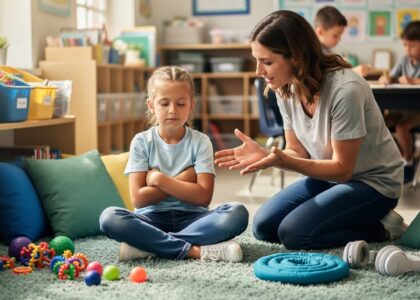
Encourage peer interaction through mixed-language groupings during activities, allowing children to support and learn from one another. Create designated spaces for quiet reflection and language practice, where children feel comfortable experimenting with both their home language and English.
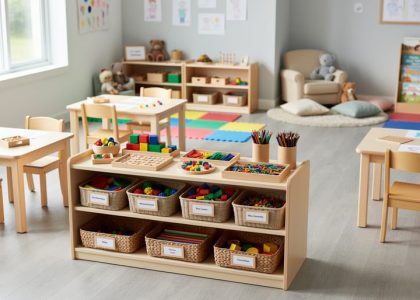
Set up learning centers with visual aids, manipulatives, and props that support communication across languages. Use gestures, facial expressions, and body language consistently to help convey meaning, and encourage children to do the same when communicating with peers.
Establish predictable daily routines with visual schedules and clear transitions, helping children feel secure and confident in their learning environment. Regularly communicate with families to incorporate culturally relevant materials and experiences into the classroom, demonstrating that all languages and cultures are respected and celebrated.
Remember to model acceptance and enthusiasm for linguistic diversity, creating an atmosphere where every child feels valued and empowered to participate fully in learning activities.

Effective Teaching Strategies
Successful teaching strategies for dual language learners require a thoughtful, multifaceted approach that embraces both languages while supporting overall development. Start by incorporating visual aids, gestures, and props to reinforce meaning and create connections between languages. Use labeled picture cards, interactive charts, and real objects to build vocabulary in both languages simultaneously.
Implement the “preview-review” method, where you introduce concepts in the child’s home language before teaching them in English, then review in both languages. This technique helps students grasp core concepts while building bridges between their languages. Create language-rich environments by incorporating songs, rhymes, and storytelling activities that celebrate both languages.
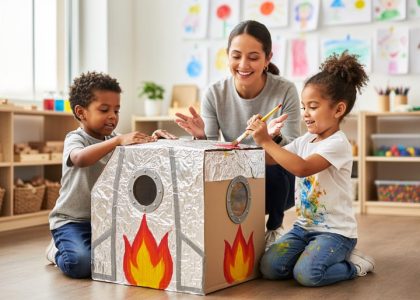
Utilize peer learning opportunities by pairing dual language learners with proficient speakers of both languages. This approach promotes natural language acquisition through social interaction and builds confidence in communication. Remember to give students adequate wait time when responding to questions, allowing them to process information in both languages.
Include families in the learning process by encouraging them to share cultural stories, songs, and traditions. This validates the home language while enriching the classroom experience for all students. Maintain consistent routines and use clear, simple instructions supported by visual cues to help students feel secure and understand expectations.
Always celebrate progress in both languages and create opportunities for students to demonstrate their knowledge using either language, focusing on comprehension rather than perfect expression.
Assessment and Progress Monitoring
Effective assessment of dual language learners requires a comprehensive approach that considers both languages and cultural contexts. Teachers should implement ongoing observation strategies, including anecdotal notes, language samples, and developmental checklists in both the home language and English.
Portfolio-based assessment proves particularly valuable, allowing educators to collect work samples, photos, and videos that demonstrate language development over time. This method provides a more complete picture of a child’s progress than traditional standardized testing alone.
Regular family input is essential for accurate assessment. Parents and caregivers can provide valuable insights about the child’s language use at home, cultural practices, and overall development. Consider using bilingual communication tools and translated materials to facilitate this partnership.
Key progress monitoring strategies include:
– Recording vocabulary growth in both languages
– Tracking comprehension through age-appropriate activities
– Monitoring social language development during peer interactions
– Documenting literacy skills development in both languages
Remember that language development patterns may differ from monolingual peers. Avoid comparing dual language learners to monolingual standards. Instead, focus on individual progress and celebrate growth in both languages.
Document progress using culturally responsive rubrics that acknowledge the unique journey of dual language acquisition. Regular team meetings with other educators, specialists, and family members help ensure comprehensive support and accurate progress monitoring.
Family Partnership and Cultural Integration

Family Engagement Strategies
Engaging families is crucial for supporting dual language learners’ success in early childhood settings. Effective family engagement strategies create meaningful partnerships between educators and families, fostering a supportive learning environment both at school and home.
Start by establishing regular, two-way communication channels with families using their preferred language. This might include bilingual newsletters, messaging apps, or face-to-face meetings with interpreters when needed. Create opportunities for families to share their cultural knowledge and language expertise in the classroom through storytelling, cooking demonstrations, or cultural celebrations.
Provide take-home materials in both languages to help families support learning at home. Simple activities like bilingual picture books, vocabulary cards, or cultural games can strengthen the home-school connection. Encourage families to maintain their home language while supporting English development, reassuring them that bilingualism is an asset.
Host family workshops focusing on dual language development and early literacy strategies. These sessions can demonstrate how everyday activities like mealtime conversations or bedtime stories support language learning in both languages. Consider creating a lending library of bilingual resources and organizing parent support groups where families can share experiences and strategies.
Remember to be flexible with scheduling and communication methods to accommodate diverse family situations and work schedules. This inclusive approach helps build trust and ensures all families can actively participate in their children’s learning journey.
Cultural Responsiveness
Creating an environment that honors and celebrates children’s cultural backgrounds is essential for supporting dual language learners. Cultural responsiveness in education goes beyond simply acknowledging differences; it involves actively incorporating children’s cultural experiences into daily learning activities.
Teachers can create culturally responsive classrooms by displaying multicultural materials, including books, music, and artwork that reflect the diverse backgrounds of their students. Learning centers should feature familiar objects from children’s home cultures, and dramatic play areas can include cultural clothing, cooking utensils, and props that children recognize from their homes.
Incorporating families’ traditions and celebrations into the curriculum helps children feel valued and creates meaningful connections between home and school. Teachers should invite family members to share stories, songs, and cultural practices, making these experiences an integral part of the learning environment.
Language itself is deeply connected to culture, so educators should encourage children to use their home languages during play and learning activities. This approach validates children’s linguistic heritage while building bridges to English acquisition. Labels and signs in multiple languages throughout the classroom reinforce the value of linguistic diversity and help create an inclusive atmosphere where all children feel welcomed and respected.
Resources and Support Systems
Professional Development Opportunities
Educators working with dual language learners can enhance their skills through various professional development pathways. Online courses, workshops, and webinars offer flexible learning opportunities focused on bilingual education strategies and cultural competency. Many local education agencies provide specialized training programs that combine theoretical knowledge with hands-on classroom application.
Joining professional learning communities dedicated to dual language education allows teachers to share experiences, resources, and best practices. These networks often include mentorship opportunities where experienced educators guide newcomers in implementing effective dual language teaching strategies.
Conferences and seminars, both virtual and in-person, provide valuable opportunities to learn from experts and connect with fellow educators. Many organizations offer certificates or credentials in dual language instruction, which can lead to career advancement and improved classroom outcomes.
Teachers can also benefit from collaborative planning sessions with bilingual specialists and cultural liaisons. These partnerships help develop culturally responsive teaching methods and create more inclusive learning environments. Regular reflection and peer observation sessions contribute to continuous professional growth and improved teaching practices for dual language learners.
Classroom Materials and Technology
Creating an effective dual language learning environment requires thoughtfully selected materials and technology that support multiple languages and cultures. Essential classroom resources include bilingual books, labeled picture cards, and multicultural learning manipulatives that reflect the languages represented in your classroom. Interactive educational technology tools such as language learning apps, audio recording devices, and dual-language digital stories can enhance engagement and provide additional language exposure.
Consider organizing your classroom with designated bilingual learning centers featuring audio stations, writing materials in multiple languages, and culturally relevant toys and props for dramatic play. Visual aids like alphabet charts, number cards, and common phrases should be displayed in both languages. Technology integration might include tablets with language learning software, interactive whiteboards for group activities, and recording devices for language practice.
Remember to rotate materials regularly to maintain interest and incorporate authentic cultural items shared by families to create meaningful connections between home and school languages.
Supporting dual language learners in early childhood is not just an educational responsibility but an opportunity to nurture the next generation of bilingual and culturally aware individuals. Throughout this discussion, we’ve explored the vital importance of creating inclusive, supportive environments that celebrate linguistic diversity and promote effective language development.
Remember that every step you take to support dual language learners has lasting impact. Whether implementing culturally responsive teaching strategies, partnering with families, or adapting classroom materials, your efforts contribute to building strong foundations for these young learners. The research consistently shows that children who maintain their home language while acquiring English demonstrate better academic outcomes and stronger cultural connections.
As you move forward, focus on creating language-rich environments that validate both home languages and English. Engage families as essential partners in the learning journey, and continuously reflect on and adjust your practices to meet the diverse needs of your students. Remember that progress may look different for each child, and celebrate the small victories along the way.
Consider joining professional learning communities or seeking additional training to enhance your skills in supporting dual language learners. The investment you make in understanding and implementing effective strategies will yield significant returns in your students’ development and success.
Together, we can create early childhood environments where all languages and cultures are valued, and every child has the opportunity to thrive.