Transform your kindergarten classroom into a mindfulness haven with simple yet powerful practices that nurture emotional awareness and self-regulation skills. Today’s young learners face unprecedented levels of stimulation and stress, making mindfulness techniques more crucial than ever for their developmental success.
Starting with just 5-10 minutes daily, mindfulness activities like “Sound Safari” and “Belly Buddy Breathing” can dramatically improve attention spans, reduce behavioral challenges, and create a more peaceful learning environment. These age-appropriate exercises help five- and six-year-olds develop essential self-awareness skills while having fun.
Research consistently shows that early exposure to mindfulness practices supports cognitive development, emotional regulation, and social skills – key foundations for kindergarten success. By incorporating these gentle, playful techniques into your daily routine, you’ll equip young learners with valuable coping strategies they can use throughout their academic journey and beyond.
Whether you’re new to mindfulness or looking to enhance your existing practice, this guide offers proven, classroom-tested activities that seamlessly integrate into your kindergarten schedule. Let’s explore how simple breathing exercises, movement-based meditation, and sensory awareness games can create positive, lasting impacts on your students’ wellbeing and learning outcomes.
Why Mindfulness Matters in Kindergarten
The Growing Brain and Mindfulness
During the early years, children’s brains undergo remarkable development, making kindergarten an ideal time to introduce mindfulness practices. Research shows that mindfulness activities support the growth of areas responsible for attention, emotional regulation, and decision-making. When children practice mindfulness regularly, they strengthen neural pathways that help them manage stress and process emotions more effectively.
Simple breathing exercises and guided imagery help activate the prefrontal cortex, which plays a crucial role in self-regulation and social behavior. This region of the brain continues to develop throughout childhood, and mindfulness activities can support its healthy growth. Children who engage in mindfulness show improved ability to focus, better emotional awareness, and enhanced problem-solving skills.
The practice of mindfulness also helps reduce stress hormones like cortisol, creating a more balanced environment for learning and development. When kindergarteners participate in regular mindfulness activities, they develop tools that support both immediate emotional regulation and long-term brain development. These early experiences lay the foundation for stronger executive function skills and emotional intelligence as children progress through their educational journey.
Social-Emotional Benefits
Mindfulness activities in kindergarten classrooms yield remarkable social and emotional benefits, helping create an inclusive learning environment where every child can thrive. Students who participate in regular mindfulness exercises show significant improvements in their ability to manage emotions and interact positively with peers.
Teachers often report decreased instances of classroom conflicts and improved problem-solving skills among students. Children become more adept at recognizing their own emotions and those of others, leading to enhanced empathy and compassion. This emotional awareness helps them develop stronger friendships and more meaningful peer relationships.
The practice also supports self-regulation skills, enabling children to respond thoughtfully rather than react impulsively to challenging situations. Students demonstrate increased attention spans, better listening skills, and more cooperative behavior during group activities. These improvements create a more harmonious classroom atmosphere where learning can flourish.
Additionally, mindfulness activities help children develop resilience and coping strategies for managing stress and anxiety, essential skills that benefit them both in and outside the classroom.
Quick and Easy Mindfulness Activities
Breathing Buddies
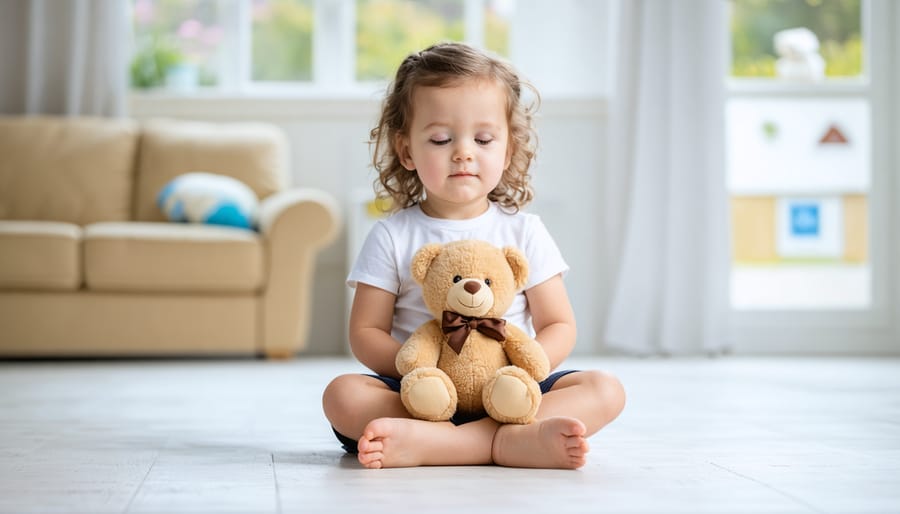
Breathing Buddies is a delightful activity that combines mindful breathing with a familiar comfort object, making it especially engaging for young learners. Have each student bring their favorite stuffed animal to class and find a comfortable spot to lie down. Ask them to place their stuffed animal on their belly and watch it move up and down as they breathe.
Guide students through gentle belly breathing by encouraging them to make their stuffed animal rise and fall slowly with each breath. Use child-friendly language like “Let’s help our buddy go on a gentle elevator ride” or “Watch your friend float like a boat on calm water.” This visual and tactile feedback helps children understand and focus on their breathing patterns.
To enhance engagement, invite students to give their breathing buddy a name and share how their buddy feels after the breathing exercise. This activity typically works best in 3-5 minute intervals and can be particularly effective during transition times or after high-energy activities. Consider keeping a few extra stuffed animals in your classroom for students who forget to bring one or need a backup buddy.
Mindful Movement Games
Movement-based mindfulness activities help kindergarteners develop body awareness while channeling their natural energy in productive ways. These simple games can be integrated throughout the school day, requiring minimal space and no special equipment.
“Butterfly Breathing” encourages children to flutter their arms like wings while taking deep breaths, combining gentle movement with breathing exercises. “Freeze Dance” allows students to move freely to music, then practice stillness and body awareness when the music stops.
The “Weather Report” activity invites children to act out different weather patterns with their bodies – swaying like trees in the wind or making rain movements with their fingers. This helps them connect physical sensations with emotional awareness.
“Animal Walks” lets students move like different creatures (tiger crawls, bunny hops, elephant stomps) while maintaining focus and control. “Mirror Movement” pairs students together, where one leads slow, deliberate movements while their partner mirrors them, promoting concentration and social connection.
These activities can be particularly effective during transition times or when students need to release excess energy while maintaining a calm classroom atmosphere.

Sensory Exploration Activities
Engaging children in sensory-rich learning experiences helps develop mindfulness naturally and enjoyably. Start with the “Rainbow Walk,” where students identify objects of different colors in their environment, encouraging visual awareness and focused attention. Follow with the “Sound Safari,” where children sit quietly for one minute and count different sounds they hear, from birds chirping to distant playground noises.
For tactile exploration, introduce the “Touch and Tell Box,” filled with items of various textures. Students reach in, feel an object, and describe its properties without looking. The “Mindful Smelling” activity uses child-safe scents like vanilla, lemon, or mint to practice conscious breathing while identifying different aromas.
Finally, incorporate taste awareness through the “Mindful Eating” exercise, using simple foods like raisins or apple slices. Guide students to notice the food’s appearance, smell, texture, and taste, taking slow, deliberate bites. These activities help children develop body awareness, emotional regulation, and appreciation for the present moment.
Quiet Time Rituals
Establishing consistent quiet time rituals helps kindergarteners transition smoothly between activities and develop self-regulation skills. Start by creating a peaceful corner in your classroom with soft cushions, stuffed animals, and calming sensory items. When it’s time to wind down, use gentle sound cues like a rain stick or soft chimes rather than verbal commands.
Guide students through simple relaxation exercises, such as “balloon breathing” where they imagine inflating and deflating a balloon with their breath. The “silent starfish” activity, where children spread their arms and legs while lying down, helps release physical tension during rest periods.
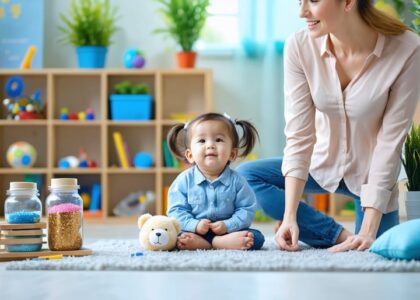
For transition times, introduce the “quiet walking” practice, where students move like peaceful animals – perhaps a butterfly or a gentle cat. Keep a collection of calming jars available for individual use, allowing children to watch glitter slowly settle as they regulate their emotions.
Remember to model these quiet behaviors yourself and praise students who demonstrate peaceful transitions. Consider playing soft instrumental music or nature sounds to create a consistently calm atmosphere during these periods.
Creating a Mindful Classroom Environment
The Calm Corner
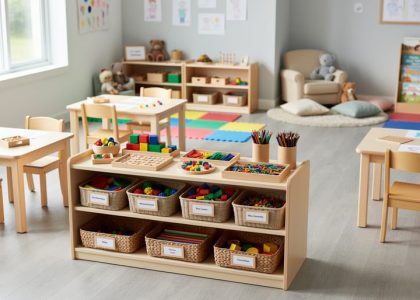
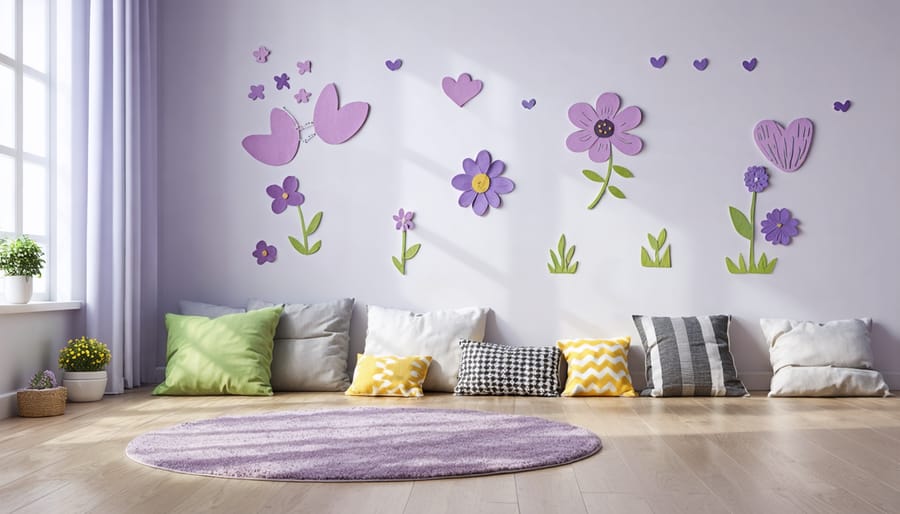
Creating a dedicated mindfulness space in your kindergarten classroom can significantly enhance your students’ ability to self-regulate and practice mindfulness effectively. Start by selecting a quiet corner away from high-traffic areas, transforming it into what many educators call “The Calm Corner.” This space should reflect a diverse classroom environment where all students feel welcome and represented.
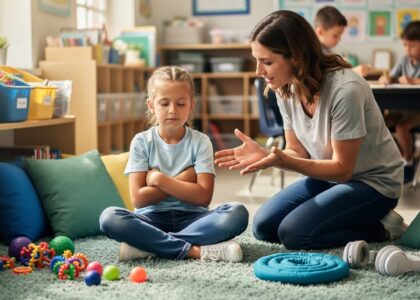
Essential elements for your Calm Corner should include comfortable seating options like floor cushions or bean bags, soft lighting (perhaps with battery-operated LED candles), and calming visual aids such as nature photos or peaceful artwork. Consider adding sensory tools like stress balls, finger labyrinths, or breathing balls that help children focus their energy and attention.
Storage solutions should keep materials organized and easily accessible. Include labeled bins for different calming tools, and display simple visual guides showing breathing exercises or gentle stretches. A small timer can help students track their mindfulness moments, while noise-canceling headphones can provide additional quiet space when needed.
Remember to introduce the space gradually, demonstrating proper use through modeling and guided practice. Establish clear guidelines for when and how students can access the area, ensuring it remains a respected space for reflection and emotional regulation rather than a play zone.
Daily Mindfulness Routines
Creating a consistent mindfulness routine helps kindergartners develop healthy self-regulation habits that last throughout their school day. Start each morning with a brief 2-3 minute breathing exercise during circle time. Guide students to place their hands on their bellies and feel them rise and fall with each breath, using simple phrases like “balloon up, balloon down.”
Incorporate mindful moments during key transition periods, such as after recess or before lunch. These can be as short as 30 seconds – just enough time for students to pause and reset. Use gentle chimes or bells to signal these moments, helping children associate the sound with becoming calm and centered.
Consider implementing a “peace corner” in your classroom where students can go when they need a quiet moment. Stock this area with sensory tools like stress balls, glitter jars, or breathing cards. Teach children how to use these tools independently when they feel overwhelmed.
Before afternoon activities, lead a brief body scan exercise where children lie down and notice different parts of their bodies, from toes to head. This helps them reconnect with themselves after lunch excitement. End each day with a gratitude practice, asking students to share one thing they’re thankful for.
Remember to model these practices yourself – when you demonstrate mindfulness, children naturally follow your lead. Keep routines simple and consistent, allowing your students to build confidence in their mindfulness skills over time.
Supporting Parents and Extending Practice
Take-Home Activities
Extending mindfulness beyond the classroom creates a supportive environment for children to practice these valuable skills at home. Share these simple activities with families to reinforce mindfulness learning:
The Gratitude Game: During dinner or bedtime, family members take turns sharing one thing they’re thankful for from their day. This builds appreciation and presence while strengthening family bonds.
Nature Walk Moments: Encourage families to take short walks together, asking children to notice three things they can see, hear, and feel. This enhances sensory awareness and connection with the environment.
Breathing Buddies: Families can practice belly breathing together using stuffed animals. Have children lie down, place their favorite toy on their belly, and watch it rise and fall as they breathe deeply.
Mindful Mealtimes: Suggest families practice mindful eating by taking time to observe their food’s colors, smells, and textures before eating. This develops focus and appreciation for daily experiences.
Bedtime Body Scan: Guide parents to lead their children through a gentle body relaxation exercise, starting from toes and moving up to the head, helping establish calm bedtime routines.
Provide a simple tracking sheet where families can record their mindfulness moments together, creating accountability and celebration of their practice.
Parent Communication
Clear communication with parents is essential for creating a supportive mindfulness practice that extends beyond the classroom. Start by sending home a newsletter explaining how mindfulness activities help children develop focus, emotional regulation, and stress management skills. Use simple, relatable examples like “just as we exercise our bodies, mindfulness exercises our minds.”
Create a weekly update highlighting the mindfulness activities practiced in class, along with suggestions for continuing these practices at home. For instance, share breathing exercises families can do together during bedtime or mindful walking activities for the park. Consider hosting a parent workshop where families can experience mindfulness activities firsthand and ask questions.
Provide take-home materials like simple mindfulness cards or a feelings chart that parents can reference. Address common concerns by emphasizing that mindfulness is secular and evidence-based. Encourage two-way communication by inviting parents to share their observations of how mindfulness affects their child at home. Remember to celebrate successes together and maintain an open dialogue about each child’s mindfulness journey.
Implementing mindfulness activities in your kindergarten classroom can create lasting positive impacts on your students’ emotional well-being, academic performance, and social skills. By incorporating these simple yet effective practices into your daily routine, you’re helping young learners develop essential self-regulation tools they’ll use throughout their lives.
Remember that consistency is key when introducing mindfulness to young children. Start small with basic breathing exercises and gradually expand to more complex activities as your students become comfortable with the practice. Be patient and celebrate small victories – even a few moments of focused attention is progress for kindergarteners.
The activities we’ve explored can be easily modified to suit your classroom’s unique needs and dynamics. Whether it’s using mindful movement during transition times, practicing gratitude during morning circle, or incorporating calm-down corners for emotional regulation, these strategies can be seamlessly integrated into your existing schedule.
Don’t forget to communicate with parents about your mindfulness initiatives. Share the benefits you’re observing and encourage them to try similar activities at home. This home-school connection reinforces the skills students are learning and creates a supportive environment for their mindfulness journey.
By making mindfulness a regular part of your kindergarten classroom, you’re not just teaching a skill – you’re nurturing lifelong habits that will help your students thrive emotionally and academically.