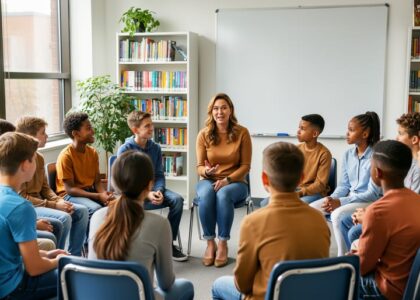
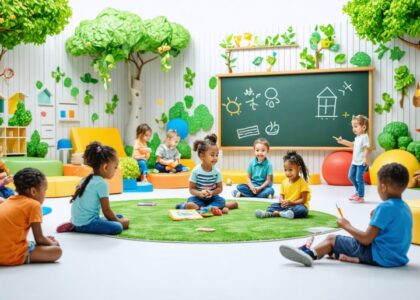
Nature-based learning transforms traditional education by moving beyond classroom walls and integrating the natural world as a dynamic teaching environment. Through experiential learning approaches, students develop deeper connections with their environment while mastering core academic concepts.
Research consistently demonstrates that nature-based education enhances cognitive development, improves attention spans, and reduces stress levels among students of all ages. Studies from leading educational institutions show that children who participate in outdoor learning programs demonstrate stronger problem-solving skills, increased scientific thinking, and better social-emotional development compared to their peers in traditional classroom settings.
This powerful educational approach doesn’t just benefit academic achievement – it nurtures environmental stewardship, builds resilience, and develops crucial 21st-century skills like critical thinking and collaboration. As educators face increasing pressure to prepare students for an uncertain future, nature-based learning offers a proven framework for engaging, effective, and holistic education that resonates with diverse learning styles and cultural perspectives.
Join thousands of educators worldwide who are reimagining education through the lens of nature-based learning, creating more meaningful and impactful learning experiences for their students.
Why Nature-Based Learning Works

Cognitive Benefits
Research consistently demonstrates that nature-based learning enhances cognitive development in multiple ways. Students who participate in outdoor learning experiences show marked improvements in attention span and focus, with studies indicating up to 20% better concentration levels when returning to indoor classroom activities.
The natural environment provides complex, multi-sensory experiences that stimulate critical thinking and problem-solving abilities. When children engage with natural materials and outdoor challenges, they develop stronger spatial awareness and reasoning skills. For example, calculating the height of trees, observing weather patterns, or planning garden layouts all reinforce mathematical and scientific thinking in practical, engaging ways.
Academic performance also benefits from nature-based learning approaches. Students who regularly participate in outdoor education programs show improved scores in science, mathematics, and language arts. This enhancement is particularly notable in writing assignments, where students draw from their direct experiences with nature to create more detailed and imaginative work.
Additionally, the varied learning environment outdoors naturally accommodates different learning styles, helping students who might struggle in traditional classroom settings to excel through hands-on exploration and discovery-based learning.
Social-Emotional Growth
Nature-based learning provides powerful opportunities for students to develop crucial social and emotional skills. When children engage with natural environments, they experience reduced stress levels and improved emotional regulation. Studies show that outdoor learning environments naturally encourage cooperation, problem-solving, and conflict resolution as students work together to explore and overcome challenges.
Students in nature-based programs often demonstrate increased empathy, not only towards their peers but also towards living things and the environment. Group activities like gardening, building outdoor shelters, or conducting nature observations foster collaboration and communication skills. These shared experiences help children develop stronger peer relationships and a sense of community.
The natural environment also serves as a calming space for students who may struggle with emotional regulation or anxiety. The unpredictable yet gentle rhythms of nature help children develop resilience and adaptability. Teachers frequently report that students who are typically reserved or struggling in traditional classroom settings often show increased confidence and social engagement during outdoor learning activities.
Additionally, nature-based learning supports the development of emotional intelligence as students learn to recognize and express their feelings about their experiences in nature.
Implementing Nature-Based Learning in Your Classroom
Creating Outdoor Learning Spaces
Creating effective outdoor learning spaces requires thoughtful planning to establish a personalized learning environment that engages students with nature while supporting educational objectives. Start by identifying suitable areas within your school grounds that offer both shade and sun exposure, ensuring accessibility for all students regardless of physical abilities.
Consider incorporating various natural elements such as garden beds, weather-resistant seating arrangements, and designated exploration zones. Basic elements should include:
– A gathering space with log seats or weather-resistant benches arranged in a circle
– Natural materials for hands-on learning (rocks, leaves, branches)
– Protected areas for wildlife observation
– Garden spaces for growing projects
– Weather station setup points
– Storage solutions for outdoor learning materials
Ensure safety by conducting regular site assessments and establishing clear boundaries. Add simple features like portable whiteboards or clipboards for writing surfaces, and create designated spaces for different activities like quiet reflection, group work, and scientific observation.
Remember to include proper drainage systems and consider seasonal changes when designing your space. Install weather protection elements like shade sails or natural canopies where possible. Keep the design flexible to accommodate different teaching styles and learning activities throughout the year. Involve students in the planning and maintenance process to foster ownership and environmental stewardship.

Cross-Curricular Integration
Nature-based learning seamlessly integrates with multiple subject areas, creating rich, interconnected learning experiences. In mathematics, students can collect and analyze data from nature walks, measure tree circumferences, or calculate growth patterns in plants. These hands-on activities make abstract concepts tangible and meaningful.
Science classes naturally benefit from outdoor exploration, where students can study ecosystems, conduct weather observations, and examine plant and animal life cycles firsthand. The natural environment serves as a living laboratory for scientific inquiry and discovery.
Language arts come alive through nature journaling, descriptive writing about outdoor observations, and reading environmental literature. Students can craft poetry inspired by natural elements or write persuasive essays about environmental conservation.
Social studies connections emerge through studying local geography, mapping natural resources, and exploring how different cultures interact with their environment. Historical perspectives on land use and environmental change provide context for current conservation efforts.
Art classes can utilize natural materials for projects, sketch outdoor scenes, or create environmental sculptures. Music teachers can incorporate natural sounds into compositions or study how different cultures use nature-inspired instruments.
Physical education naturally extends to outdoor activities like hiking, garden maintenance, and nature-based games. These activities promote both physical fitness and environmental awareness while developing gross motor skills.
Even technology classes can integrate nature through digital nature photography, creating wildlife documentaries, or using apps for species identification and data collection.
Assessment Strategies
Assessing student learning in nature-based environments requires a flexible and holistic approach that differs from traditional classroom evaluation methods. Educators can implement personalized assessment strategies that capture both academic growth and social-emotional development.
Observation-based assessment plays a crucial role, with teachers maintaining detailed journals of student interactions, problem-solving approaches, and collaborative skills during outdoor activities. Digital portfolios, where students document their nature experiences through photos, drawings, and reflective writings, provide tangible evidence of learning and growth over time.
Performance-based assessments work particularly well in nature settings, allowing students to demonstrate their understanding through hands-on projects, such as creating nature guides, conducting environmental surveys, or designing sustainable garden spaces. Rubrics specifically designed for outdoor learning can help evaluate both process and outcome.
Self-assessment tools encourage students to reflect on their experiences and learning journey. Simple rating scales, learning journals, and peer feedback sessions can help students develop metacognitive skills while engaging with nature. Regular check-ins and group discussions provide opportunities for immediate feedback and adjustment of learning strategies.
Remember that assessment should be ongoing and integrated naturally into outdoor activities, rather than feeling like an interruption to the learning experience. This approach ensures authentic evaluation while maintaining the engaging and exploratory nature of outdoor learning.
Overcoming Common Challenges
Weather and Seasonal Considerations
Nature-based learning can thrive in any weather or season with proper planning and preparation. Each season offers unique learning opportunities, from studying plant life cycles in spring to exploring animal adaptations in winter. The key is to embrace weather as part of the learning experience rather than viewing it as an obstacle.
In warmer months, focus on activities like gardening, insect observation, and water cycle studies. Create shaded outdoor learning spaces and schedule activities during cooler parts of the day. Ensure students have access to water, sun protection, and appropriate clothing.
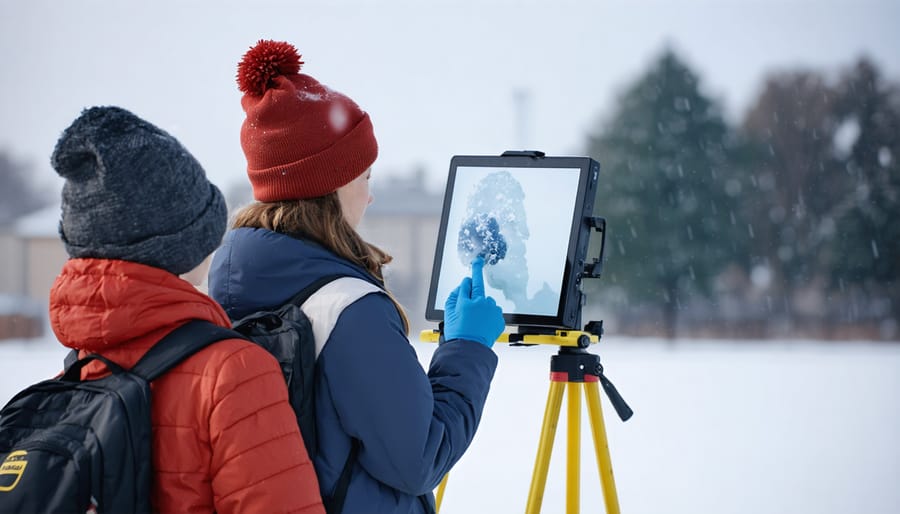
During colder seasons, shorter outdoor sessions can be combined with indoor nature activities. Students can collect natural materials during brief outdoor explorations and use them for indoor projects. Winter offers excellent opportunities to study weather patterns, track animals in the snow, and observe seasonal changes in local ecosystems.
Rainy days present perfect chances to learn about weather systems, water flow, and soil composition. Equip your outdoor learning space with basic weather protection like awnings or portable shelters. Maintain a collection of weather-appropriate gear for students who may need it, including rain boots and weatherproof jackets.
Remember to communicate clearly with families about weather preparations and maintain flexible plans that can adapt to changing conditions. Create indoor alternatives that still incorporate natural elements when extreme weather makes outdoor learning unsafe. This approach ensures nature-based learning remains engaging and accessible throughout the year.
Safety and Risk Management
When implementing nature-based learning activities, safety must be a top priority. Begin by conducting thorough site assessments of outdoor learning spaces, identifying potential hazards such as poisonous plants, uneven terrain, or water bodies. Create clear boundaries and establish designated areas for different activities.
Develop comprehensive safety protocols that include emergency procedures, first-aid requirements, and communication systems. Ensure all supervising staff are trained in outdoor safety and first aid. Maintain appropriate adult-to-student ratios based on age groups and activity types.
Weather considerations are crucial – establish guidelines for different weather conditions and have backup plans ready. Provide families with appropriate clothing and equipment lists, ensuring students are prepared for outdoor learning in various conditions.
Consider students with diverse needs and medical conditions, creating inclusive safety plans that address individual requirements. Keep emergency contact information and medical records easily accessible during outdoor sessions.
Implement a buddy system and regular headcounts during activities. Teach students basic outdoor safety rules and environmental awareness, making it an integral part of their learning experience. Regular safety drills and clear signal systems help maintain order during outdoor activities.
Document all safety procedures and incidents, regularly reviewing and updating protocols based on experience and feedback. Create partnerships with local emergency services and maintain open communication with families about safety measures.
Risk management doesn’t mean eliminating all risks – instead, focus on creating a balance between safety and allowing children to engage in meaningful learning experiences that support their development.
Resources and Support
To support your nature-based learning journey, numerous organizations and resources are available to help you get started and maintain momentum. The North American Association for Environmental Education (NAAEE) offers comprehensive educator toolkits, curriculum guides, and professional development opportunities specifically designed for nature-based education. Their online learning platform provides both free and premium resources that can help you integrate outdoor learning into your existing curriculum.
For hands-on support, organizations like Project Learning Tree and Project WET offer specialized training workshops and ready-to-use lesson plans. These programs emphasize community integration and environmental stewardship while aligning with academic standards.
Digital platforms like iNaturalist and Project Noah provide free mobile apps that support species identification and citizen science projects. These tools can transform outdoor exploration into engaging learning experiences while building students’ technological literacy.
Professional development opportunities include:
– Nature-based teaching certificates through universities and environmental centers
– Online webinars and virtual workshops focusing on outdoor classroom management
– Regional conferences connecting educators with similar interests
– Mentorship programs pairing experienced nature educators with newcomers
Local resources often prove invaluable:
– State parks and nature centers offering educational programs
– Botanical gardens providing teacher training and field trip opportunities
– Environmental education centers with lending libraries of equipment and materials
– Local naturalist groups willing to share expertise with schools
Many organizations also provide grant opportunities to fund outdoor classroom development, natural play spaces, and professional development. The Children & Nature Network maintains an updated database of funding sources and regularly shares success stories from schools implementing nature-based programs.
Remember to join online communities and social media groups dedicated to nature-based learning. These platforms offer spaces to share experiences, ask questions, and find inspiration from fellow educators on similar journeys.
Nature-based learning represents a powerful shift in educational practices that can transform how students engage with their environment and academic content. Throughout this guide, we’ve explored the numerous benefits of outdoor education, from enhanced cognitive development and improved physical health to stronger social-emotional skills and deeper environmental awareness.
By implementing nature-based learning strategies, educators can create meaningful connections between classroom curriculum and the natural world. Whether through simple activities like outdoor journaling and nature walks, or more complex projects like school gardens and wilderness exploration programs, the opportunities for enriched learning experiences are boundless.
Remember that transitioning to nature-based learning doesn’t require a complete overhaul of your teaching methods. Start small, build confidence, and gradually expand your outdoor educational activities. Use the resources, lesson plans, and implementation strategies provided to create a personalized approach that works for your specific classroom context.
As you embark on this journey, stay connected with other educators who share your passion for nature-based learning. Join professional development opportunities, participate in community forums, and share your experiences with colleagues. Your commitment to incorporating nature-based learning will help nurture the next generation of environmentally conscious, well-rounded learners who understand their connection to the natural world.
Take the first step today. Your students’ educational experience will be richer for it, and you’ll be contributing to a more sustainable and engaged approach to education.