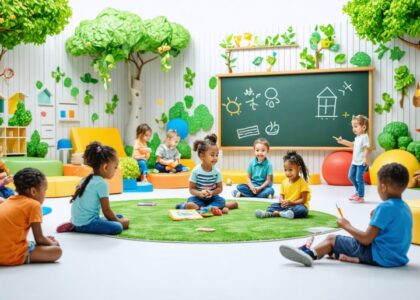
Transform your traditional classroom into a dynamic learning environment through community integration and real-world instruction. Community-based instruction curriculum bridges the gap between academic theory and practical application, empowering students to develop essential life skills while mastering core academic standards.
Today’s educators recognize that authentic learning extends beyond classroom walls. By connecting students with local businesses, civic organizations, and community services, this instructional approach creates meaningful experiences that enhance retention, boost engagement, and develop crucial social-emotional competencies. Research shows students in community-based programs demonstrate improved problem-solving abilities, stronger communication skills, and increased motivation to learn.
Whether you’re a veteran teacher or new to experiential learning, implementing a community-based curriculum transforms abstract concepts into tangible experiences. This comprehensive guide provides practical strategies, proven frameworks, and essential resources to help you design, implement, and assess effective community-based learning experiences that meet diverse student needs while satisfying educational requirements.
Let’s explore how to create powerful connections between classroom instruction and real-world application, ensuring every student has the opportunity to thrive through authentic, community-centered learning experiences.
What Makes Community-Based Instruction Different?
Real-World Learning Environments
Community settings provide authentic learning environments where students can apply academic concepts to practical situations through real-world education. Local businesses, public services, and community organizations become natural classrooms where students learn essential life skills while engaging with their community members.
These environments offer immediate feedback and natural consequences that reinforce learning in ways traditional classrooms cannot replicate. For example, students practice math skills while shopping at grocery stores, develop communication abilities through interactions with service providers, and build social skills while navigating public spaces.
The community becomes an extension of the classroom, offering diverse learning opportunities across various settings:
– Retail stores for money management and social interactions
– Public transportation for navigation and independence
– Restaurants for ordering, budgeting, and social etiquette
– Libraries for research and community resource utilization
– Parks and recreational facilities for leisure skills development
These natural environments help students develop confidence, independence, and practical skills while fostering meaningful connections within their community. The authentic nature of these experiences makes learning more engaging and memorable for students of all abilities.

Authentic Skill Development
Through community-based instruction, students develop authentic, practical skills that directly translate to real-world success. When learners engage with local businesses, organizations, and community members, they acquire valuable competencies such as communication, problem-solving, and social interaction in genuine contexts.
Students learn to navigate public transportation, handle money during transactions, and follow workplace protocols through hands-on experiences. These interactions help them develop crucial life skills like time management, appropriate social behavior, and professional etiquette. For example, a student working at a local grocery store learns customer service skills, inventory management, and proper cash handling procedures.
The beauty of this approach lies in its immediate relevance. Rather than simulating scenarios in a classroom, students experience real-world consequences and rewards for their actions. They learn to adapt to different social situations, understand workplace expectations, and develop self-advocacy skills naturally.
Additionally, students build confidence through repeated successful interactions in various community settings. This confidence often transfers to other areas of their lives, creating a positive cycle of growth and achievement. The skills gained through these experiences form a strong foundation for future employment and independent living.
Building Your Community-Based Curriculum

Community Partnership Development
Building strong partnerships with local organizations is essential for a successful community-based instruction program. Start by identifying potential partners who align with your educational goals, such as local businesses, non-profit organizations, government agencies, and community centers. Create a database of these potential partners, including their contact information and potential learning opportunities they could offer.
When approaching potential partners, prepare a clear presentation that outlines the benefits of collaboration for both parties. Emphasize how their involvement helps students develop real-world skills while also benefiting their organization through community engagement and potential future workforce development.
Establish formal agreements that clearly define expectations, responsibilities, and safety protocols. These agreements should cover logistics like scheduling, supervision requirements, and communication channels. Consider creating a partnership coordinator role within your school to maintain these relationships and ensure smooth operations.
Regular communication is key to maintaining these partnerships. Schedule periodic check-ins to address concerns, celebrate successes, and adjust programs as needed. Show appreciation for your partners through recognition events, student thank-you projects, or featuring them in school communications.
Remember to start small and gradually expand your network. Beginning with a few strong partnerships allows you to develop successful models that can be replicated as your program grows. Document successful partnerships to create case studies that can help secure future collaborations.
Safety and Logistics Planning
Safety should always be the top priority when planning community-based instruction activities. Begin by conducting thorough risk assessments of all potential learning sites and create detailed emergency response plans. Establish clear communication protocols between school staff, students, parents, and community partners.
Develop a comprehensive logistics checklist that includes transportation arrangements, necessary permissions and waivers, medical information, and emergency contact details for all participants. Consider accessibility needs and ensure appropriate accommodations are in place for students with disabilities.
Create a mobile emergency kit containing first aid supplies, student medical information, and contact details. Train all supervising staff in emergency procedures and ensure they have immediate access to communication devices. Establish a buddy system among students and maintain appropriate staff-to-student ratios based on your group’s specific needs.
Consider weather conditions and seasonal factors when planning activities. Have backup plans ready for unexpected situations. Document all safety procedures and maintain updated records of student medical conditions and emergency contacts.
Regular safety drills and reviews of emergency procedures help ensure everyone knows what to do in various situations. Build relationships with local emergency services and familiarize them with your program’s activities and locations. This proactive approach to safety planning helps create a secure learning environment while maximizing the educational benefits of community-based instruction.
Assessment Strategies
Effective assessment in community-based instruction requires a balanced approach that combines traditional evaluation methods with real-world performance measures. Teachers should implement both formative and summative assessments that align with each student’s personalized education plan and community learning objectives.
Key assessment strategies include:
Direct observation using structured checklists to monitor student performance in community settings
Task analysis breakdowns to evaluate specific skill development
Digital portfolios documenting student progress through photos and videos
Behavior tracking sheets to record social interactions and problem-solving abilities
Self-assessment tools allowing students to reflect on their experiences
Community partner feedback forms to gather input from workplace supervisors
Regular data collection should focus on both skill acquisition and generalization across different community settings. Teachers can use rubrics that measure progress in areas such as communication, task completion, social skills, and independence. These assessments should be ongoing and adjustable, allowing educators to modify instruction based on student performance.
It’s important to celebrate small victories and document incremental progress, as students often develop skills at different rates in community settings. Assessment results should be shared regularly with students, families, and community partners to maintain transparency and support collaborative goal-setting.
Success Stories and Best Practices
Case Study: Urban School Integration
Lincoln Heights Elementary School in Cincinnati provides an inspiring example of successful urban community-based instruction. The school partnered with local businesses, cultural centers, and community organizations to create meaningful learning experiences for their students, particularly those with diverse learning needs.
The program began when teachers noticed students struggling to connect classroom lessons with real-world applications. Working with the local chamber of commerce, they identified 15 businesses willing to provide structured learning opportunities. These partnerships included a grocery store that helped teach math and budgeting skills, a local library that supported literacy programs, and a community garden that integrated science lessons.
What made Lincoln Heights’ approach particularly successful was their systematic implementation. They started with twice-monthly community visits for small groups of students, gradually expanding to weekly excursions. Teachers worked directly with business partners to align activities with curriculum standards and student IEP goals.
The results were remarkable. After two years, participating students showed improved social skills, greater independence in community settings, and better academic performance. Perhaps most significantly, several local businesses hired program graduates for part-time positions, creating a sustainable pathway to employment.
The program’s success led to its adoption by other schools in the district, demonstrating how urban schools can effectively leverage community resources to enhance student learning and life skills development.
Case Study: Rural Community Engagement
The Hillside School District in rural Montana demonstrates how community-based instruction can thrive in small-town settings. Through their “Connected Communities” program, educators partnered with local farmers, small business owners, and community organizations to create meaningful learning experiences for students in grades 6-12.
The program began when teachers noticed students struggling to connect classroom learning with real-world applications. They reached out to local community members, who enthusiastically offered their workplaces as learning laboratories. Students now rotate through various community placements, including the local hardware store for practical math applications, family farms for hands-on science lessons, and the community library for literacy projects.
What makes this program particularly successful is its emphasis on reciprocal relationships. Students don’t just learn from community partners; they contribute meaningful work. For example, high school students developed a digital inventory system for the hardware store, while middle school students created educational materials for the local historical society.
The program has yielded impressive results, with a 40% increase in student engagement and improved academic performance across core subjects. Perhaps more importantly, it has strengthened community bonds, with many students finding mentors and future employment opportunities through their placements.
Key success factors included regular communication between teachers and community partners, flexible scheduling to accommodate both school and business needs, and clear learning objectives for each placement.
Overcoming Common Challenges
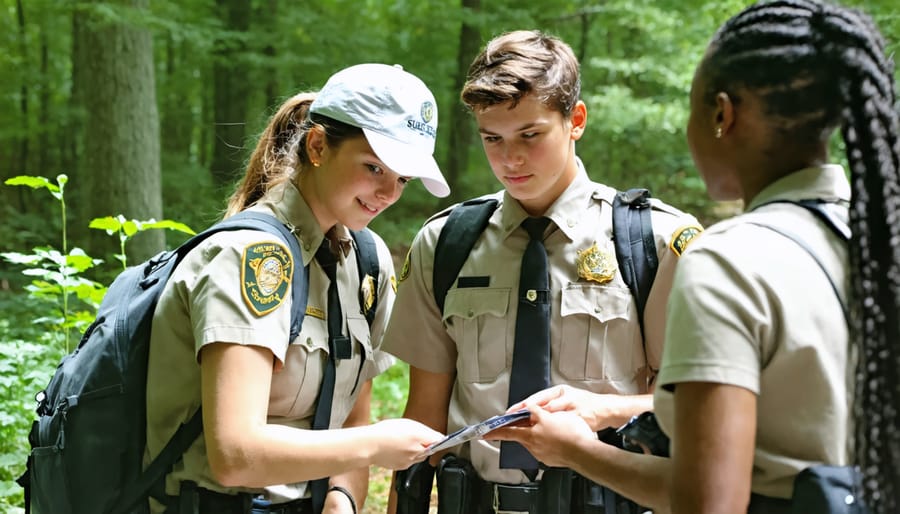
Implementing community-based instruction comes with its challenges, but with proper planning and support, these obstacles can be effectively addressed. Let’s explore practical solutions to common hurdles educators face when developing and maintaining these programs.
Transportation logistics often present the first major challenge. Schools can overcome this by partnering with local transportation services, coordinating with parent volunteers, or establishing relationships with nearby businesses willing to host learning experiences within walking distance. Creating a rotating schedule of community sites can also help manage transportation costs and logistics more efficiently.
Securing community partnerships might seem daunting initially. Start by reaching out to businesses and organizations that have previously shown interest in educational initiatives. Develop clear communication materials outlining the mutual benefits of participation, and consider appointing a dedicated coordinator to maintain these relationships. Remember that addressing cultural and linguistic diversity in your outreach efforts can help build more inclusive partnerships.
Budget constraints can limit program scope, but creative solutions exist. Apply for educational grants, organize fundraising events, or implement a phased approach that starts small and expands over time. Many community partners may also be willing to provide services or resources at reduced costs or pro bono when they understand the educational impact.
Safety concerns often worry administrators and parents. Develop comprehensive safety protocols, ensure proper insurance coverage, and maintain appropriate student-to-staff ratios. Conduct thorough site assessments before visits and prepare detailed emergency response plans. Regular safety training for staff and clear communication with families can help build confidence in the program.
Curriculum alignment challenges can be addressed by creating detailed documentation that maps community activities to academic standards. Work collaboratively with fellow teachers to identify natural connections between community experiences and classroom learning objectives. Regular assessment and feedback loops help ensure that community-based activities effectively support educational goals.
Time management issues can be resolved through careful scheduling and integration with existing curricula. Consider block scheduling or dedicated community learning days to maximize efficiency. Building flexibility into the program allows for adjustments based on weather, community partner availability, and other variables.
Community-based instruction curriculum represents a powerful approach to creating meaningful, real-world learning experiences for students. Throughout this guide, we’ve explored how this educational model bridges the gap between classroom learning and practical life skills, preparing students for successful community integration and independence.
Remember that implementing a community-based instruction program doesn’t have to happen all at once. Start small, perhaps with one class or group of students, and gradually expand as you build partnerships and refine your approach. The key is to remain flexible and responsive to both student needs and community opportunities.
Your role as an educator in this process is invaluable. By connecting classroom concepts to real-world experiences, you’re not just teaching academic content – you’re building confident, capable individuals who can navigate their communities successfully.
We encourage you to take the first steps in implementing community-based instruction in your educational setting. Start by identifying potential community partners, assessing your students’ needs, and developing initial learning objectives. Remember that resources and support are available through professional networks, educational forums, and your local community.
The future of education lies in creating these meaningful connections between schools and communities. By embracing community-based instruction, you’re not just transforming your teaching practice – you’re helping to shape capable, confident, and independent members of society.