
Every student deserves equal access to technology and the skills to use it effectively, yet vast disparities persist in schools across the country. A digital equity coordinator serves as the dedicated champion who transforms this vision into reality, working systematically to close technology gaps that prevent students from reaching their full potential.
This emerging role addresses digital equity challenges by coordinating device distribution, ensuring internet connectivity reaches every household, developing culturally responsive digital literacy programs, and training educators to integrate technology meaningfully across all classrooms. Rather than treating technology access as an IT problem alone, digital equity coordinators approach it as a comprehensive educational justice issue that requires collaboration across departments, families, and community partners.
Whether your district is considering creating this position or you’re seeking to understand how a digital equity coordinator can strengthen your school’s mission, this role represents a strategic investment in leveling the playing field for all learners. As remote learning becomes standard rather than exceptional and digital skills grow increasingly essential for college and career readiness, having someone specifically focused on equitable technology implementation isn’t just beneficial—it’s necessary.
The following guide explores what digital equity coordinators do, why their work matters now more than ever, and how schools can implement this role effectively to ensure every student has the tools and training needed to thrive in our digital world.
What Is a Digital Equity Coordinator?
Core Responsibilities in Educational Settings
In K-12 educational settings, digital equity coordinators serve as essential advocates and strategists who ensure all students and staff have meaningful access to technology and digital learning opportunities. These professionals begin by conducting comprehensive technology audits across their districts or schools, identifying gaps in device availability, internet connectivity, and digital literacy skills among different student populations and staff members.
A central responsibility involves designing and implementing training programs that meet diverse needs. This means creating professional development sessions for teachers at varying comfort levels with technology, from those just learning basic tools to educators ready to integrate advanced digital platforms. The coordinator tailors these programs to ensure no one feels left behind, often offering multiple learning pathways and ongoing support.
Monitoring access remains a continuous priority. Digital equity coordinators track which students lack reliable internet at home, which families need device support, and where infrastructure improvements are necessary. They analyze data to understand patterns of digital exclusion and use these insights to drive decision-making.
Advocacy forms another crucial dimension of the role. These coordinators work with administrators, school boards, and community partners to secure funding for technology initiatives. They champion policies that prioritize equitable distribution of resources and help stakeholders understand how digital access directly impacts student achievement and staff effectiveness.
Through regular communication with teachers and families, digital equity coordinators build trust and gather feedback, ensuring their strategies remain responsive to actual classroom and home needs rather than assumptions about what might work.
Skills and Qualifications That Matter
Successful digital equity coordinators bring together a unique blend of technical knowledge, instructional insight, and interpersonal skills. On the technical side, you’ll need a solid understanding of educational technology tools, learning management systems, and basic troubleshooting—though you don’t need to be an IT expert. What matters more is your ability to bridge the gap between technology and teaching.
Strong communication skills are essential. You’ll work with diverse stakeholders, from teachers who may feel overwhelmed by technology to families navigating device access at home. Cultural competency and the ability to listen without judgment help build trust across your school community.
Equally important are analytical skills to assess technology gaps, evaluate resource distribution, and track progress toward equity goals. Project management abilities help you coordinate professional development, manage device distribution programs, and implement sustainable solutions.
The most effective coordinators demonstrate empathy, patience, and creative problem-solving. You’ll encounter barriers ranging from limited budgets to varying comfort levels with technology. Your role requires advocating for underserved students while empowering educators to embrace new tools confidently. A background in education, instructional design, or community outreach provides valuable context for understanding how digital access directly impacts student learning and achievement.
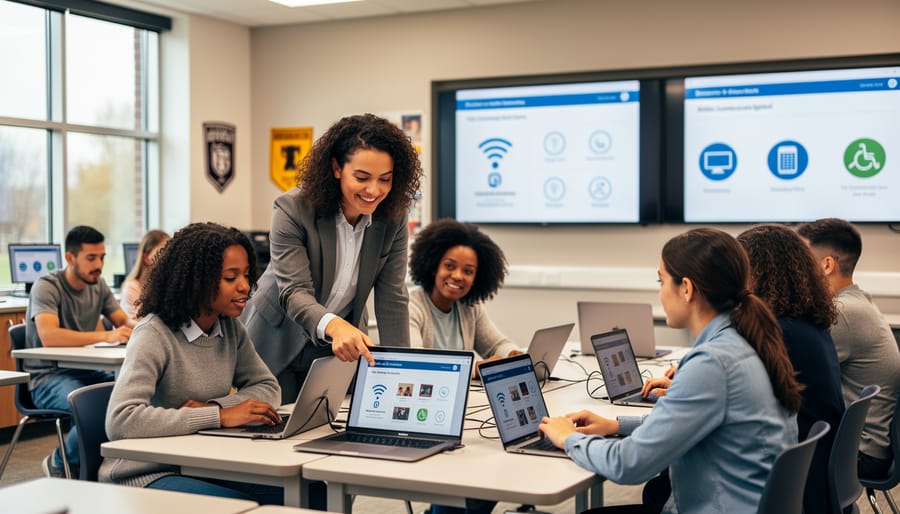
The Digital Divide in Educator Professional Development
Common Barriers Educators Face
Despite best intentions, educators across K-12 schools encounter significant obstacles when working toward digital equity. Understanding these barriers is the first step in developing effective solutions.
One of the most visible challenges is insufficient access to devices. Many schools struggle to provide one-to-one technology ratios, leaving students sharing outdated equipment or bringing their own devices, which creates inconsistencies in learning experiences. Even when devices are available, unreliable internet connectivity—both at school and in students’ homes—disrupts learning and makes it difficult to implement consistent digital curricula.
Technology literacy presents another layer of complexity. While some educators feel confident integrating digital tools, others need additional support to effectively use technology in their teaching practice. This skill gap extends beyond classroom instruction to include understanding how to troubleshoot basic technical issues and guide students through digital platforms.
Time constraints compound these challenges significantly. Teachers already balancing lesson planning, grading, and student support often find it overwhelming to add technology integration and professional development to their responsibilities. Without dedicated time for learning and implementation, even well-intentioned digital initiatives can falter.
Access to quality professional development remains inconsistent across districts. Many educators report that available training doesn’t address their specific needs or provide ongoing support for bridging the digital divide. This gap makes it difficult for schools to build sustainable technology programs that serve all students equitably. Recognizing these barriers allows digital equity coordinators to design targeted interventions that address real classroom challenges.
The Real Cost of Inequitable Training
When professional development opportunities aren’t equally distributed across your school or district, the consequences extend far beyond individual teachers. Research shows that educators with limited access to quality training often experience higher stress levels and feel less prepared to meet diverse student needs, directly impacting classroom effectiveness.
Students bear the most significant burden of inequitable training. Teachers who lack current pedagogical training or technology skills may struggle to differentiate instruction, integrate digital tools effectively, or address various learning styles. This gap particularly affects students in under-resourced schools, widening existing achievement disparities.
Teacher retention suffers dramatically in environments where professional growth opportunities feel like privileges rather than rights. When some staff members receive cutting-edge training while others make do with outdated resources, resentment builds and talented educators seek more supportive environments. The resulting turnover disrupts school continuity and strains remaining staff.
School culture takes a hit too. Inequitable access to development opportunities creates visible divides between “haves” and “have-nots,” undermining collaboration and trust. This fragmentation prevents the collective growth necessary for systemic improvement, leaving entire learning communities struggling to move forward together.
How Digital Equity Coordinators Transform Workplace Training
Conducting Comprehensive Needs Assessments
Understanding where your school or district stands is the essential first step toward meaningful change. A comprehensive needs assessment helps you see the full picture of digital equity challenges affecting your educators.
Start by gathering input directly from your staff through anonymous surveys that explore access to devices, internet connectivity at home, and comfort levels with various technologies. Create space for honest responses by asking open-ended questions about barriers they face in implementing digital tools in their classrooms.
Analyze existing data from multiple sources: professional development attendance records, technology support tickets, and classroom observation notes. Look for patterns that reveal which educator groups may need additional support. Are newer teachers struggling differently than veterans? Do certain grade levels or subject areas face unique challenges?
Host listening sessions or community forums where educators can share experiences in their own words. These conversations often uncover needs that surveys miss, such as language barriers, accessibility concerns, or cultural factors affecting technology adoption.
Remember to disaggregate your data by demographics, role, location, and experience level. This breakdown ensures you’re not overlooking the needs of smaller groups within your educator population. Your assessment should paint a clear picture of who needs what, when, and why—forming the foundation for targeted, effective equity initiatives.
Designing Accessible Training Programs
Digital equity coordinators understand that one-size-fits-all professional development rarely works. Instead, they design effective teacher training programs that meet educators where they are, both literally and figuratively.
These coordinators create flexible learning pathways by offering multiple formats for the same content. A training on digital assessment tools might be available as a live workshop, a recorded video series, a step-by-step guide with screenshots, or even a peer coaching session. This multi-modal approach ensures teachers can engage with material in ways that fit their learning preferences and busy schedules.
Accessibility extends beyond format variety. Coordinators schedule sessions at different times, including after school, during planning periods, and even asynchronously for those who need to learn at their own pace. They also consider technology access by providing offline resources, loaner devices for practice, and options to attend from home or school.
For educators with limited bandwidth or older devices, coordinators develop low-tech alternatives and ensure all video content includes captions and transcripts. They create supportive learning communities through interactive tools and forums where teachers can ask questions, share successes, and troubleshoot challenges together without judgment.
By removing barriers to participation, digital equity coordinators ensure every educator can build their digital skills confidently, regardless of their starting point, schedule constraints, or technology access.
Building Support Systems and Resources
Digital equity coordinators create sustainable support structures that extend far beyond initial training sessions. These systems ensure educators and students have continuous access to the technology resources and guidance they need to thrive.
Mentoring programs pair tech-confident staff members with colleagues who need additional support, fostering a collaborative culture where everyone grows together. These relationships build confidence and create natural opportunities for ongoing learning in comfortable, judgment-free environments.
Tech lending libraries provide temporary access to devices, hotspots, and adaptive technologies, ensuring no student or educator is left behind due to resource limitations. Coordinators manage these programs, tracking equipment and identifying usage patterns that inform future purchasing decisions.
Peer learning communities bring educators together regularly to share successes, troubleshoot challenges, and explore new tools. These forums create safe spaces where teachers can admit struggles without embarrassment and celebrate small victories together. Coordinators facilitate these gatherings, providing structure while encouraging organic knowledge sharing.
Many coordinators also establish online help desks, tutorial libraries, and quick-reference guides tailored to their district’s specific tools and platforms. By connecting these resources directly to digital equity training initiatives, they ensure support remains accessible whenever and wherever educators need it, building long-term capacity throughout the organization.

Implementing Digital Equity Initiatives in Your District
Making the Case to Stakeholders
When presenting the digital equity coordinator role to decision-makers, lead with student impact. Research shows that students with equitable technology access demonstrate higher engagement rates and improved learning outcomes across all subject areas. This position directly addresses achievement gaps by ensuring every student has the tools and connectivity needed to succeed in digital learning environments.
Frame the role as a strategic investment rather than an expense. Digital equity coordinators reduce long-term costs by streamlining technology purchases, preventing duplicative efforts across schools, and maximizing existing resources. They also position your district to compete effectively for state and federal grants specifically designated for digital equity initiatives, often recovering their salary costs through successful funding applications.
Emphasize community-wide benefits to gain broader support. A digital equity coordinator serves as a bridge between schools and families, building trust while addressing technology barriers that affect homework completion and family-school communication. This role demonstrates your district’s commitment to serving all students equitably, strengthening your reputation and community partnerships.
Present concrete metrics for measuring success: increased device-to-student ratios, improved broadband access rates, reduced technology-related help desk tickets, and enhanced participation in online learning opportunities. These measurable outcomes provide accountability and demonstrate the position’s tangible value to your educational community.

Starting Small: First Steps Without a Full-Time Coordinator
Not every district has the resources to hire a dedicated digital equity coordinator right away, but that shouldn’t stop you from taking meaningful steps toward digital equity. Starting small can create significant impact while building momentum for future growth.
Begin by forming a voluntary equity committee with passionate staff members who care about closing opportunity gaps. This group can meet monthly to assess current digital access challenges, review data on technology usage, and identify students who need additional support. Include diverse voices—teachers, counselors, librarians, and IT staff—to gain multiple perspectives on existing barriers.
Consider designating existing staff members as equity champions within their departments or grade levels. These champions can serve as points of contact for equity concerns and help spread awareness about available technology solutions. Provide them with professional development opportunities through free webinars or online courses focused on digital equity principles.
Conduct a simple technology audit using free survey tools to understand what devices and internet access your students have at home. This baseline data helps prioritize which initiatives will make the biggest difference for your community.
Start documenting your equity efforts in a shared digital space where staff can contribute ideas, share success stories, and collaborate on solutions. Even without a full-time coordinator, these grassroots efforts establish a foundation for equity work and demonstrate commitment to stakeholders. As your initiatives show results, you’ll build a stronger case for dedicating additional resources to this critical work.
Measuring Success and Impact
Evaluating your digital equity initiatives requires a thoughtful blend of data collection methods that capture the full picture of your impact. Start by tracking quantitative metrics such as participation rates in professional development programs, completion rates across different staff demographics, and technology access levels before and after interventions. Monitor how many educators are utilizing new digital tools in their classrooms and track student engagement metrics that may correlate with improved teacher technology skills.
Beyond the numbers, qualitative measures provide essential context about your program’s effectiveness. Conduct regular surveys asking educators about their confidence levels with technology integration and their perceived barriers to digital access. Host focus groups that bring together diverse voices from your community, including teachers at different career stages, support staff, and administrators. These conversations often reveal insights that data alone cannot capture, such as cultural factors affecting technology adoption or unmet needs in specific subject areas.
Consider implementing a digital equity audit framework that assesses progress quarterly. This might include tracking professional development hours disaggregated by role and experience level, analyzing resource allocation patterns, and documenting changes in teaching practices. Create feedback loops where educators can share their experiences through anonymous channels, ensuring you hear from those who might hesitate to speak up in formal settings.
Remember that measuring success isn’t just about proving impact to stakeholders. It’s about continuously learning and adjusting your approach to better serve your community. Celebrate small wins, such as a teacher successfully integrating a new platform or a reluctant technology user becoming a peer mentor. These stories, combined with solid data, demonstrate the transformative power of your digital equity work and help sustain momentum for ongoing improvements.
The path toward digital equity in our schools isn’t just an administrative priority—it’s a fundamental commitment to every educator in your system. Digital equity coordinators serve as catalysts for change, ensuring that professional growth opportunities aren’t determined by zip code, school budget, or access to technology. When we invest in this role, we invest in teachers who deserve the same high-quality training and digital resources regardless of where they teach.
This isn’t work that falls solely on one person’s shoulders. Creating equitable educational workplaces requires collective action from district leaders, school administrators, technology departments, and educators themselves. Each of us has a role to play in identifying barriers, advocating for resources, and supporting colleagues who face technology challenges. Start by examining your own context: What disparities exist in your building or district? Which educators are being left behind in professional development opportunities? How can you leverage existing resources more equitably?
The good news is that addressing digital equity doesn’t always require substantial new funding. Often, it requires intentional coordination, thoughtful redistribution of existing tools, and a commitment to inclusive planning. Whether your district is ready to hire a dedicated digital equity coordinator or you’re taking incremental steps toward fairer training access, the important thing is to begin.
The future of education depends on educators who are empowered, supported, and equipped with the skills they need. By championing digital equity today, we’re building learning communities where every teacher can thrive and every student benefits from well-trained, confident educators.