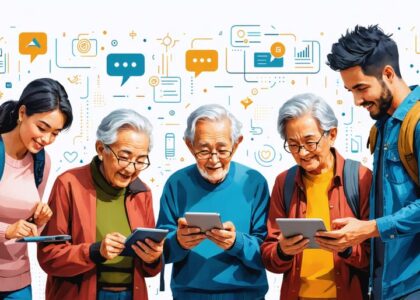
Digital inclusion has emerged as a critical social determinant of health, fundamentally shaping how individuals access healthcare, manage chronic conditions, and participate in preventive care. In today’s increasingly connected world, the ability to access and effectively use digital technologies directly impacts health outcomes across all age groups and demographics. Research shows that individuals with limited digital access or skills face significant barriers to health information, telehealth services, and essential online resources that support well-being.
For educators, understanding this connection is particularly crucial as we prepare students for a digitally integrated healthcare landscape. The digital divide doesn’t just represent a technology gap – it reflects deeper social inequities that can lead to adverse health outcomes. When students lack digital access or skills, they miss opportunities to develop health literacy, connect with healthcare providers, and access vital health resources that increasingly exist primarily online.
The intersection of digital inclusion and health equity presents both challenges and opportunities for educational institutions. By addressing digital literacy in our classrooms, we’re not just teaching technical skills – we’re empowering students with tools essential for their long-term health and well-being. This relationship between digital access, health literacy, and overall wellness underscores the urgent need for comprehensive digital inclusion strategies in educational settings.
As we explore this vital connection, educators must recognize their unique position to influence both immediate and future health outcomes through digital empowerment initiatives.
The Digital Divide’s Impact on Health Literacy

Technology Barriers in Healthcare Access
Older adults often face significant challenges when attempting to access digital health resources, creating barriers that can directly impact their healthcare outcomes. Understanding these obstacles is crucial for educators working to support tech access for older adults in their communities.
Physical limitations, such as reduced vision or limited motor control, can make it difficult to navigate digital devices and healthcare portals. Many seniors struggle with small text, complex menus, and touch-sensitive screens that require precise movements. Additionally, cognitive challenges may affect their ability to remember passwords or follow multi-step processes required for telehealth appointments.
Limited digital literacy presents another significant barrier. Many older adults didn’t grow up with technology and may feel overwhelmed by the rapid shift toward digital healthcare services. This can lead to anxiety about using online platforms and resistance to adopting new technologies, even when they could benefit from these services.
Financial constraints also play a crucial role, as many seniors live on fixed incomes and may not be able to afford devices, internet service, or digital health subscriptions. The combination of these barriers can create a cycle of exclusion that affects both their access to healthcare information and their ability to participate in modern healthcare delivery systems.
Understanding these challenges helps educators develop more effective support strategies and ensure that digital health resources are accessible to all age groups.
Health Information Gaps in the Digital Age
In today’s healthcare landscape, limited internet access creates significant knowledge gaps that directly impact health outcomes. When individuals lack reliable internet connectivity or digital literacy skills, they face barriers in accessing crucial health information, from preventive care guidelines to managing chronic conditions.
These disparities are particularly evident in underserved communities, where limited digital access compounds existing healthcare challenges. Without reliable internet, individuals may miss important health alerts, struggle to understand medical conditions, or face difficulties scheduling appointments through online portals. This digital divide often results in delayed care and reduced health literacy, ultimately affecting overall well-being.
The impact extends beyond basic health information. Many healthcare providers now use patient portals and telehealth services to deliver care efficiently. Those without digital access may miss opportunities for virtual consultations, medication reminders, and important test results. This creates a two-tiered system where digitally connected individuals receive more comprehensive care while others face increased health risks.
For educators, understanding these gaps is crucial as they often serve as bridges between families and health resources. Schools can play a vital role in addressing these disparities by providing digital literacy training, sharing healthcare information through multiple channels, and connecting families with community resources that offer internet access. By recognizing and addressing these information gaps, educators can help ensure all students and their families have equitable access to essential health knowledge.
Digital Inclusion as a Health Determinant
Telehealth Access and Outcomes
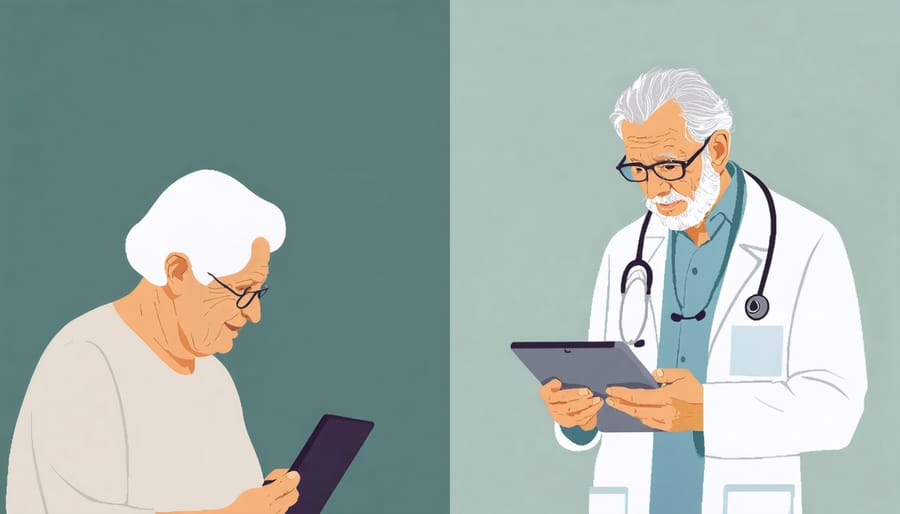
The rise of telehealth services has transformed healthcare delivery, but its effectiveness heavily depends on patients’ digital literacy and access to technology. Research shows that individuals with limited digital skills or inadequate internet access are less likely to utilize telehealth services, potentially missing out on crucial medical care and health monitoring opportunities.
Studies indicate that patients who regularly engage with telehealth services report better medication adherence, improved chronic disease management, and increased satisfaction with their healthcare experience. However, these benefits are not equally distributed across all populations. Elderly individuals, those in rural areas, and communities with limited technological resources often face significant barriers in accessing and effectively using telehealth platforms.
Digital literacy plays a crucial role in telehealth outcomes. Patients need to navigate video conferencing tools, patient portals, and digital health monitoring devices. Those who struggle with these technologies may experience anxiety, frustration, and reduced quality of care. This highlights the importance of digital skills training and support systems in healthcare settings.
Healthcare providers are increasingly implementing digital literacy programs and offering technical support to improve telehealth accessibility. These initiatives include guided platform tutorials, practice sessions, and simplified user interfaces. When patients receive appropriate digital support, telehealth utilization rates increase, and health outcomes improve.
Educational institutions can play a vital role by incorporating digital health literacy into their curriculum, helping prepare the next generation for effective engagement with telehealth services. This proactive approach ensures that future patients can fully benefit from digital healthcare innovations.
Social Connection and Mental Health
Digital tools play a vital role in maintaining mental well-being by enabling meaningful social connections, particularly important for individuals who may face physical or geographical barriers to in-person interaction. Research shows that regular social interaction through digital platforms can help reduce feelings of isolation and depression, while increasing overall life satisfaction.
Video calls, social media, and messaging apps allow people to maintain close relationships with family and friends, participate in support groups, and engage with their communities, regardless of distance or mobility constraints. For students and elderly individuals especially, these digital connections can provide emotional support, reduce anxiety, and create a sense of belonging during challenging times.
However, it’s crucial to recognize that the quality of digital social interactions matters more than quantity. Meaningful online engagement involves active participation, genuine communication, and purposeful connection rather than passive scrolling or superficial interactions. Educational communities can foster these meaningful connections by creating structured online spaces for collaboration, peer support, and shared learning experiences.
Digital literacy education should include guidance on healthy online social practices, including:
– Setting boundaries for screen time
– Identifying and joining supportive online communities
– Using digital tools for effective communication
– Recognizing signs of digital fatigue
– Balancing online and offline social interactions
When implemented thoughtfully, digital social connections can complement in-person relationships and contribute significantly to mental health resilience, particularly for those who might otherwise experience social isolation.
Classroom Strategies for Digital Health Equity
Teaching Digital Health Literacy
Teaching digital health literacy requires a multi-faceted approach that combines traditional educational methods with innovative technology integration. By implementing differentiated instruction with technology, educators can meet students where they are and build their confidence in navigating digital health resources.
Start by introducing basic concepts through hands-on activities with common health applications and websites. Students can practice searching for reliable health information, scheduling virtual appointments, and using health tracking tools. These practical exercises help develop critical thinking skills while building technological competence.
Incorporate digital literacy tools that simulate real-world health scenarios, allowing students to practice in a safe, controlled environment. Role-playing exercises can include navigating patient portals, interpreting electronic health records, and identifying credible online health resources.
Create collaborative projects that encourage peer learning and support. Students can work together to develop health information campaigns, evaluate health apps, or create tutorials for common digital health tools. This approach builds both technical skills and health awareness while fostering community engagement.
Remember to address diverse learning needs by providing multiple entry points and scaffolded support. Some students may need extra guidance with basic digital skills, while others might be ready for more advanced applications. Regular assessment and feedback help ensure all students are progressing in their digital health literacy journey.
Partner with school nurses and health educators to integrate authentic health scenarios into digital literacy instruction. This connection helps students understand the real-world importance of digital health skills and their impact on personal wellness.
Consider hosting family workshops to extend learning beyond the classroom. When families develop digital health literacy together, it strengthens the support system and increases the likelihood of sustained engagement with digital health resources.

Building Community Support Networks
Building strong community support networks is essential for promoting digital inclusion and better health outcomes. Schools can serve as central hubs for developing these networks by connecting students, families, and community resources. Start by establishing partnerships with local libraries, senior centers, and community organizations that can provide additional digital access points and support services.
Create mentorship programs where tech-savvy students can assist older community members with digital health tools. This intergenerational approach not only helps bridge the digital divide but also fosters valuable social connections. Consider organizing regular “Digital Health Literacy Nights” where families can learn together about accessing healthcare resources online, using telehealth platforms, and managing digital health records.
Develop a resource-sharing network among local schools to ensure equitable access to digital health tools. This might include lending programs for devices, mobile hotspots, or educational materials. Establish virtual support groups where community members can share experiences, ask questions, and help each other navigate digital health challenges.
Partner with healthcare providers to create educational workshops that demonstrate how to use patient portals, schedule appointments online, and access virtual health services. These sessions should be offered in multiple languages and accommodate various learning styles and accessibility needs.
Leverage social media and online platforms to maintain continuous communication and support. Create moderated online forums where community members can discuss digital health topics, share resources, and provide peer support. Remember to include offline support options for those still developing their digital skills.
Encourage local businesses and organizations to contribute to digital inclusion efforts through sponsorships, device donations, or technical support services. Build a volunteer network of digital health ambassadors who can provide one-on-one assistance to community members struggling with technology.
Finally, establish regular feedback mechanisms to understand community needs and adjust support services accordingly. This ensures that the network remains responsive and effective in supporting digital health inclusion for all community members.
As educators, we stand at a crucial intersection between digital literacy and public health. Throughout this article, we’ve explored how digital inclusion directly impacts health outcomes and why it matters in our educational settings. The evidence is clear: when we help our students develop digital skills and ensure equitable access to technology, we’re not just preparing them for academic success – we’re investing in their long-term health and well-being.
Our role extends beyond traditional classroom instruction. By incorporating digital health literacy into our curriculum and ensuring all students have meaningful access to technology, we’re helping to close the digital divide that contributes to health disparities. Remember that small steps can lead to significant changes – whether it’s introducing health-related apps in your lessons, teaching students how to evaluate online health information, or advocating for better technology access in your school district.
Moving forward, let’s commit to several key actions. First, regularly assess your students’ digital access needs and abilities. Second, integrate digital health tools into your lesson plans when appropriate. Third, collaborate with colleagues to share resources and best practices. Fourth, engage with families to extend digital learning beyond the classroom walls.
Consider joining online educator communities focused on digital inclusion or partnering with local organizations that provide technology resources. Share your successes and challenges with fellow educators – your experiences can help others develop more inclusive teaching practices.
The connection between digital inclusion and health outcomes will only grow stronger as healthcare becomes increasingly digitized. By taking action today, we’re helping to ensure that all our students have the skills and access they need to manage their health effectively in the future.
Let’s embrace our role as digital inclusion advocates. Every step we take toward digital equity is a step toward better health outcomes for our students and their communities. Together, we can create a more inclusive digital future that supports the health and well-being of all learners.