
Transform your college admissions advising by building a four-year roadmap that begins in ninth grade, mapping backward from application deadlines to identify critical milestones for testing, coursework, and exploration activities. This systematic approach ensures no student falls through the cracks while allowing you to allocate counseling resources strategically across all grade levels.
Establish a data-informed student profile system that tracks academic performance, extracurricular involvement, and demonstrated interests rather than relying solely on standardized test scores. Create structured check-in protocols at least twice annually where students reflect on their goals, achievements, and evolving college criteria, empowering them to own their journey while you provide expert guidance.
Develop college list-building frameworks that emphasize fit over prestige by teaching students to evaluate institutions across dimensions like academic programs, campus culture, financial accessibility, and career outcomes. Train students to research beyond rankings using primary sources such as department websites, student blogs, and virtual tours, helping them articulate authentic reasons for their choices.
Implement peer mentoring systems where upperclassmen guide younger students through the process, multiplying your impact while building a sustainable college-going culture within your school community. These relationships demystify the application experience and create lasting support networks that extend beyond your office walls.
By shifting from reactive individual counseling to proactive systems design, you create scalable strategies that serve entire student populations equitably, regardless of your counselor-to-student ratio or resource constraints.
The Reality Gap: What High Schools Miss About Modern College Admissions
Why Student-to-Counselor Ratios Make Personalized Advising Nearly Impossible
The reality facing most school counselors is sobering: the national average student-to-counselor ratio hovers around 430-to-1, nearly double the recommended 250-to-1 ratio. This means even the most dedicated counselors struggle to provide individualized college admissions guidance to every student who needs it.
When counselors juggle hundreds of students alongside responsibilities like crisis intervention, course scheduling, and testing coordination, the time available for personalized college planning becomes extremely limited. Many students receive only a handful of brief meetings throughout their high school career, making it challenging to develop comprehensive strategies tailored to individual strengths and aspirations.
Understanding how firms like Command Education approach college advising at scale offers valuable insights for educators. These consulting strategies aren’t about replacing the essential work you do, but rather about identifying systematic approaches that can stretch your impact further.
By examining proven frameworks used in professional advising settings, you can develop scalable systems within your school. This might include creating standardized timelines that students can follow independently, building peer mentoring programs, or developing digital resources that provide baseline guidance while freeing your time for students who need the most support. The goal is making your expertise accessible to more students without sacrificing quality or burning out in the process.
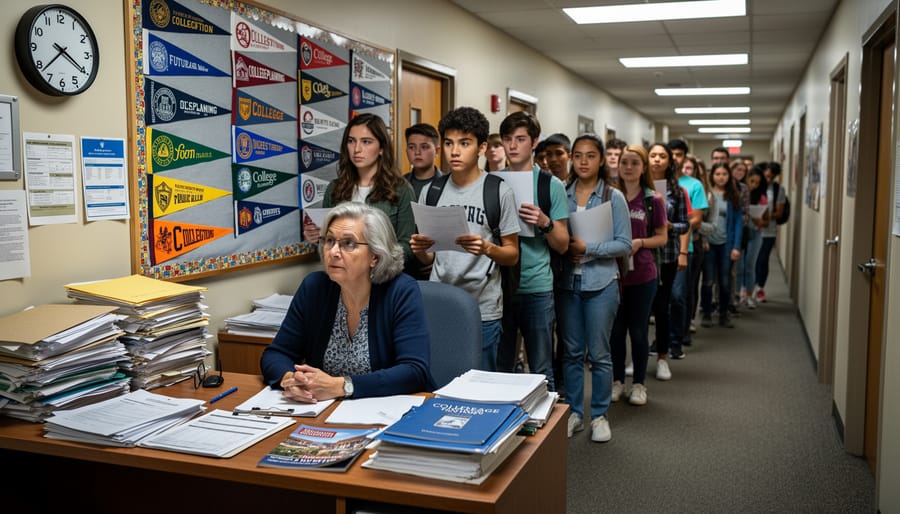
The Hidden Components Students (and Teachers) Often Overlook
Beyond stellar transcripts and test scores, successful college applications weave together several often-overlooked components that create a compelling student narrative. Help your students understand that admissions officers read holistically, seeking authentic stories rather than achievement lists.
Demonstrated interest matters more than many realize. Encourage students to attend virtual campus tours, connect with admissions representatives at college fairs, and engage thoughtfully with university communications. These touchpoints signal genuine enthusiasm and help students make informed decisions about fit.
Narrative coherence across application components strengthens candidacy significantly. The essay, activity descriptions, and supplemental responses should tell a consistent story about who the student is and what they value. Guide students to identify connecting threads in their experiences rather than simply cataloging accomplishments.
Letters of recommendation gain impact when students thoughtfully select recommenders who can speak to different dimensions of their character and contributions. Coach students on how to approach teachers professionally and provide helpful context about their goals.
The often-underestimated “Why Us?” supplemental essays require genuine research and reflection. Students should articulate specific programs, opportunities, and values that align with their aspirations rather than offering generic praise.
Finally, help students recognize that authenticity trumps perfection. Admissions committees value self-awareness, growth mindsets, and genuine passion over manufactured profiles designed to impress.
Strategic Timeline Planning: Starting the Conversation Early
Freshman and Sophomore Years: Building the Foundation
The freshman and sophomore years represent a crucial window for establishing strong academic habits and beginning meaningful exploration. During this foundation-building phase, focus on guiding students toward rigorous course selections that challenge them appropriately while maintaining balance. Encourage enrollment in honors or advanced classes in subjects where students demonstrate genuine interest and capability, rather than pursuing rigor for its own sake.
Help students develop essential organizational and time management skills through classroom structures and assignments that mirror college-level expectations. Introduce them to various academic disciplines, career pathways, and extracurricular opportunities through exploratory activities you can embed within existing curricula. Consider creating mini-research projects where students investigate different fields or conducting informational interviews with professionals in various careers.
This is also the ideal time to begin building awareness about the college landscape without creating pressure. Facilitate discussions about different types of colleges, majors, and educational paths during advisory periods or relevant class sessions. Encourage students to reflect on their learning preferences, strengths, and interests through journaling or portfolio activities. By normalizing college conversations early and framing them as ongoing exploration rather than high-stakes decisions, you create a supportive environment where students can develop self-awareness and begin forming preliminary goals that will guide their later planning.
Junior Year: The Critical Pivot Point
Junior year represents the most pivotal period in the college admissions timeline, and your guidance during these crucial months can profoundly impact students’ outcomes. This is when planning transforms into action, and educators play an essential role in helping students navigate multiple intersecting priorities.
Begin by establishing a clear testing timeline with students in early fall. Help them understand the differences between SAT and ACT formats, and guide them toward test-optional considerations where appropriate. Encourage practice tests and realistic score goal-setting that aligns with their college aspirations. Remember that testing is just one component of preparing for post-high school studies.
By winter, shift focus to building balanced college lists. Teach students the reach-target-safety framework while emphasizing fit over prestige. Facilitate conversations about financial considerations, geographic preferences, and academic programs. Create classroom activities where students research institutions and share discoveries with peers.
Spring brings summer planning opportunities. Guide students toward meaningful experiences—whether employment, volunteer work, academic programs, or family responsibilities. Help them understand that authentic engagement matters more than resume-padding.
Throughout this year, maintain regular check-ins and celebrate progress. Your consistent support helps students stay organized, manage stress, and approach this transformative period with confidence rather than anxiety.
Senior Year: Supporting Students Through Application Season
Senior year brings heightened emotions and tight deadlines, but you can support students effectively without burning out. Start by creating structured checkpoints rather than micromanaging every detail. Establish a shared calendar with key deadlines and host brief group check-ins where students can share progress and troubleshoot together. This builds community while reducing individual meetings.
Focus your one-on-one time strategically. Prioritize students who need the most support or are applying to highly selective programs, and empower other students through peer mentorship programs where seniors who’ve completed applications guide those still working. Consider organizing application workshops during lunch or after school where students work alongside each other—the collaborative environment often reduces anxiety.
Remember that emotional support matters as much as logistical help. Normalize the stress students feel and celebrate small wins throughout the process. Create a resource hub with essay examples, financial aid tutorials, and FAQ documents that students can access independently. Finally, protect your own boundaries by setting clear office hours and response times. When you model healthy work-life balance, you teach students valuable lessons about managing intense periods while maintaining their well-being.
Building a Distinctive Student Profile: What Consultants Know That Educators Should Too
The ‘Spike’ Versus ‘Well-Rounded’ Debate
The “spike versus well-rounded” debate has long divided college admissions conversations, but the truth is less binary than many believe. Rather than forcing students into one category, help them develop a thoughtful balance that reflects genuine interests.
Start by having honest conversations with students about their passions. Where do they naturally spend their free time? What topics spark extended curiosity? These answers often reveal authentic areas for deeper exploration. Encourage students to pursue 2-3 substantive interests rather than spreading themselves across a dozen superficial activities. A student passionate about environmental science might conduct independent research, lead a school sustainability initiative, and volunteer with local conservation groups—demonstrating depth without abandoning other pursuits.
Simultaneously, maintain expectations for strong academic coursework across disciplines. Colleges value intellectual curiosity and the ability to engage with diverse subjects. The goal is selective depth, not tunnel vision.
Guide students to view their activities through a narrative lens: How do their choices tell a coherent story? This approach moves beyond checkbox thinking toward authentic self-presentation. Remember, the most compelling applications showcase students who pursued meaningful engagement in areas they genuinely care about while maintaining academic excellence across their studies.
Connecting Classroom Work to College Applications
Help students document their academic journey throughout high school by creating portfolio systems that capture meaningful work samples, project reflections, and growth narratives. Encourage them to maintain running lists of accomplishments, challenges overcome, and skills developed in each course. When students complete significant assignments or projects, guide them through reflection questions that connect their work to larger themes, personal values, and future aspirations.
Create classroom activities where students practice translating academic experiences into compelling narratives. For example, after a group project, facilitate discussions about leadership roles, problem-solving approaches, and collaborative skills demonstrated. These conversations help students recognize transferable competencies they can articulate in applications.
Connect coursework to real-world applications by highlighting how classroom learning relates to internship opportunities, community involvement, and career pathways. Build regular check-ins where students identify application-worthy moments from their academic work, ensuring they see themselves as active creators of their college narrative rather than passive participants in the admissions process.
Empowering Students to Own Their Narrative
Students often struggle to see their own unique strengths and experiences as valuable college application material. Your role is to guide them in discovering and articulating their authentic narrative. Begin with reflective exercises that help students identify pivotal moments, challenges they’ve overcome, and values that drive their decisions. Create a safe space where students can explore their interests without judgment, encouraging them to move beyond what they think admissions officers want to hear.
Use storytelling frameworks to help students structure their experiences meaningfully. Teach them to connect seemingly unrelated activities through common themes, showing how their robotics club involvement and volunteer tutoring both reflect their passion for problem-solving and community impact. Provide sentence starters and journaling prompts that encourage deeper reflection rather than surface-level responses.
Consider establishing peer review circles where students share drafts and provide supportive feedback. This builds confidence and helps students recognize that their authentic voice resonates more powerfully than polished perfection. Remember that diverse backgrounds bring diverse stories—celebrate the richness of each student’s unique perspective and help them see their experiences as assets, not obstacles.
Essay and Personal Statement Support: Your Role as an Educator
Teaching Reflective Writing Skills Throughout High School
Building strong reflective writing skills shouldn’t begin in senior year when college essays loom. Instead, weave these competencies throughout your high school curriculum starting in ninth grade. English classes provide natural entry points: ask students to write personal narratives exploring moments of growth, challenge, or change. Encourage them to move beyond surface-level descriptions to examine why experiences mattered and what they learned.
History and social studies courses offer opportunities for perspective-taking and analytical reflection. After studying historical events, have students write about how these connect to their own communities or values. Science classes can incorporate lab reflections where students consider their problem-solving approaches and learning processes.
Create low-stakes writing opportunities through regular journaling or response papers. Provide clear feedback on depth of reflection rather than just mechanics. Use peer workshops where students practice giving constructive feedback, building their revision skills and critical thinking simultaneously.
Develop a schoolwide writing portfolio system where students collect and reflect on their work across years. This creates a foundation of material they can draw from when crafting college essays. By normalizing reflective writing as an ongoing practice rather than a high-pressure senior year task, you empower students to develop authentic voices and meaningful stories naturally. Consider hosting community forums where teachers share successful reflection prompts and strategies across departments.
When to Help and When to Step Back
Finding the right balance between supporting students and preserving their authentic voice is essential in college admissions advising. Your role is to guide, not to write for them. When reviewing essays or applications, focus on asking questions that help students clarify their thinking rather than providing direct answers. Questions like “What specific moment made you feel this way?” or “How did this experience change your perspective?” empower students to dig deeper into their own stories.
Step back when you find yourself rewriting sentences or inserting your own ideas. Colleges want to hear the student’s voice, not an adult’s polished prose. If you notice repetitive grammar corrections, consider referring students to writing centers or peer review sessions where they can develop these skills independently.
Provide meaningful feedback by pointing out where arguments need strengthening, where examples would enhance their narrative, or where their unique perspective could shine through more clearly. Use comment tools in shared documents to create a conversation rather than making direct edits.
Remember that struggle is part of the learning process. When students work through challenges themselves, they develop critical thinking skills that will serve them throughout college. Your guidance should build their confidence and competence, preparing them not just for admission, but for success beyond it. Create open office hours or peer mentoring systems where students can access support while maintaining ownership of their work.
Financial Aid and Affordability: Conversations That Change Lives
Demystifying Net Price Calculators and Financial Aid Forms
Financial aid resources can feel overwhelming, but you can guide families through them with simple, practical approaches. Start by introducing the Net Price Calculator available on every college website—this free tool estimates what a family might actually pay after financial aid, making college costs more transparent and less intimidating.
Create a step-by-step guide for completing the Free Application for Federal Student Aid (FAFSA) and CSS Profile, breaking down each section into manageable tasks. Host informal information sessions where families can ask questions in a supportive environment. Consider partnering with local financial aid officers who can present to your school community.
Provide families with a checklist of documents they’ll need, such as tax returns and income statements, well before deadlines. Emphasize that most families qualify for some form of aid and encourage everyone to apply regardless of perceived income levels.
Developing strong parent communication strategies ensures families feel comfortable reaching out when confused. Remember, you don’t need to be a financial expert—your role is connecting families with resources and demystifying the process. Share online tutorials, college board resources, and state-specific aid programs that families can explore at their own pace.
Expanding Beyond ‘Brand Name’ Schools
Help your students look beyond household-name universities by introducing them to a broader landscape of excellent institutions. Many students fixate on a handful of highly selective schools without realizing that lesser-known colleges often provide superior outcomes, smaller class sizes, and more generous financial aid packages.
Start by sharing data-driven resources that showcase diverse institutions. Colleges That Change Lives, regional liberal arts colleges, and public honors programs frequently offer exceptional education at more accessible price points. Create activities where students explore schools based on specific program strengths, campus culture, or career outcomes rather than prestige rankings alone.
Encourage students to consider institutions where their academic profile places them in the top tier of applicants. These schools often compete for strong students through merit scholarships and special opportunities like research positions or study abroad funding. This strategic approach frequently results in better financial packages and more personalized attention.
Develop a school culture that celebrates diverse college choices. Feature alumni panels highlighting successful graduates from various institutions, not just the most selective ones. Use interactive comparison tools during advising sessions to help students evaluate actual fit factors like retention rates, graduate school placement, and alumni satisfaction. By broadening their horizons, you empower students to find schools where they’ll truly thrive academically, socially, and financially.
Creating Schoolwide Systems That Support All Students

Peer Mentoring and Near-Peer Programs
Peer mentoring programs offer a powerful way to expand your school’s advising capacity while providing students with relatable, authentic guidance. Recent graduates and current upperclassmen who have successfully navigated the college application process can serve as credible mentors, often connecting with students in ways that complement traditional counselor relationships.
Start by identifying successful seniors or recent alumni who demonstrate strong communication skills and a genuine interest in helping others. Provide structured training that covers application basics, active listening techniques, and appropriate boundaries. These mentors can assist with essay brainstorming, application timeline management, and demystifying campus life questions.
Consider creating an online community forum where students can connect with peer mentors, ask questions, and share experiences. This platform extends support beyond school hours and reduces pressure on counseling staff.
Near-peer mentoring works particularly well for first-generation college students who benefit from hearing directly from peers who share similar backgrounds. Schedule regular mentor-mentee meetings, group workshops, and informal Q&A sessions throughout the application season. Track engagement and gather feedback to continuously improve your program, ensuring it remains responsive to student needs while maintaining quality guidance standards.
Workshop Series and Group Information Sessions
Workshop series and group information sessions offer powerful opportunities to reach multiple families simultaneously while ensuring everyone receives the same foundational knowledge about college admissions. These sessions work particularly well for introducing timelines, explaining financial aid basics, and demystifying application components. Schedule recurring monthly workshops on focused topics—from essay writing fundamentals to understanding testing options—allowing families to attend sessions most relevant to their current needs.
Consider creating a multi-tiered approach: host large group sessions for general information, followed by smaller breakout discussions where families can ask questions in more intimate settings. This structure helps students who might feel hesitant about speaking up in larger crowds. Recording sessions and making them available online extends your reach to families unable to attend in person while building a resource library for future use.
Partner with community organizations, local colleges, or recent alumni to co-facilitate workshops, bringing diverse perspectives and lived experiences into the conversation. This collaborative approach enriches the content while demonstrating the community support available throughout the college journey.
Digital Resources and Self-Service Tools
Creating a centralized hub of digital resources transforms how students engage with college planning. Start by building an accessible online portal that houses essential tools: interactive college search databases, scholarship search engines, and timeline generators that help students visualize their journey. These self-service platforms enable students to explore options at their own pace, fostering independence and reducing bottlenecks in your advising office.
Develop video tutorials and step-by-step guides covering common processes like completing applications, writing personal statements, and requesting transcripts. Make these resources available 24/7 so students can access support when they need it most. Consider establishing a moderated student forum where peers can share experiences, ask questions, and build community around the college search process.
Regularly update your digital library with virtual campus tour links, financial aid calculators, and application checklists. By empowering students with comprehensive, user-friendly tools, you create a foundation for informed decision-making while freeing counselors to focus on personalized guidance for students facing complex situations.
Supporting Diverse Student Populations: Equity in College Advising
First-Generation Students: Bridging the Knowledge Gap
First-generation students often navigate the college admissions process without the benefit of family guidance or established roadmaps. Your role as an educator becomes even more critical in democratizing access to college knowledge and building confidence in these students.
Start by creating a college vocabulary resource that demystifies common terminology. Terms like “legacy student,” “early decision,” or “FAFSA” can feel like insider language that excludes first-generation families. Develop simple, visual guides that students and families can reference throughout the process.
Establish family engagement sessions specifically designed for first-generation households. Host evening workshops in multiple languages that walk through each stage of the application process, from campus visits to financial aid forms. Consider virtual options to accommodate varying work schedules and transportation challenges.
Build a peer mentorship program connecting first-generation students with recent graduates who shared similar backgrounds. These mentors provide authentic insights and normalize the challenges of being the first in their family to pursue higher education.
Partner with local community organizations and cultural centers to extend your reach beyond school walls. These trusted community spaces can help communicate important deadlines and resources while honoring the cultural contexts of diverse families.
Finally, create interactive tools like application timelines and financial aid calculators that students can access independently. Empowering self-sufficiency while maintaining supportive scaffolding helps bridge knowledge gaps sustainably.
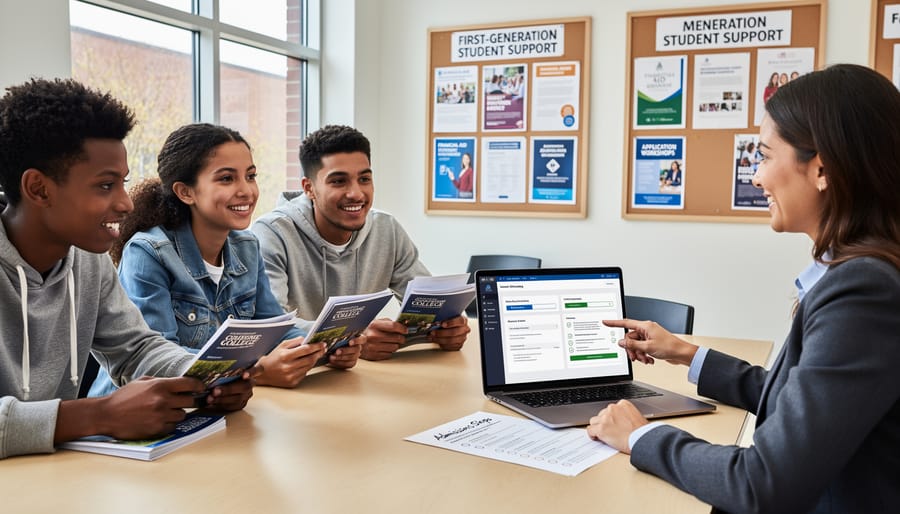
Addressing Systemic Barriers and Building Confidence
Recognizing systemic barriers is the first step in empowering students to navigate the college admissions landscape successfully. Many students face challenges including limited access to test preparation, financial constraints, first-generation status, or inadequate prior academic advising. As educators, openly acknowledging these realities validates student experiences and creates space for problem-solving rather than shame.
Start conversations by normalizing obstacles. Use language like “Many students in similar situations have found success by…” rather than positioning challenges as individual deficits. Connect students with peer mentors who’ve overcome comparable barriers, fostering both practical insight and hope.
Build confidence through incremental wins. Break the admissions process into manageable steps, celebrating each completion. When students complete their first college visit or draft their personal statement opening, acknowledge their progress explicitly. This scaffolded approach prevents overwhelm while developing self-efficacy.
Create opportunities for students to share their unique strengths and stories. First-generation status, overcoming adversity, or bilingualism aren’t just challenges—they’re valuable perspectives colleges seek. Help students reframe their experiences as assets.
Leverage community forums where students can ask questions anonymously and access interactive tools that demystify application components. When students see others asking similar questions, isolation decreases and confidence grows. Remember, your role isn’t to eliminate all barriers, but to equip students with strategies, resources, and belief in their capability to succeed.
Professional Development: Upskilling Your School’s College Advising Capacity

Essential Training Topics for Educators
Investing in targeted professional development equips your team to guide students effectively through the college admissions journey. Focus training on understanding financial aid processes, including FAFSA completion and scholarship search strategies, so you can demystify costs for families. Build expertise in college application platforms like Common App and Coalition App, enabling you to troubleshoot technical issues and coach students through essays. Develop cultural competency training that addresses the unique barriers facing first-generation, low-income, and underrepresented students. Strengthen your knowledge of diverse postsecondary pathways, including community colleges, trade schools, and gap year programs, so you can support all students authentically. Include sessions on data literacy to help staff track outcomes and identify students who need additional support. Finally, create opportunities for counselors and teachers to collaborate, ensuring consistent messaging and maximizing every student touchpoint throughout the advising process.
Leveraging Community Resources and Partnerships
Building strong partnerships with community resources can dramatically expand your advising capacity without straining your budget. Start by reaching out to local colleges and universities—many offer campus tours, admissions workshops, and mentoring programs specifically designed for high school students. Community colleges are particularly valuable partners for dual enrollment opportunities and transfer pathway guidance.
Nonprofit organizations focused on college access often provide free application support, scholarship databases, and financial aid workshops. Consider establishing a partnership agreement that clearly defines roles and schedules throughout the academic year. These organizations frequently bring diverse perspectives and cultural competencies that complement your existing team.
Create a resource map identifying all potential partners in your area, including businesses that offer internships, libraries with free test prep resources, and alumni networks willing to mentor current students. Host an annual community partner fair where students and families can connect directly with these resources. Remember, successful partnerships require ongoing communication and mutual benefit—consider what your school can offer in return, such as volunteer opportunities or facility access for community events.
Effective college advising doesn’t demand substantial budgets or specialized consultants. The strategies that drive successful outcomes are already within your reach as an educator. By integrating thoughtful planning conversations into advisory periods, embedding college exploration into your existing curriculum, and creating peer mentorship opportunities, you can deliver comprehensive support that rivals expensive services.
Your unique position as educators gives you something no outside consultant can replicate: daily connection with students, deep understanding of their individual strengths, and the trust built through consistent relationships. These advantages position you to make college not just accessible, but genuinely achievable for every student you serve.
Start small by implementing one or two strategies that align with your school’s current resources and student needs. Build momentum through collaboration with colleagues, engage families as partners in the process, and celebrate each milestone along the way. The path to equitable college advising isn’t about replicating costly models—it’s about recognizing and leveraging the powerful assets already present in your school community. You have the knowledge, relationships, and dedication to transform your students’ futures. Take that first step today.