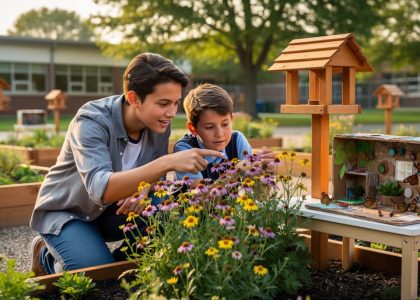
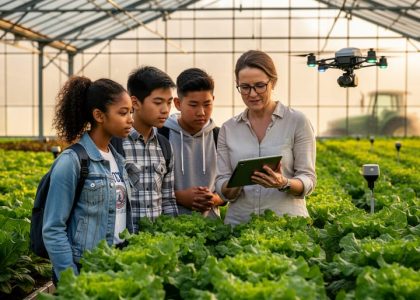
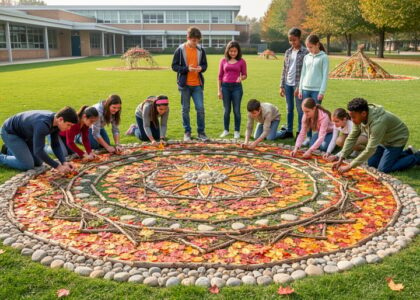
Transform your classroom into a living laboratory where students don’t just read about ecosystems—they step into them. Adventure in education moves learning beyond textbook pages and into forests, streams, and schoolyard gardens, where curiosity becomes the compass and discovery drives understanding. This approach isn’t about abandoning your curriculum; it’s about breathing life into it through experiences that stick with students long after tests are forgotten.
Picture your most reluctant learner suddenly asking questions because they’ve just found salamanders under a log, or your quiet student leading peers through a nature trail they helped design. These moments aren’t accidents—they’re the natural result of eco-adventure learning benefits that reshape how children engage with education. When students navigate real-world challenges outdoors, they develop problem-solving skills, environmental stewardship, and confidence that classroom walls simply cannot provide.
You might be thinking: “This sounds amazing, but I teach in an urban school” or “I don’t have time for field trips.” Here’s the truth—adventure education adapts to your reality. A city park becomes your science lab. A 20-minute schoolyard investigation replaces an entire worksheet unit. Small, strategic outdoor experiences create disproportionately large learning gains, and you don’t need specialized training or massive budgets to begin. You just need the willingness to step outside and guide students through authentic discovery.
What Makes Eco-Adventure Learning Different from Traditional Field Trips
Traditional field trips often position students as observers—walking through museums, touring facilities, or watching demonstrations from a safe distance. While valuable, these experiences can feel passive. Eco-adventure learning flips this dynamic entirely, transforming students into active participants who engage directly with their environment through purposeful challenges and hands-on discovery.
What sets eco-adventure learning apart are four interconnected principles that work together to create deeper educational impact.
**Experiential engagement** means students don’t just see concepts—they live them. Instead of reading about ecosystems in textbooks, they’re identifying plant species on hiking trails, testing water quality in local streams, or building shelters using natural materials. This experiential outdoor learning creates memorable connections between abstract concepts and real-world applications.
**Environmental stewardship** goes beyond appreciation to cultivate responsibility. Students participate in conservation projects, learn Leave No Trace principles, and understand their role as environmental citizens. They’re not simply visiting nature—they’re becoming its advocates.
**Physical challenge** introduces appropriate levels of difficulty that build confidence and resilience. Whether it’s navigating a ropes course, kayaking, or completing a multi-day backpacking expedition, these activities push students beyond their comfort zones in supported, safe environments. The accomplishment they feel transfers directly to academic perseverance.
**Curriculum integration** ensures these adventures aren’t extracurricular add-ons but essential learning experiences. Math concepts come alive through navigation and measurement. Science standards are met through field research. Language arts develops through reflective journaling and storytelling.
Together, these principles create transformative experiences where students develop critical thinking, collaboration skills, and environmental literacy simultaneously. They’re not passive recipients of information—they’re explorers, scientists, and problem-solvers engaging authentically with the world around them. This shift from observation to participation is what makes eco-adventure learning a powerful pedagogical approach for today’s classrooms.
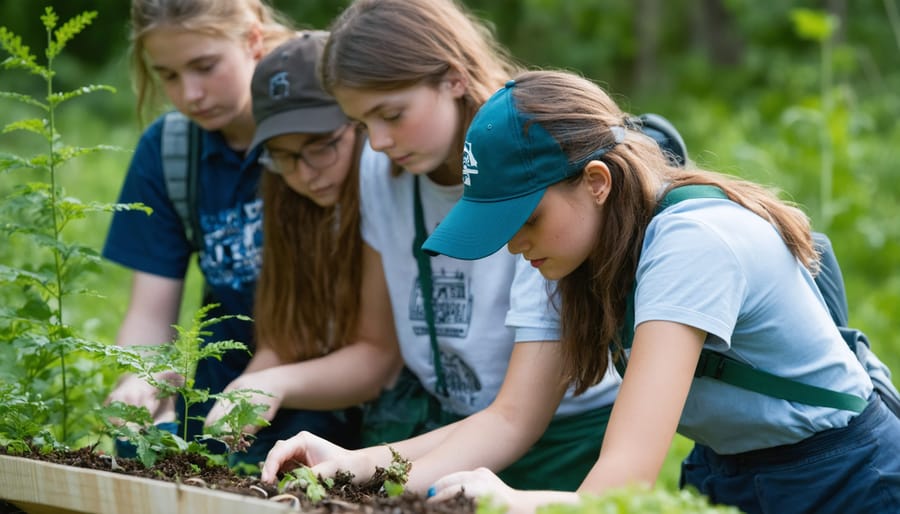
The Educational Benefits That Make the Extra Effort Worth It
Deeper Understanding Through Multi-Sensory Learning
When students touch soil samples, measure tree circumference, or track wildlife movements, they’re not just learning—they’re creating powerful neural pathways that strengthen retention. Multi-sensory experiences activate multiple brain regions simultaneously, making abstract concepts concrete and memorable.
Consider teaching ecosystems through traditional textbooks versus outdoor exploration. In nature, students observe decomposition firsthand, feel temperature variations in different habitats, and hear the interconnected sounds of wildlife. These sensory experiences transform “food chain” from vocabulary into lived understanding. Similarly, mathematical concepts like measurement, graphing, and data analysis gain relevance when students measure rainfall, calculate trail distances, or chart seasonal changes in their school garden.
Physical movement enhances this learning further. Research shows that kinesthetic activities improve cognitive function and memory consolidation. When students crouch to examine insects, climb to observe canopy layers, or walk transects to collect data, they’re literally embodying their education.
The beauty of multi-sensory learning outdoors is its accessibility—you don’t need elaborate equipment. Simple activities like comparing leaf textures, listening to environmental sounds, or conducting water quality tests engage multiple senses while addressing curriculum standards. This approach particularly benefits diverse learners, including those who struggle with traditional classroom instruction, by offering multiple entry points to understanding complex scientific and mathematical principles.
Building Empathy and Environmental Responsibility
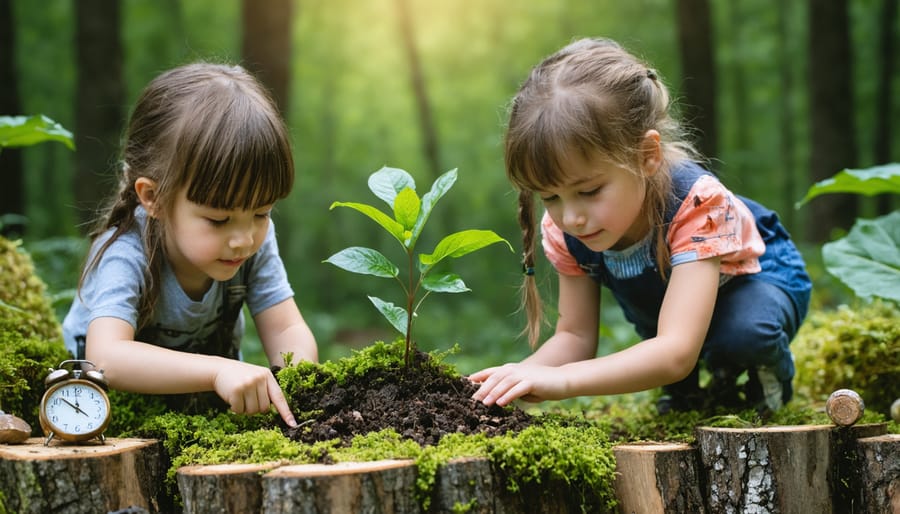
When students touch soil, observe wildlife in its natural habitat, or witness the impact of erosion firsthand, something profound happens—they begin to care. This emotional connection forms the foundation of environmental stewardship that extends far beyond the classroom. Unlike abstract lessons about ecosystems, direct nature interactions create personal memories and attachments that motivate lifelong conservation behaviors.
Adventure-based environmental education naturally supports social-emotional learning objectives by developing empathy not just for other people, but for the living world around us. When a student plants a tree or monitors a stream’s health over time, they’re practicing responsibility, patience, and perspective-taking. These experiences help young people understand their role within larger ecological systems and recognize how their choices affect other living beings.
Research consistently shows that children who spend regular time in nature develop stronger environmental values and are more likely to adopt sustainable practices as adults. For educators, this means adventure learning delivers dual benefits: meeting immediate academic and SEL standards while cultivating the conservation mindsets our planet desperately needs. Start small—even schoolyard observations can spark this crucial emotional connection that transforms students into environmental advocates.
Strengthening Critical Thinking and Problem-Solving Skills
When students encounter a fallen tree blocking a trail or observe erosion patterns near a stream, they’re not just seeing obstacles—they’re facing puzzles that demand creative solutions. These real-world environmental challenges naturally engage critical thinking in ways that transcend traditional classroom boundaries.
In eco-adventure settings, problem-solving becomes tangible and immediate. Students must analyze situations from multiple angles: Why is this happening? What factors are contributing? What solutions might work best? As they collaborate to navigate terrain, identify plant species, or assess water quality, they’re simultaneously exercising scientific inquiry, mathematical reasoning, and logical analysis.
The collaborative nature of outdoor challenges particularly strengthens these skills. When a group must work together to build a temporary shelter or plan a sustainable campsite layout, students learn to evaluate different perspectives, weigh evidence, and make collective decisions. They discover that problems rarely have single “correct” answers—a revelation that builds flexible thinking.
These critical thinking muscles, once developed through environmental problem-solving, transfer seamlessly to literature analysis, historical interpretation, and mathematical reasoning back in the classroom. The confidence students gain from successfully tackling authentic outdoor challenges empowers them to approach academic problems with greater resilience and creativity.
Practical Eco-Adventure Activities You Can Implement This Semester
Low-Barrier Entry Points for Any School
You don’t need specialized equipment or extensive budgets to bring eco-adventure learning into your school. Start right where you are—your schoolyard holds countless opportunities for meaningful exploration and discovery.
**Schoolyard habitat investigations** transform familiar spaces into outdoor classrooms. Students can map insect populations around the building, track seasonal changes in plant life, or monitor bird activity during different times of day. A simple clipboard, paper, and pencil are often all you need to begin these investigations, making them accessible for any budget.
**Nature journaling expeditions** require minimal preparation—just notebooks and drawing materials. Even fifteen minutes outside allows students to observe, sketch, and reflect on natural phenomena. These quick sessions build observation skills while connecting students to their immediate environment, whether that’s a grassy area, a single tree, or planters near the entrance.
**Local park biodiversity surveys** extend learning beyond campus without complex logistics. Students can count species, photograph organisms with smartphones, or collect data for citizen science projects. These activities integrate technology naturally while contributing to real scientific research.
**Campus sustainability audits** empower students to become environmental problem-solvers. They might measure water usage, assess recycling efforts, or identify energy waste. This approach costs nothing but yields valuable insights while developing critical thinking skills.
Each activity scales to fit your schedule, from ten-minute observations to longer expeditions, making eco-adventure learning genuinely accessible for every educator.
Intermediate Adventures for Growing Programs
Once students have experienced foundational outdoor activities, they’re ready for more complex adventures that deepen ecological understanding and practical skills. Stream quality monitoring projects offer hands-on science where students collect macroinvertebrates, test water chemistry, and analyze data to assess ecosystem health. These field research projects connect directly to environmental stewardship while reinforcing scientific methodology.
Orienteering challenges provide natural opportunities for math integration. Students calculate distances, work with compass bearings, determine optimal routes, and use geometric concepts to navigate terrain. Teams can graph their progress, estimate travel times using rate calculations, and analyze elevation changes—all while developing problem-solving skills outdoors.
Service-learning restoration projects combine adventure with community impact. Students might remove invasive species, plant native gardens, build erosion controls, or create wildlife habitats. These experiences foster environmental responsibility while teaching project planning, teamwork, and real-world application of ecological principles.
Seasonal phenology studies invite students to track nature’s rhythms throughout the school year. By monitoring when plants bloom, birds migrate, or insects emerge, learners develop observation skills and contribute to citizen science databases. This ongoing adventure builds scientific thinking while revealing climate patterns and ecological relationships that textbooks alone cannot convey.

Advanced Expeditions for Established Programs
Once your program has developed strong foundations, you’re ready to implement transformative extended experiences that deepen student engagement and environmental stewardship.
**Multi-Day Field Research Expeditions** represent the pinnacle of adventure learning. Students apply advanced wilderness skills while conducting authentic scientific investigations. Consider partnering with local universities or conservation organizations to design camping-based research projects where students collect water quality data, monitor wildlife populations, or document ecosystem changes. These immersive experiences build resilience, teamwork, and genuine scientific inquiry.
**Wilderness Navigation Challenges** combine orienteering, map reading, and problem-solving across multiple days. Students develop spatial reasoning while gaining confidence in outdoor environments. Start with guided overnight trips before progressing to student-led expeditions.
**Citizen Science Partnerships** connect your classroom to real-world research networks. Organizations like iNaturalist, eBird, and Project BudBurst welcome student contributions to national databases, giving learners authentic audiences for their environmental observations.
**Environmental Justice Investigations** integrate social studies, science, and ethics. Students examine how environmental issues disproportionately affect marginalized communities, conducting field studies that combine outdoor exploration with community interviews and advocacy projects. These cross-curricular investigations prepare students to become informed environmental leaders who understand both ecological systems and social equity.
Overcoming the Obstacles That Stop Most Teachers from Starting
Working Within Budget Constraints
Budget constraints shouldn’t prevent you from bringing eco-adventure learning to your students. Start by exploring your school grounds—many campuses have underutilized green spaces perfect for nature observation, outdoor classrooms, or simple orienteering activities. Transform a neglected corner into a pollinator garden or create nature trails using existing pathways.
Local partnerships offer tremendous value at little to no cost. Connect with nearby parks, nature centers, or environmental organizations that often provide free educational programs or guest speakers. Many outdoor recreation businesses welcome school groups for discounted or complimentary experiences in exchange for community engagement.
Grant opportunities specifically support environmental and outdoor education initiatives. Organizations like the North American Association for Environmental Education, REI, and various state departments of natural resources regularly fund school projects. Your district’s curriculum coordinator can help identify relevant funding sources.
Consider a “gear library” where families donate or share equipment, reducing individual costs. Parent volunteers with outdoor skills can lead activities, and virtual field trips to natural spaces provide adventure experiences without transportation expenses. Remember, the most powerful learning often happens in simple outdoor spaces where curiosity and discovery cost nothing at all.
Managing Safety and Liability Concerns
Safety doesn’t mean staying inside four walls—it means creating structured frameworks that allow students to explore confidently. Start by developing a comprehensive risk assessment for each adventure activity, identifying potential hazards and establishing clear mitigation strategies. Document everything, from equipment checks to emergency procedures.
Permission protocols are essential. Create detailed consent forms that outline specific activities, associated risks, and educational objectives. Communicate openly with families about what adventure learning involves and how you’re protecting their children. This transparency builds trust and often transforms concerned parents into enthusiastic supporters.
Supervision strategies should match the activity’s complexity. Maintain appropriate adult-to-student ratios, ensure supervisors have relevant training, and establish clear communication systems. Consider inviting parent volunteers or partnering with certified outdoor educators for specialized activities.
Remember that calculated risk is part of learning. Students develop resilience and decision-making skills when they navigate challenges within safe boundaries. Your role is creating those boundaries while giving students meaningful autonomy. Use progressive exposure—start with lower-risk activities in familiar settings, then gradually increase challenge levels as students build competence and confidence. This approach protects students while fostering the independence that makes adventure learning transformative.
Connecting to Standards and Assessment Requirements
Aligning eco-adventure activities with academic standards is more straightforward than many educators anticipate. Start by identifying specific learning objectives from your state standards, then map outdoor experiences to these goals. For example, a nature scavenger hunt can address science standards about ecosystems while incorporating math skills through data collection and graphing.
Documentation becomes seamless when you build assessment into the adventure itself. Use photo journals, field sketches, and audio recordings to capture student observations and reflections in real-time. These authentic artifacts provide richer evidence of learning than traditional worksheets.
Consider embedding assessment checkpoints throughout your outdoor experiences. Quick oral check-ins during activities, peer discussions, and reflection circles allow you to gauge understanding without interrupting the flow of discovery. Digital tools like tablets or smartphones enable students to document findings immediately, creating portfolios that demonstrate growth over time.
Remember that rubrics designed for outdoor learning should value process alongside product—acknowledging collaboration, problem-solving, and environmental stewardship. Many districts now recognize these competencies as essential 21st-century skills, making your eco-adventures doubly valuable in meeting comprehensive educational goals.
Building Support from Administrators and Parents
Gaining buy-in from administrators and parents is essential for successfully implementing eco-adventure learning in your classroom. Start by framing your proposal around outcomes they care about most: academic achievement, student engagement, and 21st-century skill development.
When approaching administrators, lead with data. Research shows that outdoor experiential learning increases test scores by an average of 27% and improves student attendance rates. Emphasize how eco-adventure activities align with existing curriculum standards while addressing SEL (Social-Emotional Learning) competencies. Present a clear plan that includes safety protocols, risk management strategies, and how you’ll assess learning outcomes. Consider starting small with a pilot program or single field experience to demonstrate value before requesting larger commitments.
For parent communication, transparency builds trust. Host an informational evening where families can experience mini-versions of planned activities. Share specific examples: “During our watershed exploration, students will apply math skills by measuring water flow rates and analyzing data patterns.” Address common concerns proactively by explaining supervision ratios, emergency procedures, and how you’ll accommodate students with different physical abilities or health needs.
Create a one-page fact sheet highlighting the educational benefits, safety measures, and frequently asked questions. Include testimonials from other schools or teachers who’ve successfully implemented similar programs. Make yourself available through multiple channels—email updates, a class website, or community forums where parents can ask questions and share feedback.
Consider developing partnerships with local environmental organizations that can provide expertise, resources, and additional credibility to your program. These partnerships demonstrate professional support and often help secure grants or donated materials. Remember, your enthusiasm and preparedness are contagious—when stakeholders see your commitment to student success, they’re more likely to champion your vision.
Resources and Communities to Support Your Journey
Embarking on eco-adventure education becomes easier when you’re connected to supportive communities and quality resources. Several organizations specialize in outdoor and environmental education, offering ready-to-use lesson plans and professional development opportunities. The North American Association for Environmental Education (NAAEE) provides extensive teaching materials and certification programs, while Project Learning Tree and Project WILD offer free, standards-aligned outdoor curricula suitable for various grade levels.
Online platforms have made collaboration more accessible than ever. The Association for Experiential Education hosts webinars and regional conferences where practitioners share successful strategies and troubleshoot challenges together. Leave No Trace’s educational resources help you integrate environmental ethics seamlessly into your adventures, ensuring students become responsible stewards of natural spaces.
For ongoing professional growth, consider certifications like Wilderness First Aid or outdoor educator training through organizations such as the National Outdoor Leadership School. These programs build confidence in managing outdoor experiences safely while expanding your instructional toolkit.
Don’t overlook the power of local connections. Many state parks and nature centers offer teacher workshops and school partnerships, providing accessible outdoor spaces and expert support. University extension programs frequently offer free or low-cost training in environmental education methods.
When questions arise or you need fresh ideas, Teach Find’s community forums provide a welcoming space to connect with fellow educators navigating similar journeys. These interactive discussions allow you to exchange lesson modifications, celebrate successes, and find encouragement from colleagues who understand the unique rewards and challenges of bringing adventure into education.
Eco-adventure learning isn’t just another teaching strategy to add to your already full plate—it’s a powerful pedagogical approach that naturally addresses core educational standards while building the environmental literacy our students desperately need. When you take learning outdoors, you’re simultaneously teaching science, fostering critical thinking, developing social-emotional skills, and nurturing environmental stewardship. These experiences create the engaged, resilient learners we all hope to develop.
The beauty of this approach is that you don’t need to overhaul your entire curriculum or plan elaborate expeditions to begin. Start with a simple 20-minute nature observation in your schoolyard. Turn a math lesson into an outdoor measurement activity. Partner with a colleague to share ideas and resources. Every outdoor learning experience matters, no matter how modest it might seem.
Your students are counting on you to prepare them for a future shaped by environmental challenges. By embracing eco-adventure learning—even in small, manageable ways—you’re giving them the knowledge, skills, and confidence they’ll need. Connect with fellow educators through online communities, explore free resources, and remember: the journey of a thousand miles begins with a single step outside. Your next adventure in education awaits.