A two-year agriculture degree opens powerful pathways to essential careers in modern food production, sustainable farming, and agricultural technology. This focused program combines hands-on experience with modern farming techniques, preparing students for immediate entry into the agricultural workforce or continued education. Unlike traditional four-year programs, these accelerated degrees deliver concentrated, practical knowledge in half the time, making them an increasingly popular choice for career-minded individuals and those already working in the field. Students gain essential skills in crop management, livestock care, agricultural business, and sustainable practices while building valuable industry connections through internships and field experiences. Whether pursuing entrepreneurial dreams of running a farm or seeking positions in agribusiness, agricultural technology, or farm management, a two-year agriculture degree provides the foundation for diverse and rewarding career paths in this vital industry.
Core Components of a 2-Year Agriculture Degree
Essential Agricultural Science Courses
A two-year agriculture degree program emphasizes foundational scientific knowledge through carefully structured core courses. Students engage in comprehensive biology studies, focusing on plant and animal sciences, which include hands-on laboratory experience essential for practical skill development.
The curriculum typically includes soil science, where students learn about soil composition, fertility, and management practices. Chemistry courses cover both organic and inorganic principles, with special attention to agricultural applications such as fertilizers and pesticides. Students also study agricultural mathematics, which encompasses statistical analysis and measurement techniques crucial for crop planning and yield calculations.
Environmental science forms another vital component, teaching students about ecosystem dynamics, climate patterns, and sustainable farming practices. These courses often integrate field studies and real-world problem-solving scenarios, allowing students to apply theoretical concepts in practical settings.
Additionally, students explore basic genetics and biotechnology, providing insights into crop improvement and livestock breeding. This scientific foundation prepares graduates for both immediate career entry and potential advanced studies in agricultural sciences.

Practical Field Training
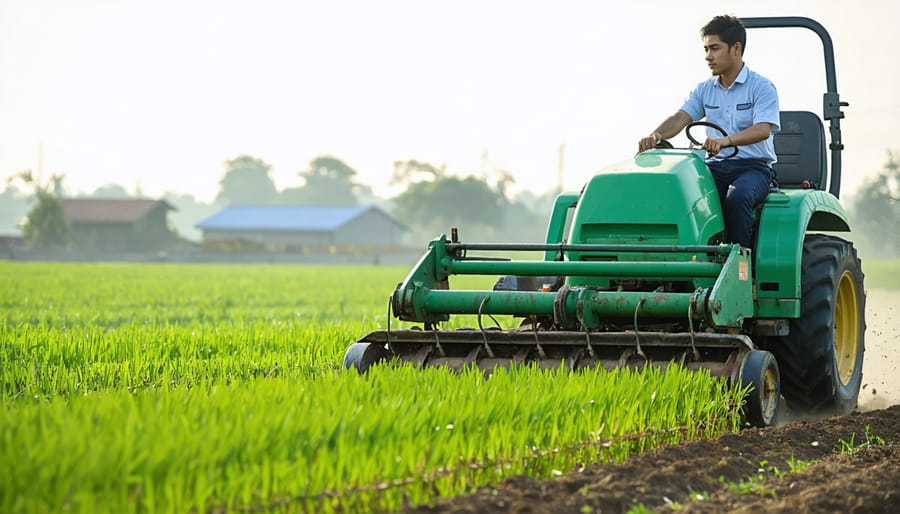
A cornerstone of the two-year agriculture degree is the extensive practical field experience that students receive throughout their studies. Students typically spend 15-20 hours per week engaged in hands-on activities at the college’s agricultural facilities or partner farms. These experiences include crop cultivation, livestock management, equipment operation, and sustainable farming practices.
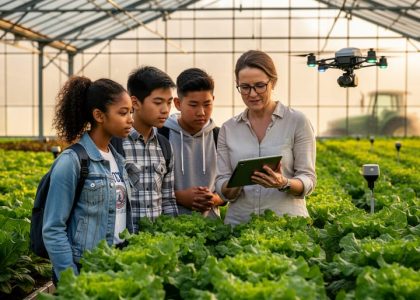
The training schedule follows seasonal agricultural cycles, allowing students to participate in planting, maintenance, and harvesting activities. Students work with various crops and animals, learning proper care techniques and modern farming technologies. Many programs incorporate rotation systems where students experience different aspects of farm operations, from greenhouse management to field crop production.
Laboratory work complements field training, with students learning soil testing, plant pathology, and basic veterinary procedures. Programs often include field trips to local farms, agricultural research stations, and industry facilities, providing exposure to diverse agricultural operations and networking opportunities with experienced professionals. This comprehensive approach ensures graduates are well-prepared for real-world agricultural careers.

Career Opportunities and Industry Demand
Entry-Level Positions
Graduates with a two-year agriculture degree can immediately step into various rewarding career paths. Many start as agricultural technicians, working alongside experienced farmers and ranchers to manage crops and livestock. Farm managers-in-training positions offer hands-on experience in overseeing daily operations, while greenhouse managers help maintain controlled growing environments for various plants and flowers.
Sales positions in agricultural equipment, seeds, or fertilizers provide an excellent entry point for those with strong communication skills. Laboratory technician roles in soil testing facilities or food processing plants allow graduates to apply their scientific knowledge. Some graduates find success as quality control specialists in agricultural processing facilities or as field representatives for agricultural service companies.
Conservation and environmental agencies also frequently hire agriculture graduates for entry-level positions in land management and sustainability projects. Additionally, many agricultural businesses offer management trainee programs specifically designed for associate degree holders, providing structured career advancement opportunities. These positions typically offer competitive starting salaries and benefits, with ample room for professional growth through experience and additional certification.
Growth and Advancement Potential
A two-year agriculture degree serves as an excellent springboard for career advancement and continued education. Graduates often start in entry-level positions but can quickly progress to supervisory roles in farm management, agricultural sales, or production operations. Many employers value the practical skills and foundational knowledge gained through these programs, creating opportunities for rapid career growth.
For those interested in furthering their education, the credits earned in a two-year program typically transfer smoothly into bachelor’s degree programs. This pathway allows students to pursue advanced specializations in areas like agricultural science, business management, or sustainable farming practices. Many institutions offer bridge programs specifically designed to help associate degree holders transition into four-year programs.
Professional development opportunities in agriculture are abundant, with numerous certifications and specialized training programs available. Industry organizations frequently offer continuing education courses, workshops, and networking events that help graduates stay current with emerging agricultural technologies and practices. This combination of formal education and ongoing professional development creates a strong foundation for long-term career success in the agricultural sector.
Program Selection and Enrollment
Accreditation and Program Quality
When evaluating a two-year agriculture degree program, accreditation serves as a crucial quality indicator. Look for programs accredited by recognized bodies such as the Higher Learning Commission (HLC) or regional accreditation agencies. These accreditations ensure the program meets established educational standards and maintains academic rigor.
Quality programs typically feature experienced faculty members with both academic credentials and practical industry experience. They should offer modern facilities, including working farms, greenhouses, or laboratories where students can gain hands-on experience. The curriculum should align with current industry practices and technological advances in agriculture.
Consider programs that maintain strong partnerships with local agricultural businesses and organizations, as these connections often translate to better internship opportunities and job placement rates. Student success metrics, such as graduation rates and career placement statistics, can provide valuable insights into program effectiveness.
Additionally, seek out programs that regularly update their curriculum based on industry feedback and technological advancements. Programs should demonstrate a commitment to sustainable practices and innovation in agriculture while maintaining traditional agricultural knowledge and skills.
Financial Considerations
The financial investment in a two-year agriculture degree typically ranges from $5,000 to $15,000 per year at public institutions, with costs varying by location and program specifics. Students often find this option more economical compared to four-year programs, while still gaining valuable industry credentials.
Financial aid opportunities are readily available through multiple channels. The FAFSA application opens doors to federal grants and loans, while agriculture-specific scholarships from organizations like the National FFA Foundation and the American Farm Bureau Foundation provide additional support. Many community colleges also offer payment plans and work-study programs to help manage educational expenses.
The return on investment for agriculture degree holders is promising, with graduates typically entering the workforce at salaries between $35,000 and $45,000 annually. Many students find employment immediately after graduation, and some even secure positions while completing their studies through internship programs. Additionally, some employers offer tuition reimbursement programs for employees pursuing agricultural education, making the degree even more accessible.
Students should also consider supplementary costs such as textbooks, laboratory fees, and field trip expenses when planning their educational budget. Many programs provide access to modern agricultural technology and equipment as part of the tuition, representing significant value for hands-on learning experiences.
Success Stories and Student Experiences
The real impact of a two-year agriculture degree comes alive through the experiences of our successful graduates. Sarah Martinez, a first-generation college student from rural Iowa, completed her degree in 2021 and now manages a sustainable farming operation. “This program gave me practical skills I use every day, from crop management to business planning. The hands-on experience was invaluable,” she shares.
James Thompson, another graduate, transitioned from urban life to agricultural entrepreneurship. After completing his degree, he established a successful hydroponic farming business serving local restaurants. “The program’s focus on modern farming techniques and technology prepared me for the future of agriculture,” he explains.
Recent graduate Maria Chen found her calling in agricultural education after completing her degree. She now works with local schools to develop garden-based learning programs. “The combination of technical knowledge and teaching skills I gained helps me inspire the next generation of farmers,” Maria notes.
The program’s success extends to diverse agricultural sectors. Tom Williams, class of 2020, secured a position with a major organic certification agency immediately after graduation. “The comprehensive curriculum, especially the sustainable agriculture courses, gave me a competitive edge in the job market,” he reflects.
Students particularly value the program’s internship opportunities. Ashley Rodriguez completed her internship at a precision agriculture company and was hired full-time before graduation. “The real-world experience connected classroom learning with industry needs,” she explains.
These success stories highlight the program’s ability to prepare students for various agricultural careers. Whether pursuing farm management, agricultural technology, or education roles, graduates consistently report that the practical skills and industry connections gained during their two-year degree provided a solid foundation for their careers.
A two-year agriculture degree opens doors to numerous rewarding career paths while providing a solid foundation in sustainable farming practices, agricultural technology, and business management. This accessible educational path offers a perfect balance of hands-on experience and theoretical knowledge, making it an excellent choice for students eager to enter the agricultural sector quickly.
As educators, we’ve seen how these programs transform students into capable agricultural professionals ready to tackle modern farming challenges. The combination of practical skills and academic knowledge prepares graduates for immediate employment or further education, offering flexibility in career development.
We encourage you to explore the various program options available at community colleges and technical schools in your area. Consider reaching out to local agricultural programs, speaking with current students, and visiting campus facilities. Remember that many institutions offer virtual tours and information sessions, making it easier than ever to learn about these opportunities.
Take the first step toward a fulfilling career in agriculture today. Your journey toward becoming part of the next generation of agricultural leaders starts with choosing the right program that aligns with your goals and interests.