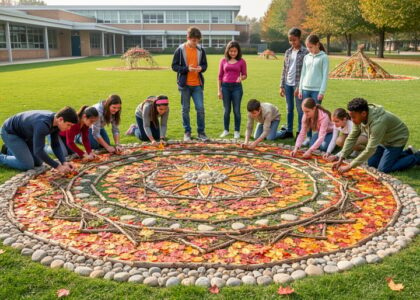
Transform your classroom into a living laboratory by empowering students to document and analyze urban ecosystems through structured journaling practices. When students actively observe and record the intricate relationships between city wildlife, plant life, and human infrastructure, they naturally fall in love with learning.
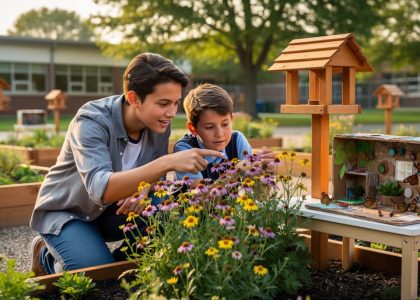
Create engaging observation stations around your school campus, from rain gardens to pollinator patches, where students can conduct regular ecological surveys using standardized data collection templates. These living classrooms provide immediate, tangible connections to environmental science concepts while developing critical thinking skills.
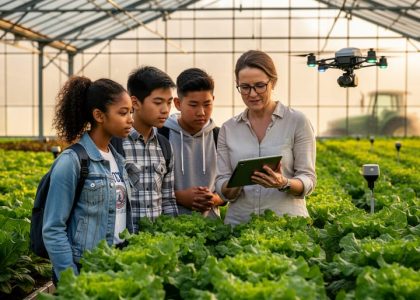
Integrate digital mapping tools with traditional field notebooks to help students visualize and track urban ecological patterns over time. This combination of old and new methodologies strengthens data literacy while making complex ecological concepts accessible and relevant to today’s tech-savvy learners.
Partner with local environmental organizations and citizen science initiatives to give student observations real-world impact. When young researchers know their data contributes to actual scientific understanding of urban ecosystems, their engagement deepens and their commitment to environmental stewardship grows.
Build assessment rubrics around the scientific process rather than just the final product, encouraging students to embrace revision, reflection, and collaborative problem-solving as essential parts of ecological investigation. This approach nurtures both scientific rigor and creative exploration.
Setting Up Your Urban Ecology Journal Program
Choosing the Right Journal Format
When selecting a journal format for your urban ecology program, you’ll want to consider options that best support your teaching style and can help transform your classroom into an engaging learning environment. Both digital and physical formats offer unique advantages worth exploring.
Digital journals, such as apps and online platforms, provide easy data organization, multimedia integration, and sharing capabilities. Students can quickly upload photos, record observations, and collaborate with peers. Digital formats also allow for real-time feedback and simplified assessment tracking. Popular options include Google Docs, Padlet, or specialized science journaling apps.
Physical journals, on the other hand, offer a tangible connection to nature and develop important handwriting and sketching skills. Many students find the tactile experience of writing and drawing in a paper journal more meaningful and memorable. Consider using weather-resistant notebooks for outdoor observations.
For structure, you can choose between:
– Pre-formatted templates with guided prompts and specific sections
– Free-form journals that allow creative expression and personal organization
– Hybrid formats combining structured elements with open spaces
The best choice often depends on your students’ age, learning objectives, and comfort level with different formats. Many teachers find success in offering multiple options, allowing students to choose the format that best suits their learning style while ensuring consistent documentation of their urban ecology observations.
Creating Observation Guidelines
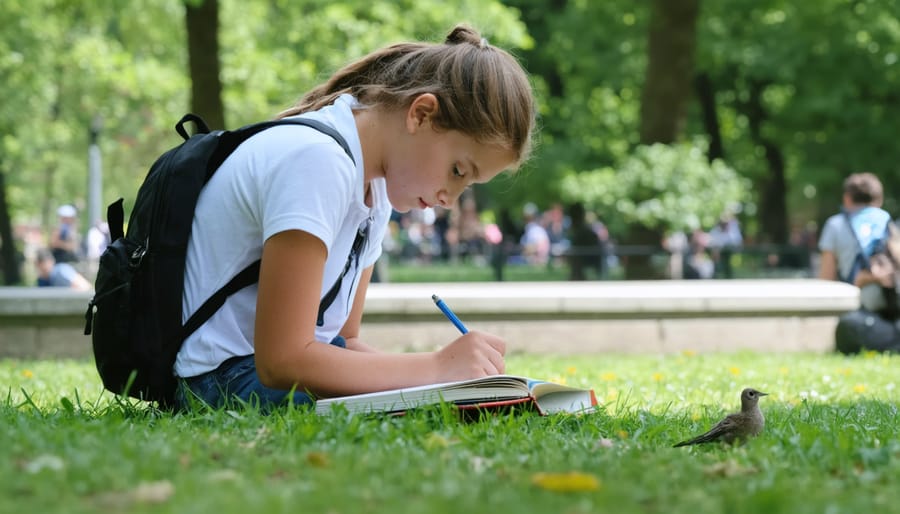
Clear observation guidelines help students develop consistent and meaningful journal entries while building their scientific observation skills. Start by establishing a basic framework that includes date, time, location, and weather conditions as standard entry elements. Encourage students to use multiple senses in their observations, prompting them to record not just what they see, but also what they hear, smell, and feel in their urban environment.
Create a simple checklist for students to follow, including categories like plant life, animal activity, human interactions, and environmental conditions. This structure helps students stay focused while allowing flexibility for unique discoveries. Teach students to use specific, descriptive language rather than vague terms – for example, writing “three house sparrows feeding on sidewalk crumbs” instead of “some birds eating.”
Incorporate measurement tools appropriate for your grade level, such as thermometers, measuring tapes, or pH strips. Set clear expectations for sketch quality, emphasizing that scientific drawings should be detailed and labeled rather than artistic masterpieces. Encourage students to include questions and wonderings in their entries, promoting scientific curiosity and critical thinking.
Consider creating a reference guide with local flora and fauna examples to help students identify common species. This support builds confidence while maintaining high standards for detailed observations. Remember to model good observation techniques regularly, showing students how to balance structured data collection with open-ended exploration.
Engaging Students Through Urban Nature Observations

Daily Observation Techniques
Successful urban ecology journaling relies on consistent daily observation practices that transform casual environmental monitoring into meaningful real field research. Start by establishing a regular observation schedule, ideally at the same time each day, to track patterns in wildlife activity, plant growth, and weather conditions.
Encourage students to develop their essential observation skills through a multi-sensory approach. Have them record not just what they see, but also what they hear, smell, and feel in their environment. Provide students with a structured template that includes sections for weather conditions, species counts, behavioral observations, and environmental changes.
Use simple tools like thermometers, rain gauges, and measuring tapes to collect quantitative data. Incorporate photography or sketching to document visual changes over time. Students should note the date, time, and specific location of each observation, creating a reliable record for future analysis.
Encourage detailed descriptions by providing prompting questions: What species are present? How are they interacting? What changes have occurred since yesterday? What human activities are impacting the area? These questions help students develop critical thinking skills while maintaining consistent documentation standards.
Remember to adapt observation techniques for different grade levels and abilities, allowing younger students to focus on broader patterns while older students can delve into more specific ecological relationships.
Cross-Curricular Connections
Urban ecology journals offer rich opportunities for cross-disciplinary learning. In mathematics, students can collect and analyze data about local wildlife populations, create graphs showing seasonal changes, and calculate percentages of different species in their observation area. These activities reinforce statistical concepts while building real-world connections to environmental studies.
Science connections are abundant, from studying local food webs and ecosystems to investigating weather patterns and their impact on urban wildlife. Students can document plant life cycles, track seasonal changes, and explore concepts like adaptation and habitat modification. Their journal entries become valuable scientific records that demonstrate the scientific method in action.
Social studies integration occurs naturally through urban planning discussions, local history research, and community impact studies. Students can investigate how their neighborhood has changed over time, examine the effects of urbanization on local ecosystems, and explore solutions for sustainable development. This helps them understand the relationship between human communities and natural environments.
Language arts connections emerge through descriptive writing, technical documentation, and creative storytelling. Students develop observation skills while practicing precise vocabulary and detailed descriptions. They can write persuasive essays about environmental issues or create narrative pieces based on their observations.
Art integration allows students to develop detailed sketches, create maps of their observation areas, and document visual changes in their environment. These artistic elements enhance scientific observation skills and provide alternative ways to record and communicate findings.
Assessment and Growth Tracking
Rubric Development
Developing a fair and comprehensive rubric for urban ecology journals ensures consistent evaluation while supporting student growth. Start by identifying key components such as observation quality, scientific accuracy, analytical thinking, and creative expression. Consider creating a points-based system that balances these elements according to your teaching objectives.
Include specific criteria for field notes, sketches, data collection, and reflective writing. For example, observation entries might be evaluated on detail, use of scientific terminology, and connection to ecological concepts. Visual elements could be assessed based on accuracy, labeling, and attention to environmental relationships.
Make the rubric student-friendly by using clear, actionable language. Instead of “demonstrates understanding,” specify “identifies three or more interactions between urban wildlife and human structures.” This clarity helps students understand expectations and take ownership of their learning.
Consider incorporating peer assessment components to build student evaluation skills. Create opportunities for students to review each other’s journals using simplified versions of the rubric, promoting collaborative learning and multiple perspectives.
Remember to include space for growth and improvement. A well-designed rubric should recognize progress over time, allowing students to develop their observation and documentation skills throughout the term. Share the rubric early and revisit it regularly, using it as a teaching tool rather than just an assessment instrument.
Portfolio Development
Building a student portfolio in urban ecology journaling creates a valuable record of growth and learning over time. Encourage students to maintain both digital and physical collections of their observations, sketches, data analyses, and reflections. These portfolios become powerful tools for demonstrating progress and understanding throughout the academic year.
Start by having students organize their work chronologically, with clear dates and locations for each entry. Include photographs, pressed leaves, detailed drawings, and data charts to create a comprehensive record. Digital portfolios can incorporate video clips, sound recordings of urban wildlife, and interactive maps showing observation points across the community.
Guide students to regularly review their previous entries, noting changes in their observation skills and scientific understanding. This reflection process helps them recognize their own growth and builds confidence in their abilities as urban ecologists. Consider implementing quarterly portfolio reviews where students present their favorite findings and most significant discoveries to classmates.
To maintain quality and engagement, provide clear portfolio guidelines while allowing creative freedom. Students might develop special interest areas within urban ecology, such as bird migration patterns or urban plant adaptations. Encourage them to pursue these interests while maintaining the core documentation requirements.
Create opportunities for students to share their portfolios with the broader community through school exhibitions or local nature centers. This public presentation aspect motivates higher quality work and helps students develop pride in their scientific observations.

Community Connections Through Urban Ecology
Urban ecology journaling becomes even more powerful when extended beyond classroom walls into the broader community. By connecting students with local environmental groups, nature centers, and community gardens, teachers can create meaningful real-world applications for their students’ observations and research.
Start by identifying potential community partners who share an interest in urban ecosystems. Local botanical gardens, wildlife organizations, and environmental education centers often welcome collaboration with schools. These partnerships can provide students with expert mentorship, access to additional resources, and opportunities to contribute to actual scientific research through citizen science initiatives.
Consider organizing community science days where students can share their journal findings with local residents, environmental professionals, and fellow students. These events can feature student presentations, interactive demonstrations, and guided nature walks where students act as ecological experts for their community. This not only reinforces student learning but also builds confidence and communication skills.
Digital platforms can extend these connections even further. Students can share their urban ecology observations through supervised online forums, connecting with peers from other schools and regions. Many citizen science projects have user-friendly apps and websites where students can contribute their data to larger scientific databases, making their journal entries part of meaningful research efforts.
Encourage students to interview community members about local environmental changes they’ve observed over time. These oral histories can add valuable context to students’ journal observations and help them understand long-term ecological trends in their area. Family members and longtime residents often have fascinating insights about how local environments have evolved.
Remember to celebrate and showcase student achievements through community newsletters, local media, and school communications. When students see their work making a real difference in their community, it reinforces the importance of environmental stewardship and scientific observation. This connection between classroom learning and community impact creates lasting engagement with urban ecology concepts.
Urban ecology journaling presents a powerful tool for engaging students with their local environment while developing crucial scientific observation and analytical skills. By implementing journal-based activities in your classroom, you create opportunities for students to connect with nature, understand environmental systems, and develop a sense of environmental stewardship.
The success of urban ecology journaling lies in its versatility and accessibility. Students of all ages and abilities can participate, making it an inclusive educational strategy that promotes both individual growth and collaborative learning. Regular journaling practices help students develop patience, attention to detail, and critical thinking skills while fostering a deeper appreciation for urban ecosystems.
To implement urban ecology journaling effectively, start with simple observation exercises and gradually introduce more complex concepts. Encourage students to share their findings through class discussions, digital platforms, or community presentations. Consider creating seasonal projects that allow students to track changes in their local environment over time, building a comprehensive understanding of urban ecological systems.
Remember to celebrate student achievements and maintain flexibility in your approach. Some students may excel at detailed sketches, while others might prefer written descriptions or data collection. This diversity in expression enriches the learning experience for everyone involved.
By incorporating urban ecology journaling into your curriculum, you’re not just teaching environmental science – you’re helping create the next generation of informed, engaged citizens who understand and care about their urban environment.