Transform your classroom assessment strategy by blending real-time digital tools with traditional evaluation methods. Today’s educational landscape demands assessment techniques that not only measure learning outcomes but also actively engage students in their own progress. Modern educators recognize that effective assessment goes beyond simple testing – it’s an ongoing dialogue between teachers and learners that shapes the educational journey.
Interactive assessment tools like Kahoot, Plickers, and digital portfolios have revolutionized how we gauge student understanding, offering immediate feedback while maintaining student engagement. These dynamic approaches allow teachers to collect meaningful data while students experience assessment as a natural part of their learning process rather than a dreaded evaluation.
The most successful assessment strategies combine formative and summative methods, creating a comprehensive picture of student growth. Exit tickets, peer evaluations, and project-based assessments provide multiple touchpoints for measuring progress, while digital learning management systems help track and analyze student performance over time.
By implementing these varied assessment techniques, educators can create a more inclusive and responsive learning environment that acknowledges different learning styles and abilities. This approach not only measures academic achievement but also develops critical thinking, self-reflection, and lifelong learning skills essential for student success.
Real-Time Digital Assessment Tools
Interactive Quiz Platforms
Modern classrooms benefit greatly from interactive assessment tools that make learning engaging and data collection effortless. Platforms like Kahoot and Quizizz have revolutionized how we conduct assessments, turning traditionally stressful testing situations into exciting learning experiences.
Kahoot excels in creating a game-show atmosphere where students compete individually or in teams. Its strength lies in immediate feedback and the ability to pause between questions for meaningful discussions. Teachers can use Kahoot effectively by creating short 5-10 question quizzes, incorporating images and videos, and allowing students to set their own pace in practice mode.
Quizizz offers similar benefits but with additional features like student-paced options and homework assignments. Its meme-based feedback system resonates well with students, while detailed analytics help teachers identify learning gaps. For best results, use Quizizz for both formative and summative assessments, taking advantage of its question bank and customization options.
When implementing these platforms:
– Start with simple questions to build confidence
– Use team modes to support collaborative learning
– Review results collectively to address common misconceptions
– Allow students to create their own quizzes for peer learning
– Incorporate regular breaks to maintain engagement
– Export data to track progress over time
Remember that these tools work best when integrated into a broader assessment strategy, not as standalone solutions.

Digital Response Systems
Digital response systems have revolutionized the way teachers gather instant feedback from their students, making assessment more interactive and engaging. These tools allow students to answer questions in real-time using smartphones, tablets, or computers, providing teachers with immediate insights into student understanding.
Popular platforms like Kahoot!, Mentimeter, and Plickers offer user-friendly interfaces that make it easy for teachers to create quick polls, quizzes, and surveys. Students can respond anonymously, which often increases participation rates, especially among shy learners who might hesitate to raise their hands in class.
These systems excel at formative assessment, allowing teachers to check understanding during lessons and adjust their teaching approach on the fly. When students submit their answers, teachers can display class-wide results in various formats, such as graphs or word clouds, sparking meaningful discussions about different response patterns.
Beyond multiple-choice questions, modern response systems support diverse question types, including open-ended responses, sorting activities, and even collaborative problem-solving exercises. Many platforms also offer features like exit tickets and homework assignments, extending assessment beyond classroom walls.
To implement these tools effectively, start with simple questions and gradually incorporate more complex activities as students become comfortable with the technology. Regular use of digital response systems can create a more dynamic learning environment where students feel safe sharing their thoughts and teachers can make data-driven decisions about instruction.
Collaborative Assessment Strategies

Peer Review Techniques
Peer review activities, when properly structured, can significantly enhance student learning while developing critical thinking and collaborative learning strategies. To implement effective peer assessment, start by creating clear rubrics that students can easily understand and follow. These rubrics should outline specific criteria and performance levels, helping students provide focused and constructive feedback.
Begin with simple peer review exercises, such as exchanging writing assignments or math solutions, before progressing to more complex assessments. Train students in giving respectful, specific feedback by modeling appropriate comments and providing sentence starters like “I noticed that…” or “One suggestion would be…”
Implement a structured feedback protocol where students first identify strengths, then offer suggestions for improvement, and finally ask questions about the work. This “sandwich” approach helps maintain a supportive atmosphere while ensuring meaningful critique.
Consider using digital tools that allow for anonymous peer reviews, which can help reduce bias and social pressure. Set clear timelines for the review process and establish guidelines for appropriate feedback. Regular monitoring and guidance during peer review sessions ensure that students stay on track and maintain constructive dialogue.
Remember to teach students how to receive feedback gracefully and use it effectively for improvement. This skill will serve them well beyond the classroom setting.
Group Project Evaluation
Group projects offer valuable opportunities for students to develop collaboration skills while demonstrating their learning, but they require thoughtful assessment strategies to ensure fairness and accuracy. A multi-faceted approach combining peer evaluations, individual reflections, and teacher observations provides the most comprehensive picture of both group and individual performance.
Start by creating clear rubrics that outline expectations for both collaborative efforts and individual contributions. These rubrics should address teamwork skills, task completion, and content mastery. Consider using digital collaboration tools that track individual participation and contributions, making it easier to assess each student’s involvement.
Implement regular check-ins throughout the project using quick formative assessments. These might include progress reports, contribution logs, or brief team meetings. Have students complete peer evaluations that focus on specific criteria such as communication, reliability, and quality of work. To promote honesty and accountability, make these evaluations confidential and provide students with guidance on giving constructive feedback.
Individual accountability can be maintained through personal reflection journals or portfolios where students document their contributions and learning journey. Consider incorporating self-assessment components where students evaluate their own performance against the project objectives and collaboration standards.
For final assessment, combine group achievements with individual performance metrics. This balanced approach ensures that high-performing students aren’t unfairly penalized by group challenges while maintaining the collaborative nature of the assignment.
Performance-Based Assessment
Project-Based Assessments
Project-based assessments offer students authentic opportunities to demonstrate their understanding while developing critical thinking and real-world problem-solving skills. These research-backed assessment strategies engage students in meaningful learning experiences that extend beyond traditional testing methods.
To create effective project-based assessments, start by identifying clear learning objectives and success criteria. Design projects that allow students to explore topics deeply while incorporating multiple subject areas. For example, a environmental science project might combine research, data analysis, writing, and presentation skills.
Consider implementing these project elements:
– Student choice in topic or presentation format
– Regular check-ins and progress monitoring
– Clear rubrics that outline expectations
– Opportunities for peer feedback and collaboration
– Real-world connections and authentic audiences
– Multiple forms of evidence collection (portfolios, presentations, demonstrations)
Successful project assessment requires balanced feedback throughout the process, not just at the end. Use formative assessment techniques like observation checklists, student conferences, and digital tools to track progress and provide timely guidance. This ongoing support helps students develop self-reflection skills and maintain momentum toward project completion.
Remember to differentiate project requirements to accommodate diverse learning needs while maintaining high expectations for all students. This approach ensures that project-based assessments remain both challenging and accessible.
Portfolio Development
Portfolio assessment offers a comprehensive way to track student growth and showcase learning achievements over time. To implement effective portfolio development in your classroom, start by clearly defining the purpose and types of work to be included. Consider both physical and digital portfolio options, with digital platforms offering easier storage and sharing capabilities.
Guide students in selecting their best work samples, encouraging them to include rough drafts, final pieces, and reflection notes that demonstrate their learning journey. Set clear criteria for what makes a portfolio entry meaningful, such as showing improvement, demonstrating specific skills, or illustrating creative problem-solving.
Create a structured timeline for portfolio submissions, with regular check-ins to help students organize and reflect on their work. Include a mix of required elements (like major assignments and assessments) and student-chosen pieces that represent personal growth and interests.
Teach students to write meaningful reflections by providing prompts such as “What challenges did you overcome?” or “How does this work demonstrate your understanding?” These reflections transform portfolios from simple collections into powerful learning tools.
Incorporate peer review sessions where students can share their portfolios and offer constructive feedback. This builds community while developing critical thinking skills. Finally, schedule individual portfolio conferences to discuss progress, set goals, and celebrate achievements, making the assessment process more collaborative and meaningful.
Remember to regularly communicate with parents about the portfolio process, sharing guidelines and celebrating student growth through this dynamic assessment tool.
Differentiated Assessment Approaches
Multiple Intelligence Assessment
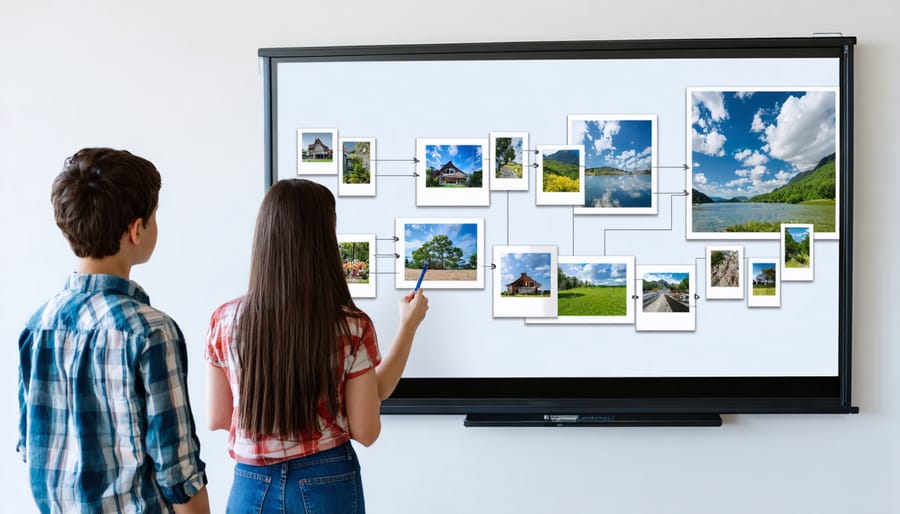
Multiple Intelligence Assessment recognizes that students possess different learning intelligences, requiring diverse assessment methods to accurately measure their understanding and skills. This approach moves beyond traditional paper-and-pencil tests to incorporate various assessment styles that resonate with each student’s strengths.
For visual-spatial learners, consider incorporating mind mapping exercises, infographic creation, or visual presentation assignments. Musical learners might demonstrate understanding through creating educational songs or rhythm patterns. Bodily-kinesthetic learners can excel through hands-on demonstrations or physical representations of concepts.
Linguistic learners might prefer written essays or oral presentations, while logical-mathematical learners can showcase their knowledge through problem-solving scenarios or data analysis projects. Interpersonal learners often thrive in group assessments and peer evaluations, while intrapersonal learners may prefer reflective journals or individual projects.
To implement multiple intelligence assessments effectively:
– Offer choice boards allowing students to select assessment methods
– Create rubrics that value different forms of expression
– Use portfolio assessment to collect diverse evidence of learning
– Incorporate technology tools that support various learning styles
– Provide regular opportunities for self-assessment
This varied approach ensures more accurate evaluation of student understanding while building confidence and engagement across all learning styles.
Adaptive Assessment Strategies
Adapting assessments to meet diverse student needs is essential for creating an inclusive and effective learning environment. By implementing flexible assessment strategies, teachers can ensure that every student has the opportunity to demonstrate their understanding in ways that work best for them.
Start by offering multiple response formats for assignments. Some students might excel at written explanations, while others may better demonstrate their knowledge through oral presentations, visual diagrams, or hands-on projects. This variety allows students to showcase their strengths while developing skills in areas where they need improvement.
Consider implementing tiered assessments, where students can choose from different complexity levels while working toward the same learning objectives. This approach maintains high expectations while providing appropriate challenges for each student’s current ability level.
Time modifications can also be crucial. Some students may need extended time to process information and demonstrate their understanding, while others might benefit from shorter, more focused assessment periods. Be flexible with testing environments too – some students work better in quiet spaces, while others might need movement breaks or fidget tools to stay focused.
Technology can be a powerful ally in adaptive assessment. Digital tools can provide immediate feedback, allow for text-to-speech options, or offer different ways to input responses. Remember to regularly check in with students about their assessment preferences and adjust strategies based on their feedback and performance data.
Assessment techniques in the classroom have evolved significantly, offering educators powerful tools to support student learning and growth. By implementing a mix of formative and summative assessments, teachers can create a comprehensive evaluation system that truly serves their students’ needs. Remember that successful assessment isn’t just about measuring knowledge—it’s about fostering engagement, building confidence, and creating opportunities for meaningful feedback.
To make the most of these assessment techniques, start small and gradually expand your toolkit. Begin by incorporating one or two new methods into your existing practice, allowing both you and your students to adjust comfortably. Digital tools can streamline the assessment process, but they should complement, not replace, traditional assessment methods that work well for your classroom.
Keep student diversity in mind when selecting assessment techniques. Offering multiple ways for students to demonstrate their understanding ensures equity and inclusivity in your evaluation process. Regular reflection on your assessment practices helps identify what’s working and what needs adjustment.
Remember to communicate clearly with students and parents about your assessment methods and goals. When everyone understands the purpose and process of evaluation, it creates a more supportive learning environment. Finally, don’t forget to celebrate progress—both yours and your students’. Every step forward in implementing effective assessment techniques contributes to a more engaging and successful classroom experience.