In classrooms across America, something remarkable happens when a 7-year-old teaches a grandmother how to use a tablet, while she shares stories of historical events she witnessed firsthand. Intergenerational learning breaks down age barriers, creating powerful educational experiences that enrich both young and old participants. This dynamic approach to education doesn’t just bridge generational gaps – it transforms them into opportunities for deep, meaningful learning that benefits entire communities.
By connecting students with older adults, schools create authentic learning environments where wisdom meets digital nativity, traditional knowledge blends with modern perspectives, and social-emotional skills develop naturally through real-world interactions. Research shows that these cross-generational partnerships boost academic achievement, enhance emotional intelligence, and help preserve cultural heritage while fostering innovation.
The impact extends far beyond academic outcomes. Young learners develop empathy, communication skills, and a broader understanding of history through personal narratives, while older participants report increased mental stimulation, reduced isolation, and a renewed sense of purpose. This reciprocal relationship creates a sustainable model of community-based education that addresses multiple societal challenges simultaneously.
As we navigate an increasingly age-diverse society, intergenerational learning offers a practical solution for building stronger communities while delivering exceptional educational outcomes. By embracing this approach, educators don’t just teach lessons – they create lasting connections that transform both classroom dynamics and community relationships.
Why Intergenerational Learning Matters in Today’s Classroom
The Research Behind Cross-Generation Education
Research consistently demonstrates that intergenerational learning creates powerful educational outcomes for both young students and older participants. Studies from the Stanford Center on Longevity show that students involved in cross-generational programs demonstrate improved academic performance, particularly in reading and social studies. These benefits extend beyond academics, with notable improvements in social-emotional development and communication skills.
A comprehensive study by the Generations United organization revealed that parent engagement in education combined with broader intergenerational learning opportunities leads to a 40% increase in student engagement. Additionally, older participants report reduced isolation, improved mental well-being, and a renewed sense of purpose.
Recent research from the Journal of Educational Psychology highlights that students in intergenerational programs show enhanced empathy, reduced age-related stereotypes, and stronger community connections. These findings are particularly significant for schools looking to create inclusive learning environments while strengthening community ties. The evidence suggests that when different generations learn together, both groups benefit from the exchange of knowledge, experiences, and perspectives.

Breaking Age Barriers in Education
Traditional age-based education models are being reshaped as intergenerational learning demonstrates the value of mixing different age groups in educational settings. When students of various ages learn together, they challenge the conventional notion that learning must occur within strict age boundaries.
This approach creates dynamic learning environments where younger students benefit from the life experience and wisdom of older learners, while older participants gain fresh perspectives and energy from their younger counterparts. For example, high school students teaching digital skills to seniors while receiving mentorship in traditional crafts or professional skills creates a two-way learning street that enriches both groups.
Research shows that age-diverse learning environments foster improved social skills, enhanced emotional intelligence, and better retention of information across all age groups. These settings naturally promote empathy, patience, and communication skills as learners adjust their approach to work effectively with people of different ages and backgrounds.
By breaking down age barriers, schools can create more inclusive and representative learning communities that better reflect real-world interactions. This preparation becomes invaluable as students enter increasingly age-diverse workplaces and social environments.

Building Effective Intergenerational Partnerships
Identifying Partnership Opportunities
Building meaningful intergenerational partnerships starts with identifying opportunities in your local community. Schools can leverage existing community-based learning approaches to connect with various age groups and create enriching educational experiences.
Start by reaching out to local senior centers, retirement communities, and community centers that serve older adults. These organizations often welcome opportunities to engage with young people and share their knowledge and experiences. Consider partnering with local libraries, which frequently host programs that can bring different generations together through reading, storytelling, and cultural activities.
Professional associations and business groups can also provide valuable connections to experienced mentors. Many retired professionals are eager to share their expertise with students and contribute to educational initiatives. Additionally, cultural organizations, museums, and historical societies often have volunteer programs that can facilitate meaningful intergenerational exchanges.
Don’t overlook digital platforms and social media to connect with potential partners. Many community groups maintain active online presences, making it easier to discover and initiate partnerships. Create a database of local organizations and their contact information, and consider establishing a regular newsletter to keep potential partners informed about opportunities for collaboration.
Remember to involve your school’s parent-teacher association, as they often have valuable community connections that can help establish and strengthen intergenerational partnerships.
Setting Up Success Parameters
Success in intergenerational learning relies heavily on establishing clear parameters and expectations from the start. To create effective learning partnerships, educators should focus on several key elements that promote positive interactions and meaningful outcomes.
First, establish clear communication channels between all participants. This includes setting up regular check-ins, defining preferred communication methods, and creating a system for addressing concerns or questions. Consider using both traditional and digital communication tools to accommodate different comfort levels with technology.
Define specific learning objectives that benefit both age groups. While younger students might focus on academic skills or subject knowledge, older participants might aim to develop digital literacy or stay mentally active. Document these objectives and create measurable markers of progress that can be tracked throughout the partnership.
Create a structured yet flexible schedule that works for all participants. Consider factors like energy levels, attention spans, and existing commitments when planning session lengths and frequency. A typical starting point might be 45-60 minute sessions, once or twice per week, with room for adjustment based on participant feedback.
Establish clear roles and responsibilities for all participants. Young learners should understand their part in the learning exchange, while older participants should know how to share their knowledge effectively. Include guidelines for respectful interaction, active listening, and constructive feedback.
Implement safety protocols and boundaries appropriate for both age groups. This includes physical safety considerations for in-person meetings, digital safety for online interactions, and emotional boundaries that protect all participants. Make sure these protocols are documented and easily accessible to everyone involved.
Finally, create a feedback system that allows for continuous improvement. Regular surveys, informal check-ins, and observation notes can help identify what’s working well and what needs adjustment. This ongoing evaluation ensures the program remains effective and enjoyable for all participants.
Remember that flexibility is key – be prepared to modify these parameters as needed based on the specific needs and dynamics of your intergenerational learning group.
Practical Implementation Strategies
Technology Integration Tips
Technology can serve as a powerful bridge between generations, making intergenerational learning more accessible and engaging. By thoughtfully incorporating digital learning tools, educators can create meaningful connections that benefit both older and younger participants.
Consider using video conferencing platforms for virtual meetups when in-person sessions aren’t possible. These tools allow students to connect with seniors or experts from anywhere in the world, expanding learning opportunities beyond classroom walls. Simple-to-use apps like voice recorders and digital storytelling platforms can help capture and preserve shared experiences and wisdom.
Collaborative online spaces, such as shared digital boards or documents, enable participants to work together on projects despite physical distances. These platforms can accommodate different comfort levels with technology, allowing each generation to contribute in ways that feel natural to them.
Remember to:
– Start with user-friendly tools that both age groups can navigate easily
– Provide clear instructions and support for all participants
– Create opportunities for both generations to teach each other about technology
– Use multimedia elements to enhance engagement
– Ensure accessibility features are enabled for all participants
By thoughtfully integrating technology, you can create rich learning experiences that honor both traditional wisdom and modern innovation while building meaningful connections across generations.

Activity Ideas and Lesson Plans
Here are several tested and engaging intergenerational learning activities that you can implement in your classroom:
Oral History Projects: Partner students with older community members to document local history through interviews and storytelling. Students can create digital presentations, podcasts, or written narratives based on their interviews.
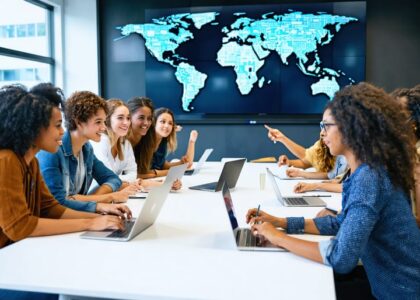
Technology Exchange Sessions: Set up workshops where students teach seniors about smartphones, social media, or basic computer skills, while seniors share their life experiences and wisdom. This creates a two-way learning environment that benefits both groups.
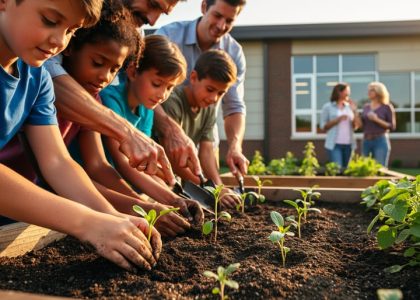
Community Garden Projects: Establish a school garden where students and older volunteers work together to plant, maintain, and harvest vegetables. This hands-on activity naturally facilitates discussions about sustainability, nutrition, and traditional growing methods.
Arts and Crafts Workshops: Organize sessions where seniors teach traditional crafts like knitting, woodworking, or quilting, while students share contemporary art forms like digital design or modern art techniques.
Reading Buddies Program: Create regular reading sessions where older adults listen to young students read or share stories from their own experiences. This helps improve literacy skills while building meaningful relationships.
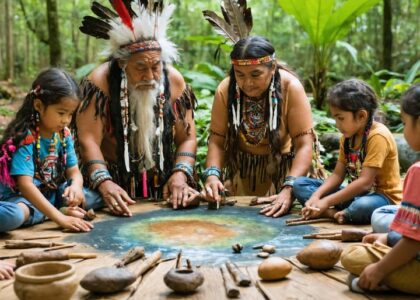
Cultural Heritage Days: Plan events where community elders share cultural traditions, recipes, music, and stories with students. Students can then present modern interpretations of these traditions, creating a bridge between past and present.
These activities can be adapted based on your specific classroom needs, available resources, and community partnerships. Remember to establish clear objectives and maintain regular communication with all participants to ensure meaningful engagement.
Overcoming Common Challenges
While intergenerational learning offers numerous benefits, educators often encounter challenges when implementing these programs. Creating an inclusive learning environment requires addressing these obstacles head-on with practical solutions.
Technology gaps often present the first hurdle, as different generations may have varying levels of digital literacy. Combat this by pairing tech-savvy students with experienced mentors, creating opportunities for reciprocal learning. Consider implementing a “tech buddy” system where students can help older participants navigate digital tools while receiving wisdom and experience in return.
Communication styles can vary significantly across generations. Bridge this gap by establishing clear communication guidelines and encouraging active listening. Create structured conversation prompts and activities that help participants find common ground. Regular check-ins and feedback sessions can help identify and address communication challenges early.
Scheduling conflicts and time management issues frequently arise when coordinating across different age groups. Maintain flexibility by offering both in-person and virtual meeting options, and consider creating asynchronous collaboration opportunities. Using shared digital platforms allows participants to contribute at convenient times while maintaining engagement.
Stereotypes and preconceptions can initially hinder meaningful interaction. Address these by facilitating ice-breaker activities that highlight shared interests and experiences. Encourage reflection and open dialogue about assumptions, and celebrate successful partnerships that challenge stereotypical views.
Cultural differences may also impact interaction. Promote cultural competency through preparatory workshops and ongoing support. Create opportunities for sharing cultural perspectives and traditions, turning potential barriers into learning opportunities.
Remember that patience and persistence are key. Start with small-scale initiatives and gradually expand based on feedback and success stories. Regular assessment and adjustment of your approach will help ensure long-term program sustainability.
Intergenerational learning offers a powerful pathway to enrich education and create meaningful connections across age groups. Throughout this discussion, we’ve explored how bringing different generations together in the learning process benefits everyone involved – from improving academic outcomes and social skills to fostering cultural understanding and emotional growth.
As educators, you have the unique opportunity to bridge generational gaps and create lasting impact in your students’ lives. By implementing the strategies we’ve discussed, such as starting small with mentorship programs, utilizing technology thoughtfully, and creating structured activities that benefit both age groups, you can build successful intergenerational learning experiences in your classroom.
Remember that successful implementation requires careful planning, clear communication, and ongoing assessment. Start by identifying potential community partners, establishing clear objectives, and developing age-appropriate activities that align with your curriculum goals. Consider beginning with pilot programs that can be expanded based on success and lessons learned.
The benefits of intergenerational learning extend far beyond the classroom walls, creating ripple effects throughout the community. By fostering these connections, you’re not just teaching curriculum – you’re building empathy, understanding, and social cohesion that can last a lifetime.
We encourage you to take the first step in implementing intergenerational learning in your educational setting. Connect with fellow educators who have experience in this area, reach out to potential community partners, and start planning your first intergenerational activity. The resources and guidelines provided here will help you begin this rewarding journey.
Together, we can create learning environments that celebrate the wisdom of all ages and prepare our students for a more connected, understanding future.