Functional adaptive skills empower students to navigate daily life independently, forming the cornerstone of successful individualized learning and long-term educational outcomes. These essential competencies – from basic self-care to complex social interactions – transform abstract classroom concepts into practical life skills that students can apply immediately.
As educators, our role extends beyond traditional academic instruction to cultivating these vital capabilities through systematic assessment and targeted skill development. Research shows that students who master functional adaptive skills demonstrate significantly higher levels of independence, improved academic performance, and better social integration both in and outside the classroom.
This comprehensive approach to adaptive skill development requires a delicate balance of structured support and guided independence, allowing students to build confidence while acquiring crucial life skills. By incorporating functional adaptive skills into daily lesson plans, educators create an inclusive learning environment that prepares students for real-world success.
The following strategies and assessment tools will help you identify, develop, and strengthen your students’ functional adaptive skills, ensuring they receive the personalized support needed to thrive in both academic and real-world settings. Whether you’re new to adaptive skill instruction or seeking to enhance your existing programs, these evidence-based approaches will provide a solid foundation for student success.
Understanding Functional Adaptive Skills in Education
Key Components of Functional Adaptive Skills
Functional adaptive skills comprise three core components that work together to support student success in both academic and real-world settings. First, problem-solving abilities, which include critical thinking strategies, enable students to analyze situations, develop solutions, and make informed decisions. These skills help students navigate challenges independently and adapt to new learning situations.
Self-management forms the second key component, encompassing time management, organization, and emotional regulation. Students who develop strong self-management skills can better handle daily responsibilities, maintain focus during tasks, and regulate their responses to various situations. This includes following schedules, completing assignments on time, and maintaining appropriate behavior in different settings.
The third component, social competence, involves understanding and navigating social interactions effectively. This includes reading social cues, communicating appropriately with peers and adults, and working collaboratively in group settings. Strong social skills enable students to build positive relationships, participate in class discussions, and engage meaningfully in their learning community.

The Connection to Academic Success
Functional adaptive skills play a crucial role in students’ academic performance, serving as the foundation for effective learning and classroom success. When students possess strong adaptive skills, they’re better equipped to manage their time, organize materials, follow instructions, and participate actively in classroom activities.
Research consistently shows that students with well-developed adaptive skills demonstrate higher levels of academic achievement. These skills enable them to navigate daily classroom routines independently, transition smoothly between activities, and maintain focus during lessons. For example, a student who can effectively organize their materials and manage their time is more likely to complete assignments on schedule and participate meaningfully in group work.
Moreover, these skills directly support critical thinking and problem-solving abilities. Students who can adapt to new situations and manage their emotional responses are better positioned to tackle challenging academic content. They’re more likely to persevere through difficult tasks, seek help when needed, and maintain positive relationships with peers and teachers – all essential components of academic success.
Teachers who actively support the development of functional adaptive skills often report improved classroom dynamics and better learning outcomes across all subject areas.
Implementing Adaptive Assessment Strategies
Real-Time Assessment Techniques
Real-time monitoring of students’ adaptive skills provides invaluable insights that help educators make immediate adjustments to support learning. By implementing effective assessment strategies, teachers can track progress and respond to students’ needs as they emerge.
One practical technique is the use of observation checklists during regular classroom activities. These allow teachers to document specific behaviors and skills while students engage in tasks naturally. Digital tracking apps and simple rubrics can streamline this process, making it manageable within busy classroom environments.
Interactive feedback loops create opportunities for students to demonstrate their understanding in real-time. This might include using hand signals, response cards, or digital tools that allow immediate student input. These quick checks help teachers gauge comprehension and adjust instruction on the spot.
Performance-based assessments during practical tasks offer authentic ways to evaluate adaptive skills. For example, observing how students handle group work, manage their materials, or follow multi-step instructions provides concrete evidence of their functional capabilities.
Creating regular “checkpoint moments” throughout lessons allows for systematic monitoring of progress. These brief pauses for assessment can include peer evaluation, self-reflection exercises, or quick teacher-student conferences that provide immediate feedback on skill development.
Remember to document progress consistently but efficiently. Simple rating scales or digital portfolios can help track improvements over time while maintaining focus on instruction. These ongoing assessments should inform daily teaching decisions and help create a responsive learning environment that supports each student’s growth in functional adaptive skills.

Data Collection and Progress Monitoring
Effective data collection and progress monitoring are essential components of supporting students’ functional adaptive skills development. Using a combination of observation tools, checklists, and digital tracking systems helps create a comprehensive picture of student growth and identifies areas needing additional support.
Daily or weekly progress charts provide an organized way to document specific skills across different environments. These charts can track activities like following routines, completing personal care tasks, or managing time. Teachers can use simple rating scales (1-5) or checkbox systems to indicate mastery levels and consistency of skill performance.
Digital portfolios offer an excellent method for collecting evidence of skill development through photos, videos, and written observations. These portfolios can include samples of student work, recordings of task completion, and notes about successful strategies or accommodations used.
Behavior tracking apps and specialized educational software make it easier to gather and analyze data in real-time. Many of these tools allow for quick documentation during natural opportunities throughout the school day, reducing the administrative burden on teachers while maintaining accurate records.
Regular team meetings to review collected data help ensure all stakeholders understand student progress and can contribute to adjusting learning strategies as needed. Including parents in this process through progress reports and collaborative goal-setting sessions creates a more unified approach to skill development.
Remember to celebrate small victories and document incremental progress. Even minor improvements in functional adaptive skills can significantly impact a student’s independence and confidence. Using positive reinforcement and visual progress displays helps students recognize their own growth and maintains motivation for continued learning.
Personalizing Learning Through Adaptive Assessment
Creating Individual Learning Pathways
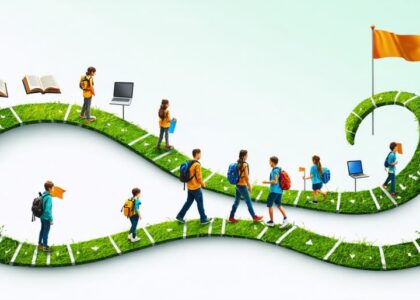
Creating individual learning pathways begins with a thorough review of each student’s adaptive skill assessment results. Start by identifying areas of strength and opportunities for growth, then use these insights to develop targeted learning objectives. Remember that each student’s journey is unique, and their learning plan should reflect their individual needs and capabilities.
When designing personalized pathways, consider breaking down complex adaptive skills into smaller, manageable components. For example, if a student needs to develop time management skills, begin with basic schedule following before progressing to more complex planning tasks. Set clear, measurable goals that align with both the student’s current abilities and their target outcomes.
Incorporate multiple learning modalities to support different learning styles. Some students may respond better to visual aids, while others might benefit from hands-on practice or role-playing exercises. Regular progress monitoring is essential – use a combination of informal observations and structured assessments to track advancement and adjust the learning path as needed.
Involve students in the planning process whenever possible. This promotes self-awareness and encourages them to take ownership of their learning journey. Additionally, collaborate with parents, specialists, and other educators to ensure consistency across different learning environments. Remember to celebrate small victories and maintain flexibility in your approach, adjusting strategies based on student response and progress.
Document successful interventions and challenge areas to refine the learning pathway over time. This documentation becomes valuable for future planning and helps create a comprehensive picture of the student’s development in functional adaptive skills.
Supporting Diverse Learning Needs
Supporting diverse learning needs requires a flexible and inclusive approach to functional adaptive skills assessment. Every student learns differently, and our assessment strategies should reflect this diversity. Consider using multiple assessment formats, such as visual demonstrations, verbal explanations, and hands-on activities, allowing students to showcase their abilities in ways that best suit their learning style.
For visual learners, incorporate picture schedules, task cards, and video demonstrations into your assessment process. Auditory learners might benefit from verbal instructions and recorded prompts, while kinesthetic learners may excel when allowed to physically demonstrate their skills.
When working with students who have different abilities, break down complex tasks into smaller, manageable steps. Provide additional time when needed, and offer various tools or assistive technologies that can help students demonstrate their capabilities. For example, students with motor challenges might use adaptive equipment or alternative communication devices during assessments.
Create a supportive environment where students feel comfortable asking for clarification or additional support. Consider implementing peer-assisted learning strategies, where students can work together and learn from one another while developing their functional adaptive skills.
Remember to maintain high expectations while providing appropriate accommodations. Document successful strategies for each student, and regularly review and adjust assessment methods based on individual progress and feedback.
Building a Supportive Assessment Environment
Collaborative Assessment Practices
Engaging students and their families in the assessment process creates a more comprehensive and accurate picture of functional adaptive skills development. Start by conducting collaborative meetings where students can share their perspectives on their strengths and challenges. Use student-friendly self-assessment tools, such as rating scales or visual checklists, to help learners reflect on their progress and set meaningful goals.
Families provide invaluable insights into how students apply adaptive skills at home and in community settings. Regular communication through progress journals, digital portfolios, or weekly check-ins helps maintain a consistent flow of information. Consider implementing home observation logs where parents can document their child’s skill application in real-life situations.
Create opportunities for students to demonstrate their skills through authentic tasks while receiving feedback from both educators and family members. This might include recording daily living activities, problem-solving scenarios, or social interactions. Remember to celebrate progress together and adjust goals based on collective input from all stakeholders.
By fostering this collaborative approach, assessments become more meaningful and better aligned with students’ real-world needs and experiences.
Technology Integration
Technology has revolutionized how we assess and develop functional adaptive skills in modern classrooms. Educators now have access to powerful digital assessment tools that make tracking student progress more efficient and accurate than ever before.
Mobile apps and tablet-based programs allow students to practice adaptive skills in engaging, interactive ways while automatically collecting performance data. These tools can monitor everything from time management abilities to social interaction patterns, providing teachers with detailed insights into each student’s development.
Video recording and analysis software helps educators observe and document functional skills in natural settings, making assessments more authentic and comprehensive. Smart devices with built-in accessibility features support students in developing independence while providing valuable data on skill acquisition.
Cloud-based platforms enable collaboration between teachers, support staff, and families, ensuring consistent skill development across different environments. These digital solutions also make it easier to create and adjust personalized learning plans based on real-time assessment data, leading to more targeted and effective instruction for each student.

As we’ve explored throughout this article, functional adaptive skills are essential building blocks for student success both in and beyond the classroom. By implementing the strategies and assessment tools we’ve discussed, you can create a more inclusive and effective learning environment that supports all students in developing these crucial life skills.
Remember that progress in functional adaptive skills is highly individual, and success looks different for each student. Start by establishing baseline assessments, then work collaboratively with your students, their families, and support staff to develop personalized goals and learning plans. Regular monitoring and adjustment of these plans ensures continuous growth and development.
Take advantage of the resources available in your school community, including specialized training opportunities and peer support networks. Consider joining educational forums where you can share experiences and learn from other educators implementing similar programs. The journey of developing functional adaptive skills is one of continuous learning and adaptation for both educators and students.
Moving forward, focus on incorporating these skills naturally into your daily classroom routines. Start small with one or two targeted areas, and gradually expand your approach as you and your students become more comfortable with the process. Celebrate progress, no matter how small, and maintain open communication with all stakeholders about student development.
By prioritizing functional adaptive skills in your teaching practice, you’re helping to prepare students for real-world success and independence. Your commitment to this important aspect of education makes a lasting difference in your students’ lives, supporting them in becoming capable, confident individuals ready to tackle life’s challenges.